
The Underrated Pennsylvania Native Grass That Glows In Your Yard All Winter Long
Follow us on Google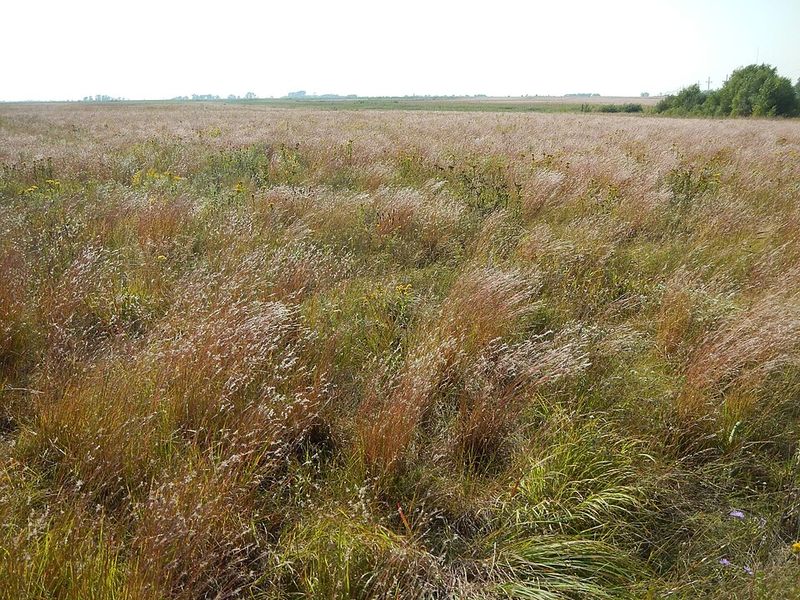
You look out at a gray January yard in Pennsylvania and spot a clump of copper-toned grass standing against the snow. That grass is little bluestem, Schizachyrium scoparium, a native that turns reddish after frost and keeps its fluffy seed heads into winter.
It is easy to love, but the color and shape change with your site and weather. Here is how to choose the right spot and keep the show going.
Meet Pennsylvania’s Little Bluestem
Picture the edge of an old field in southern Pennsylvania on a cold morning. Among the dry weeds stands a slim, arching clump of grass the color of a new penny.
That is little bluestem, and it has been growing here far longer than any of our lawns.
The Flora of Pennsylvania records it growing in the state, especially in southern Pennsylvania, in old fields, along roadsides, and in open woods. So this is a true neighbor, not an import dressed up for the garden.
It is a warm-season bunchgrass, which means it grows in tidy clumps instead of spreading like a lawn. Through the year it changes its look, from green summer blades to a reddish autumn tint to a coppery winter shape topped with seed heads.
Now, about that old claim that garden centers overlook it. The sources reviewed for this article do not establish whether local garden centers stock it or skip it, so that is worth checking at your own nursery.
What we can say is that Penn State Extension presents it as a landscape grass and notes that it was named the 2022 Perennial Plant of the Year.
It may be a quiet plant, but it has earned some attention. Think of it as a hero that waits until everything else has packed up for the season.
Its Spring Green Arrives Later
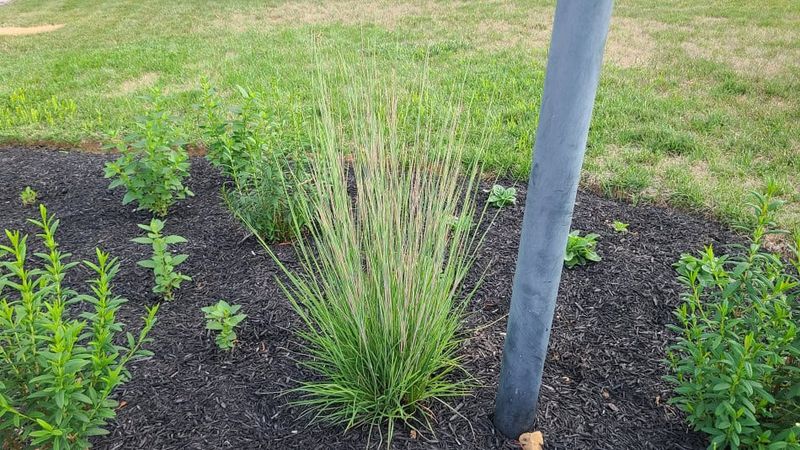
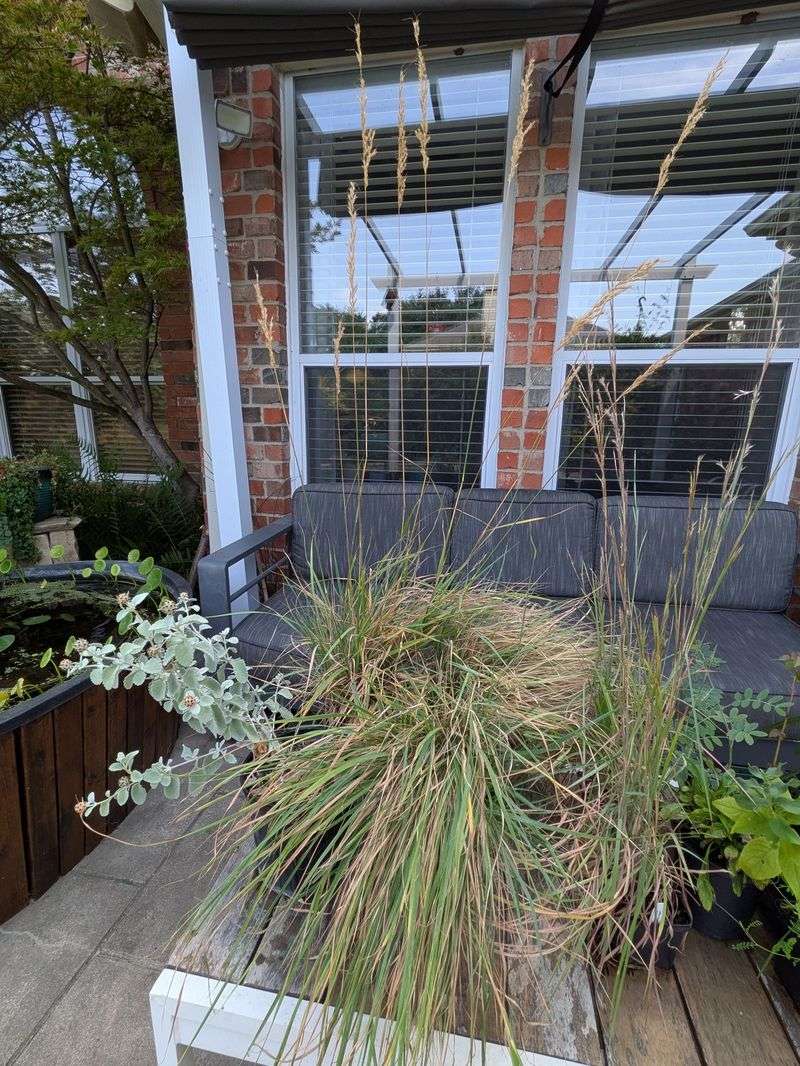
Here is the myth that sends many gardeners to the compost pile. In April, your bluestem clump still looks tan and bare while the plants around it have already leafed out.
It must be dead, right? Not so fast.
Little bluestem is a warm-season grass. According to Penn State Extension, that means it wakes up later in spring than cool-season plants.
It waits for warmer weather to start growing, a bit like the neighbor who never shows up to the cookout until the grill is hot.
The USDA fact sheet describes the same warm-season habit and notes that new plantings usually take one to two years to become established. That guidance comes from conservation plantings, but it tells you the plant takes its time.
Pennsylvania is not one climate, so timing will shift. A yard in the Delaware Valley may see new growth earlier than one on the Allegheny Plateau or in the northern tier, where spring runs later and colder.
Here is a simple check. Look at the base of the clump for small green shoots, and gently bend a stem to see whether it feels alive or brittle all the way through.
Give it time before you give up on it.
A slow start is not a failure. It is just this grass keeping its own calendar.
Foliage Can Turn Reddish After Frost
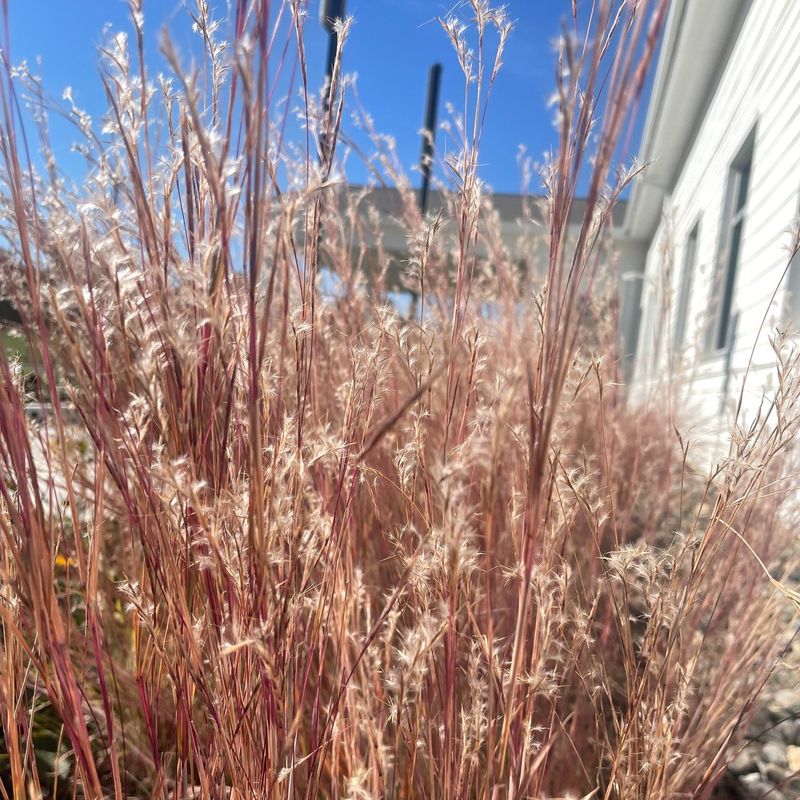
The first hard frost usually arrives with a plain gray sky. Then, a few weeks later, you notice that your little bluestem has changed its coat.
The green is fading into reddish tones that catch the low sun.
Penn State Extension describes the foliage taking on a reddish color after frost, and it notes that the seed heads persist into fall and winter. Those fluffy tops give the clump a second layer of interest.
Descriptions of the winter color vary a little. A University of Wisconsin Extension profile calls it coppery or reddish-brown.
So expect a range from rusty orange to warm brown, not a single fixed shade.
Here is the honest part. The color is not a guarantee, and it will not stay equally bright all winter.
Rain, snow cover, and your own site can change how strong it looks from week to week.
The best viewing is often on a low-sun morning, when light shines through the blades and seed heads. Plant it where you can see it from a kitchen window or the back porch door.
Think of it as a slow, quiet show. It does not shout like a maple in October, but it keeps going long after the leaves are gone.
Snow Can Bend the Clump
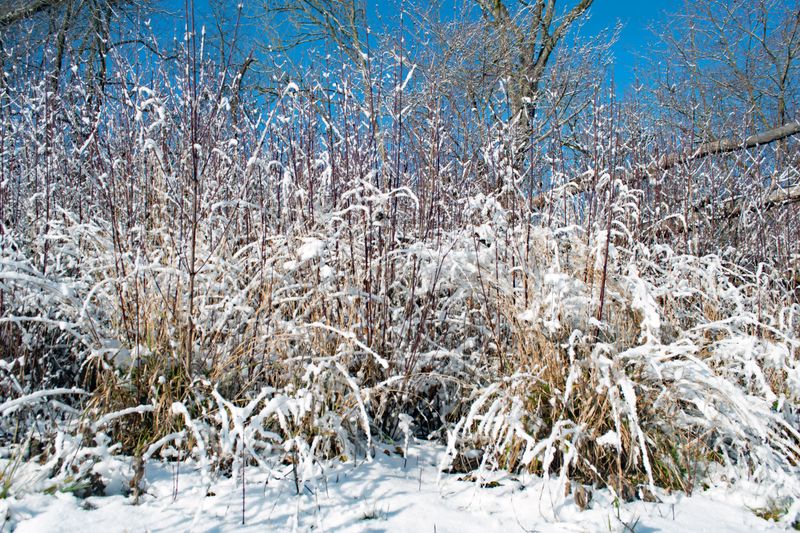
Many people picture winter grass standing straight as a fence post. Real winters are rougher than that.
After a wet, heavy snow, your bluestem might look like it is bowing to the weather.
A northeastern native-plant technical review reports that little bluestem resists lodging under snow and retains its form through winter. Lodging is the gardener word for stems flopping over.
But there is a catch. A University of Maryland Extension source says snow may arch the clumps over, and they may stand upright again after the snow melts.
So a bent clump after a storm is not a ruined clump.
Also, do not mix it up with its cousin. The Pennsylvania conservation planting guide uses its strongest snow-load language for the switchgrass cultivar ‘Shelter’, which was selected for stiff stems that stay standing.
That description belongs to switchgrass, not little bluestem.
In places with lake-effect snow near Erie, expect more bending than in a drier valley. Wait for a thaw before you judge the damage, and resist the urge to tie or prop the clump.
The grass bows, then often rises again. That is a fair trade for a plant you never have to babysit.
Sun and Drainage Shape Its Success
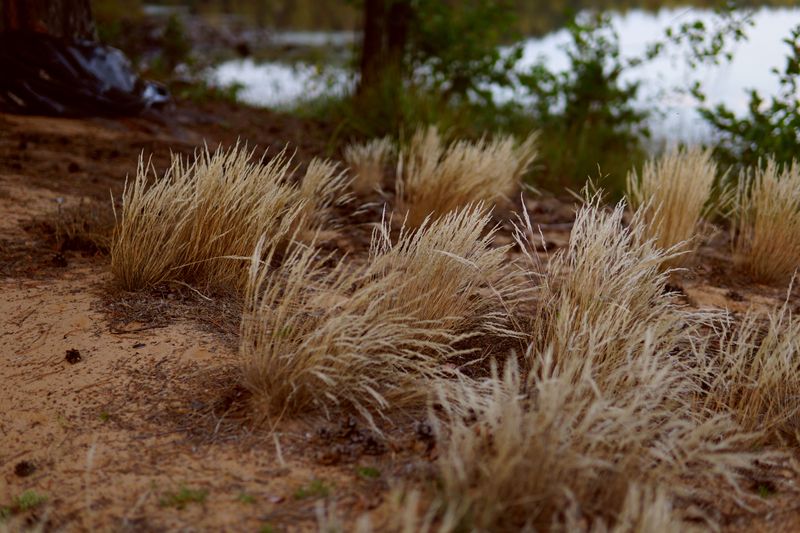
Before you buy a single plant, take a walk around your yard after a good rain. Notice where water pools and where it drains away quickly.
That simple test tells you more than any plant tag.
According to Penn State Extension, little bluestem prefers full sun and does best in well-drained soil. The USDA fact sheet says it is poorly adapted to wet soils.
So that soggy corner by the downspout is a poor fit.
Soils differ across Pennsylvania. Heavy clay in parts of southeastern Pennsylvania may hold water, while rocky glacial soil in the northern tier and sloped shale soils in the west often drain faster.
Check your own spot instead of assuming.
For planning, the Pennsylvania conservation planting guide lists a height of about 2 to 3 feet. Treat that as a reference, not a promise.
A University of Wisconsin Extension profile reports common garden clumps around 30 to 36 inches tall and 18 inches wide, and cultivar and conditions can change that.
The sources do not set one spacing for every home garden, so leave room for the mature clump based on the cultivar you choose.
Give it sun and a dry-ish seat, and it will do the rest.
Leave the Stems Through Winter
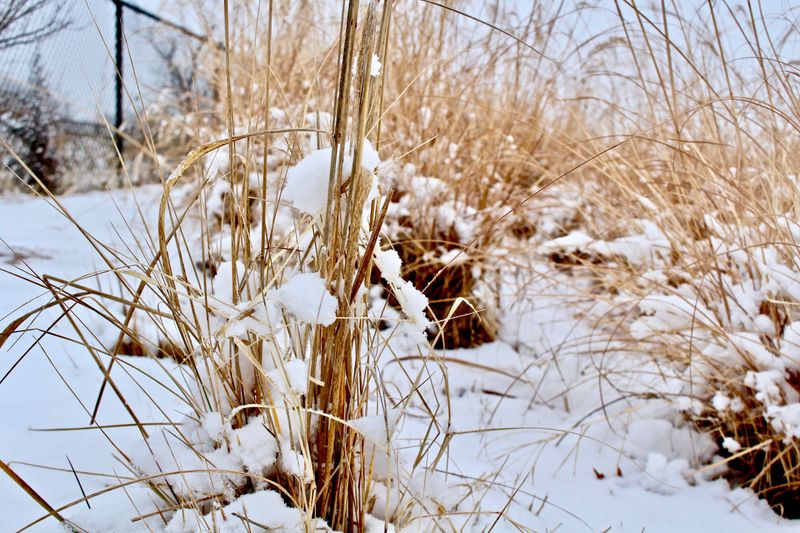
Fall cleanup brings out the tidy streak in all of us. The urge is to cut everything to the ground before the snow.
With little bluestem, that is the move that takes away your winter show.
Penn State Extension recommends leaving the stems through winter for their color and structure. Then, in late winter to early spring and before new growth starts, cut the old growth back with clean, sharp shears.
Go easy on the extras. Penn State warns that high fertility can cause weak, open growth and flopping, and a University of Wisconsin Extension profile similarly cautions that watering and overfertilizing can promote lodging.
This plant actually looks better when you leave it a little lean.
Drought tolerance is the next piece. The Pennsylvania conservation planting guide classes it as drought tolerant and suited to dry sites.
That fits established plants, not brand-new ones.
The USDA fact sheet says new plantings usually need one to two years to establish. That is about conservation plantings, so there is no fixed home watering schedule here.
Just keep an eye on a new clump during its first seasons.
Leave it standing, and the grass will keep your winter yard interesting without asking for much.
