
The Owl Pennsylvania Neighbors Keep Hearing After Dark As Winter Moves In
Follow us on Google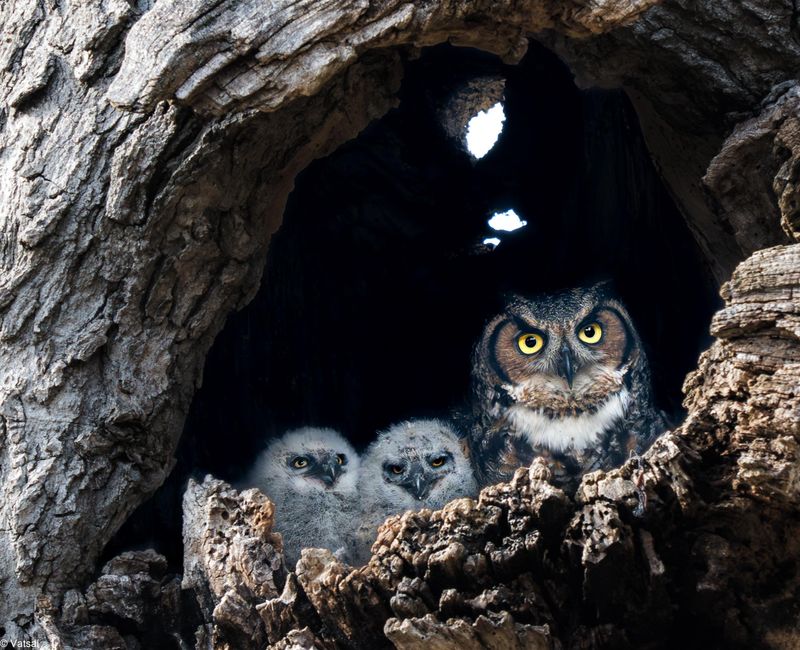
You step onto the back porch on a cold November evening, and a deep, steady hooting rolls out of the dark trees. The owl most likely behind it is the Great Horned Owl, and this is the season when it calls the most.
That does not mean more owls have moved in, and it does not mean one is nesting in your yard. Here is what the sound likely means and how to share the neighborhood with the bird.
Five Deep Hoots Point to a Great Horned Owl
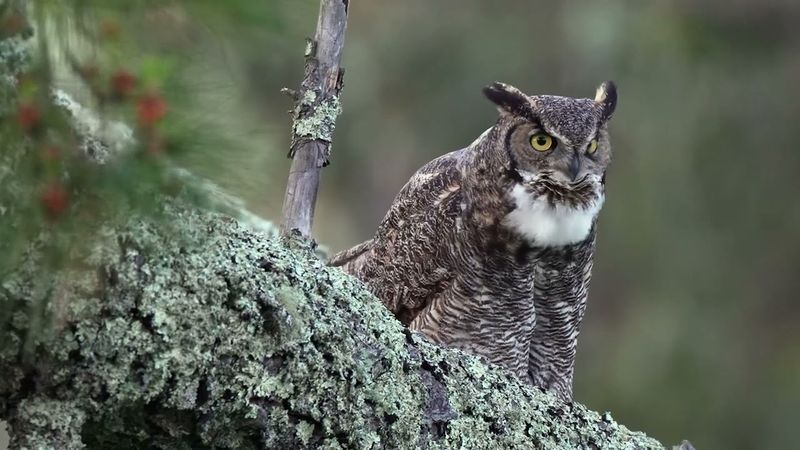
Stand still and count. If the sound is a soft, deep hoot repeated in a pattern of about five, a Great Horned Owl is the most plausible match for what you are hearing in Pennsylvania.
Plausible is the key word, because sound alone cannot confirm a species.
According to Pennsylvania Game Commission wildlife notes, the Great Horned Owl usually gives about five deep hoots. The pattern often sounds like a low, rolling phrase with a pause between the notes.
It carries well across yards and fields on a still night.
Other local owls sound different. The Barred Owl gives a more emphatic, eight-part call that many people remember as a rhythmic question.
The Eastern Screech-Owl does not boom at all. It makes a descending whinny or a trembling trill, closer to a small horse than a hoot.
The Great Horned Owl is also the state’s most widespread owl, according to the Game Commission’s owl page. That is one more reason it is a sensible first guess for a deep hoot.
So treat your count as a listening clue, not a promise. Deep, spaced hoots lean toward Great Horned.
A quavering whinny points elsewhere. Either way, you are hearing a wild neighbor going about its night.
Courtship Makes a Familiar Owl Easier to Hear
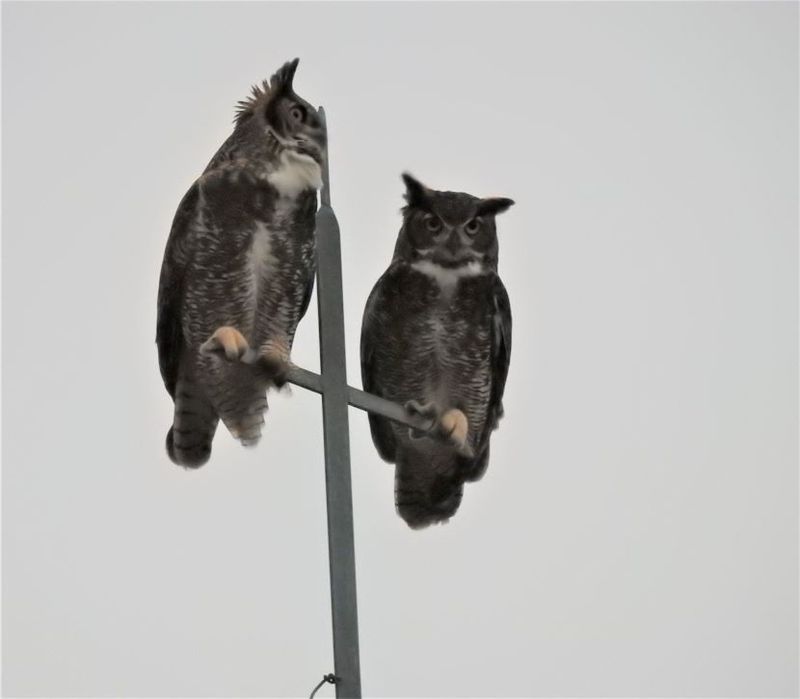
Owls do not call equally all year. Great Horned Owl courtship in Pennsylvania runs from fall into early winter, and that is when the hooting picks up.
The Pennsylvania Game Commission notes that these owls hoot to mark territory and during mating activity. Pairs trade calls back and forth, so you may hear two voices answering each other, one often a little higher than the other.
Timing helps explain why a neighbor suddenly notices the sound. Leaves have dropped, windows are closed, and evenings come early.
An owl that was there all along becomes easier to hear.
That is different from saying more owls are around. Louder and more frequent calling can make an owl more noticeable without showing that the owl count has grown or that a new bird has settled into your yard.
The calendar also helps you sort species. State wildlife notes describe Eastern Screech-Owls calling in spring and again in late summer after the young leave the nest, as described in the Game Commission’s wildlife notes.
A winter hoot should not automatically be given to that species.
Think of courtship season as the owl turning up its volume, not the neighborhood adding a new resident.
A Backyard Is One Piece of Its Range
Picture the owl’s night as a loop, not a spot. Your yard may be one stop on a route that crosses several properties, a park, and a strip of woods.
The Pennsylvania Game Commission says Great Horned Owls use habitats from urban parks and cemeteries to large forests. Forest edges, open mature woods, and farm woodlots are among their preferred settings.
They also eat a broad range of prey, including rodents, rabbits, squirrels, and birds, and they may hunt from a perch. So the picture is simple.
Tall trees to sit in, open ground nearby, and something to catch can make a wider neighborhood usable.
That is a modest takeaway, and it should stay modest. A hoot does not prove your yard is full of mice, and it does not mean the owl will solve a rodent problem.
The diet is too varied, and a call tells you nothing about what the owl caught or where.
It is also not a grade for your yard’s health. It suggests only that the larger area offers conditions this species can use.
Whether you live near a western Pennsylvania ridge or a suburban Delaware Valley park, the same idea applies. You are sharing a landscape, and the owl is simply reading it more widely than your property line.
A Call Does Not Establish That a Nest Is Nearby
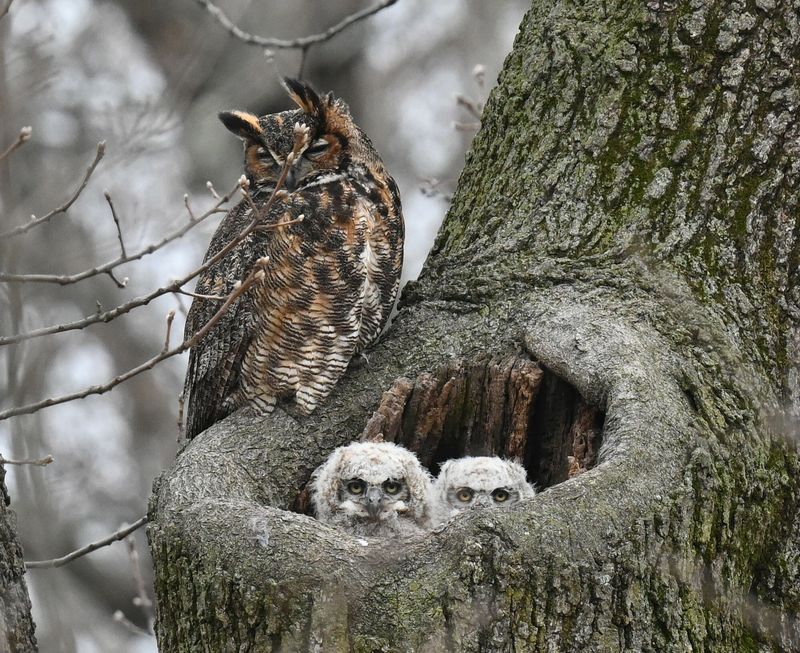
Hearing an owl is not the same as having one live next door. A call does not establish that a nest is nearby or in your yard.
It does tell you an owl is using the area, and that is worth knowing, but it stops short of a nesting address.
Great Horned Owls may call or hunt in a neighborhood without nesting there. They roam, and a hoot can carry a long way on a quiet winter night, so the bird may be well beyond your fence line.
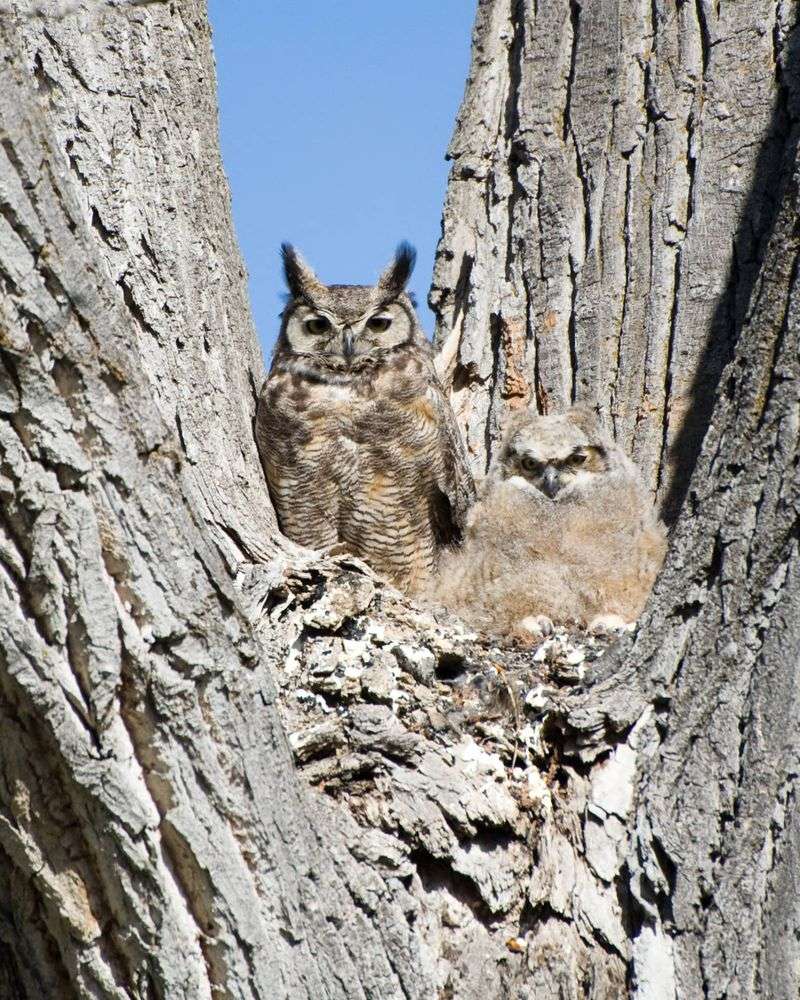
Nesting works differently from what many people expect. According to the Pennsylvania Game Commission, Great Horned Owls usually use an existing nest or a cavity rather than building a conventional nest.
That means an old stick nest left by another large bird can become the site.
Timing matters too. In Pennsylvania, females are usually on eggs in February and early March, sometimes as early as late January.
So the hooting you hear in November comes well before eggs are laid.
If winter hooting continues from the same direction, it is reasonable to think the pair is working that area. But a repeated call still does not tell you which tree, or whether a nest exists at all.
Hold the conclusion loosely, and enjoy the sound for what it is.
What to Do When You Hear It
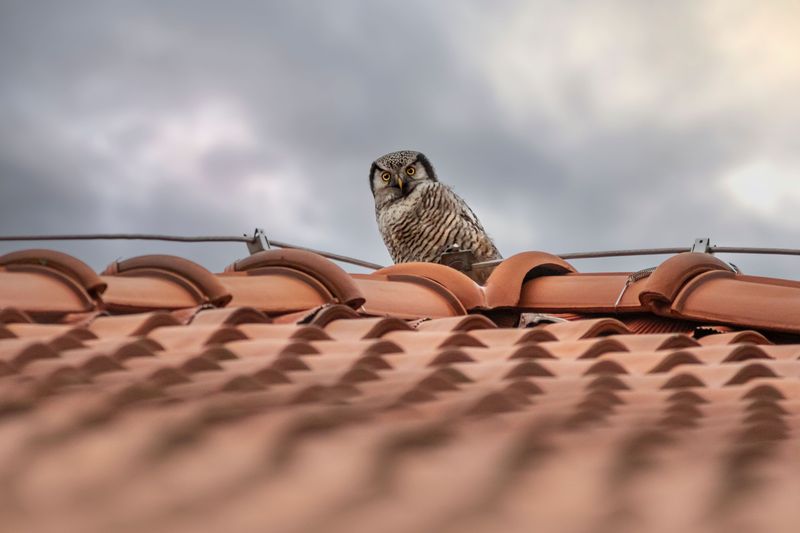
The best response is also the easiest one. Listen, enjoy it, and keep your distance.
If you spot an owl, watch from a window or from well across the yard. Binoculars let you see plenty without stepping closer.
Keep dogs and cats indoors at night, and keep outdoor lights and noise low if you want the bird to stay relaxed.
Do not approach a suspected nest, and do not go looking for one. The Pennsylvania Game Commission warns that nesting Great Horned Owls can defend their young aggressively.
An owl guarding a nest is not being mean, it is being a parent with sharp talons.
The law points the same way. Pennsylvania protects all owls under state Game Law and federal regulations.
That is another reason to leave birds and nests undisturbed rather than handling, feeding, luring, or investigating them.
If an owl looks injured or a nest is in a risky spot, contact the Game Commission or a licensed wildlife rehabilitator instead of acting on your own.
Most nights, though, nothing needs fixing. Step outside, hear the five slow hoots, and let the owl have its evening.
Let the Owl Use the Neighborhood on Its Terms
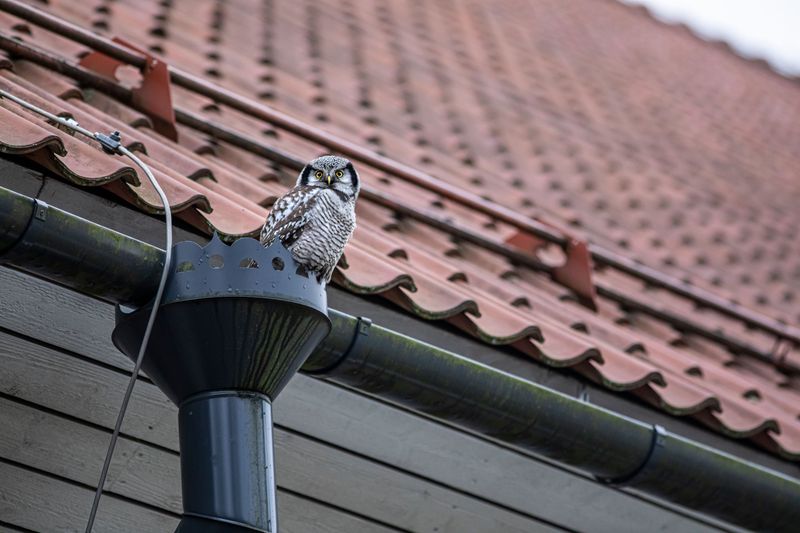
You do not need to lure anything. Sharing space with an owl mostly means not getting in its way and not adding hazards.
The biggest hazard is rodent poison. The National Pesticide Information Center explains that owls can be poisoned secondhand by eating poisoned prey, and some anticoagulant products carry high secondary-poisoning risks for birds.
A mouse that has eaten bait can still be an easy meal.
So poison is not owl-friendly pest control. If you do use rodenticides, follow the label exactly, and collect poisoned rodents and dispose of them securely.
You also do not need to stock your yard with prey or read too much into one call. As the Game Commission describes, these owls eat widely and roam across varied habitat, so your yard is only one stretch of their range.
Leave a mature tree standing if you have one, keep nighttime disturbance low, and let the rest happen without you.
The deep hoot at dusk is a reminder that your familiar yard belongs to a larger landscape than you can see.
