
Torpedograss Comes Back Three Feet Away Because Pulling It Leaves The Real Plant Underground
Follow us on Google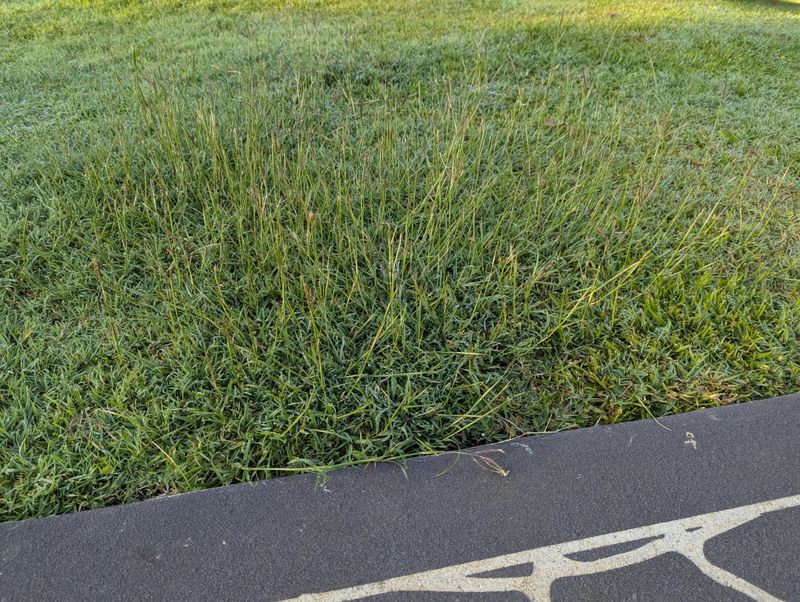
You pull a clump of torpedograss on a Saturday morning, and by the next few weeks green shoots poke up a few feet away. That is because the real plant is a network under the soil, and yanking the tops often leaves pieces of it behind.
Florida homeowners run into this all the time, and it feels like the weeds are playing a trick on you. Here is what is going on down there and how to pick a plan that fits your yard.
Torpedograss Is More Than Its Shoots

Here is the plot twist. The grass blades you pull are only the part of torpedograss that shows.
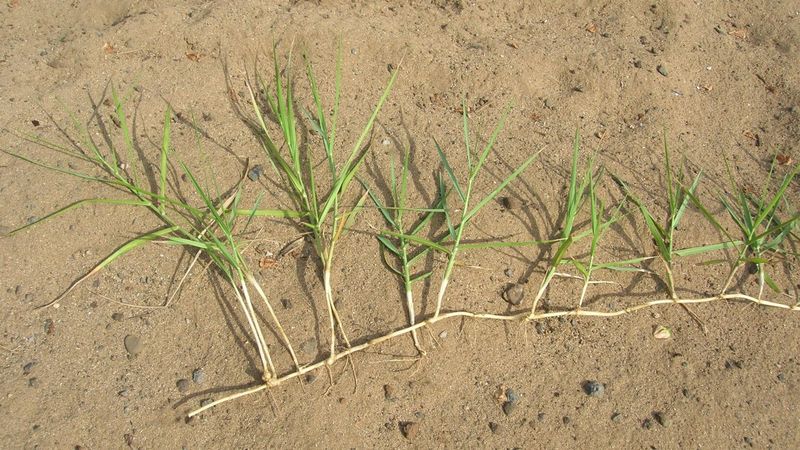
The plant is a perennial grass called Panicum repens, and it spreads chiefly through underground rhizomes and stem fragments.
A rhizome is simply an underground stem. It looks a bit like a pale, jointed root, but it carries buds, and those buds can send up new shoots.
Think of it as a hidden highway with an exit ramp at every joint.
So when you look at a patch of torpedograss, you are seeing the plant’s leaves while most of its working machinery stays out of sight. The shoots, the rhizomes, and the buds are all parts of one connected plant.
That is why a quick tug rarely settles things.
What about seeds? UF/IFAS Extension says torpedograss seeds have little to no viability, though limited viable seed production has been observed in Florida.
So seeds are not the main worry, but you should not say it never spreads that way.
The real action is below the soil line. Once you know that, the whole regrowth mystery starts to make sense, and you can stop blaming yourself for missing something.
Why A Shoot Can Appear Several Feet Away
Many Florida gardeners notice the same thing. They clear a spot, and a few weeks later a shoot appears about three feet away.
That distance is a homeowner’s observation, not a rule of nature.
The reason is that rhizomes can run well beyond the shoots you can see, and they carry buds along their length. UF/IFAS reports rhizomes can reach 20 feet long, with most found in the top 24 inches of soil.
A new shoot is simply a bud that decided to wake up.
Now the tricky part. A shoot several feet away may be part of the same underground network.
Or it may have grown from a fragment that got moved around while you were digging. Distance alone cannot tell you which.
Those figures describe the plant in general. They cannot tell you what happened in your yard, and they do not make three feet a magic number.
It could be two feet or six.
So treat the surprise shoot as a clue that the plant is bigger than it looked. That is useful to know before you pick a plan.
Pulling Can Leave Bud-Bearing Pieces
Pulling feels satisfying. Out comes a green clump, and the bed looks clean.
But the tops are the easy part.
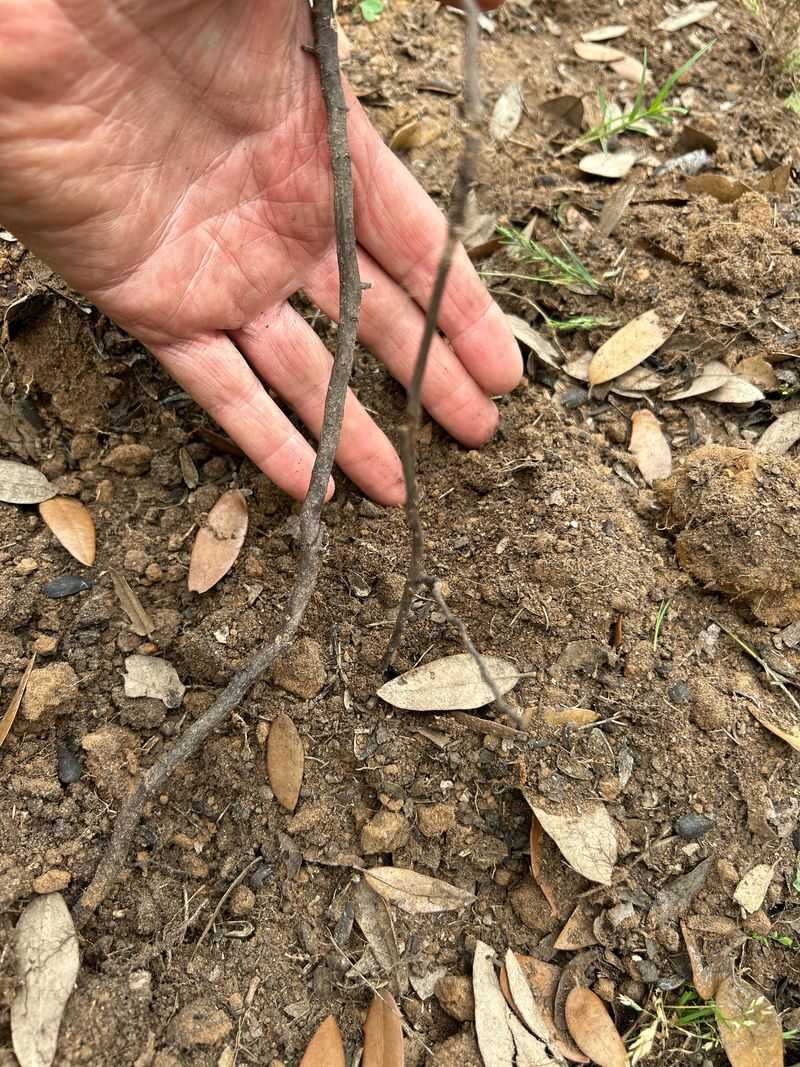
UF/IFAS says cutting or dividing torpedograss rhizomes can prompt rapid regeneration, and hand weeding and hoeing are generally ineffective. A rhizome piece that still has a bud can sprout again.
That does not mean pulling always leaves the whole plant behind. Often you remove some rhizome and leave some.
Fragments matter, too. In greenhouse trials summarized by the U.S.
Forest Service, a rhizome piece with just one node produced shoots. Still, that does not mean every tiny piece survives in every yard.
Some will, and some will not, and you cannot tell which by looking.
What about digging? It may suit a very small, confined patch.
But getting every rhizome out is hard, and digging can scatter fragments across the bed. It is not a guaranteed fix.
If you do dig, work slowly, bag what you remove, and keep watching the area. Disturbing the soil can feed the very problem you are trying to solve.
Choose A Plan For The Site

Before you grab anything, ask where the torpedograss is growing. A planting bed, a turf lawn, and a spot with standing water each call for a different approach.
Products and permitted uses differ by site. What UF/IFAS advises for landscape beds does not carry over to turf, and Collier County Extension’s lawn advice does not carry over to wet areas.
The UF/IFAS invasive plant guide covers aquatic and natural settings.
Pick your site first, then read on. The next three sections take them one at a time.
Target Torpedograss Carefully In Landscape Beds
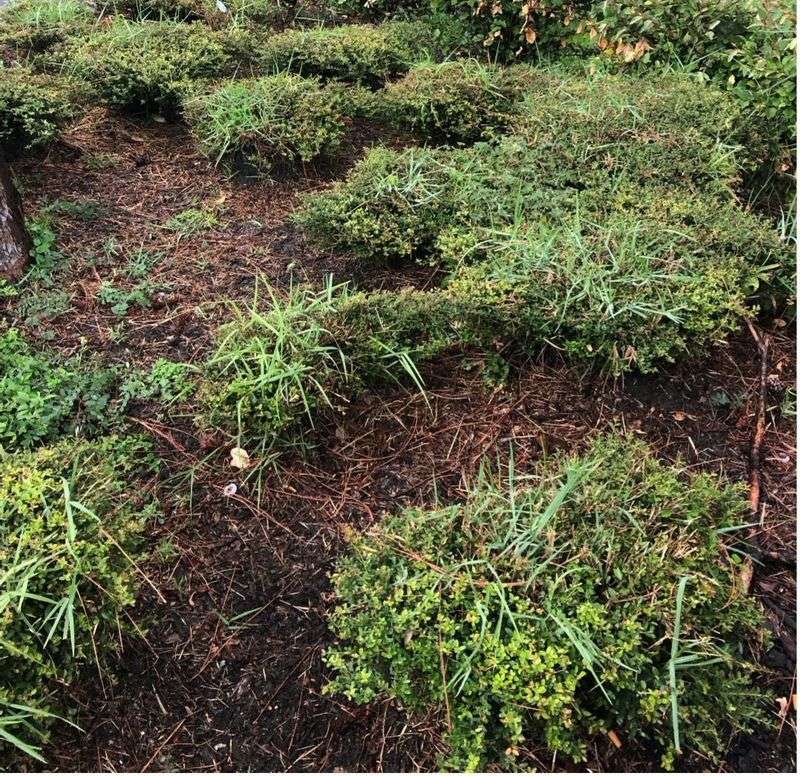
A bed full of shrubs and perennials is the trickiest place, because the grass is tangled up with plants you want to keep.
UF/IFAS describes directed glyphosate application as an option only when desirable plants will not be contacted. Glyphosate can harm any plant it touches, so it is not a selective treatment.
Shielding and careful aim matter.
The publication gives a 2% to 3% product solution for this specific landscape-bed context. Treat that as source-specific guidance, not a universal mixing rate.
The product label governs, so read it first.
Expect to repeat. The guidance says repeated applications are often needed, since rhizomes can send up new shoots after the first round.
One more warning. Imazapyr is not labeled for landscape beds.
UF/IFAS warns it can severely injure or kill ornamentals, and oaks are extremely sensitive. If a live oak shades your bed, that is a very good reason to skip it.
Go slowly and keep expectations realistic. This is a long game, not a single weekend project.
Lawn Advice Depends On The Turf
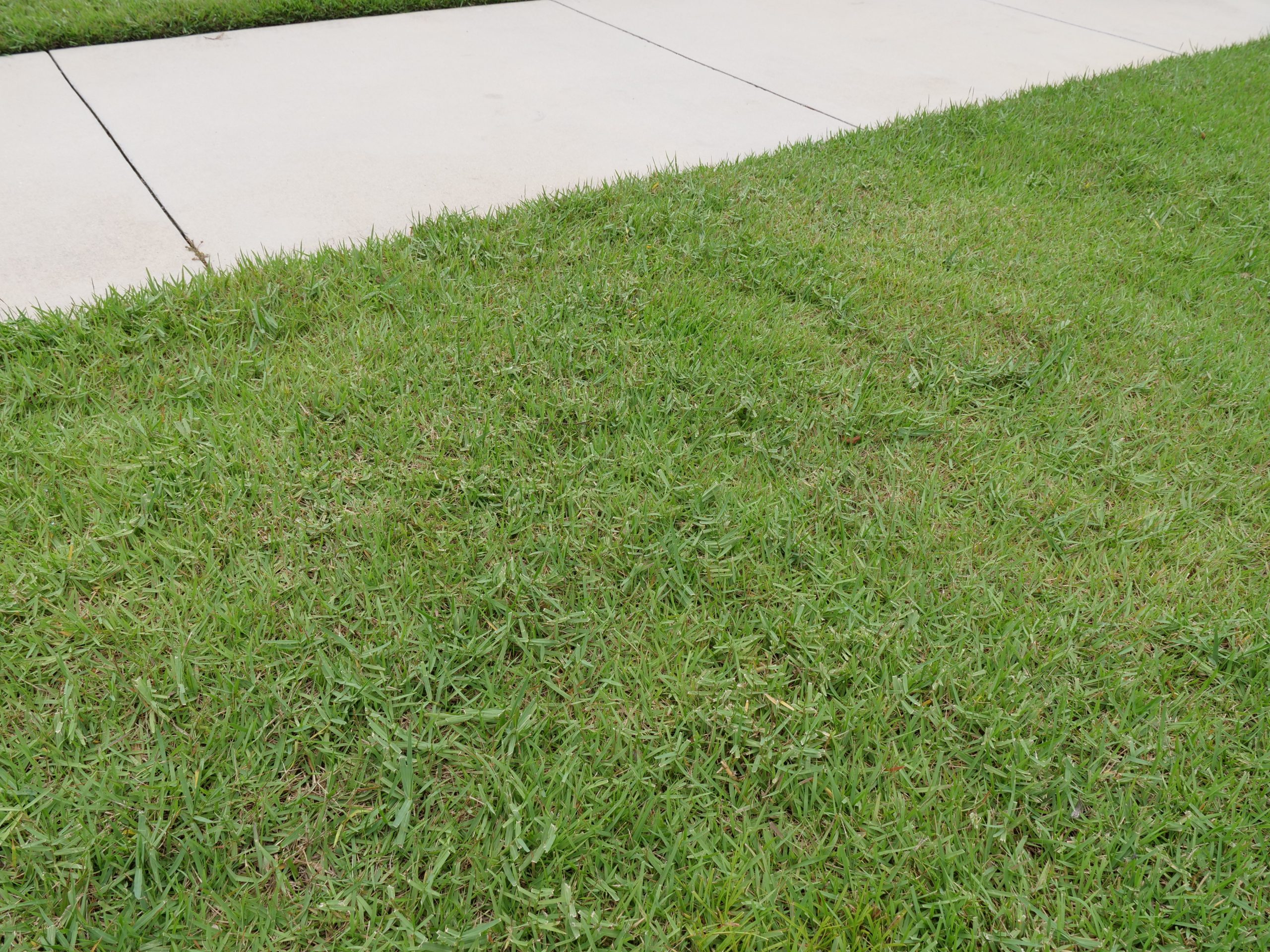
With lawns, the first question is not what to spray. It is what grass you own.
The wrong product can hurt the turf you are trying to protect.
A UF/IFAS Collier County article says St. Augustinegrass and bahiagrass are highly susceptible to damage from herbicides that target torpedograss.
For bermudagrass and zoysiagrass, the same article describes labeled quinclorac or trifloxysulfuron options. That is local Extension guidance for those two turf types, not a blanket recommendation for every Florida lawn.
For heavily infested patches of St. Augustine or bahiagrass, it discusses treating the patch and then re-sodding. The product label controls how long you must wait before laying new sod.
Glyphosate is not a lawn-safe fix either, since it can kill the turf it touches.
If you are unsure what grass you have, your county Extension office can help identify it. That small step can save a lot of sod.
Near Water, Check Timing And Labels
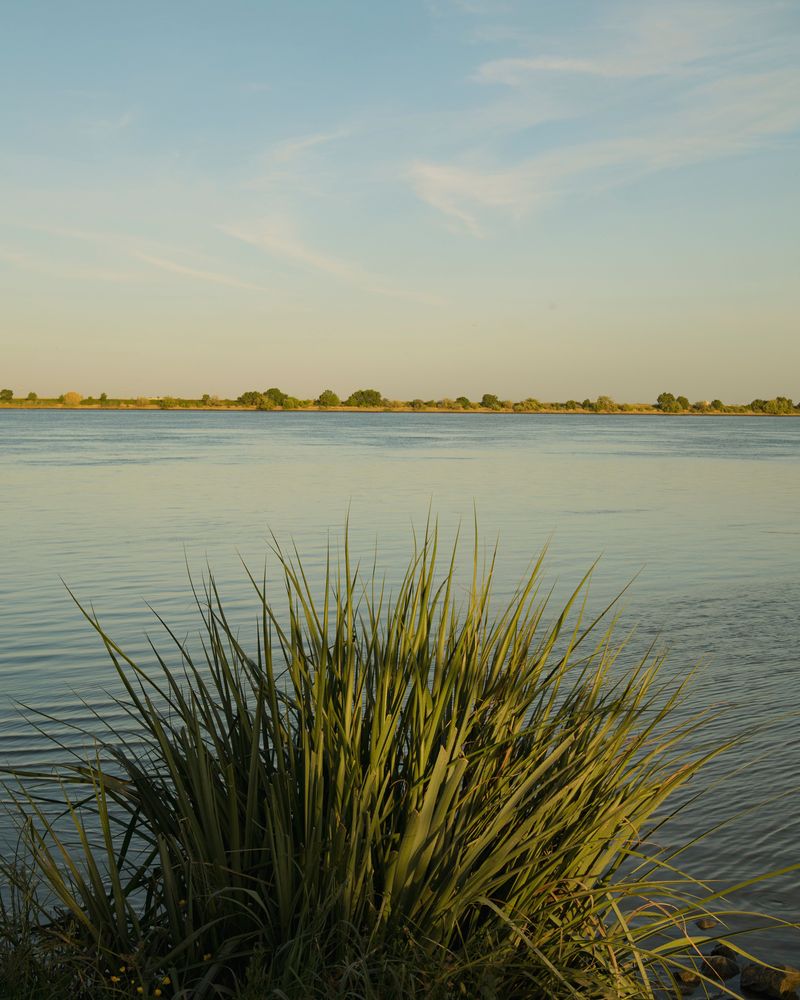
Torpedograss loves a wet edge, and that is where control gets complicated.
The UF/IFAS invasive plant management guide says late spring and summer treatments during active growth can be effective. It cautions against treating dormant or drought-stressed plants, and says standing water can make control harder.
It also notes that glyphosate often works better with two treatments in a year. Still, results vary, and active growth does not guarantee control.
Labels govern use.
Here is a detail that surprises people. The guide says the herbicides it discusses do not have in-water activity.
That means they work on the plant’s leaves, not by being added to the water.
Every water-adjacent site is different. Rules on permitted products depend on the water body and who manages it, so check before you treat anything near a pond, ditch, or canal.
When in doubt, call your local Extension office or the agency that manages the water.
Plan To Check For Regrowth
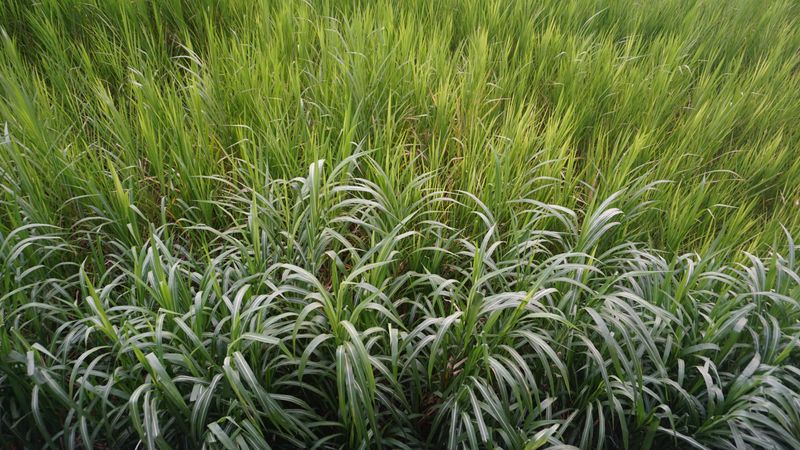
Torpedograss is a management job, not a one-time cure. UF/IFAS calls it difficult to control, and established infestations can be harder to treat.
The U.S. Forest Service review reports that several years of treatment may be needed in some settings.
That is not a timetable for your yard, just a reminder to stay patient.
Walk the area every couple of weeks during the growing season. Catching new shoots early lets you act before they build up.
Also guard against spreading it. UF/IFAS suggests cleaning mowers, boats, and other equipment, and avoiding moving contaminated soil, mulch, or hay.
Mowing is marginal and rhizomes can survive fire, so do not count on either.
So when a shoot pops up nearby, do not assume you know where it came from. Just check it, and keep going.
