
What To Do First When A Copperhead Bites You While Cleaning Up Leaves In Texas
Follow us on Google
Move away from the snake, call 911, stay as still and calm as you can, and get emergency medical care right away. That is the plan if a copperhead bites you while you rake leaves in Texas.
It is simple, and it works best when you know it before you need it. Here is the order to follow, plus the habits that make a surprise encounter less likely.
Move Away and Call for Help
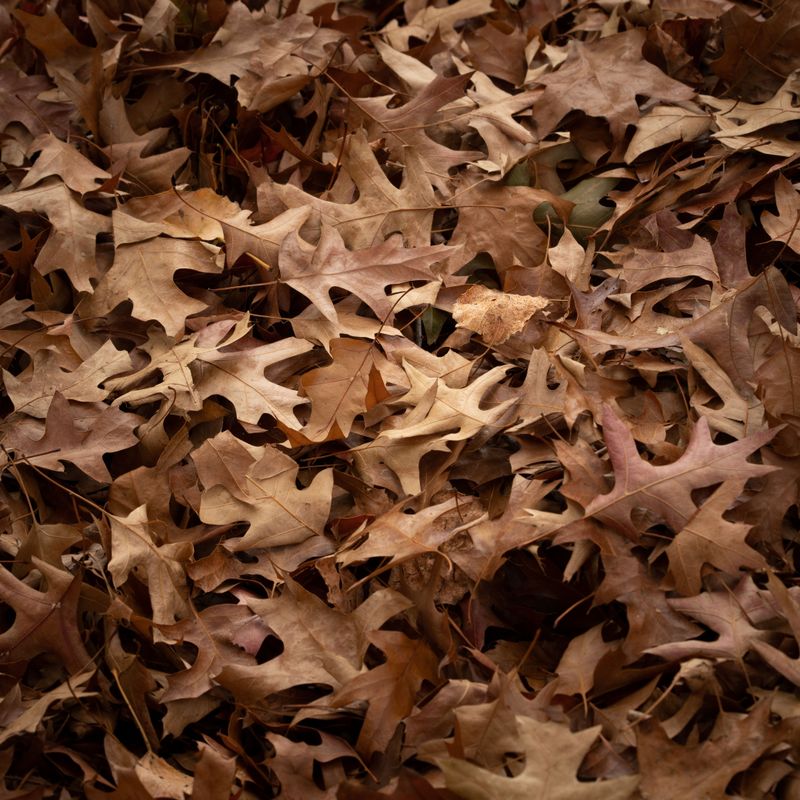
You are bagging leaves under a live oak on a mild fall afternoon when something stings your hand. Your first job is simple.
Step away from the leaf pile, well out of the snake’s reach, and do not go looking for it.
Next, call 911. Texas DSHS guidance tells people to call 911 or the Texas Poison Center Network after a venomous snakebite, and 2024 American Heart Association and American Red Cross first aid guidelines recommend calling emergency services for a venomous or possibly venomous bite.
Do not spend time confirming what kind of snake it was. If you are not sure, treat it as a venomous bite and make the call.
Emergency teams can sort out the details once you are in their care.
The Texas Poison Center Network, reachable at 1-800-222-1222, can give guidance and information about medical centers that carry antivenom. The network’s first aid page says to call for instructions and then go to the nearest hospital.
Think of it as a helpful second call, not a replacement for 911 and not a reason to wait.
If someone is with you, hand them the phone and let them make calls while you sit down. Then keep your attention on staying calm.
The next steps are small, and you can do them while help is on the way.
Stay Still While Help Is Coming
Blunt truth: the more you move, the more work your body does, and that is the opposite of what you want right now. Sit or lie down somewhere safe, away from the leaf pile, and keep your movement to a minimum.
Rest the bitten arm or leg loosely at about heart level. Do not hold it high over your head, and do not let it hang low.
Both Texas DSHS and the 2026 Wilderness Medical Society guideline point to heart level for initial care.
Now think about swelling. Take off rings, watches, bracelets, and tight sleeves before the area puffs up and they become hard to remove.
Do it early, and do it gently.
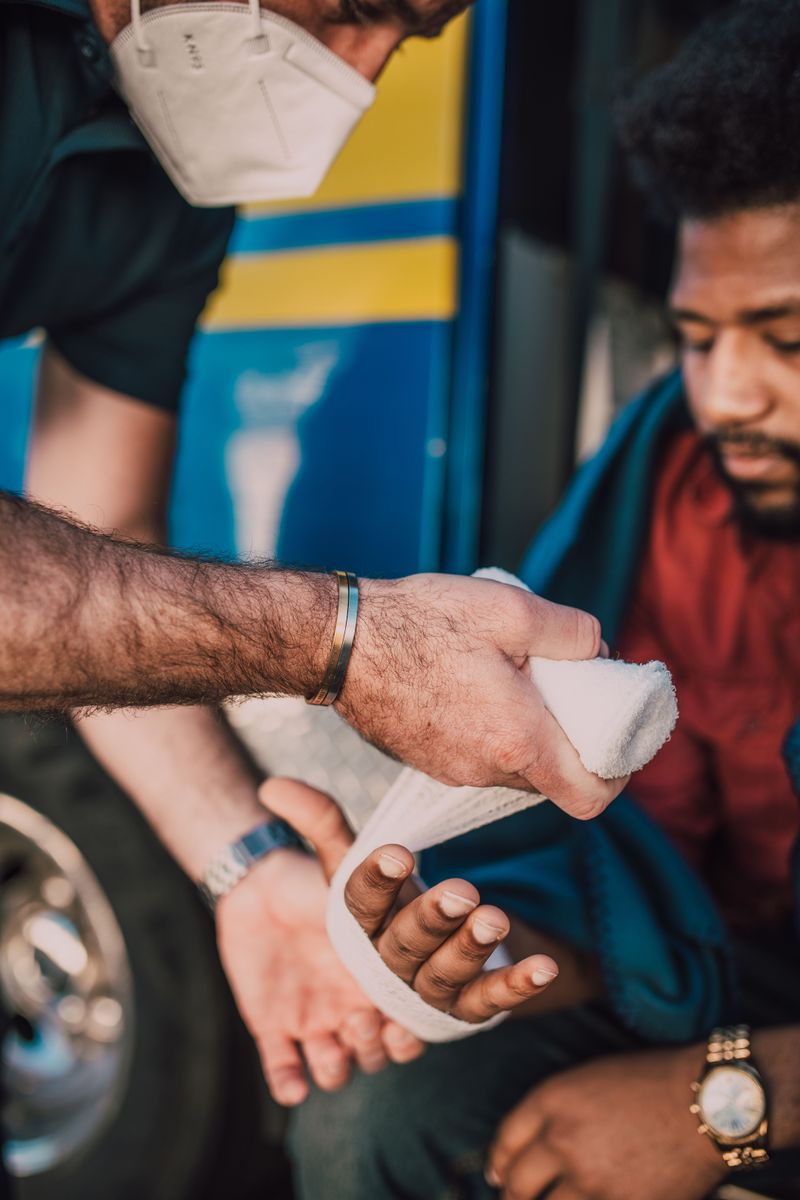
You can loosely immobilize the limb, which means resting it so it does not flop around. A folded towel or a loose sling works fine.
Loose is the key word. This is not a pressure wrap and not a tourniquet, and American Heart Association and Red Cross guidance does not recommend pressure immobilization for North American snakebites.
If making a splint would slow you down, skip it. Help arriving matters more than a tidy setup.
Breathe slowly and wait.
Avoid These Familiar Remedies
Movies and old stories have taught plenty of folks some tough-guy habits. Medical guidance discourages several of them, and the reasons are practical.
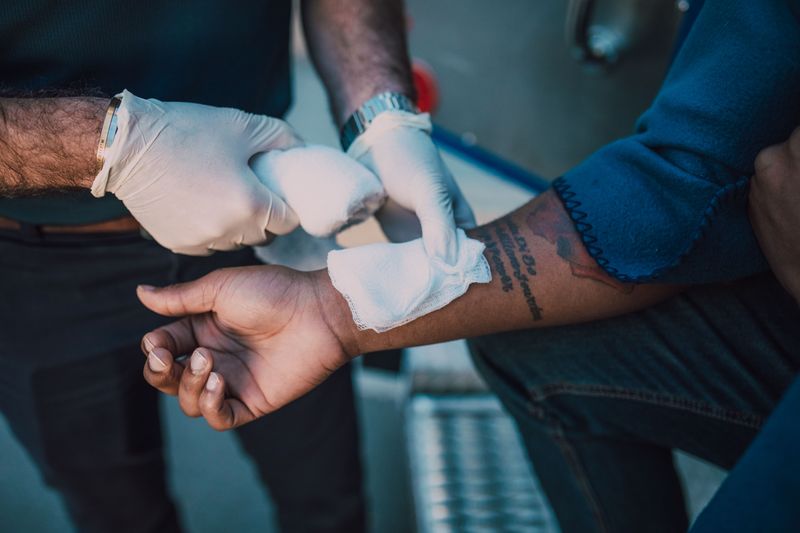
Do not cut the wound. Do not try to suck out venom.
Do not put ice on the bite. Do not use a tourniquet or a tight pressure wrap.
Do not shock the bite with electricity. According to the 2024 American Heart Association and American Red Cross first aid guidelines, these methods do not help, and some can cause harm.
Cutting adds an injury. Suction pulls on tissue without removing venom in any useful way.
Ice and tight wraps can make local damage worse by trapping the effects in one spot.
Also leave the snake alone. Do not try to catch it, kill it, or pick it up.
Even a snake that looks dead can still bite, and a second bite is the last thing you need.
So what is left? The plain plan.
Stay away from the snake, keep the limb loosely resting at heart level, and let emergency crews do the heavy lifting. It may feel too simple, but simple is exactly right here.
Do Not Delay Care for Wound Details
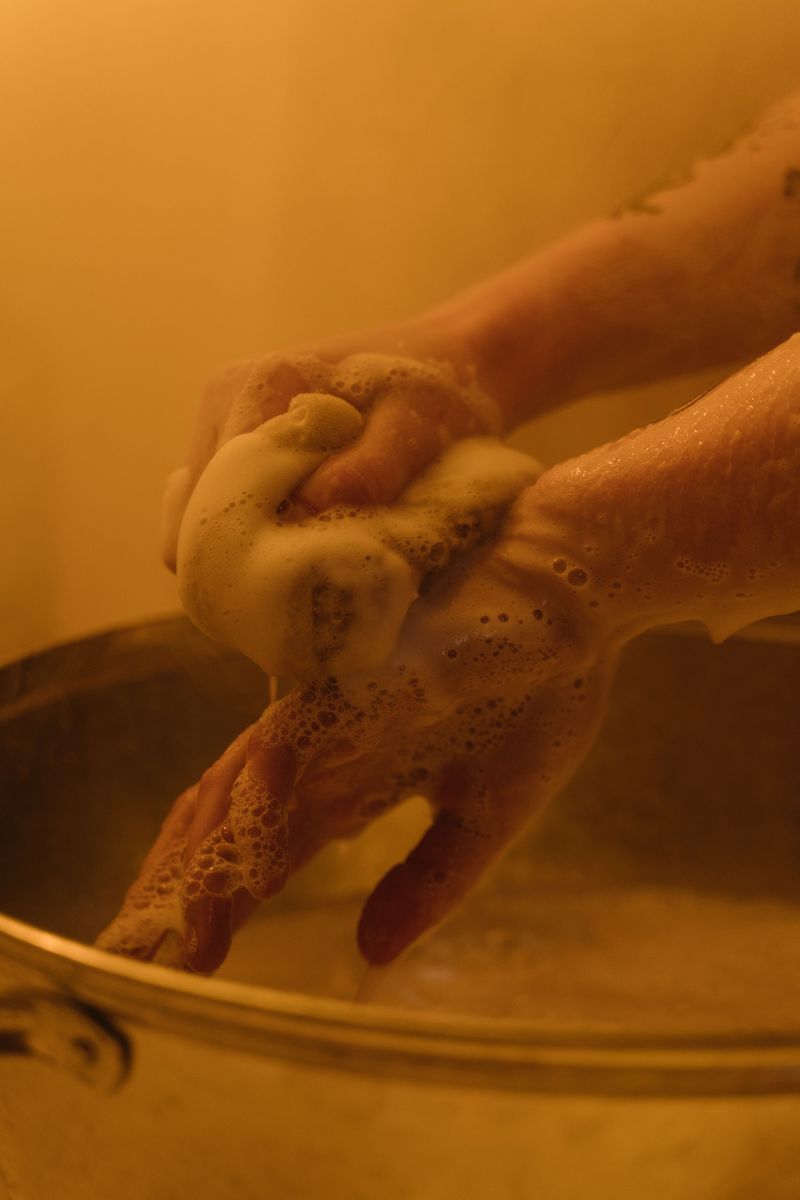
A few extra steps are fine, but only if they are quick and do not slow you down. None of them is a requirement for getting help.
If soap and water are right there, you can gently wash the bite. If a clean dressing or cloth is handy, you can cover it.
Texas DSHS guidance lists these as things to do only if readily available.
A photo can help clinicians, but only from a safe distance. Zoom in with your phone camera.
Never step closer, never nudge the snake, and never pick it up, even if it looks dead.
The same goes for other extras. Calling a poison center for advice or marking the edge of the swelling with a pen can be useful, but neither should hold up emergency care.
American Heart Association and Red Cross guidance stresses reducing exertion without delaying access to care.
Here is a good rule of thumb. If you are already waiting on the ambulance and have a free moment, a rinse or a photo is fine.
If you would have to walk toward the snake or stall your trip to the hospital, skip it. The doctors can work without a picture.
A Mild-Looking Bite Still Needs Care
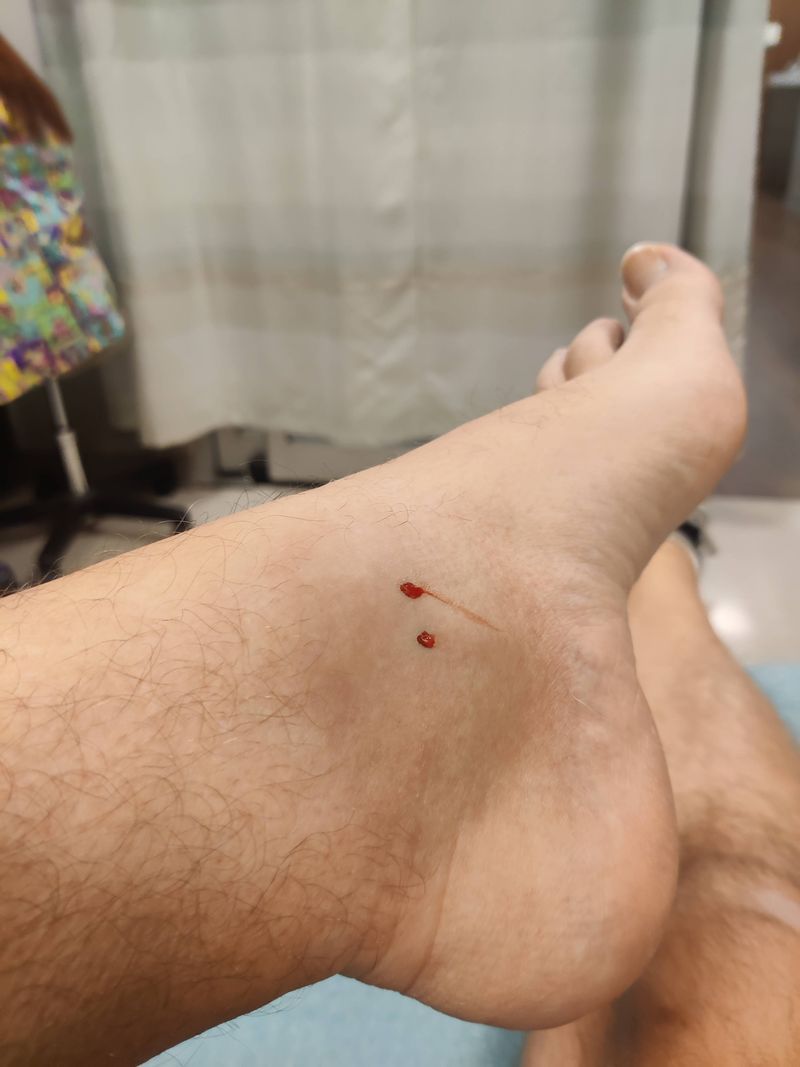
Some bites look underwhelming at first, and that is where people talk themselves into waiting. Please do not.
A calm-looking hand can change over the next few hours.
Copperhead bites can cause pain, swelling, redness, and bruising. Symptoms can evolve over hours, according to Texas DSHS, so how it looks at minute five does not tell the full story.
Fang marks can be tricky too. You might see two clear punctures, one small mark, or something that looks like a scratch.
Unclear marks do not prove the bite was harmless, and mild symptoms are not a reason to sit it out at home.
You may hear that copperhead bites are seldom fatal. That can be true and still miss the point.
Severity varies, and a medical team needs to look at the bite and watch how it develops.
At the hospital, clinicians assess the bite and decide whether antivenom is appropriate. It is a treatment they may consider after that assessment, not something every suspected copperhead bite automatically gets.
Getting checked is how you find out which path you are on.
Take Care Before Reaching Into Leaves
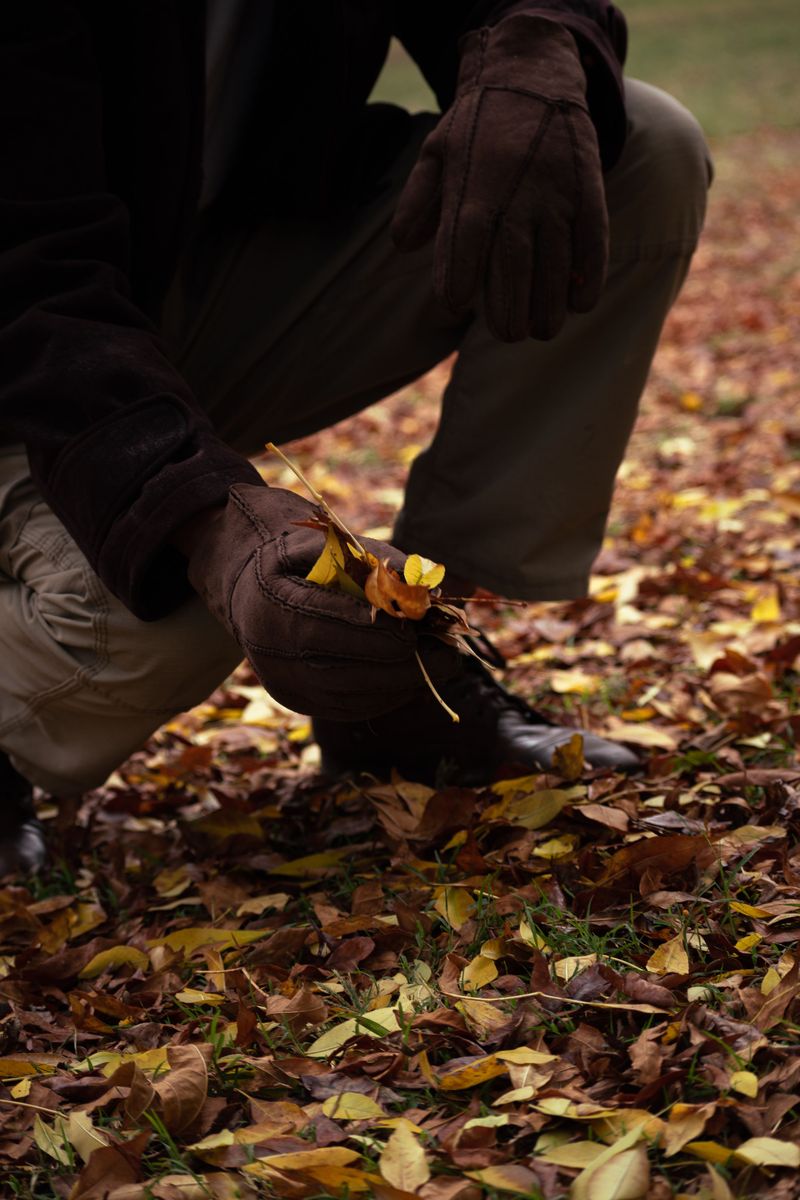
Leaves make a cozy blanket, and that includes for wildlife. Leaf litter, logs, and branches can give snakes places to hide, which makes fall cleanup a plausible spot for a surprise meeting.
That does not mean bites are common during cleanup, and risk is not the same across Texas.
Texas has more than one copperhead subspecies, each with its own range. Texas Parks and Wildlife describes the southern copperhead as occurring in the eastern third of Texas, and notes it can be active by day in early spring and late fall.
The agency’s venomous snake safety page lists the other subspecies and where they live, so check which ones belong near you.
Wherever you are, a few habits help. Do not reach blindly into leaf piles or animal burrows.
Use a rake or long-handled tool to move material first. Look before stepping over or moving logs.
Wear sturdy boots and gloves where snakes may be present, and keep your hands out of spots you cannot see.
None of this erases the risk. It just stacks the odds a little better in your favor, and you now know exactly what to do if the odds do not hold.
