
The Small Change That Gets Next Spring’s Monarchs To Spend The Night In Your Texas Yard
Follow us on Google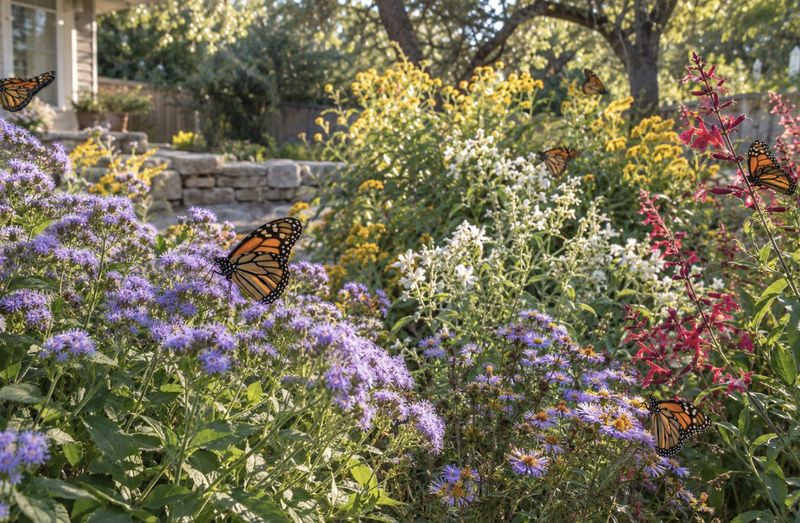
You step outside on a mild March morning in Texas and spot an orange flicker over the fence. A monarch is passing through, and you wonder if it might stay.
No small yard change is known to make spring monarchs roost overnight, so this article skips the promise and shows what genuinely helps. A few smart choices can make your yard a better stop for travelers headed north.
A Yard Can Help Migrants, Not Guarantee a Roost
Let us correct the headline first. No one has found a small yard change that makes spring monarchs spend the night in a Texas yard.
Anyone who promises a sure visit is guessing.
Here is what you can do instead. If you already have trees or shrubs, keep them.
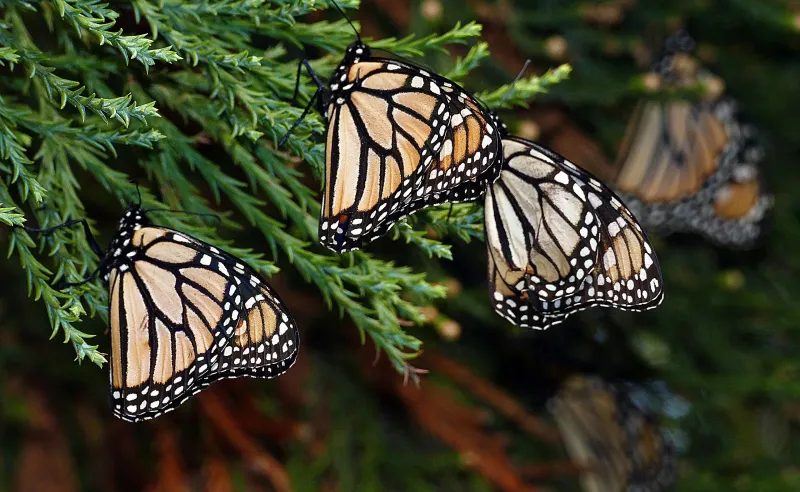
Leafy cover may break the wind, and a sheltered corner is the kind of spot a tired butterfly might use. Flowers nearby give it fuel.
But even that is only a possibility. Journey North explains monarch roosts and lists wind shelter and nearby nectar as things that may matter at a roost site.
It also says that places that look perfect can sit empty. Its detailed descriptions focus on short-term roosts during fall migration, not spring.
So think of your yard as a rest stop, not a hotel. Some monarchs will sip nectar and keep flying.
Others will lay eggs on the right plants and leave the next generation behind. Either way, you have helped.
That is the goal for the rest of this article. We will look at why spring roosts are rare, when monarchs pass through Texas, which plants do real work, and how to keep those plants safe.
No guarantees, just honest, useful steps that a neighbor can actually follow this weekend.
Spring Overnight Clusters Are Unusual
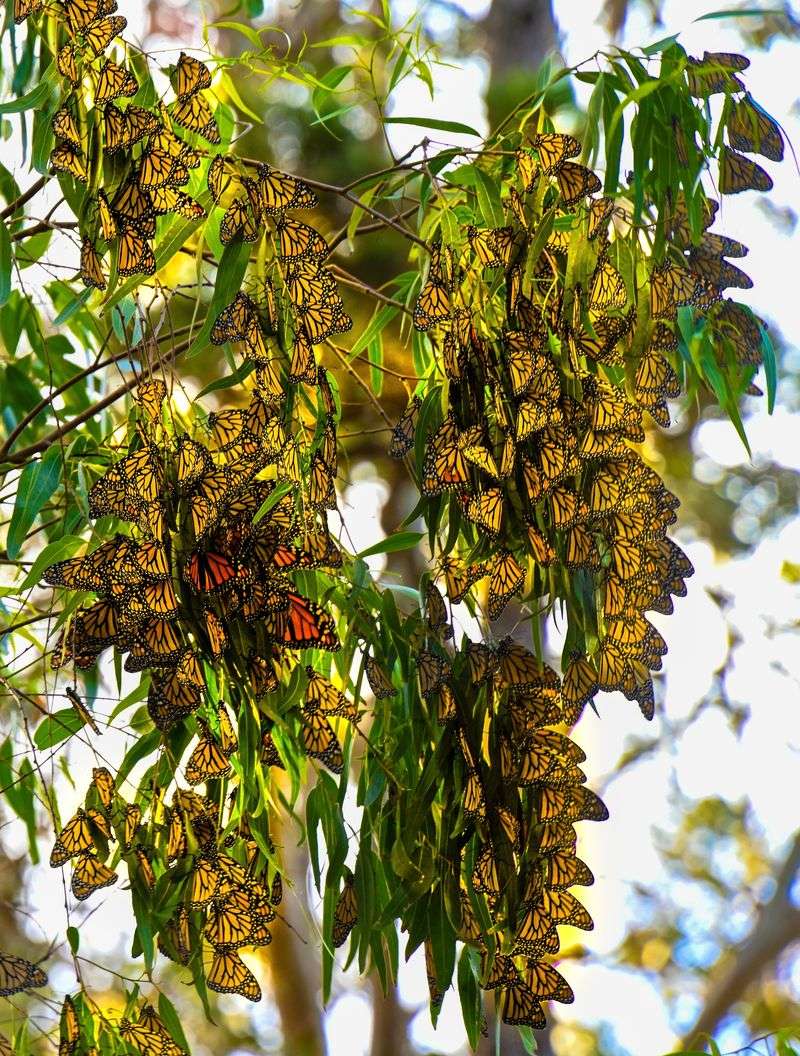
Blunt claim: do not expect a spring roost. Big overnight clusters of monarchs are mostly a fall story, when butterflies pile up along their long trip south.
Spring clusters do happen, but rarely. Monarch Watch described a rare spring roost in Oklahoma that formed after storms.
The writers suggested wind refuge may have played a part. They also said there was little earlier evidence of a spring gathering that large.
That makes it an exception. It is a fun story to tell at the fence, but it is not a recipe a Texas gardener can repeat.
Storms, timing, and luck all lined up.
Then there is the fall research. A USGS summary of a study on fall roosts east of the Appalachians found that water nearby, elevation, and plant cover were important landscape factors.
That work looked at the Atlantic flyway in autumn, not Texas yards in spring.
So neither source gives you a dependable spring method. If a cluster ever lands in your live oak, enjoy it.
Just do not plan your weekend around it.
When Monarchs Typically Move Through Texas
Picture a slow wave rolling north. Monarchs that spent winter in Mexico do not all cross Texas on the same day, and they certainly do not follow a calendar.
Texas Parks and Wildlife says overwintered monarchs begin arriving from Mexico in early March. They lay eggs on milkweed as they move through the state, and their offspring keep the northward push going.
A Texas A&M AgriLife and Texas A&M Transportation Institute report paints a wider picture. Adults may reach southern Texas as early as February.
They are typically sighted from Houston to Dallas by mid-March and usually pass through North Texas by mid-April.
These two sources are not fighting each other. One gives a general arrival point, the other a longer stretch across the state.
Treat all of it as a typical pattern, not a forecast for your street. A cold snap or strong south wind can shift things.
The practical lesson is simple: have your plants ready by late winter, so they are waiting when the first travelers show up.
Milkweed And Flowers Serve Different Needs
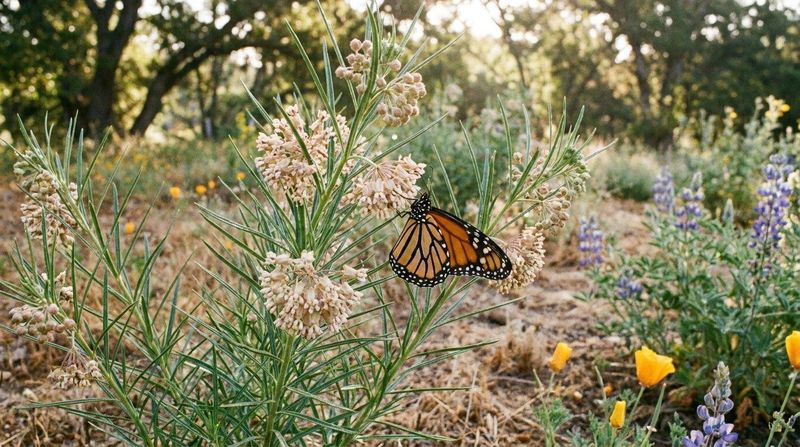
Here is the part people mix up. Milkweed and flowers do two different jobs, and a good yard needs both.
Milkweed is the nursery. Female monarchs lay eggs on it, and the caterpillars eat its leaves as their host plant.
Without it, there is no next generation.
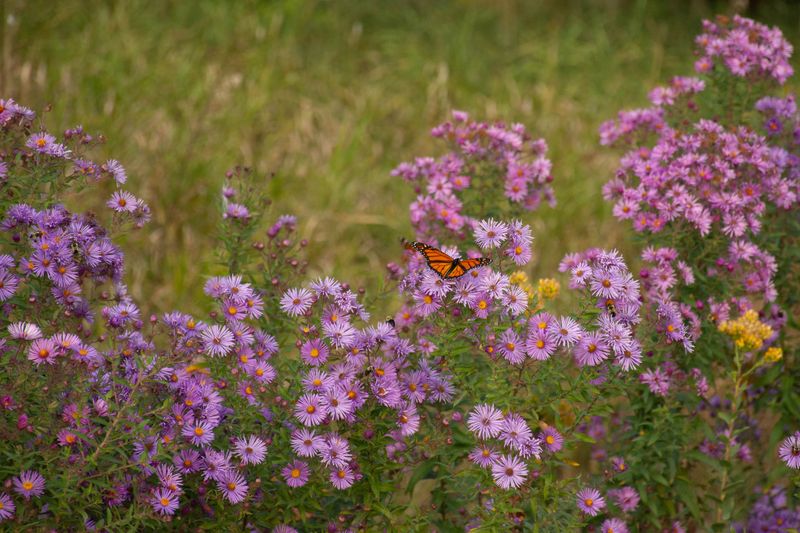
Flowers are the snack bar. Adult monarchs take nectar from many kinds of blooms to power their flight.
Texas Parks and Wildlife recommends native milkweed and flowering plants for exactly this reason.
Notice what is missing. Neither plant group is a proven trigger for overnight roosting.
Milkweed does not make monarchs sleep over, and flowers do not either. They feed and raise monarchs, which is real, measurable help.
So when you plan a bed, think in two layers. One layer is host plants for eggs and caterpillars.
The other is nectar for adults. Put them near each other and you have a stop that a passing monarch can genuinely use, whether it stays for ten minutes or lays eggs and moves on.
Choose Plants For Your Part Of Texas

Texas is too big for one planting list. What thrives in a South Texas yard may struggle in the Panhandle, so match your milkweed to your region.
The Lady Bird Johnson Wildflower Center lists plants for the Texas migration corridor. For milkweed, it names antelope-horns (Asclepias asperula), zizotes (Asclepias oenotheroides), and green milkweed (Asclepias viridis).
Check which one suits your soil and area before you buy.
For spring nectar, the same guide names prairie verbena, purple coneflower, black-eyed Susan, Texas lantana, and mealy blue sage. Mixing several gives monarchs options as the season rolls on.
A local native plant nursery can tell you which milkweed does well near you. Ask them, and ask about your soil too, since blackland clay, sandy East Texas ground, and shallow limestone all behave differently.
One honest note. The sources here do not give exact spacing or watering amounts, so follow the tag on the plant and your local extension office rather than a number from a stranger.
Start small, learn what your yard likes, and add more next year.
Protect The Habitat You Provide
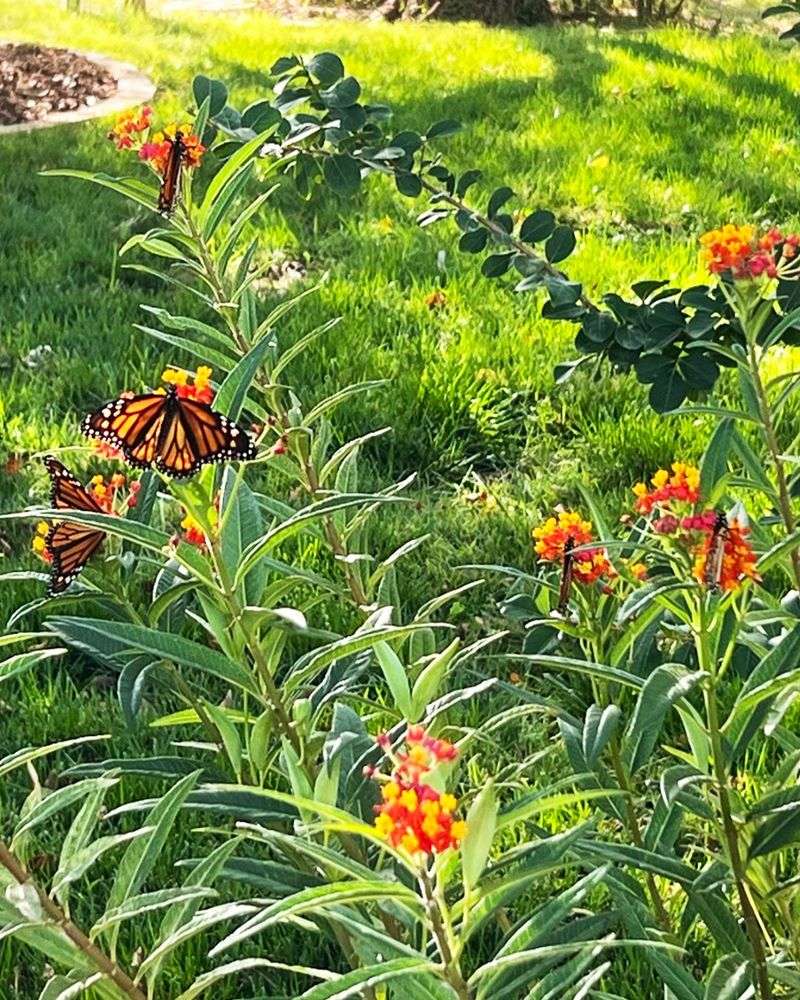
You can plant the perfect bed and still lose the caterpillars to one careless spray. Pesticides are the quiet villain here.
Monarch Joint Venture advises against pesticides, especially systemic insecticides, on milkweed and nectar plants. They can hurt caterpillar growth and survival and can affect adult butterflies too.
If you must treat a pest, keep products away from these plants.
Now a word on tropical milkweed. Monarch Joint Venture recommends cutting it back to about six inches during fall and winter in much of the southern U.S.
It also encourages native milkweeds. That is the whole advice, so there is no need to fear it beyond that.
Keep your expectations calm. Some springs you will see eggs, some you will see a few sippers, and some you will see nothing at all.
All of it is normal.
A yard that is safe, flowering, and full of the right host plants is doing real work. The monarchs may not stay the night, but they will remember the fuel.
