
Texas Sage Planted Now Roots Faster Than Anything You Put In Next Summer
Follow us on Google
You step outside on a crisp fall morning and the patio finally feels bearable. That is your cue, because Texas sage planted now gets a better start than one planted right before the summer heat.
Cooler air eases stress on a new shrub while the soil can still stay warm enough to help roots settle in. Here is how to use that window across Texas without falling for any fairy tales.
Start With The Right Texas Sage
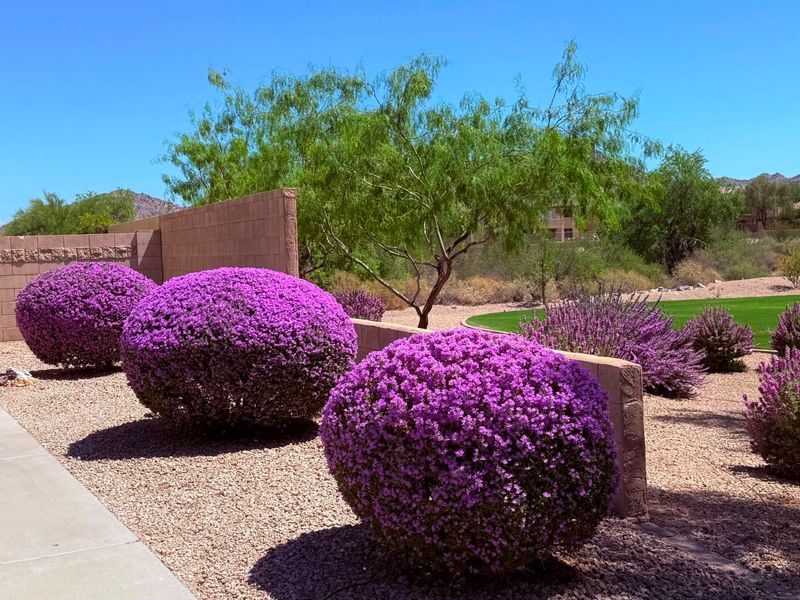
Fall often gives a container-grown Texas sage a calmer start than a planting made just before the Texas summer. Cool mornings mean less stress on the leaves, and the ground has not yet gone cold.
That is the whole advantage, and it is a real one.
First, make sure you are buying the right shrub. The one we mean here is Leucophyllum frutescens, the silvery gray evergreen shrub many folks call cenizo.
Other plants get sold as Texas sage, and some are different species, so check the botanical name on the tag.
This plant likes the conditions it finds in dry, bright country. Texas A&M AgriLife material calls fall prime planting time for shrubs and describes Texas sage as adapted to full sun and well-drained soil.
Texas Tech plant resources list the same needs, plus drought tolerance once the shrub is settled.
Now a plain word about the headline. Nobody has measured Texas sage roots against every other plant you could set out next summer.
What fall offers is a gentler set of conditions for getting established, and that is a good reason to plant.
Think of the plant as a quiet hero waiting for the right stage. Fall hands it a softer one, and the next section explains why roots like it.
Roots Can Grow While Top Growth Slows
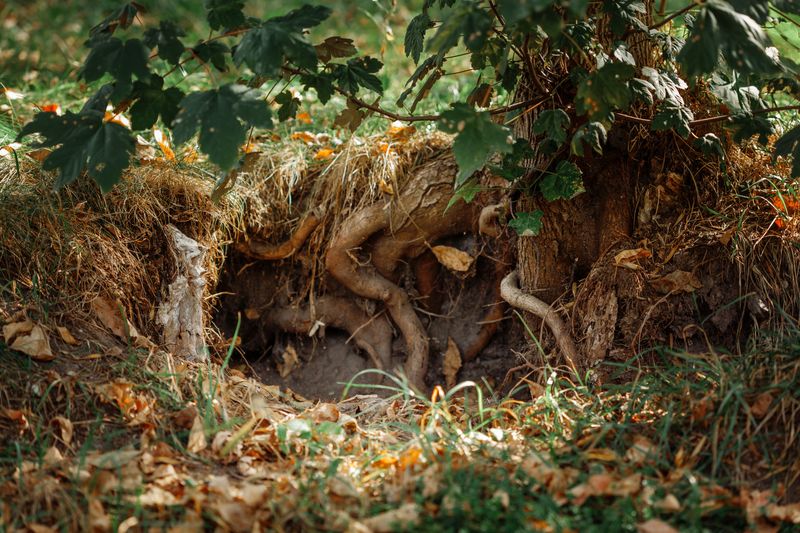
Here is the surprise behind the headline. When the air cools, a woody plant often slows the leafy growth you can see.
Underground, roots may keep growing for a while.
That pattern comes from general woody-plant behavior, not from research on Texas sage. University of Illinois Extension explains it for trees and shrubs, noting that hot, dry conditions make establishment harder.
So treat it as helpful context, not a promise about your particular shrub.
Picture the plant putting its energy underground instead of into new leaves. Cooler air means the leaves lose less water, so the young roots have less to keep up with.
In summer, a small root system has to feed a plant that is losing moisture fast.
The catch is that roots still need the right soil. Soil temperature and moisture matter, and cold weather can slow growth down.
Dry soil in a dry fall still needs your attention, and a hard cold snap can stall things.
So the pattern is a possible advantage, not a guarantee of winter growth. Plant when the weather is mild and the soil is workable, and you give the roots a fair shot.
A Heat-Tolerant Shrub Still Needs A Careful Start
Blunt claim time. A heat survivor is not a heat survivor on day one.
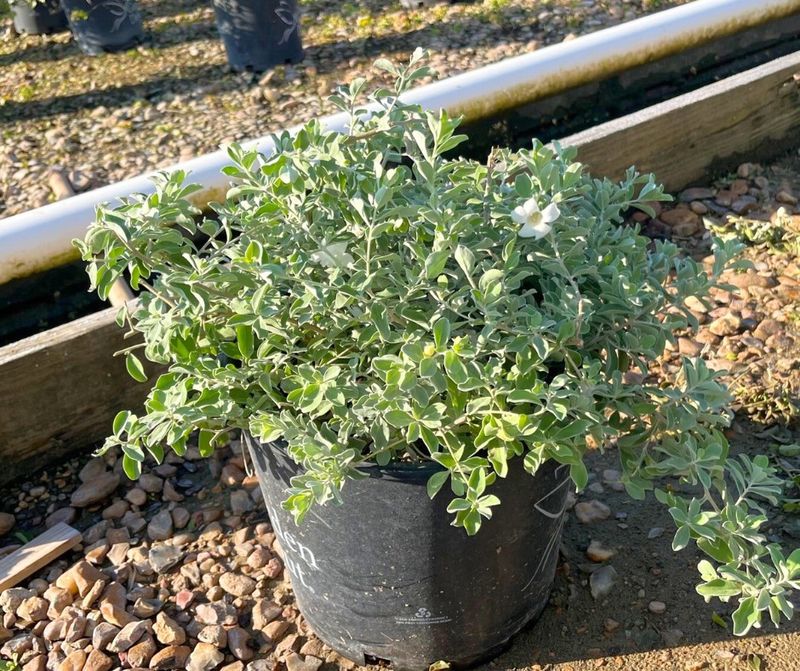
Texas sage handles heat and drought well once it is established, but a fresh root ball is a different story.
A new transplant has only the roots it came with in the pot. Those roots sit in a small clump of soil that can dry out quickly in a hot spell.
Texas Tech lists drought tolerance for the established plant, which is not the same as no water at planting time.
Fall can also be dry. Texas A&M Forest Service guidance ties planting success to adequate soil moisture, so a dry autumn is a reason to pay attention, not to skip care.
This is why a fall start can help. Cooler air lowers the stress on the plant while it learns to live in your soil.
That does not mean a summer planting always fails, only that it asks more of you and of the plant.
Here is the kicker. The shrub is tough, but it earns that toughness over time.
Your job is simply to get it through the first stretch, and the watering steps come in a later section.
Let Local Conditions Set The Planting Day
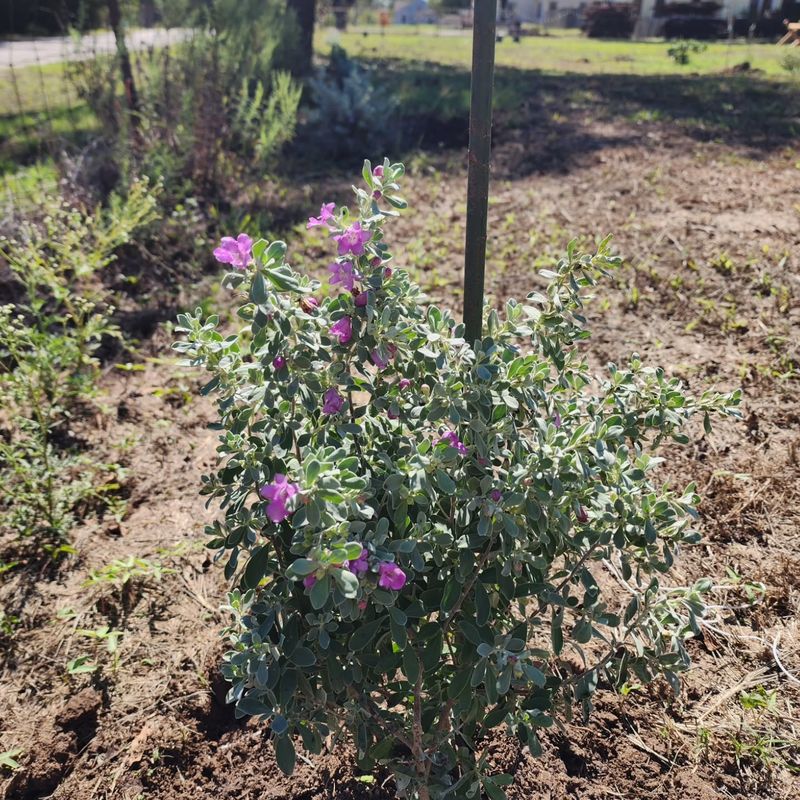
Texas is not one climate. A Panhandle gardener may feel the first frost long before a Gulf Coast neighbor, and South Texas can stay warm well into the season.
So there is no single date that works for everyone.
Let your own yard tell you. Look at the temperatures this week, check the forecast, and push a finger into the soil.
If the air has cooled and the soil is moist enough to work, your site may be ready.
Fall can be a useful planting period, and Texas A&M AgriLife notes that shrubs can even be planted in winter in some places. That is a wider window, but it does not promise success in every region or every weather pattern.
You may come across a mid-October through November window. That comes from Texas A&M Forest Service advice for forest seedlings, not for ornamental Texas sage.
Use it as a loose clue about fall conditions, not as a calendar.
Late November is not a deadline either. If a hard freeze is in the forecast, many gardeners wait a bit.
If the ground is bone dry, they water first. The plant will wait for you.
Choose Full Sun And Fast-Draining Soil
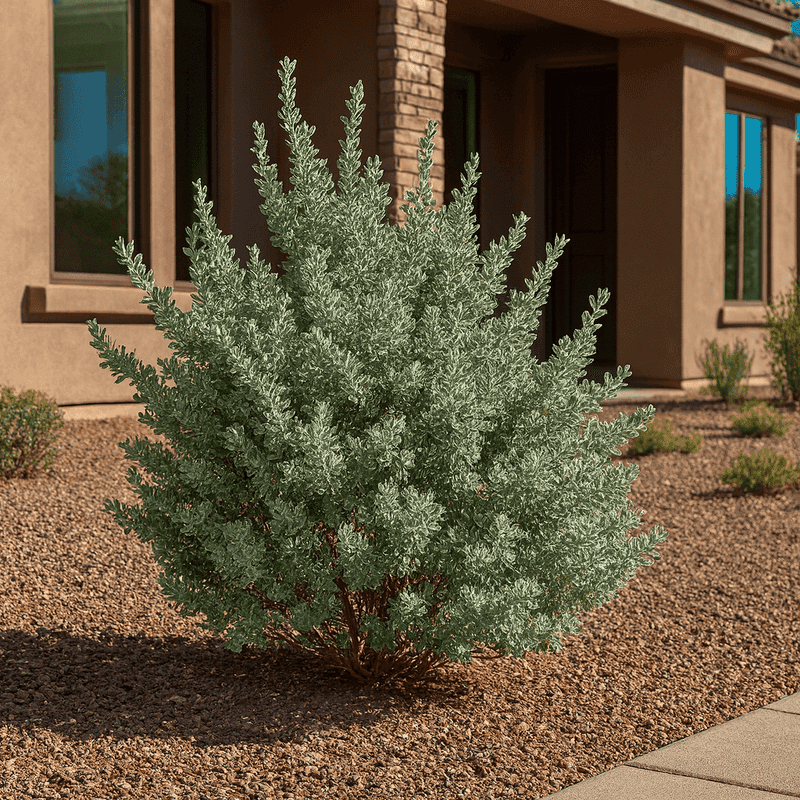
Before you dig, spend ten minutes choosing the spot. Texas sage wants all the sun you can give it.
Pick a place that gets full sun most of the day.
Drainage matters just as much. The Hood County AgriLife fact sheet says the shrub grows best in very well-drained alkaline soil and does not do well in acidic or boggy conditions.
That is good news in the Hill Country and West Texas with their shallow alkaline soils, and a warning for acidic East Texas sand and low spots that hold water.
A simple test helps. Dig a hole, fill it with water, and watch.
If the water is still standing hours later, pick another spot or build up a mound or raised bed.
Then think about size. Texas Tech lists 3 to 5 feet in height and spread for its plant entry.
Meanwhile the Wildflower Center notes plants can occasionally reach 10 feet.
So read the tag for your cultivar and leave room for its mature size. Cold tolerance varies too, with Texas Tech listing zones 7 to 9, so check what your plant material can handle.
Use The Root Ball To Guide Watering
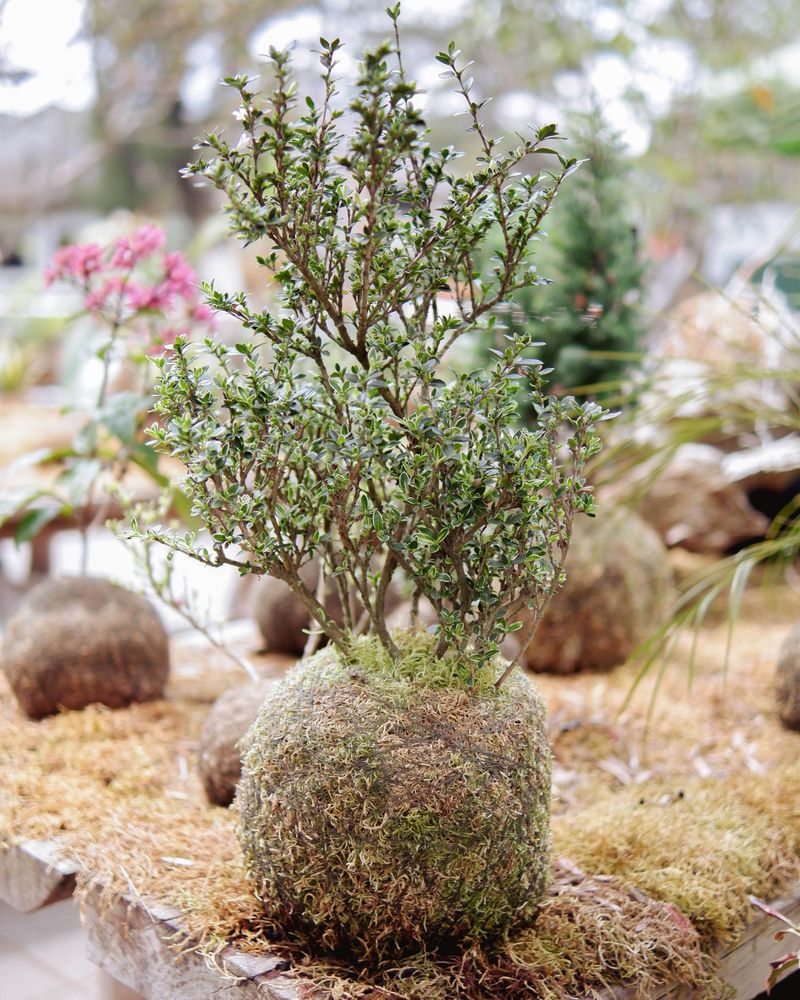
Planting day is simple when you take it step by step. Water the plant thoroughly at planting, and then let the root ball tell you what comes next.
A rigid schedule can go wrong fast.
The reason is soil. Clay may stay wet longer than sandy soil, according to Texas A&M AgriLife’s November 2026 horticulture newsletter.
So blackland clay in Central Texas may need water less often than sandy ground near the Gulf Coast.
Check by feeling the root ball and the soil just around it. If both are dry a few inches down, give it a good soak.
If they are damp, wait.
For the hole, Texas A&M tree-planting guidance suggests a hole about twice as wide as the root ball and no deeper than it. That is general tree advice, not a Texas sage trial, but it makes sense for most woody plants.
Backfill with the native soil you dug out.
Finish with 2 to 3 inches of mulch, kept several inches away from the plant. That is also general woody-plant advice.
Keep mulch off the stem and the plant stays happy.
Extra Fertilizer And Water Can Backfire
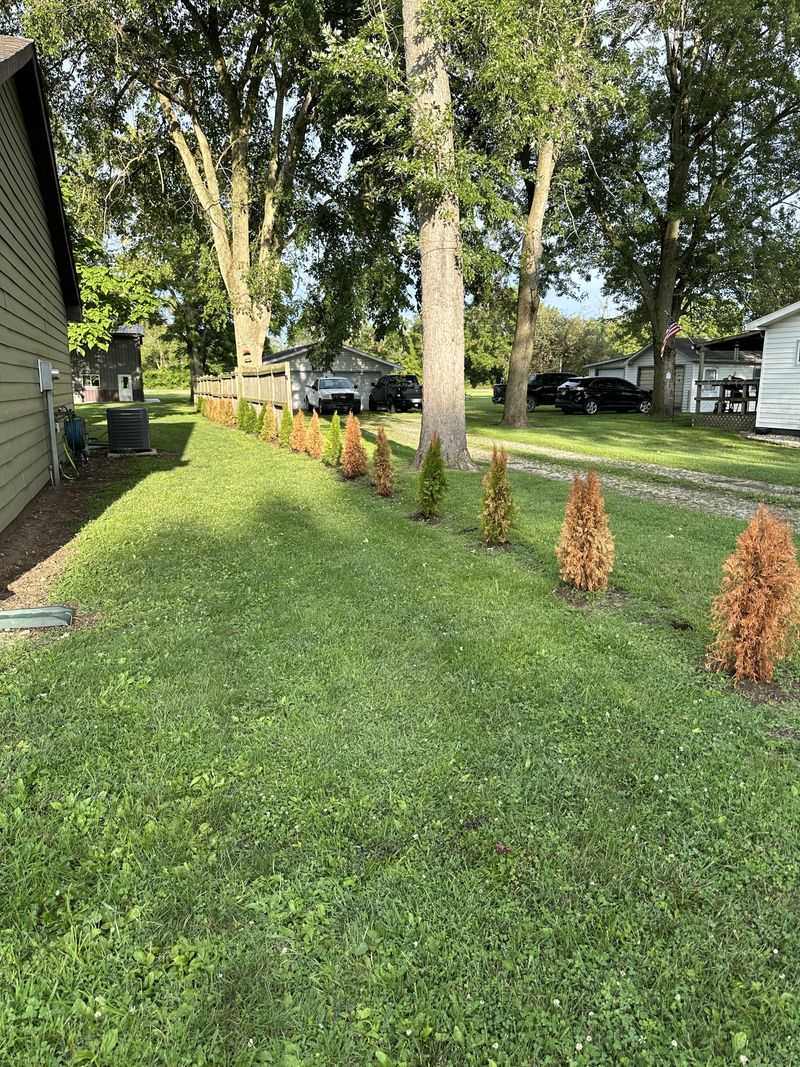
When a new plant sits there looking quiet, it is tempting to help. More water, a scoop of fertilizer, maybe a rich handful of compost.
For this shrub, that kindness can hurt.
Texas Tech says the plant does not tolerate wet feet or overfertilization. Wet feet means roots sitting in soggy soil for long stretches, which robs them of air.
The Woodlands Township adds a local warning in its Texas purple sage guide. Poor drainage and excess water can lead to root rot, and the township suggests raised beds in its high-rainfall area.
East Texas and the Gulf Coast gardeners can take that one to heart.
Skip the fertilizer and skip the compost-rich hole as a way to speed things along. Native soil and patience do the job better.
Forcing growth with extra inputs tends to make a soft plant that struggles later.
Instead, keep an eye on moisture while the shrub establishes. Water when the root ball and nearby soil feel dry, and hold off when they do not.
Then step back and let a tough plant become one.
