
15 Self-Seeding Flowers You Plant One Time And Never Buy Seed For Again
Follow us on Google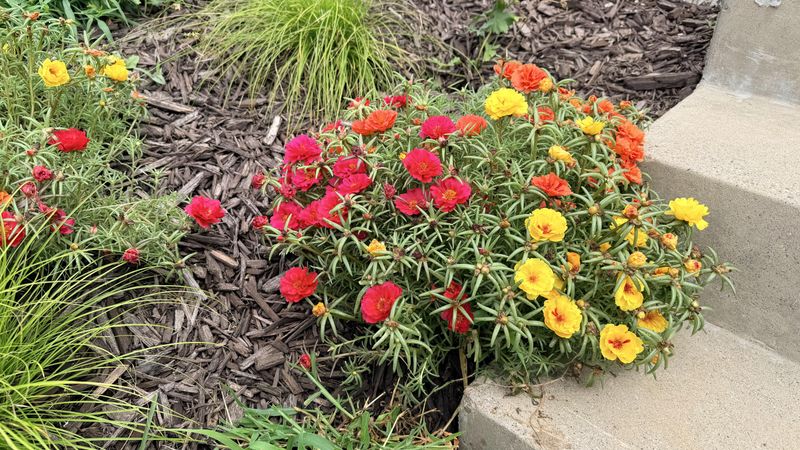
It’s a cool April morning, and the soil by your back steps smells damp and sweet. Then you spot it, a row of tiny green seedlings you never planted.
Last summer’s flowers dropped their seeds, and now they’re back for free. The 15 flowers below do that same quiet trick, and you’ll learn exactly how to keep each one returning without letting it take over your yard.
1. California Poppy
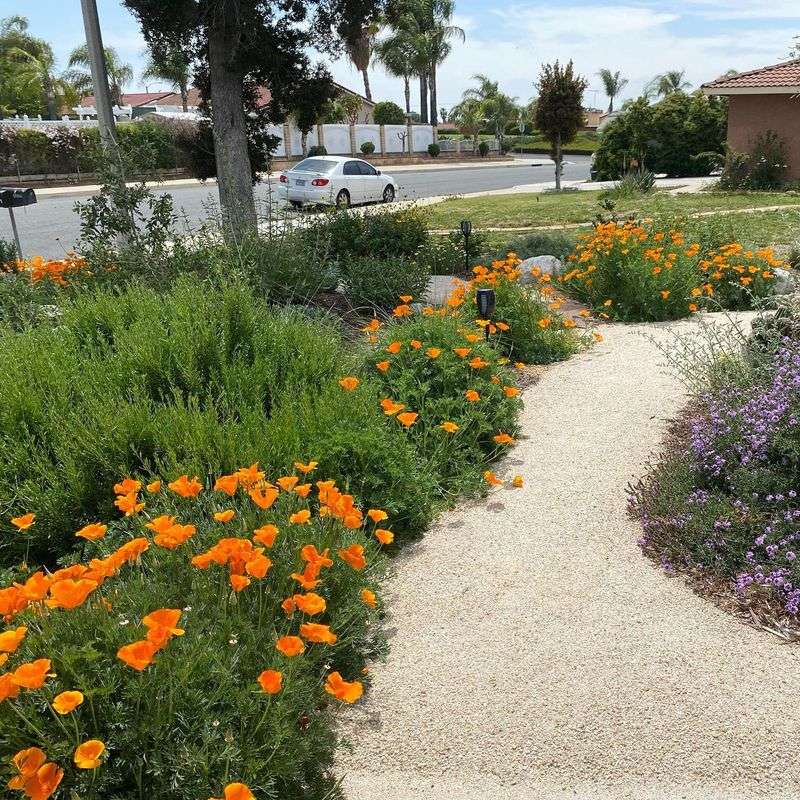
Lean, dry soil scares off most flowers. California poppy (Eschscholzia californica) treats it like a welcome mat, and that toughness is why it comes back so reliably.
After the petals drop, slim seed pods dry and split with a snap, flinging seeds several feet. Think of each pod as a tiny catapult working for free.
Give plants at least 6 hours of sun and skip the fertilizer.
Overwatering is the real enemy here. In rainy, heavy clay yards in the Southeast, seedlings may rot, so a gravel strip or raised edge works better.
Plants stay 1 to 2 feet tall and tuck neatly along walkways.
2. Calendula
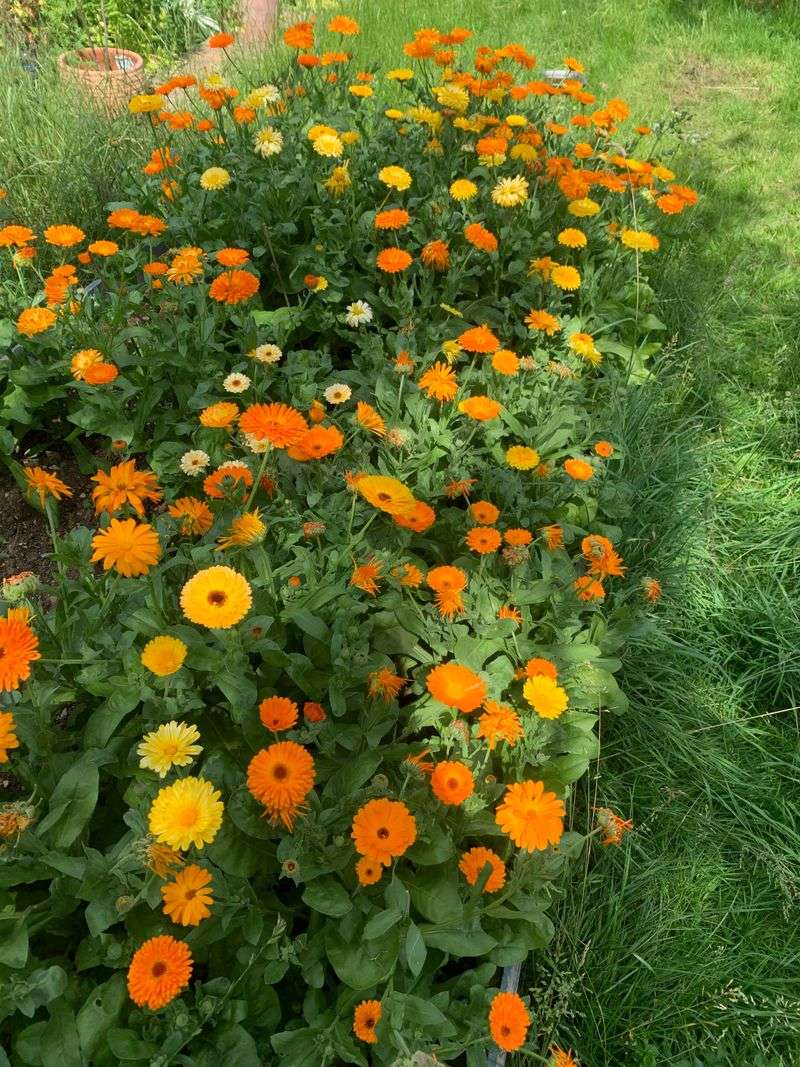
Many gardeners deadhead calendula (Calendula officinalis) out of habit. That tidy habit is exactly what stops it from returning.
Leave a handful of late-season flowers alone. Their seeds curl like little crescents or tiny squid, so you will recognize them easily.
Seeds sprout in 7 to 14 days when soil sits near 68 to 72 degrees F.
Calendula also earns its spot in the food garden, since its blooms draw hoverflies that feed on aphids. In hot Southern summers it may sulk by July, then bounce back as fall cools.
Thin volunteers to about 20 inches apart so air can move.
3. Cosmos
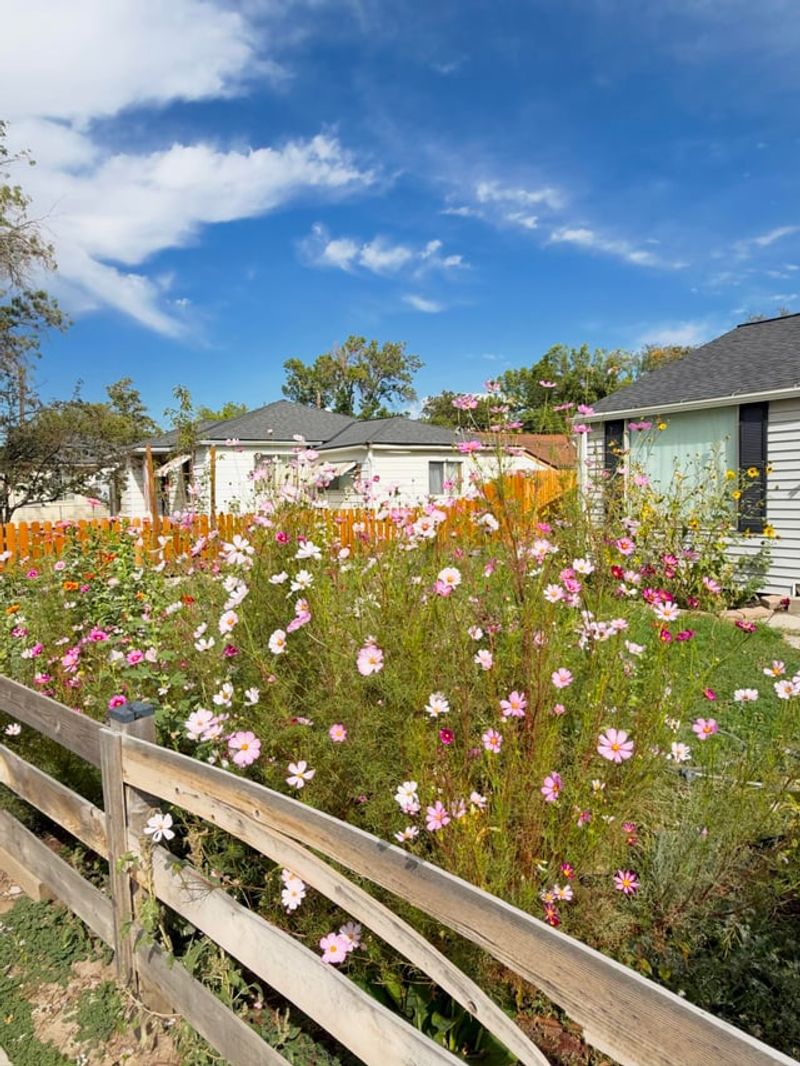
Rich soil feels like a gift. For cosmos (Cosmos bipinnatus), it actually backfires, producing floppy leaves and fewer flowers.
Plant it in average or even poor ground in full sun. By late summer, plants reach 1 to 4 feet and fill your border with pollinators.
At season’s end, leave the brown seed heads standing so they can shed.
Seedlings show up the next spring once soil warms, often weeks after frost in Northern states. Pull extras when they are 3 inches tall.
They come out easily, like loose teeth.
4. Purple Coneflower
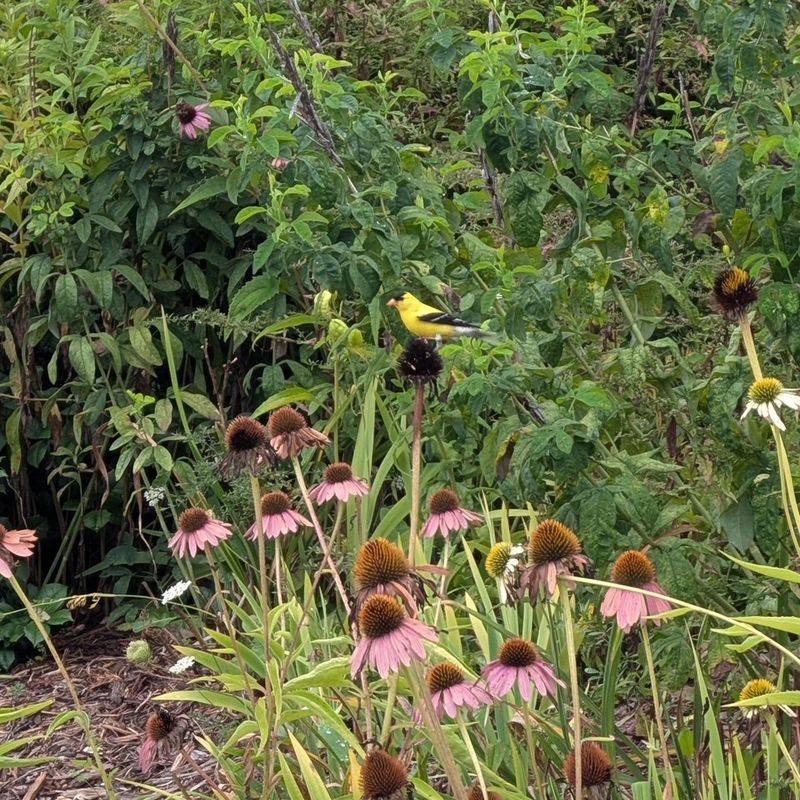
Picture a goldfinch hanging upside down on a dry cone in September. That small scene tells you purple coneflower (Echinacea purpurea) is working twice, feeding birds and reseeding beds.
It is native to the central and eastern United States, and it is hardy in USDA Zones 3 to 9. Plants grow 2 to 4 feet tall and handle clay better than most.
Patience matters. The University of Wisconsin-Madison Extension notes seedlings often need 2 years to bloom.
Leave some cones over winter, and deadhead the rest if you want less spread.
5. Tall Verbena
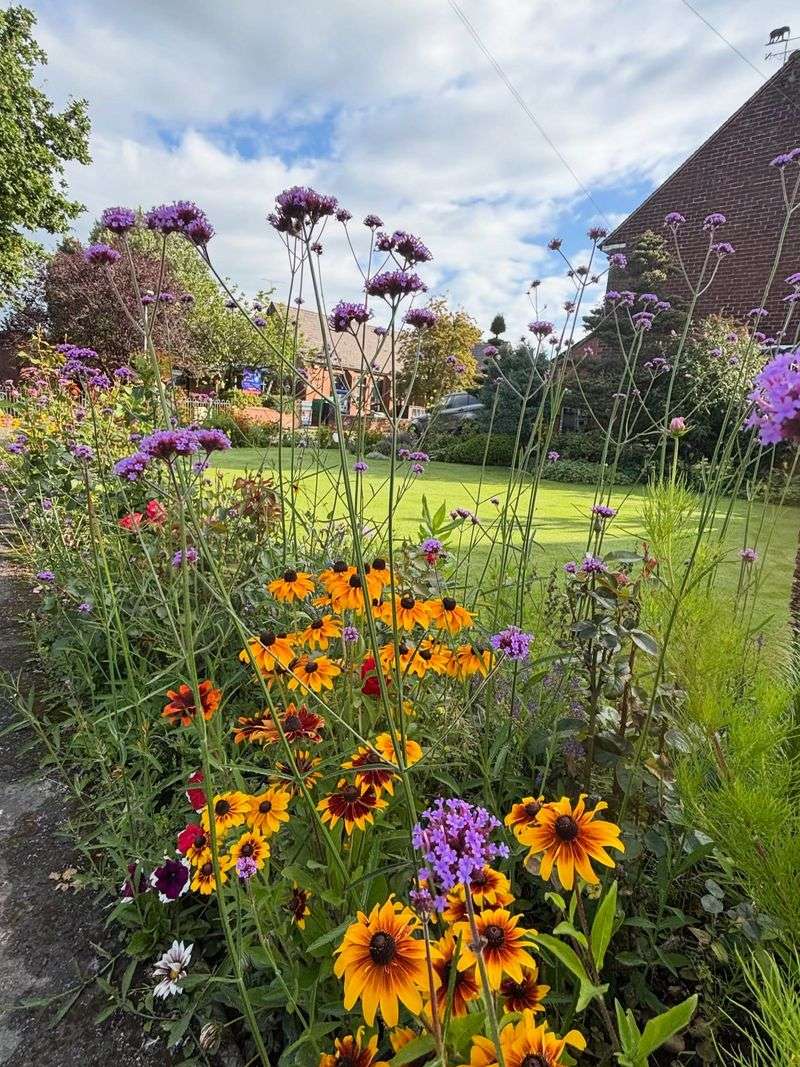
Some flowers feel like they are hovering. Tall verbena (Verbena bonariensis) holds small purple clusters on wiry stems 2 to 5 feet tall, so it weaves through a bed without hiding anything.
It survives winters only in Zones 7 to 11, yet it reseeds farther north. Leave stems standing until spring, since hollow stalks shelter overwintering insects.
One caution. In parts of the Southeast and California, it can spread into wild areas, so check your state’s invasive list.
Thin seedlings to 12 to 18 inches apart.
6. Love-In-A-Mist
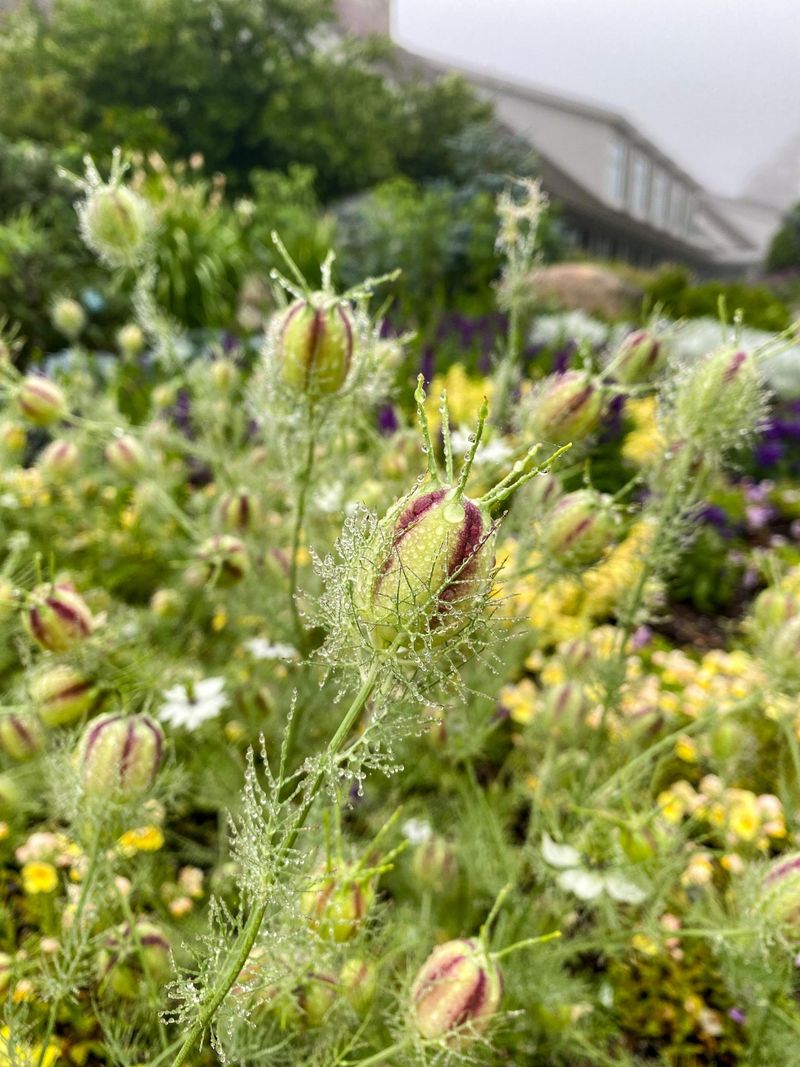
Here is a flower that hates being moved. Love-in-a-mist (Nigella damascena) grows a long taproot, so transplants usually fail.
The answer is to let it sow itself. Its striped, balloon-like seed pods look like tiny lanterns and dry well for bouquets.
Leave some to split open in place.
Seeds need light and a cold spell, so fall sowing in cooler regions works well. Barely press seed into the soil, 6 to 8 inches apart.
It blooms in cool weather and fades in heat.
7. Moss Rose
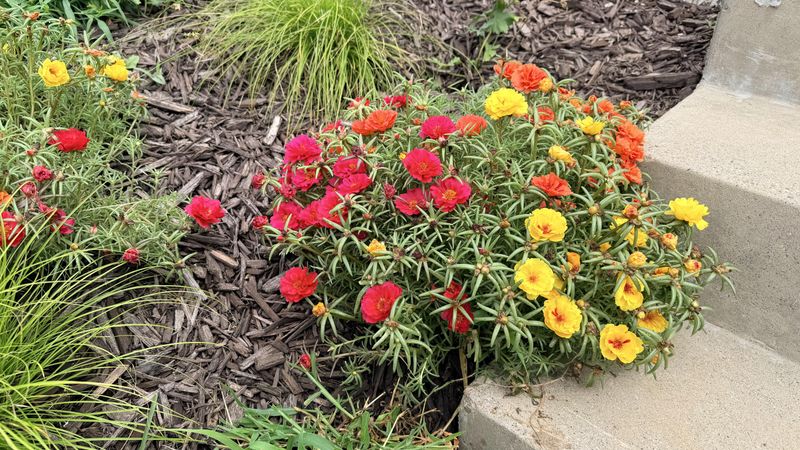
A blistering driveway edge in Texas in July kills most plants. Moss rose (Portulaca grandiflora) thrives there, storing water in succulent leaves like a camel.
It needs 6 or more hours of sun and fast-draining sandy soil. Flowers close on cloudy days, so do not worry if they look shut.
Seeds drop from tiny lidded capsules and sprout once soil stays warm, often late May up north. Seedlings may not match the parent colors.
Space at 6 to 12 inches.
8. Corn Poppy
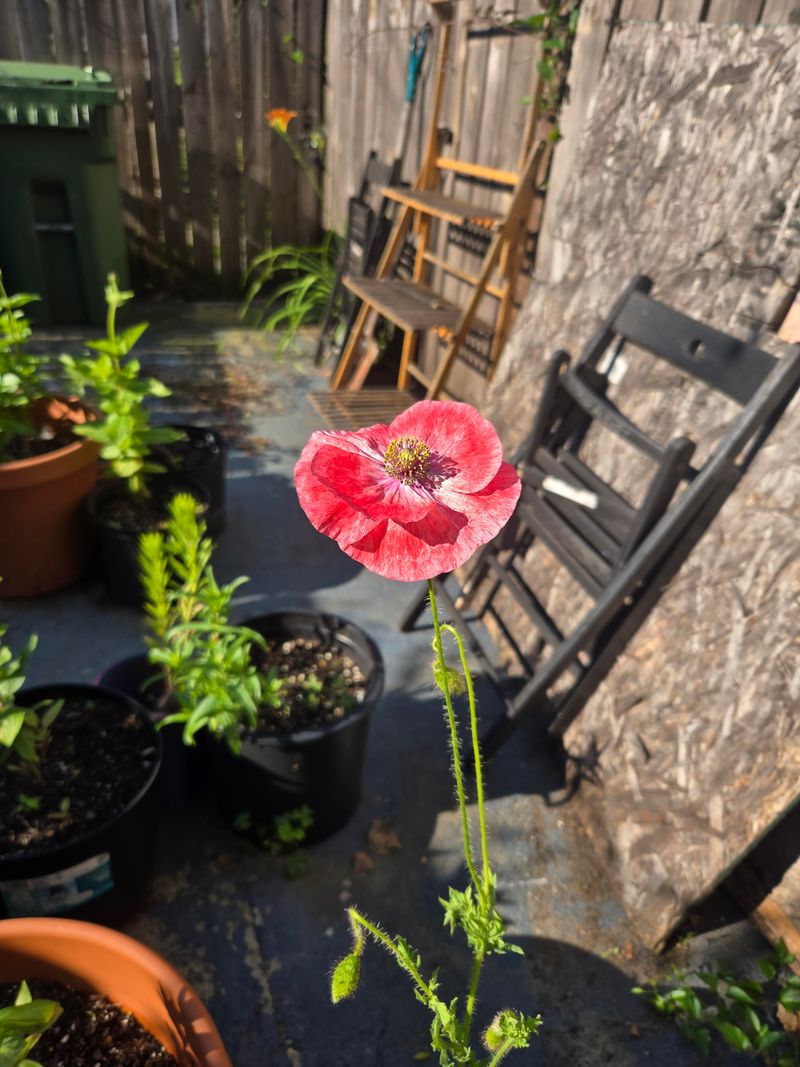
Myth says poppies are fussy. Corn poppy (Papaver rhoeas) proves otherwise, as long as you sow it where it will live.
Its seed heads work like salt shakers, spilling seed in wind. Seeds need cold, so fall sowing works best.
Deer usually ignore it.
Disturbed soil helps it sprout, which is why it loves fresh beds. Rake lightly in fall.
It fades by midsummer, so pair it with later bloomers.
9. Black-Eyed Susan
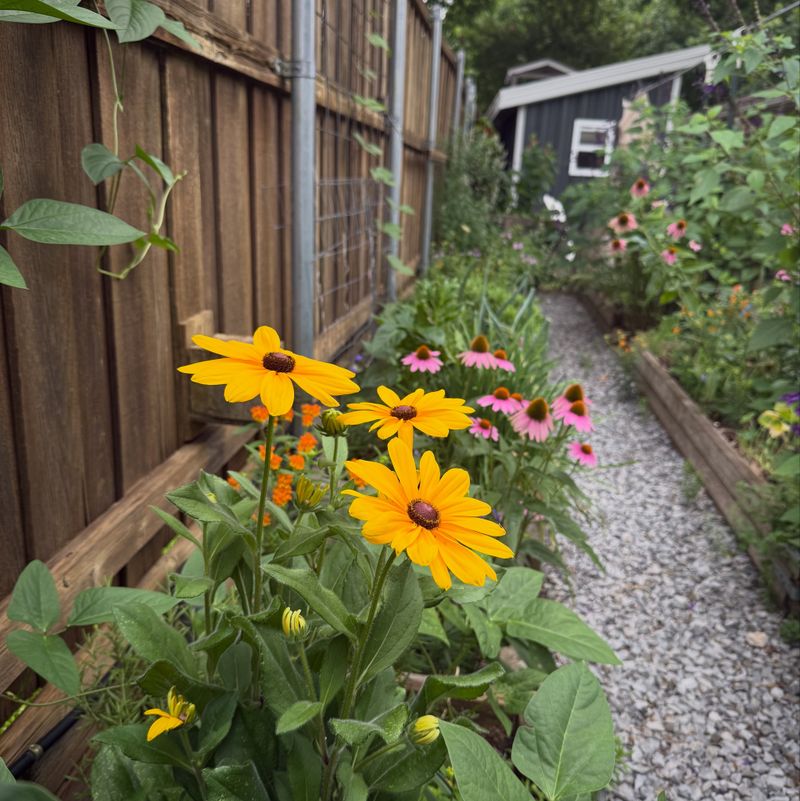
Black-eyed Susan (Rudbeckia hirta) is often short-lived, sometimes biennial. Yet it seems permanent because it keeps reseeding.
It is native across much of the eastern and central United States. Leave seed heads in fall for finches and new seedlings.
Plants grow 2 to 3 feet and handle heat. In humid summers leaf spot may show up, so give it space, about 18 inches.
10. Columbine
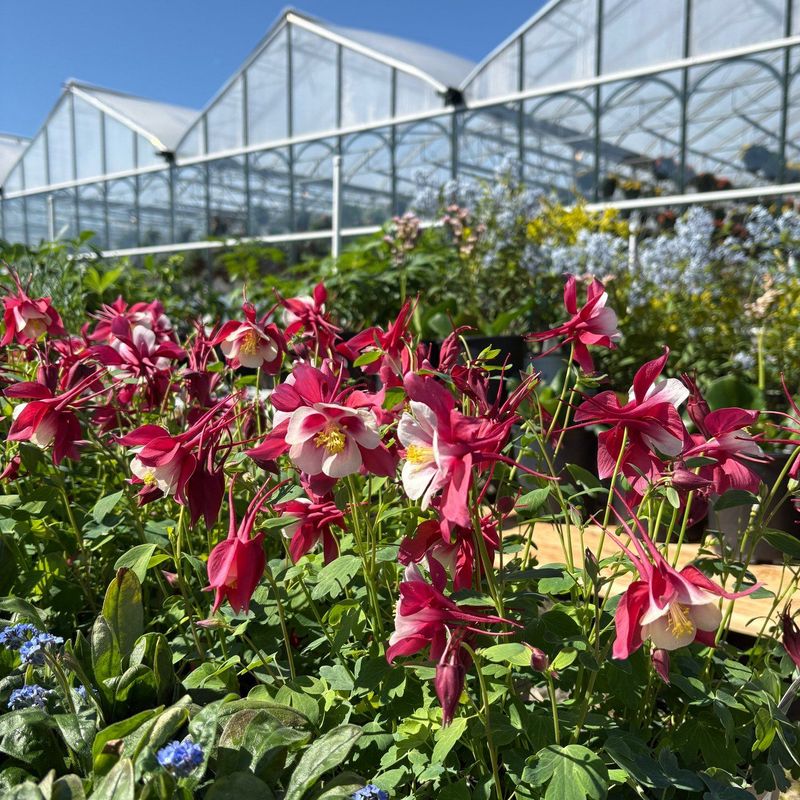
Columbine seedlings are a surprise party. Common columbine (Aquilegia vulgaris) crosses freely, so new colors appear.
It likes part shade, especially where summers run hot. Plants are short-lived, but seedlings keep it going.
Leafminers draw squiggles on foliage. Cut leaves back after bloom.
If you want native, eastern red columbine is native to the eastern US.
11. Forget-Me-Not
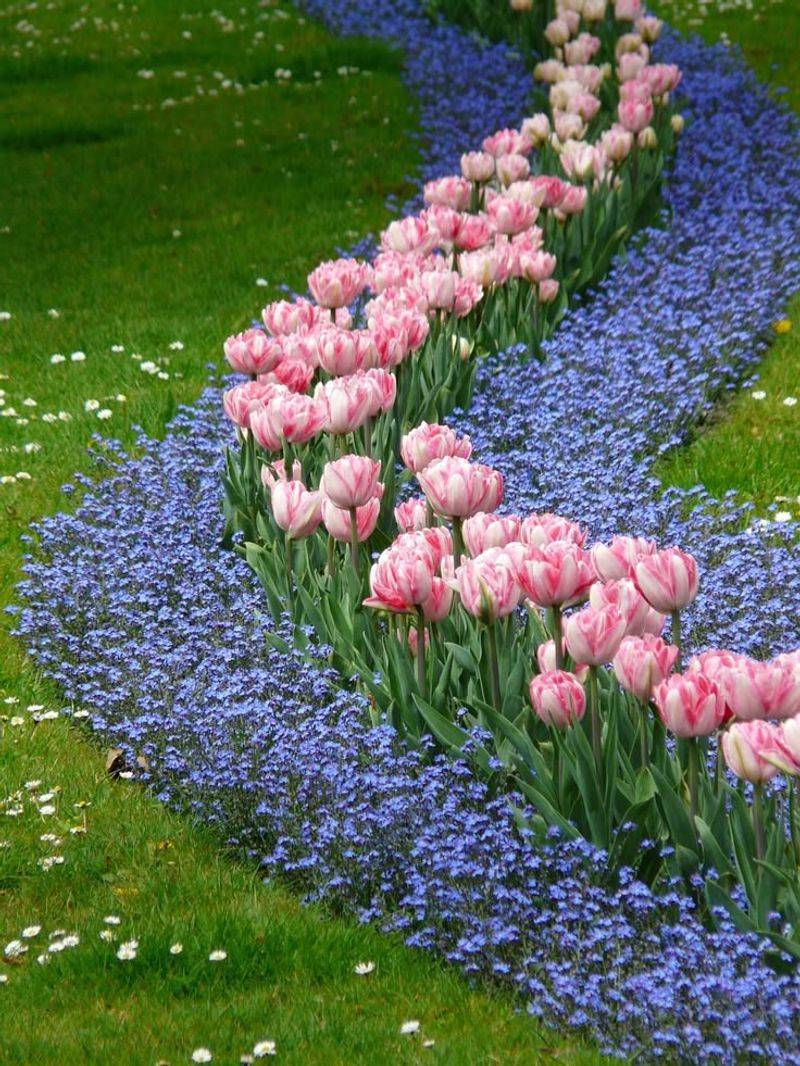
Fading tulip leaves look messy. Forget-me-not (Myosotis sylvatica) hides them under a blue haze.
It is biennial, growing leaves one year and blooming the next. Seeds hitch rides on socks and fur.
It likes moist part shade. In the Pacific Northwest it can spread fast, and pulling extras is easy.
12. Borage
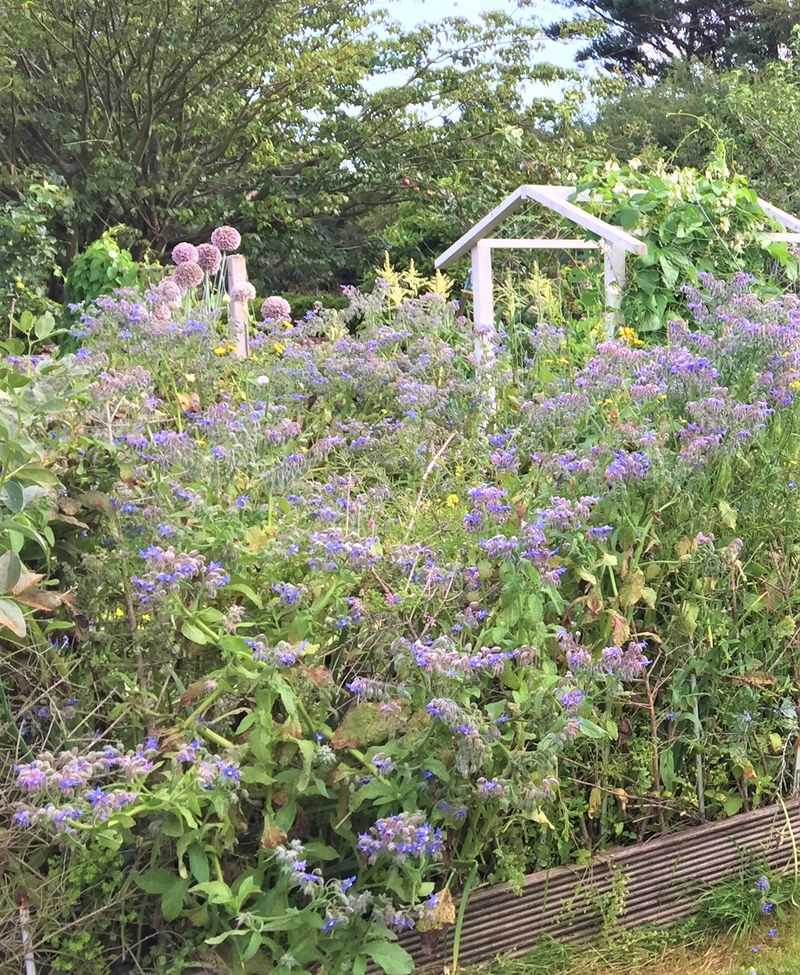
Bees crowd borage (Borago officinalis) all morning. Its blue star flowers refill nectar often, a busy diner.
Plant near tomatoes and squash to draw pollinators. It grows 1 to 3 feet and sprawls.
Seeds sprout freely, so hoe extras early. Flowers taste like cucumber.
13. Foxglove
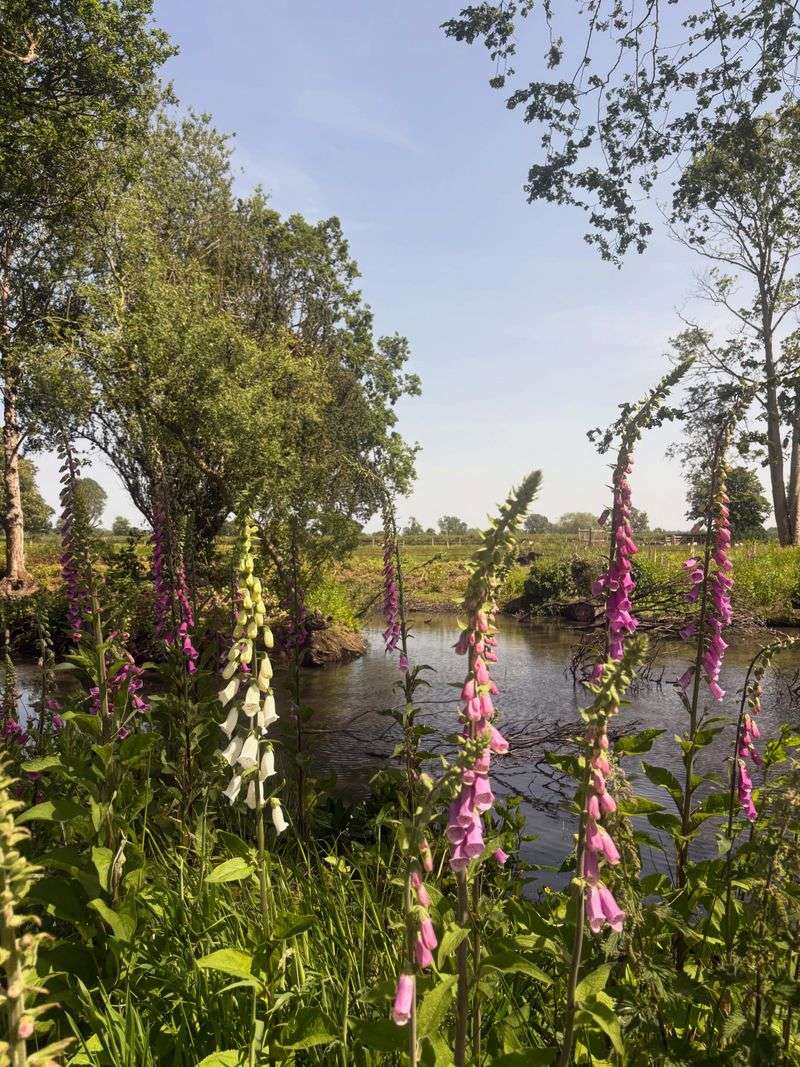
Foxglove (Digitalis purpurea) is toxic in all parts. Plant it away from kids and pets.
It forms a rosette year one, then spires 3 to 5 feet tall. Let seeds drop.
It loves moist part shade and cool summers. In hot South, results are spotty.
14. Larkspur
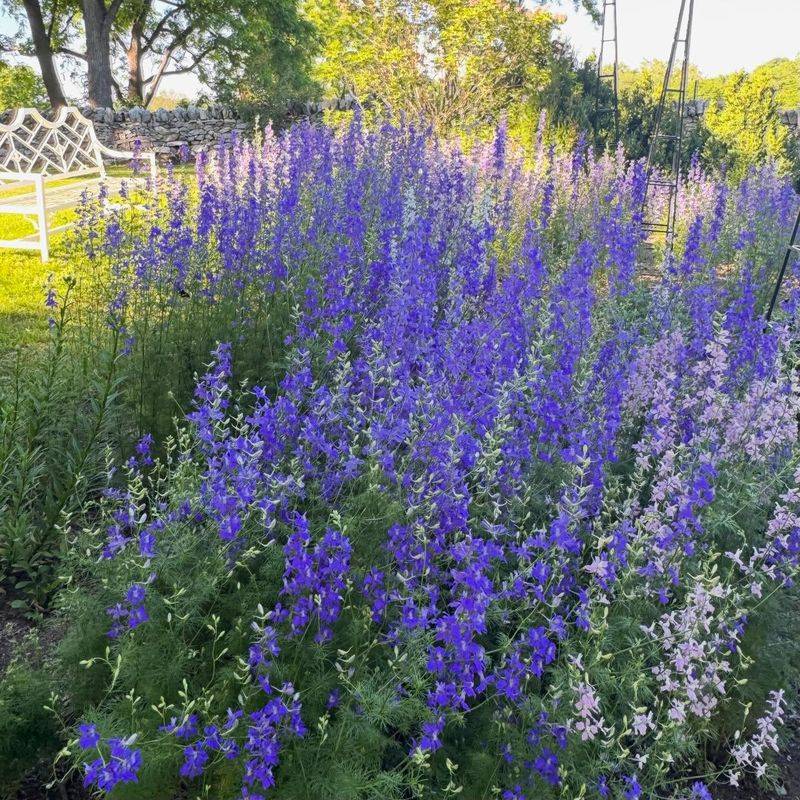
Spring heat ends larkspur (Consolida ajacis) fast, but that is the plan. As it fades, it drops seed.
Sow in fall, especially in the South where it blooms by April. Seeds need cool soil.
Seeds are toxic, so mind pets. Leave stalks until pods brown.
15. Sweet Alyssum
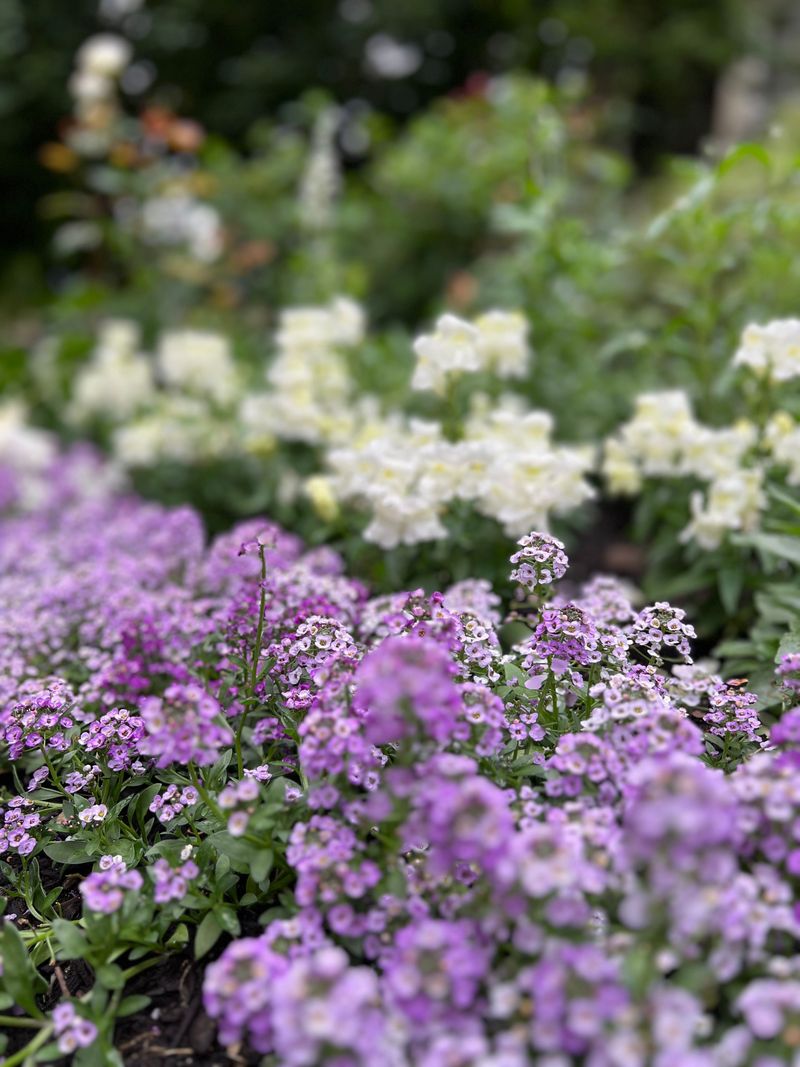
Aphids on your kale meet trouble here. Sweet alyssum (Lobularia maritima) draws hoverflies whose larvae eat aphids.
It reseeds best in mild areas. Shear by a third midsummer.
Seeds need light, so do not cover them.
Space 6 inches apart. It is one layer of pest control, not a cure, and you can relax knowing next spring brings it back.
