
The Little Songbird Poking Through Your Pennsylvania Shrubs This Fall May Be Hunting For Something
Follow us on Google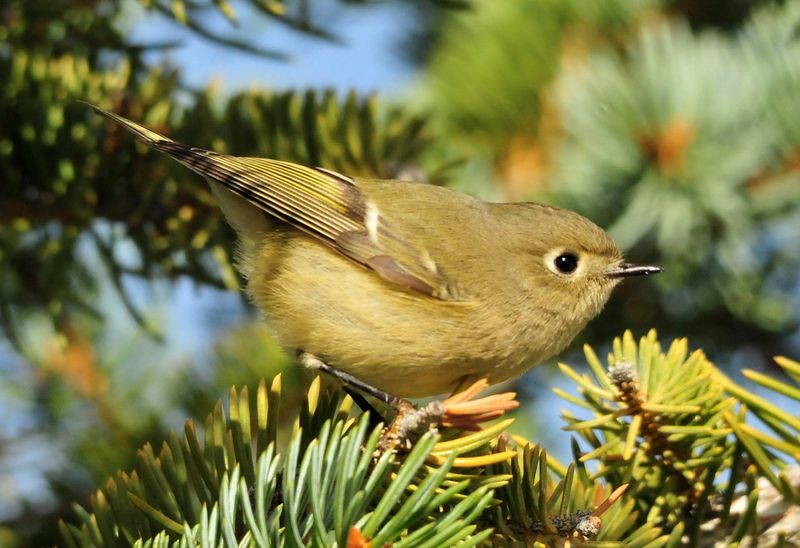
You step onto the porch on a crisp October morning, and the hedge is rustling with a tiny, restless bird. It will not sit still, and it barely looks at you.
It might be a Ruby-crowned Kinglet, a small migrant passing through Pennsylvania, and if so, it is hunting for tiny bugs. Here is how to tell what you are seeing and how to give it room.
A Ruby-Crowned Kinglet Is a Strong Possibility
Shrub activity alone cannot name a bird, so treat the kinglet as a strong possibility, not a sure thing. Plenty of small migrants pass through hedges in fall.
Still, a few clues can point you toward this one.
Start with size. According to Cornell’s identification guide, Ruby-crowned Kinglets measure roughly 3.5 to 4.3 inches long, which makes them smaller than a chickadee.
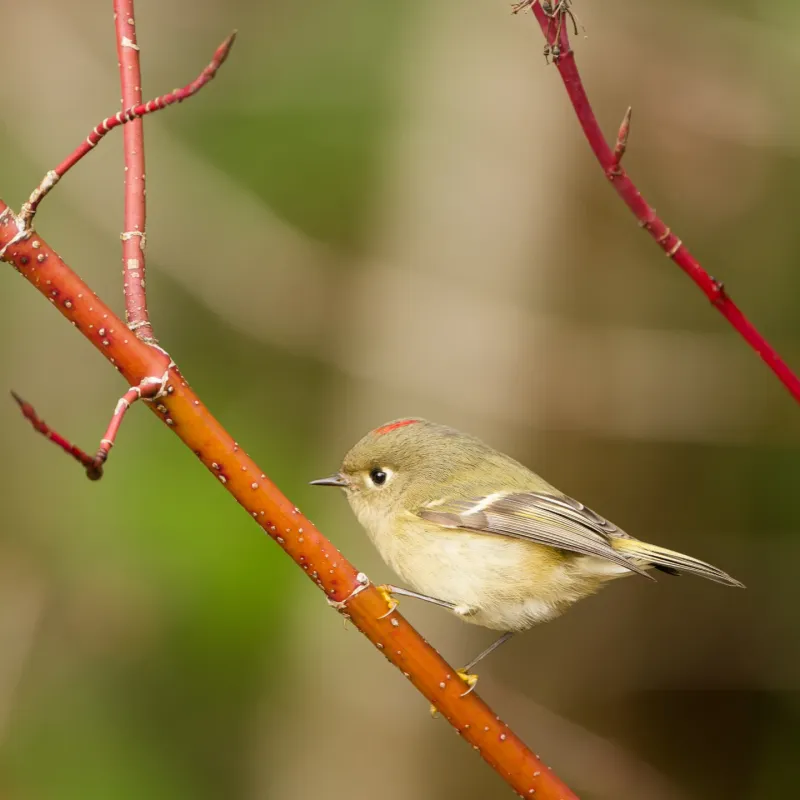
Look for an olive-green bird with a white eye ring and a pale wing bar.
Then watch how it moves. A kinglet is quick and jumpy, and it flicks its wings again and again as it works through the leaves.
That nervous wing flick is one of the best clues you can notice from a distance.
You may be waiting for a flash of red on the head, but do not count on it. Only the male has a ruby crown, and it is often hidden.
So if you never see red, the kinglet is still on the table.
Cornell’s species overview also describes this restless, busy style of foraging in foliage, which matches what many homeowners notice first.
If you can, snap a photo and compare the bird’s size to a nearby chickadee or sparrow. Note the eye ring, the wing bar, and the flicking.
Those extra details will make your guess far more trustworthy.
Its Search Is Mostly for Tiny Arthropods
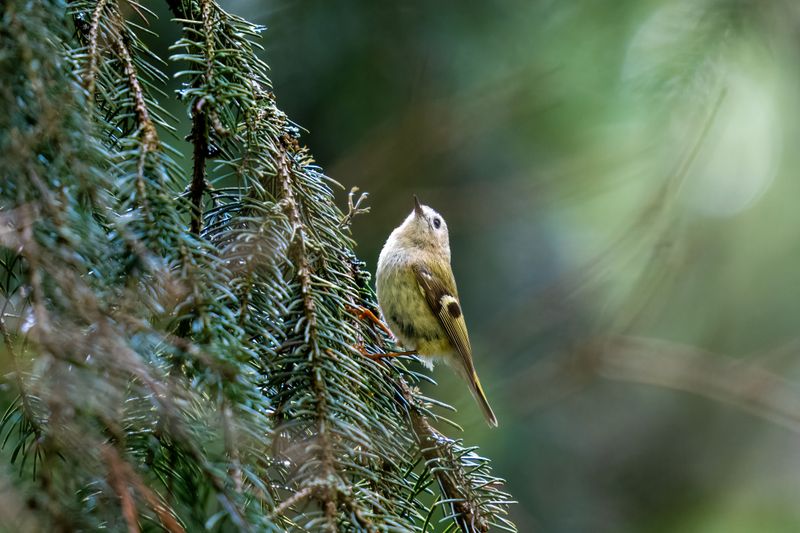
So what is that little bird after? If it is a Ruby-crowned Kinglet, it is mostly searching for small insects and spiders.
Those are the tiny arthropods tucked on leaves, twigs, and branches.
Cornell’s life history page lists small arthropods as the main part of its diet. It also notes that kinglets take some seeds and fruit.
So the story is not bugs alone, just bugs first.
The way it hunts is called gleaning. Picture a very small, very fast inspector going over each leaf, peeking under edges, hopping to the next twig, and starting again.
It rarely stays long in one spot.
That is why the bird seems to be everywhere in the shrub at once. The Cornell overview describes this constant motion as a hallmark of the species.
Notice what the bird is searching, though. It is looking among the leaves for tiny creatures that live there.
It is not eating the shrub itself, and it is not on a mission aimed only at garden pests.
Next time you see the flutter, slow down and look closely at what it is checking. You are watching a small hunt in a place you walk past every day.
Fall Migration Offers a Chance to Spot One
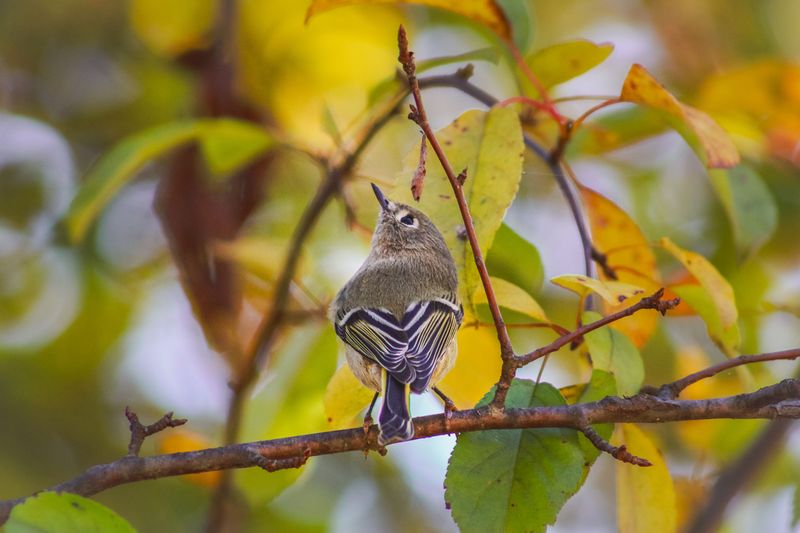
Fall is when many small birds are on the move, and that makes it a good season to keep your eyes open. Along Lake Erie, the Erie Bird Observatory noted in its October 2026 nature notes that Ruby-crowned Kinglet migration numbers swelled that month, alongside other migrants.
That is one local report from one place. It does not mean a kinglet will land in every Pennsylvania yard, and it does not mean one will linger all season.
Birds pass through on their own schedule, and many are gone in days.
Still, it gives you a reason to look. Cornell’s overview describes the species as a migrant that can forage low in shrubs and trees, so a hedge near your door is a fair place to check.
Here is a simple way to watch. Step outside with a warm drink and stand still for a few minutes.
Let the yard settle down around you.
Then scan the leaves for quick movement and little wing flicks. If you catch it, you have seen something special.
If not, there is always another cool morning to try.
Other Birds Can Work Through Shrubs
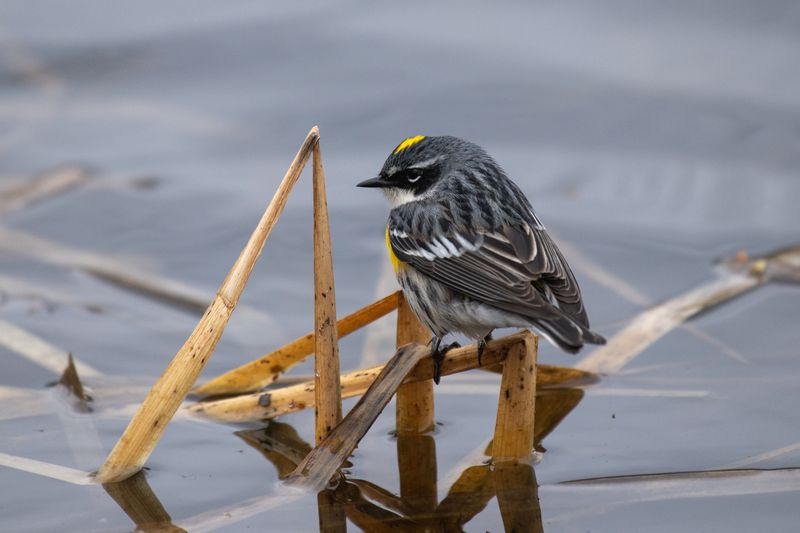
Plenty of birds like shrubby spots, so keep your guess honest. One common lookalike visitor is the Yellow-rumped Warbler.
It uses shrubby habitat during fall migration, and Cornell’s life history page notes it eats insects and also switches to fruit, such as bayberry.
Size helps here. Yellow-rumped Warblers are about chickadee-sized, bigger than a kinglet.
Cornell’s identification page says they show yellow patches, though fall plumage is more subdued.
Compare that with the kinglet, which Cornell’s identification guide describes as smaller than a chickadee and given to wing flicking.
Then there is the White-throated Sparrow. According to Cornell, it is more often on or near the ground in brushy edges, hunting seeds and insects.
If your bird is scratching in leaf litter beneath the hedge, it is probably not a gleaning kinglet.
These clues can narrow things down, but they may not settle it. A quick glimpse through branches leaves a lot of room for doubt.
A photo or a longer look is the best tiebreaker.
A Busy Bird Does Not Mean Shrub Damage
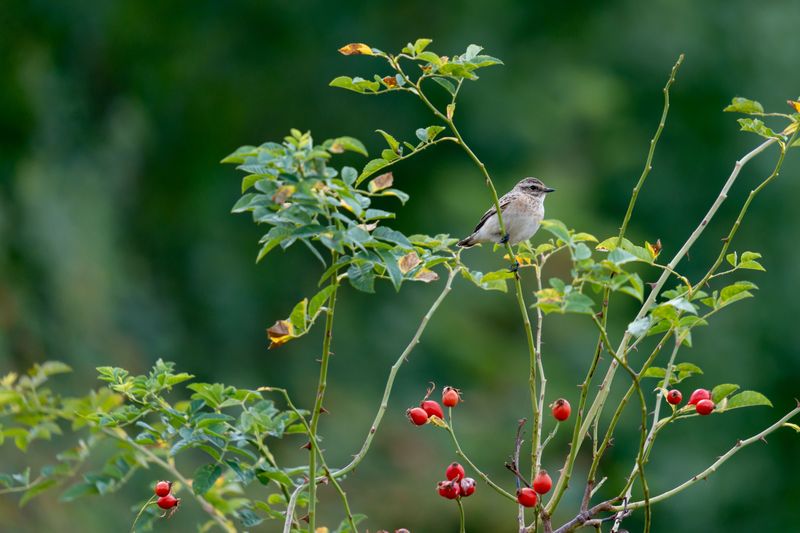
A bird tearing through your hedge can look alarming at first. Is it chewing things up?
No. A kinglet searches the foliage for food, and it is not consuming or stripping the leaves.
What it picks off are small insects and spiders, according to Cornell’s life history page. That list includes aphids.
But a single visitor passing through is not a reliable pest-control service, and nobody can promise a measurable benefit to your yard.
Think of the bird as a brief guest, not a hired hand. It stops, it checks the leaves, and it moves on.
Cornell’s overview highlights this restless, hurried style, so a short stay is normal.
The shrub is simply the place where its food lives. A leafy bush holds far more tiny life than most of us ever notice.
So the takeaway is modest and kind of nice. That flutter is a window into the small world moving through your hedge.
You do not have to fix anything. You only have to notice.
Watch Quietly and Support Bird Habitat
The best response is also the easiest. Stand back, stay quiet, and leave the shrub alone while the bird works.
Sudden moves or a close approach can send it off before it finishes feeding.
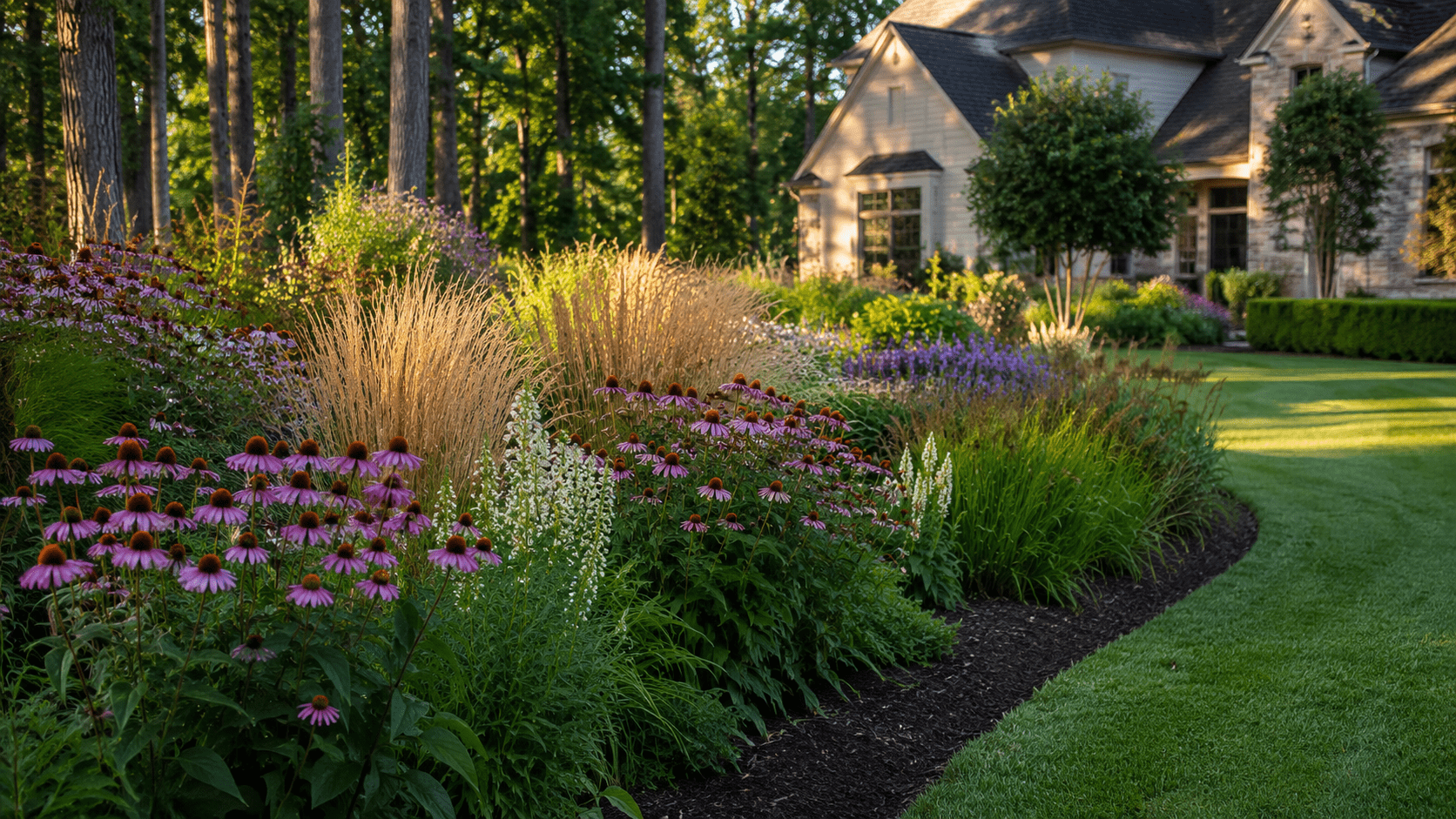
If you want to help birds in general, the U.S. Fish and Wildlife Service’s backyard birds guidance points to leafy, layered habitat and native plants that give birds food and shelter.
That is a general benefit. It cannot guarantee that a kinglet will visit your particular yard.
Pesticides deserve a careful hand. Do not spray for the bird’s sake, or to protect the insects it might eat.
The EPA’s tips for reducing pesticide impacts on wildlife advise using pesticides only when necessary and limiting treatment to the specific area that needs it.
That means skipping blanket spraying across the whole hedge. If a real problem pops up, keep the treatment small and follow the label.
Beyond that, your job is simple. Keep a few leafy corners, keep your eyes open, and take a photo if you can.
A careful look is a good thing to give a bird that is only passing through.
