
The Pennsylvania Birds That Show Up In Late Fall And Brighten Your Yard All Winter
Follow us on Google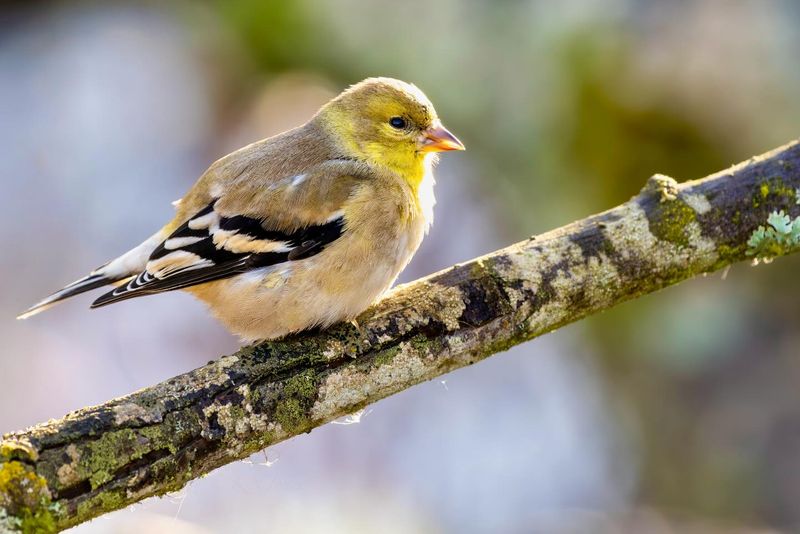
It’s a gray November morning in Pennsylvania, and frost crunches under your boots on the way to the mailbox. Then a flash of red lands in the bare lilac, and the whole yard suddenly feels awake again.
Some of these birds have been here all along, while others ride south from Canada just as the leaves drop. Here are eight winter visitors worth watching for, plus the simple food, water, and plants that keep them coming back until spring.
1. Dark-Eyed Junco
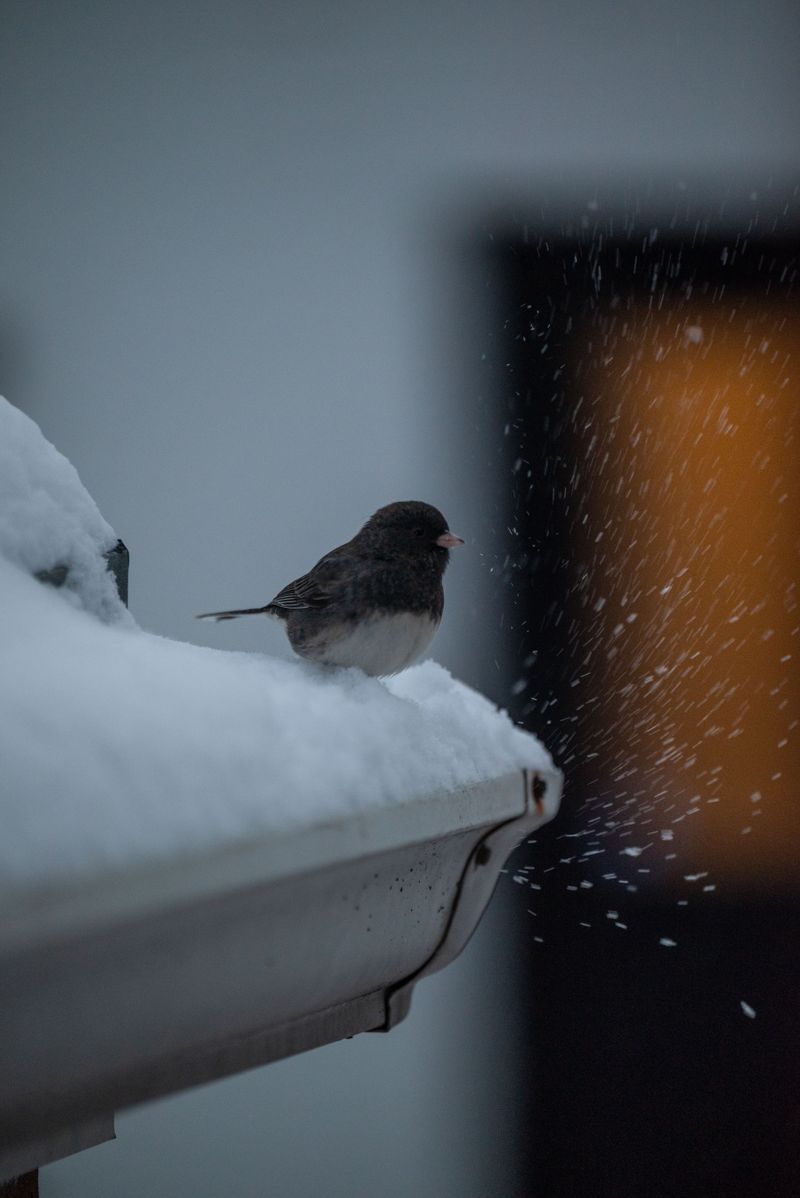
Old-timers across Pennsylvania call them snowbirds, and the name fits. Juncos tend to appear right around the first hard frost, usually late October into November, and they stay until April.
Here is the surprising part. Many of the juncos in your yard actually nested in Canada or high in the northern tier forests, then drifted south for what they consider a mild winter.
Juncos are ground feeders, so they rarely land on a hanging feeder. Scatter white proso millet on the ground or a low platform, about a handful per morning, close to a shrub.
Watch for the white outer tail feathers flashing as they flush, like a deck of cards fanned open. That flash is your sign that winter has officially arrived.
2. White-Throated Sparrow
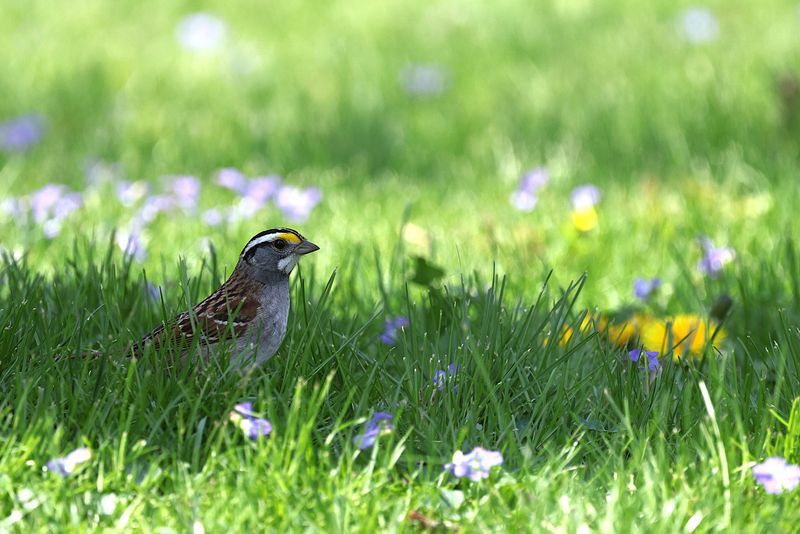
Picture a cold December dusk in the Susquehanna Valley. A thin, sweet whistle drifts out of the brush pile, a sound most people expect in spring, not winter.
That singer is the white-throated sparrow, a northern nester that winters in Pennsylvania by the thousands. Look for the crisp white throat, striped head, and a tiny yellow spot near each eye.
These sparrows feel safest close to cover. Leave a brush pile at least 3 feet tall at the edge of the yard, and skip raking every leaf from the beds.
They scratch through leaf litter with a two-footed backward hop, like someone kicking off slippers. It is genuinely one of the easiest favors you can do for a bird, and it means less fall cleanup for you.
3. Northern Cardinal
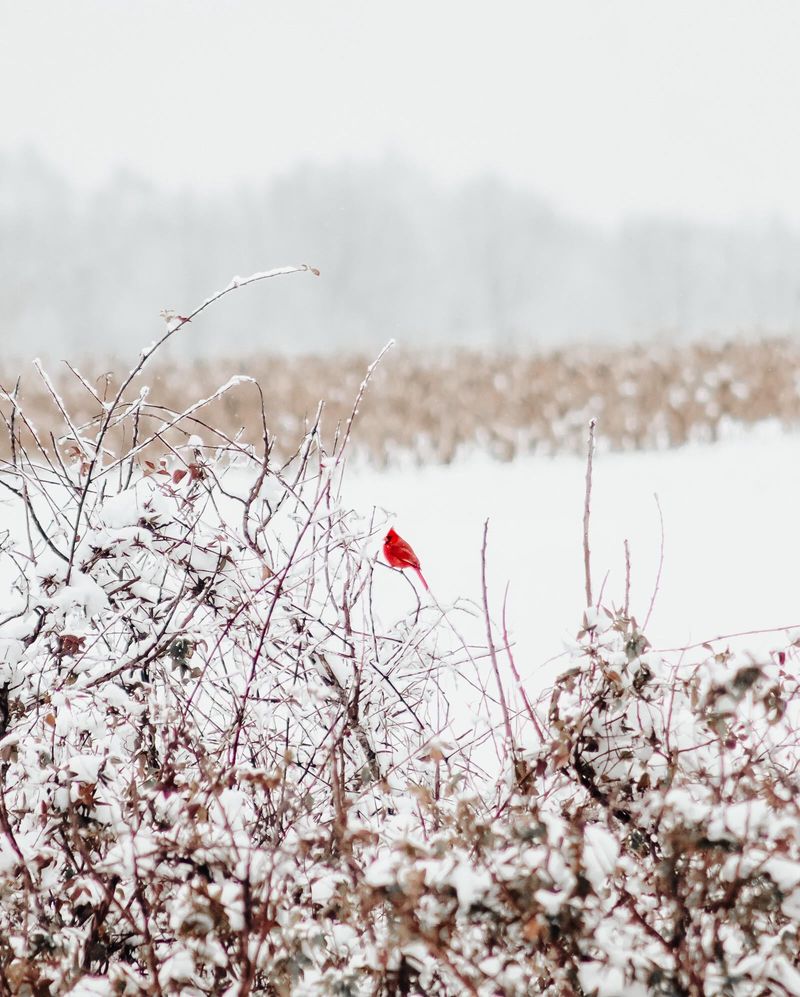
Cardinals do not migrate. They simply become far easier to notice once the leaves fall and snow sets the stage behind that red coat.
A pair usually holds a territory of 3 to 10 acres, so the same birds may visit your feeder all season. Females wear warm brown with reddish edges and an orange bill, which many people mistake for a different species entirely.
Offer black-oil sunflower seed, which has a thin shell and high oil content. Cardinals prefer a sturdy platform or hopper feeder rather than a swinging tube.
Plant an eastern red cedar (Juniperus virginiana) and you give them dense roosting cover plus berries. A red bird on a snowy cedar is the Pennsylvania holiday card you get to look at for free.
4. American Goldfinch
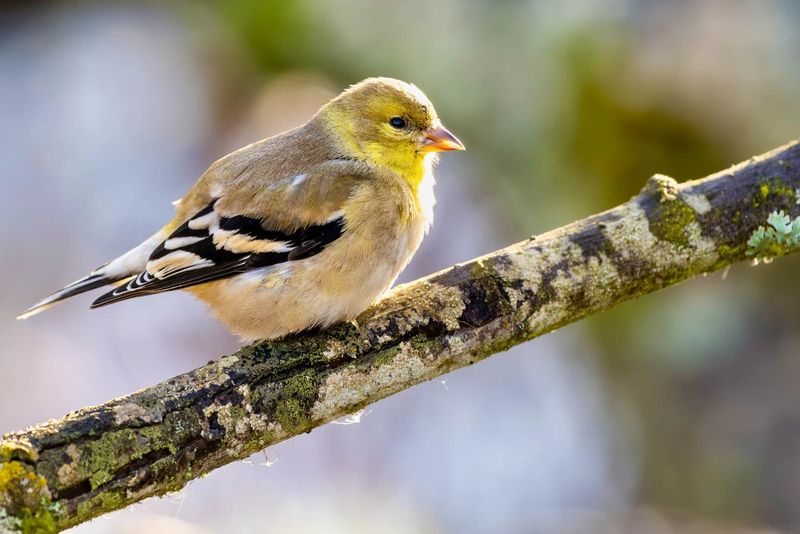
Many people believe goldfinches leave for the winter. They actually stay, they just swap their lemon-yellow suits for olive-brown work clothes.
Goldfinches are strict seed eaters and wander more than 30 miles in winter flocks, so your feeder may go quiet for a week, then suddenly host twenty birds. That restless pattern is normal.
Fill a small-port feeder with nyjer seed and keep it fresh, since old nyjer goes stale. Even better, leave coneflower, black-eyed Susan (Rudbeckia hirta), and native aster stems standing through March.
Goldfinches cling to the seed heads like acrobats on a swaying trapeze. By April the males start flashing gold again, and you get to watch spring arrive one feather at a time.
5. Downy Woodpecker
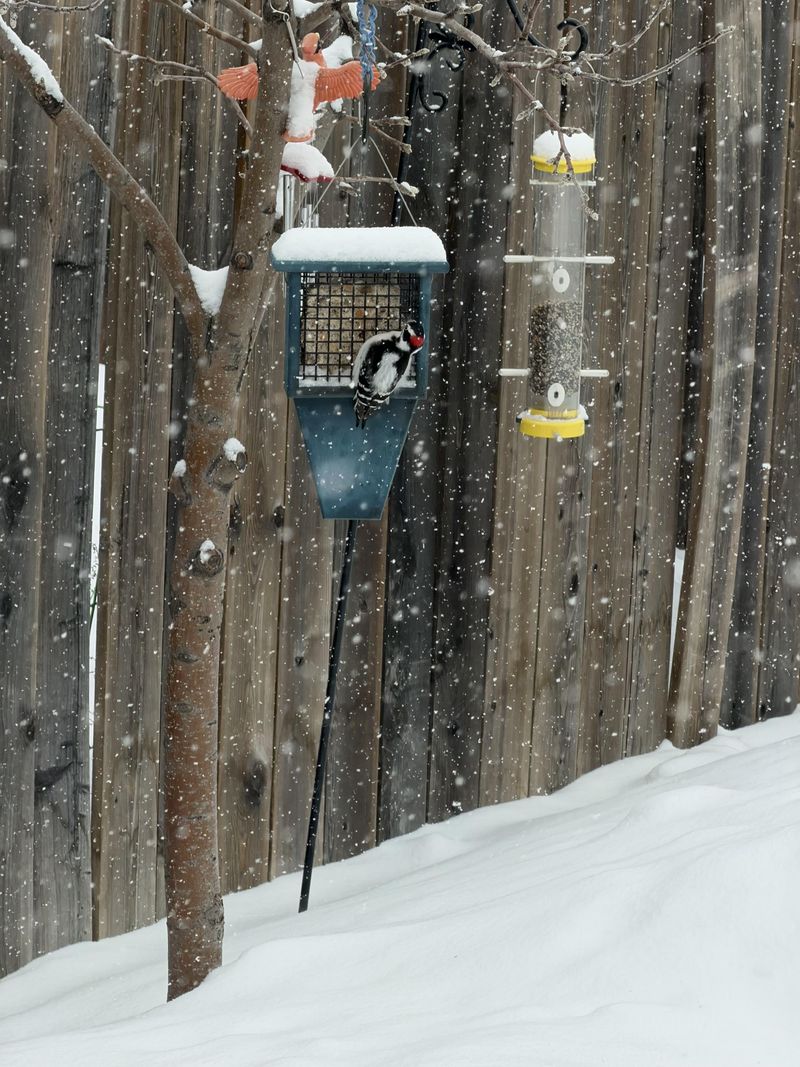
Only about 6.5 inches long, the downy is the smallest woodpecker in North America. It spends winter tapping bark for sleeping insects that most birds cannot reach.
Things get harder once a cold snap locks the trees in ice, which happens often in western Pennsylvania and the Laurel Highlands. Insects become nearly impossible to find, and a tiny body burns energy fast.
Hang a suet cake from a tree trunk or pole about 5 to 6 feet high. Processed suet cakes resist spoiling during thaws.
Males show a small red patch on the back of the head, females do not. Keep the suet stocked after every storm, and that little drummer will reward you with a steady beat outside the kitchen window.
6. White-Breasted Nuthatch
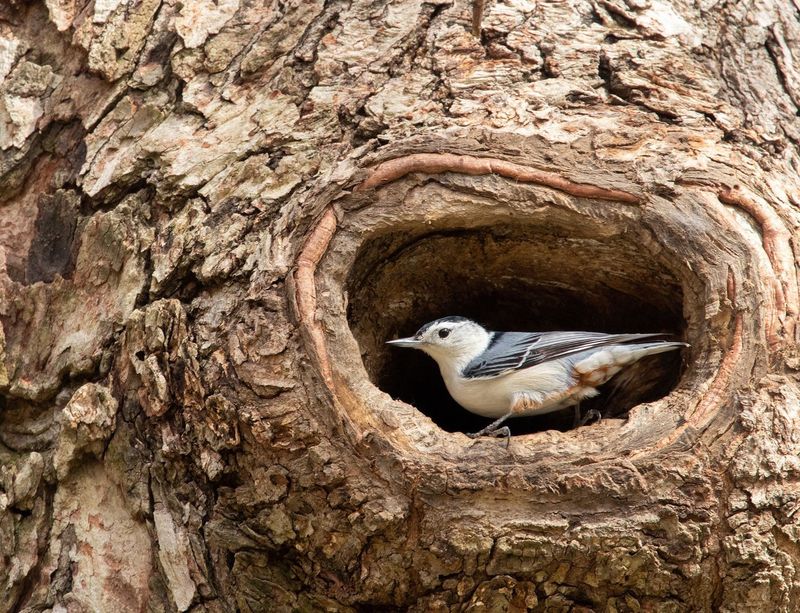
Blunt truth, this bird walks down trees upside down, and nobody else at your feeder does it. Watching one for the first time feels like a magic trick.
Nuthatches hold territories of 20 to 35 acres, and they cache seeds in bark crevices for later, like a squirrel with wings. Oaks and hickories on the Allegheny Plateau make perfect pantries.
Offer shelled peanuts or sunflower hearts, and you will see them grab a seed and fly off to hide it. Place feeders within 10 feet of trees or shrubs so they have quick cover.
Their nasal yank-yank call carries on still winter mornings, a sound that soon becomes part of your daily routine.
7. Tufted Titmouse
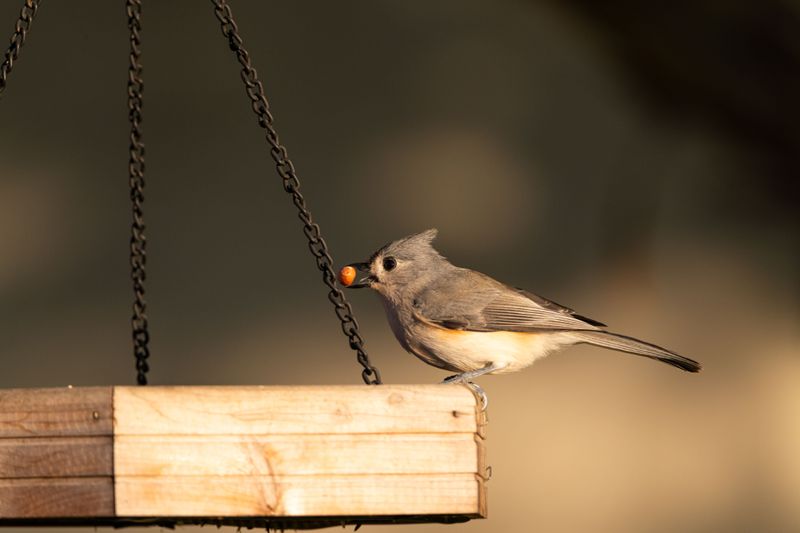
You hear the titmouse before you see it. A loud peter-peter whistle, then a small gray bird with a pointed crest and rusty sides pops onto the feeder.
Titmice are the organizers of winter flocks. They travel with chickadees, nuthatches, and woodpeckers, and more eyes mean predators get spotted faster.
When one shows up, the whole crew often follows.
Many southeastern Pennsylvania gardeners plant winterberry holly (Ilex verticillata) to bring this flock closer. Plant at least one male for every 5 to 10 female shrubs so the berries actually form.
Add black-oil sunflower seed nearby, and your yard becomes a regular stop on the neighborhood route.
8. Black-Capped Chickadee
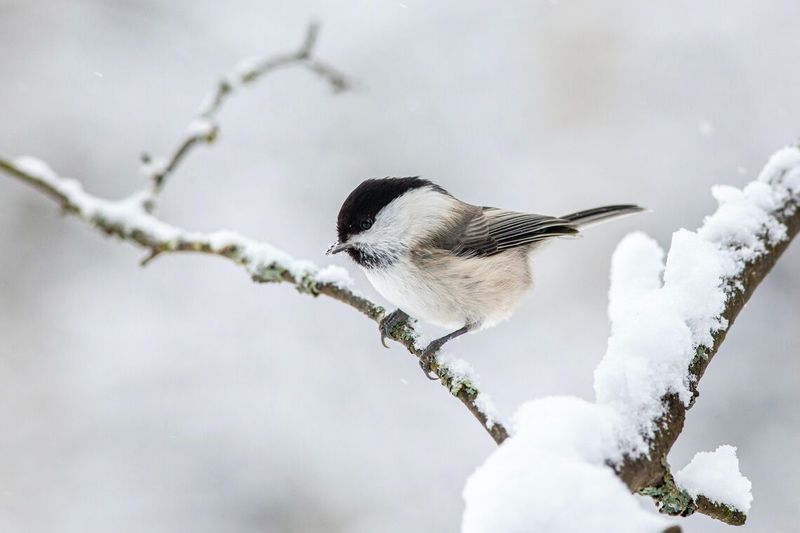
On the coldest nights, a chickadee can drop its body temperature from about 105 degrees to near 50 degrees to save energy. It is a tiny bird running on a dimmer switch.
Chickadees cover most of Pennsylvania, while the nearly identical Carolina chickadee holds the southeast. In the northern tier and Lake Erie region, lake-effect snow can bury food for days.
Refill feeders right after heavy snow, and offer open water with a heated bird bath, since natural water freezes solid. Penn State Extension notes that better habitat near feeders raises bird activity, so plant an eastern hemlock (Tsuga canadensis) or keep dense shrubs close.
Clean feeders a few times a year with a 10 percent bleach solution. Do that, and the bravest little bird in winter will thank you all season.
