
The Texas Nurseries Where Gardeners Find Native Milkweed That Actually Brings Monarchs Back
Follow us on Google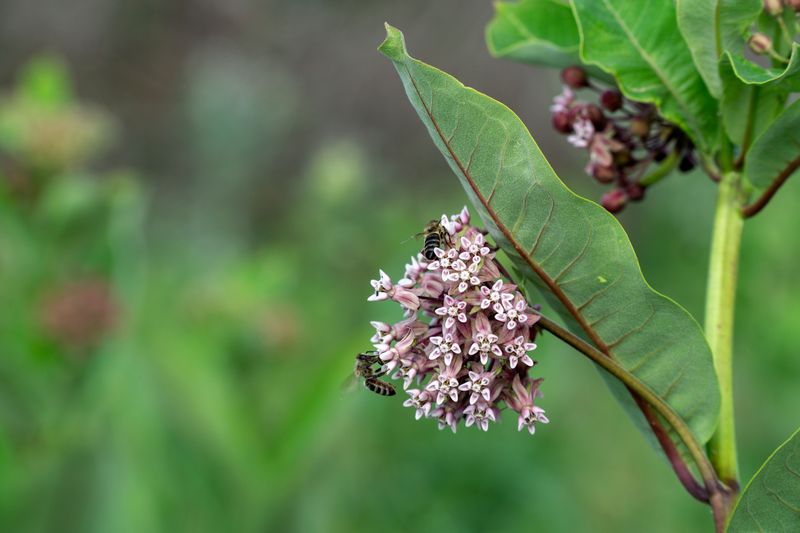
You step outside before breakfast, coffee in hand, and a flash of orange drifts past the porch rail. A monarch is working your lantana, and suddenly you want more of them.
The catch is that the milkweed sold in most big-box garden centers across Texas is often the wrong kind, and it can quietly hurt the very butterflies you hope to help. Here are eight real Texas nurseries where gardeners find native milkweed, plus what to ask for at each one so your yard becomes a genuine monarch stop.
1. Barton Springs Nursery In Austin Stocks Hill Country Milkweeds
Picture a hot April Saturday in Austin, the parking lot already shimmering, and a table of scrappy little pots that do not look like much. Those pots are the reason many Central Texas gardeners drive across town.
Barton Springs Nursery often carries antelope horn milkweed (Asclepias asperula) and butterfly weed (Asclepias tuberosa) through the growing season. Antelope horn is the quiet workhorse of shallow, alkaline Hill Country soil, the kind of ground where a shovel hits caliche, a hard chalky layer, about 6 inches down.
Here is the trick. Native milkweeds die back in fall, and that dormancy tells monarchs it is time to keep flying south to Mexico.
Tropical milkweed (Asclepias curassavica) often stays green all winter in mild areas, which can hold monarchs back and let a parasite called OE build up on the leaves.
So ask staff which pots are native and grown locally. Plant in full sun, at least 6 hours a day, and space plants about 18 inches apart.
Water deeply once a week for the first month, then mostly let rain handle it.
Do not panic when the plant looks sleepy in its first summer. Milkweed spends year one building roots, and year two is when the caterpillars show up hungry.
2. The Natural Gardener Rewards Shoppers Who Check Back Often
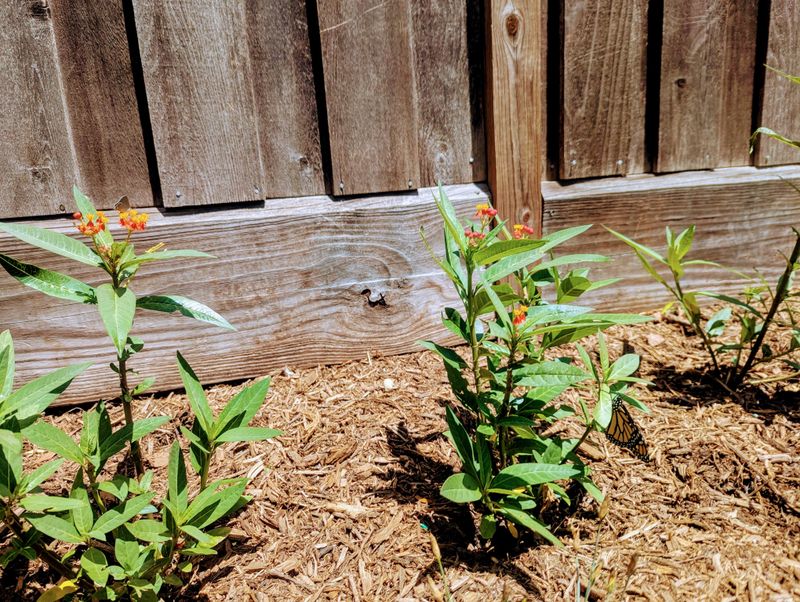
Native milkweed sells out fast, and that surprises plenty of first-time shoppers. You show up in May, the sign says butterfly weed, and the bench is empty.
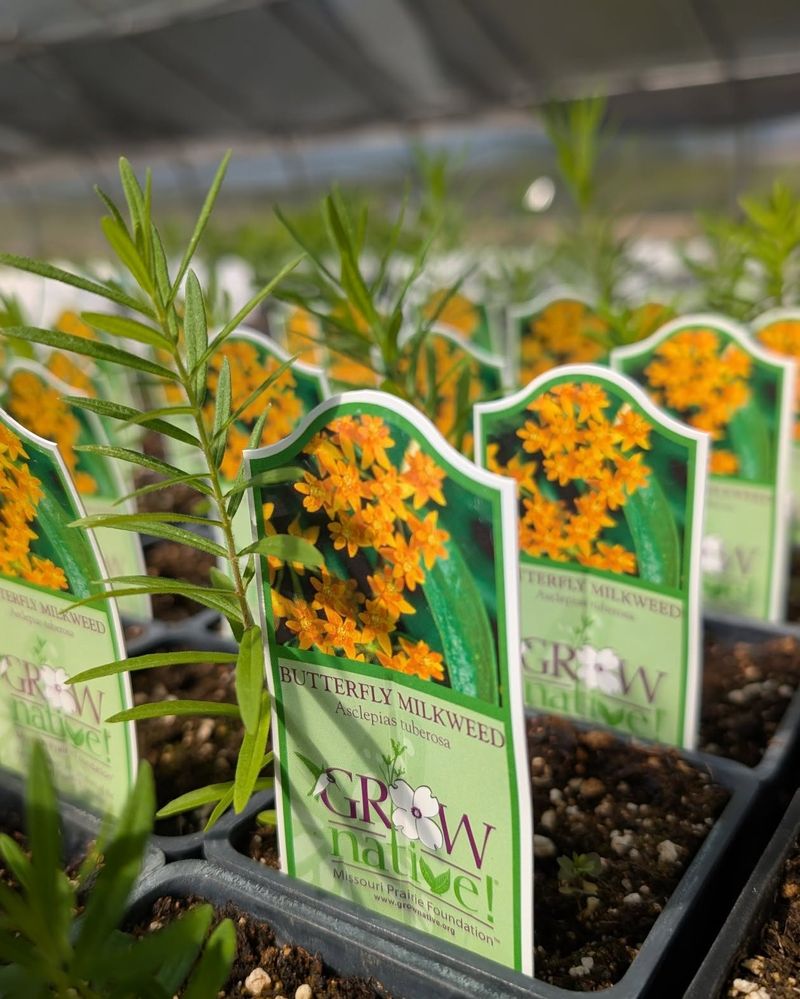
The Natural Gardener in southwest Austin occasionally stocks butterfly weed, the drought-tough native with flowers the color of a Texas sunset. Supply comes in waves because native milkweed is slow to propagate, so growers simply cannot flood the market the way they can with tropical types.
The fix is plain patience with a plan. Call ahead on Thursday or Friday, when fresh deliveries often land before weekend crowds.
Butterfly weed hates soggy feet, so set it in a well-drained spot or a raised mound about 4 inches above surrounding soil.
Butterfly weed also grows a long taproot, a single deep carrot-like root, which means it resents being moved once planted. Pick its forever home on the first try.
And when that first orange bloom opens in your own bed, the wait feels completely worth it.
3. Vivero Growers Brings Texas Milkweed To San Antonio Yards

Most people have never heard of Texas milkweed. That is a shame, because this white-flowered native looks tidy enough for a front bed in the nicest neighborhood.
Vivero Growers Nursery in San Antonio highlights Texas milkweed (Asclepias texana) along with antelope horn as drought-tolerant choices for full sun and well-drained soil. Texas milkweed stays compact, usually 1 to 3 feet tall, so it fits small suburban yards without flopping over the sidewalk.
San Antonio summers push past 100 degrees for days at a time, and the soil can bake like a clay pot in an oven. Native milkweeds evolved for exactly that, it is part of their toughness.
Give new transplants about 1 inch of water weekly through their first summer, then taper off.
Plant in early spring, ideally March, so roots settle before the first heat wave. A 2-inch layer of mulch keeps the soil cooler, but pull it back an inch from the stem.
Your neighbors may ask what that pretty white plant is. Now you get to tell them.
4. Hill Country Water Gardens Proves Milkweed Belongs In Damp Spots
Myth: milkweed only belongs in dry, rocky ground. Plenty of Central Texas gardeners believe it, and then they overlook the soggy corner by the downspout that could feed caterpillars all spring.
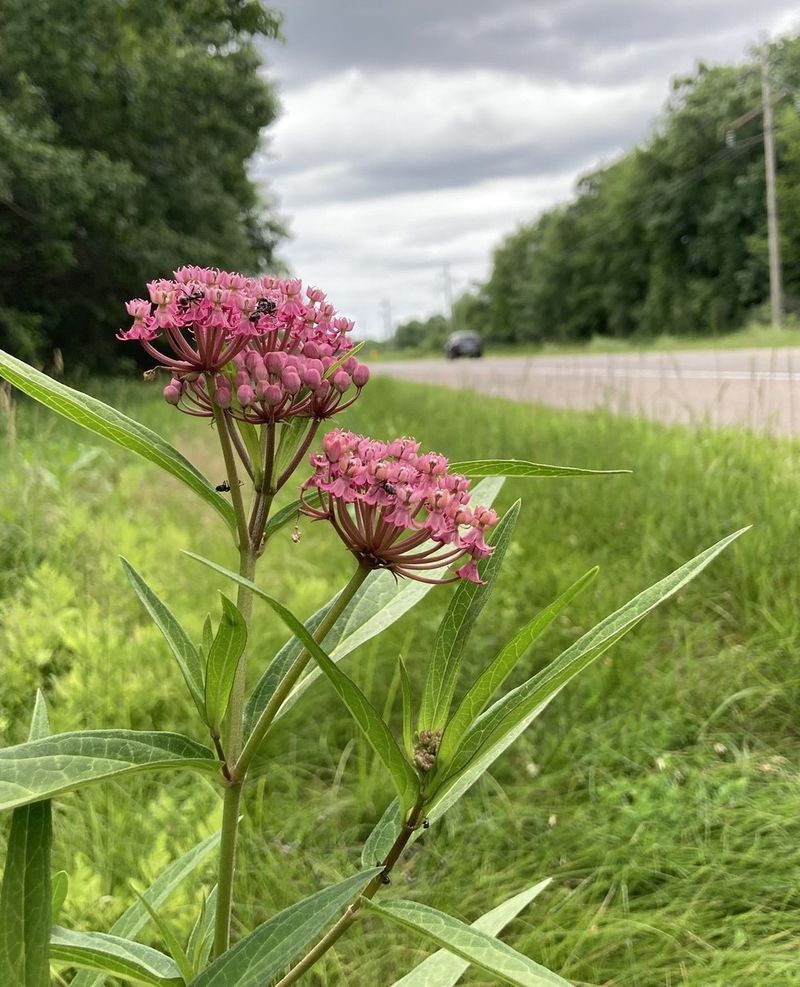
Hill Country Water Gardens and Nursery in Cedar Park offers native milkweeds like butterfly weed, which it notes grows 12 to 30 inches tall and wide in full sun to part shade. Water-loving shoppers can also look for swamp milkweed (Asclepias incarnata), a pink-flowered native that likes consistent moisture.
Swamp milkweed happily sits near a pond edge, rain barrel overflow, or a low spot that stays damp after a downpour. It can reach 4 to 5 feet, so plant it toward the back of a bed with 2 feet of breathing room around it.
Not every yard has a wet spot, and that is fine. But if yours does, you have just turned a problem patch into a monarch nursery.
5. Papilionem Natives In Round Rock Grows Truly Local Plants
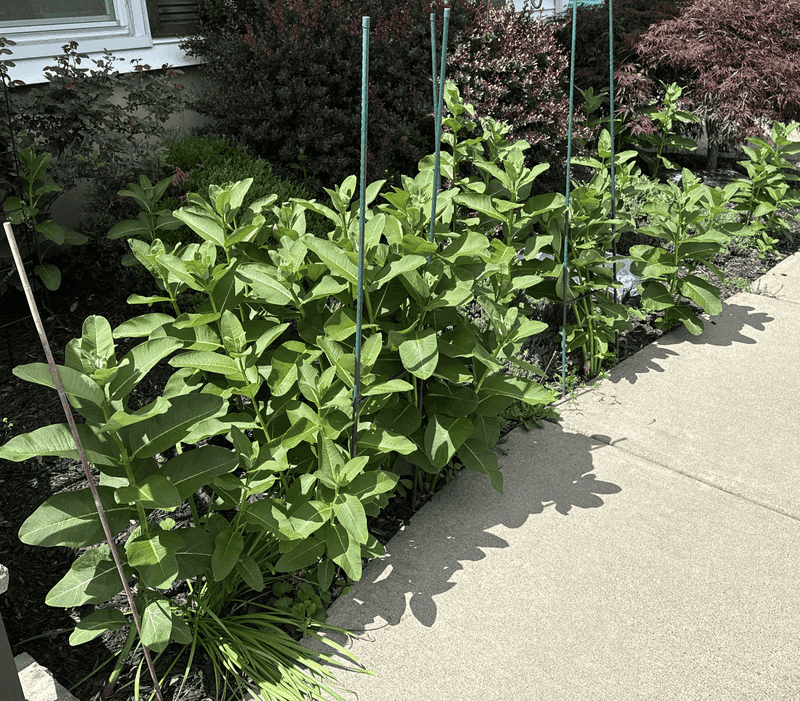
Where a plant was born genuinely matters. Botanists call it provenance, which simply means the plant grew from seed collected near where you live.
Papilionem Natives in Round Rock grows native milkweeds with local provenance, and that small detail does real work. Locally adapted milkweed is used to Williamson County clay, sudden freezes near 20 degrees, and long dry Augusts, so it tends to settle in faster than plants shipped from another region.
Here is where it gets tricky. Small specialty growers often sell at plant sales or by appointment instead of a big retail lot.
Check their schedule early in spring, around late February, before the spring monarch wave moves through Texas in March and April.
Blackland clay drains slowly, so work 2 to 3 inches of compost into the planting area first. Dig the hole twice as wide as the pot but no deeper.
Buying local feels a little like adopting a plant that already knows the neighborhood. It shows.
6. North Haven Gardens Helps Dallas Gardeners Tackle Blackland Clay
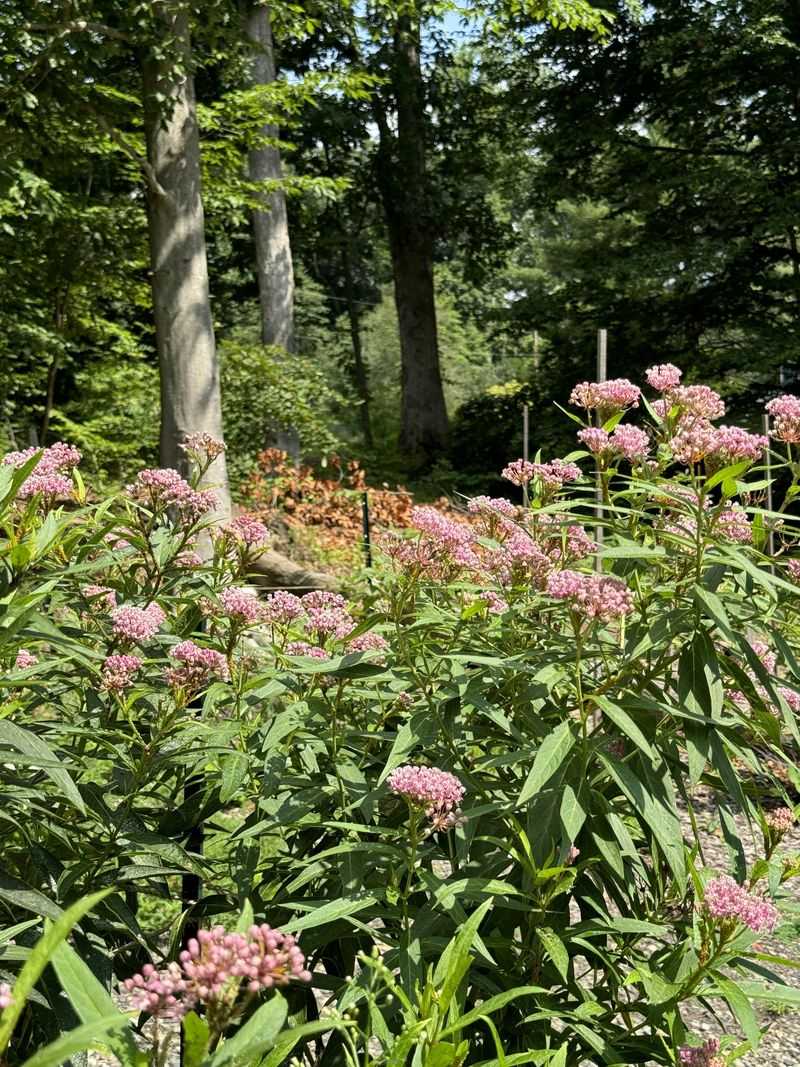
Heavy gumbo clay sticks to your boots after a North Texas rain and cracks wide open by July. Many plants sulk in it.
Green milkweed (Asclepias viridis) shrugs.
North Haven Gardens in Dallas is a strong resource for Texas native plants, and nearby shops like Marshall Grain in Colleyville and Weston Gardens in Bloom in Fort Worth carry natives too. Ask specifically for green milkweed, one of the most common milkweeds across Texas and a natural fit for sunny prairie ground.
According to Texas A&M AgriLife Extension, native milkweeds support monarchs during the spring and fall migrations, and green milkweed is often the first host monarchs find in spring. It handles a little extra moisture, so it works in rain gardens too.
Plant 3 or more together, about 2 feet apart. A small cluster is easier for a passing mother monarch to spot than one lonely stem.
Clay soil finally has a job, and it is a good one.
7. Lindsay’s Native Plants Serves Gulf Coast Wet Ground
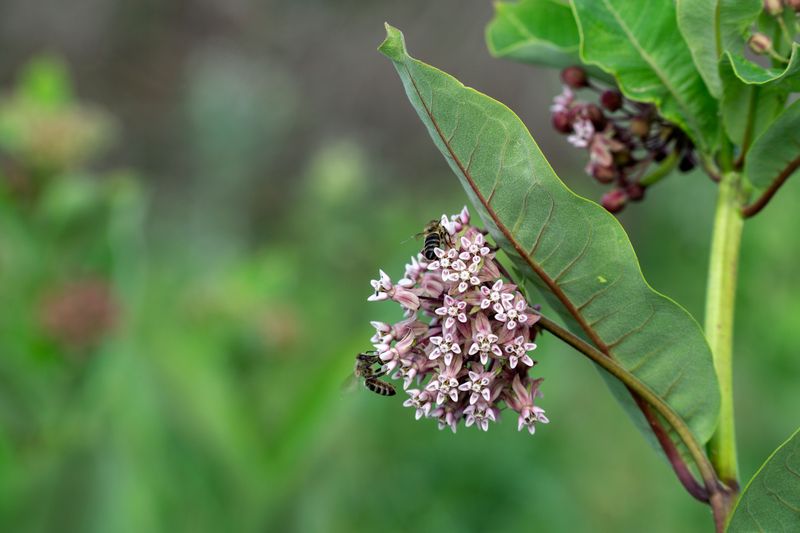
A summer storm parks over Conroe, dumps 4 inches in an afternoon, and half the backyard turns into a shallow lake. Most butterfly plants drown in that.
A few natives actually enjoy it.
Lindsay’s Native Plants in Conroe specializes in Texas natives suited to East Texas and the Gulf Coast. Ask about swamp milkweed and aquatic milkweed (Asclepias perennis), which thrives in wet soil and can survive occasional flooding.
Long-leaf milkweed grows naturally in southeastern Texas counties too.
Gulf Coast soils swing between sandy and sticky clay, and hurricane season runs June through November. Wet-loving milkweeds give monarchs a host plant even in low spots where other gardens fail.
Plant in spring after the last frost, usually by mid-March near Houston. Give aquatic milkweed partial shade if afternoon sun hits hard.
That swampy corner you used to apologize for may soon be the busiest spot in the yard.
8. Native Nurseries Pay Off Most When Timed With Migration

Every fall, Texas becomes a funnel. Millions of monarchs pour through a flyway about 300 miles wide, from Wichita Falls to Eagle Pass, between late September and early November.
That timing is why shopping at the right nursery is only one layer of the plan. In spring, monarchs leaving Mexico in early March lay eggs on emerging milkweed through April.
In fall, the adults mostly need nectar, so pair your milkweed with Gregg’s mistflower, flame acanthus, and autumn sage.
Oleander aphids, the bright yellow bugs clustering on stems, will likely show up. Blast them with a hose instead of spraying insecticides, even organic ones, because sprays can kill caterpillars.
Texas A&M AgriLife Extension specialists also suggest cutting tropical milkweed back in fall if you already have it.
Add a shallow dish of pebbles and water for thirsty butterflies. Then sit on the porch one October evening and count the orange wings drifting south.
You helped them get there, and that is a quiet kind of proud.
