
8 Tips For Growing Lemon Trees In Containers Through A North Carolina Summer
Follow us on Google
You drag your patio chair into the shade, iced tea sweating in your hand, and there sits your potted lemon tree soaking up the Piedmont sun. Those little green fruits are already dreaming of lemonade, but Carolina summers have a way of testing citrus.
The heat bakes the pot, the storms drown the roots, and the bugs move in like they own the place. Here are eight neighbor-tested moves to keep your container lemon tree happy and heavy with fruit all season long.
1. Choose The Right Container From The Start
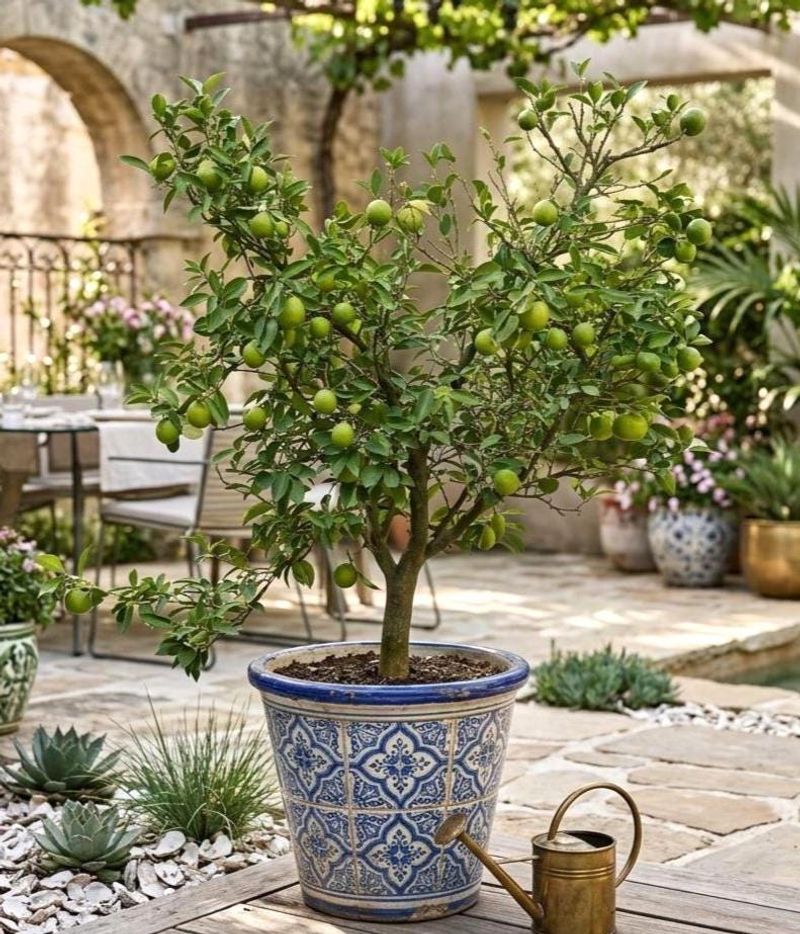
The pot you grab matters more than most folks expect, and it starts working against you the moment July arrives. Dark plastic pots soak up sun like a parked car, and root temperatures climb until your tree is quietly cooking in place.
Here is the fix. Reach for a lighter-colored container, terra cotta or glazed ceramic, which reflects heat and lets a little air move around the roots.
Go at least 18 to 24 inches wide for a mature dwarf lemon so the roots can spread and stay cooler.
Drainage is the other half of the story. Wet feet are genuinely a lemon tree’s worst enemy, and our heavy afternoon storms can leave a poorly drained pot soggy for days.
Make sure yours has several open holes at the bottom so water runs right through.
Get the pot right, and half your summer battle is already won before you plant a thing.
2. Give Your Lemon Tree Just Enough Sun, And Maybe A Little Shade
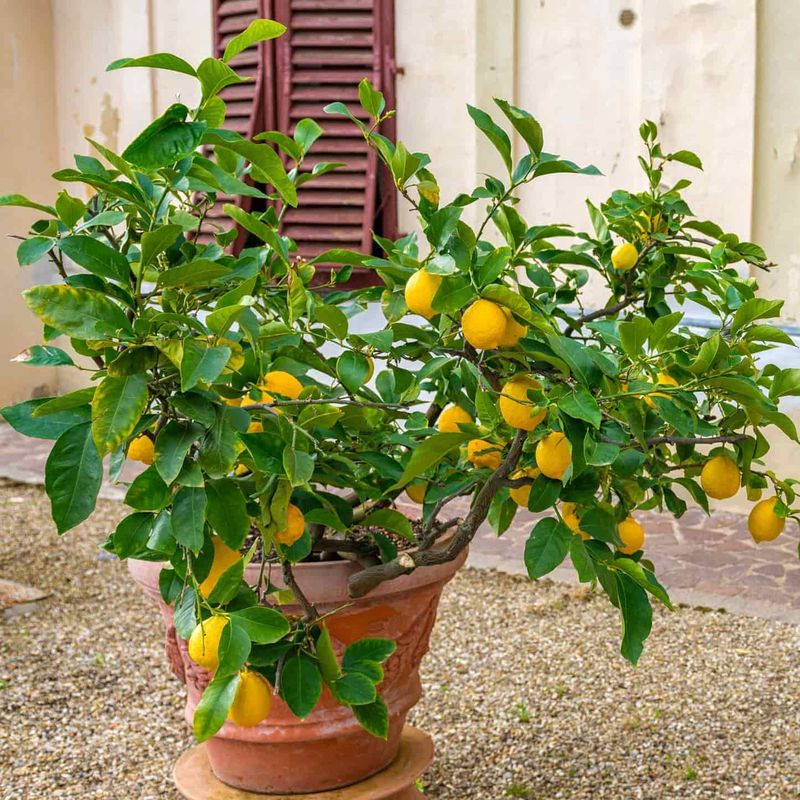
Lemon trees are sun worshippers, plain and simple. They want six to eight hours of direct light a day to actually set fruit, so a shady corner will leave you with a pretty green shrub and nothing to squeeze.
But here is where it gets tricky in North Carolina. Down in the Coastal Plain and the Sandhills, that afternoon sun turns brutal, and a potted tree bakes in the western blaze until its leaves scorch at the edges.
The sweet spot is direct morning sun with a little dappled shade during the hottest stretch, roughly noon to four. An east-facing porch spot that gets shielded from the western glare works beautifully.
Give your tree that break, and it stops just surviving and starts pouring energy into ripening those zesty lemons instead.
3. Water Deeply And Consistently Through Our Humid Summers
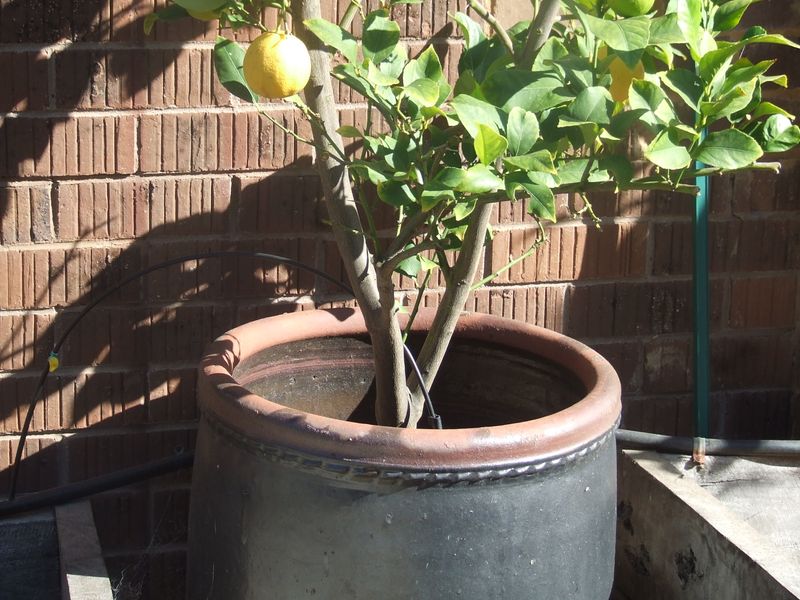
Our summers are a strange mix. You get soupy humidity and sudden downpours, yet container plants still dry out faster than anything planted in the ground.
Water deeply until you see it running from the drainage holes, then let the top one to two inches of soil dry before you go again. During a heat advisory, that might mean every two to three days, or even daily when a hot, dry wind kicks up.
A large, mature tree can drink 20 to 30 gallons every three to five days in extreme heat. So check the soil with your finger or a moisture meter rather than watering blindly on a calendar.
Overwatering is just as dangerous as under. In our muggy conditions, a constantly soggy pot invites root rot, and that quiet trouble spreads before you ever see it up top.
Read the soil, not the sky.
4. Feed Your Tree Often With The Right Nutrients
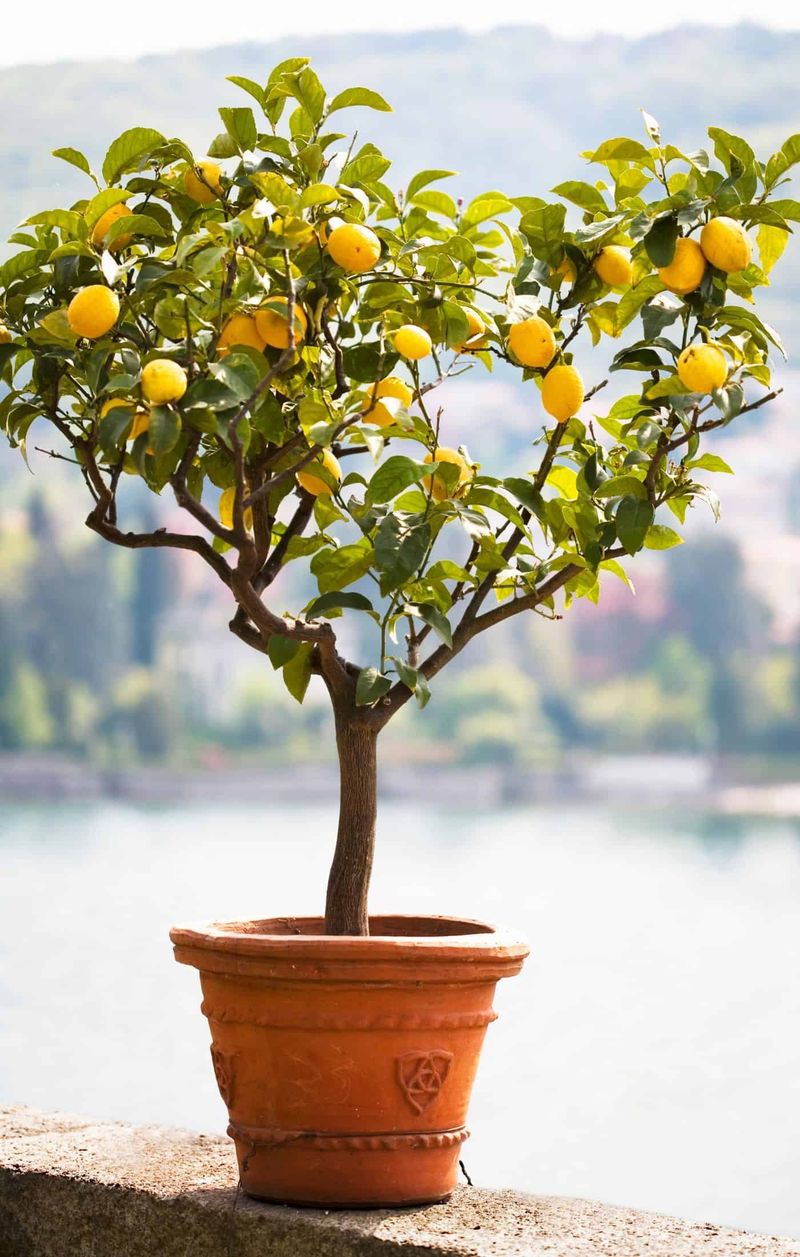
A lemon tree in a pot depends on you for every bite it gets, and these trees are hungry, especially across our long Carolina growing season. Nutrients wash straight out the bottom of a container faster than they ever would from a garden bed.
Reach for a fertilizer made for citrus or acid-loving plants, something around a 6-3-3 or 7-3-3 ratio, with the micronutrients that matter, iron, zinc, and manganese. Apply it every four to six weeks from early spring through late summer.
Some Piedmont gardeners keep it simple with a balanced 10-10-10, spreading about one cup around the pot rim in spring, June, and August. Either route works, so pick what you will actually keep up with.
Water thoroughly right after feeding. That carries the nutrients down to the roots and keeps the fertilizer from burning them, which is the small step people skip and regret.
5. Choose A Well-Draining Potting Mix For Happy Roots
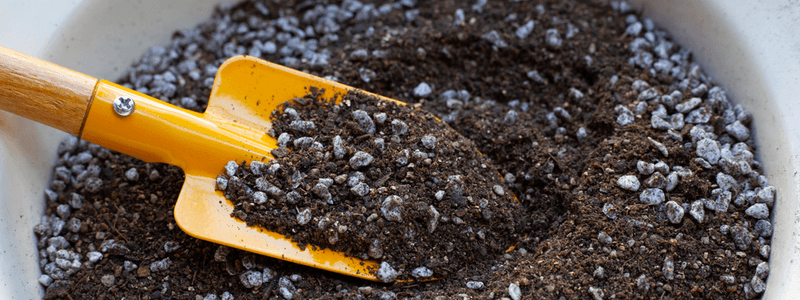
That famous North Carolina red clay is great for a lot of things, but your container lemon tree wants nothing to do with it. Native garden soil packs down dense in a pot and practically smothers the roots.
What citrus wants is a mix that drains fast but still holds a bit of moisture and nutrition. A commercial citrus potting mix does the job, or you can blend your own with equal parts peat moss, perlite, and compost.
Aim for slightly acidic soil, a pH between 5.5 and 6.5, which is where lemons feel most at home. A mix heavy on bark works too, and coco coir adds structure, though it holds a lot of water so go easy in our humid climate.
Get the soil light and airy, and the roots breathe. Happy roots up top show as glossy leaves and steady fruit.
6. Prune Lightly For Shape And Better Fruit Production
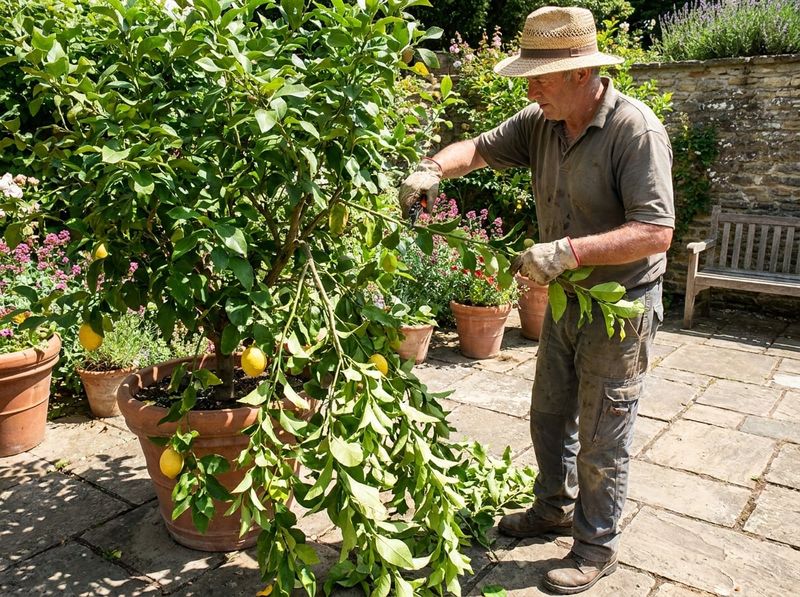
A light hand with the shears keeps a potted lemon compact, healthy, and loaded. Most heavy pruning happens in late winter or early spring before new growth wakes up, but summer is fair game for gentle touch-ups.
Snip out any dead, diseased, or crossing branches to open airflow through the middle of the plant. In our sticky Carolina humidity, that breathing room does real work against fungal trouble.
Opening the canopy a bit also lets sunlight reach the inner branches, where hidden blossoms often hide. Just do not get carried away.
Removing more than 20 to 25 percent of the canopy in a single year stresses the tree hard.
Thoughtful trimming rewards you. More light and air means more blooms, and more blooms means more of those lemons landing in your kitchen.
7. Keep An Eye Out For Pesky Summer Invaders
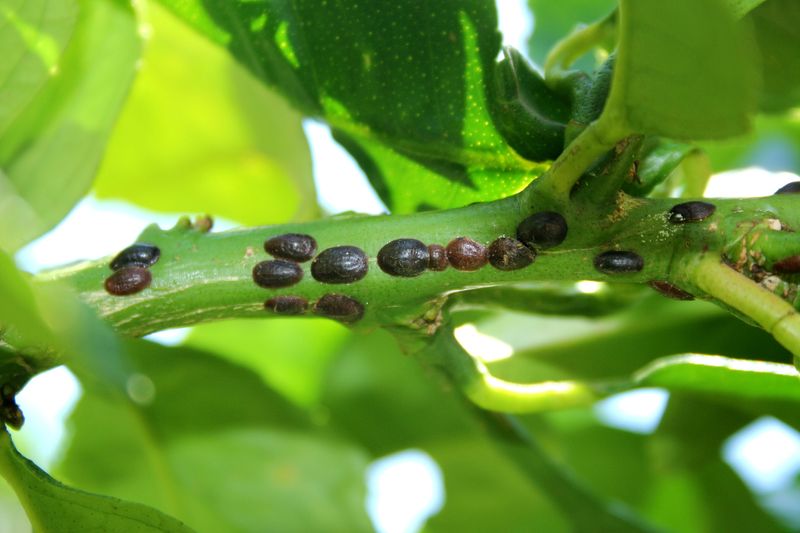
Warm, humid Carolina summers are basically a playground for bugs, and your lemon tree sends out an open invitation. Aphids, scale, spider mites, and whiteflies all show up looking for a free meal.
Watch for the clues. Cottony white clusters point to mealybugs, and a black, sooty mold on the leaves usually means sap-suckers are dripping honeydew where they feed.
Catch it early and you win easy. A strong blast of water knocks many pests right off, and stubborn infestations respond to insecticidal soap or neem oil when you follow the label.
Neither is a magic solution, so think of them as one layer, not the whole plan.
Regular check-ins are the real trick. Stay watchful and these scheming little antagonists never get the upper hand on your quiet hero of a tree.
8. Plan For Overwintering While Enjoying Summer’s Bounty
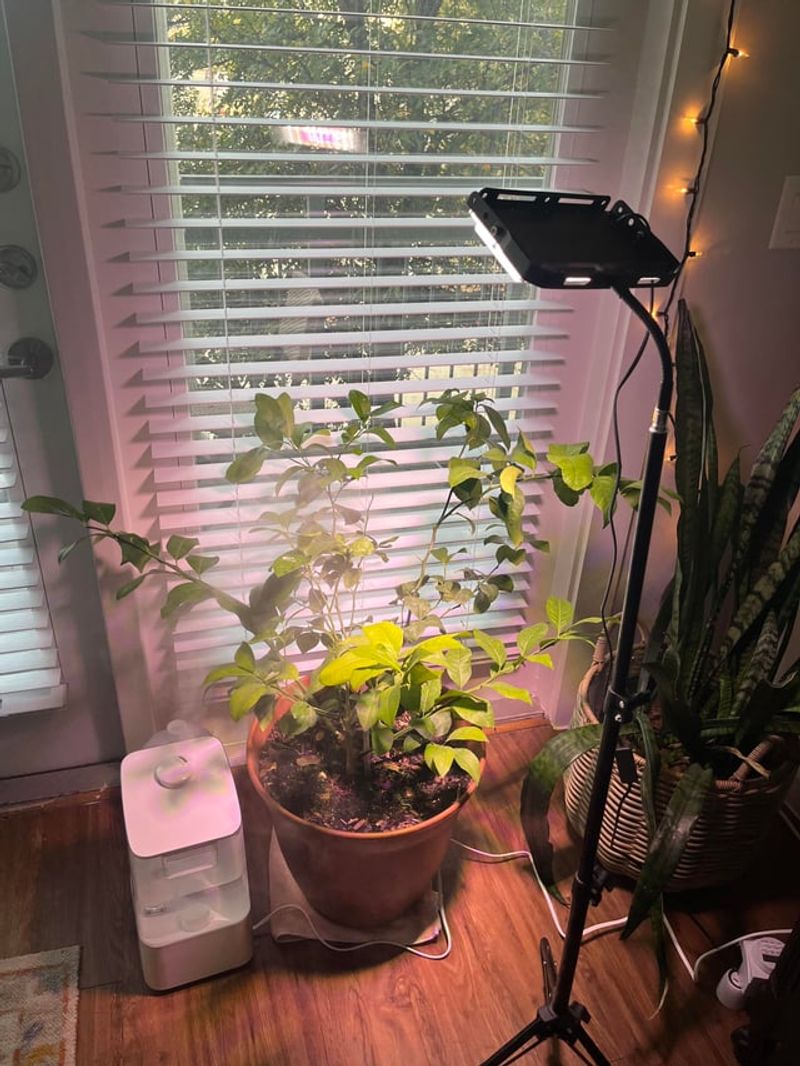
Right in the thick of summer harvest, the smart move is to think about winter. North Carolina winters run mild, but a surprise cold snap can drop temperatures well below freezing, and most lemons, including the beloved Improved Meyer lemon (Citrus x meyeri), cannot take that.
Here is the quiet advantage of growing in a container. You can wheel the whole tree indoors before the cold arrives, usually once nighttime lows settle below 40 to 50 degrees, and definitely ahead of the first hard frost.
Scout the spot now while you are relaxed. A sunny, south-facing window in a garage or sunroom keeps the tree happy through the chill.
So while you are squeezing lemons over sweet tea this July, you are also setting your tree up to bounce back strong next spring. That is the kind of planning that feels good later.