
The Tick-Eating Birds North Carolina Homeowners Can Actually Draw Into The Yard
Follow us on Google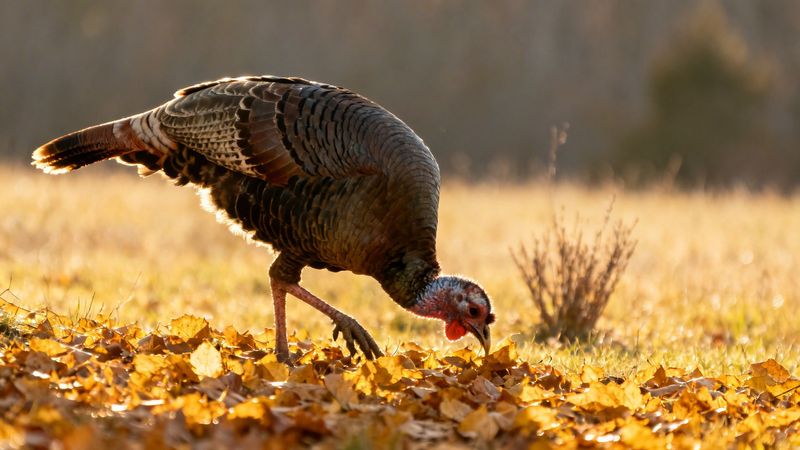
You drag your patio chair into the shade of the old oak, sweet tea sweating in your hand, and the July heat sits heavy on your shoulders. Then you feel it, that tiny crawl up your calf.
Another tick, and another evening half-ruined. But here is the good news for North Carolina yards.
You can invite feathered allies that treat ticks like a snack, and turn your porch back into a place your family actually wants to be.
1. Wild Turkeys Are The Overlooked Tick Vacuums
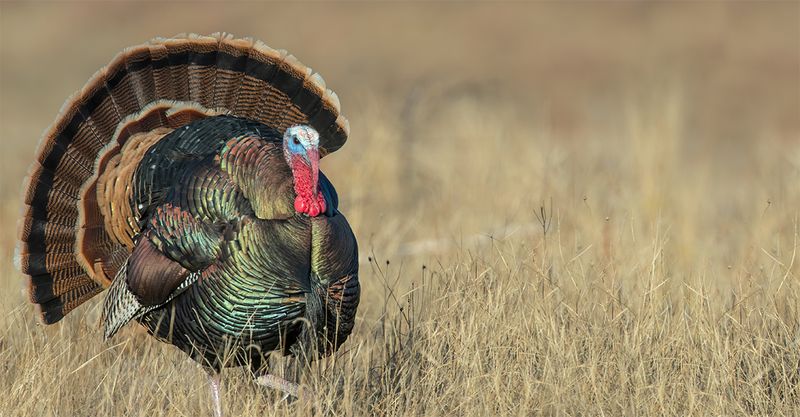
Forget the guinea fowl hype for a second. If you back up to woods anywhere in North Carolina, wild turkeys (Meleagris gallopavo) already patrol the leaf litter where ticks hide, and they are genuinely thorough about it.
Here is the turn. Turkeys spend hours scratching through the top inch of soil and old leaves, exactly where tick nymphs wait for a host to brush past.
Some studies suggest a single foraging turkey can pick off hundreds of ticks a day while it hunts for beetles, acorns, and seeds.
You will not lure a whole flock with a feeder, and that is fine. What draws them is a wilder edge, a strip of unmowed ground about 10 feet deep where oaks drop acorns each fall.
Leave the leaf litter under those trees instead of blowing it all away.
Turkeys are shy, so keep dogs from that zone during early morning when the birds move through. It is not a magic solution, just one quiet layer of a yard that fights back.
2. Eastern Bluebirds Work Your Lawn All Summer
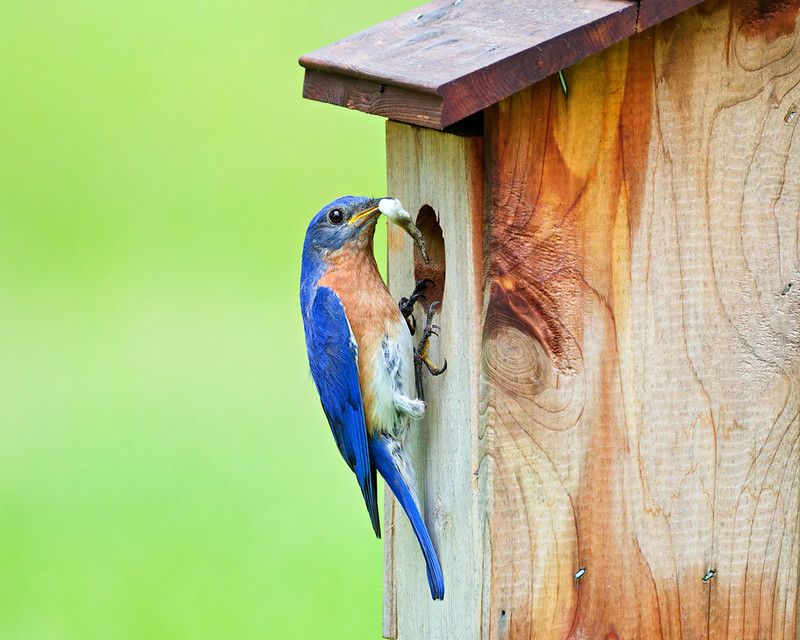
Picture a flash of blue dropping from a fence post to the grass, snapping up something, then bouncing back up. That is an Eastern bluebird (Sialia sialis) hunting, and open lawns edged with a little cover are its favorite dinner table.
Bluebirds hunt by sitting on a low perch, scanning the ground, then pouncing on insects and, yes, ticks moving through short grass. They are one of the few tick-eaters that genuinely prefer the mowed, sunny parts of a yard where your kids actually play.
To pull them in, mount a nest box about 5 feet high on a post, facing an open area, away from heavy foot traffic. Add a scattering of dried mealworms in a shallow dish come April when parents are stuffing hungry chicks.
Baby bluebirds run on protein, so more nesting pairs means more constant hunting across your grass.
Across the Piedmont, bluebirds raise two or three broods a season. That is months of free patrol over the exact spaces you care about most.
3. Carolina Wrens Comb The Brush You Forgot
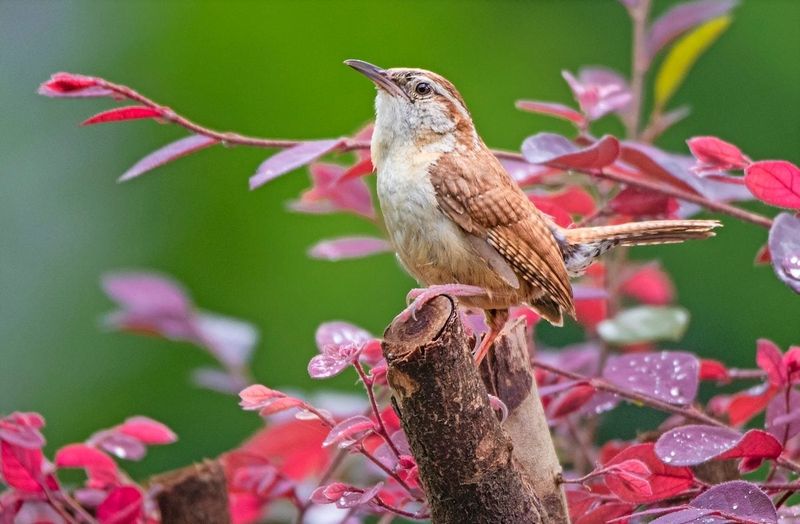
Loud for their size and impossible to ignore, Carolina wrens (Thryothorus ludovicianus) are the busybodies of the shrub layer. They poke into every crack, brush pile, and tangle looking for spiders, insects, and the ticks clinging near the ground.
What makes them different is where they hunt. Bluebirds like the open lawn, but wrens work the messy edges and thick cover where ticks are thickest, the places you would never walk barefoot anyway.
Give them a low, loose brush pile in a back corner, maybe 3 feet across, and leave a shrub or two unpruned. They will happily nest in a hanging basket, a garage nook, or a small wren box tucked in cover.
A suet cake with insects mixed in keeps them close through winter cold snaps.
Wrens do not migrate out of North Carolina, so they earn their keep year round. Once a pair claims your yard, they rarely leave, singing their heads off while they clean up the corners you would rather not.
4. Northern Bobwhite Quail Sweep The Ground Cover
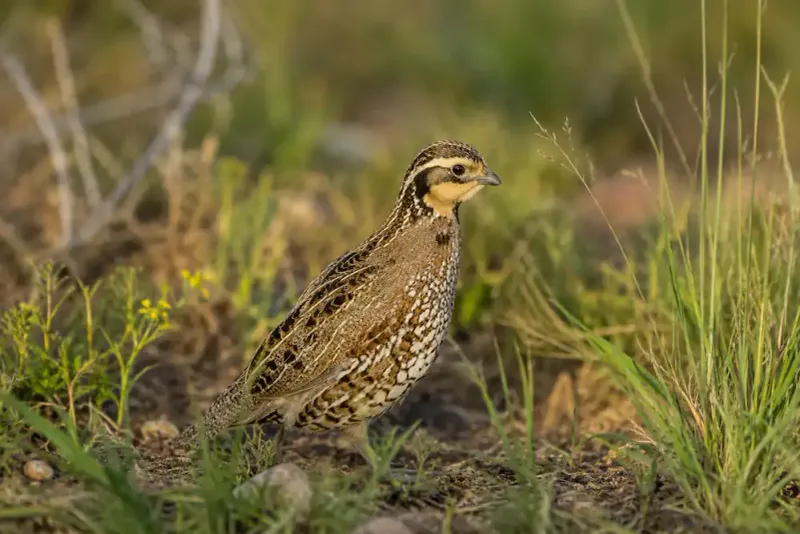
That soft, whistled bob-white call drifting from a field edge belongs to a bird that used to be everywhere in North Carolina and now needs your help. The Northern bobwhite (Colinus virginianus) is a ground specialist, and ground is exactly where ticks live.
Bobwhites travel in coveys, scratching and pecking through low vegetation for insects, seeds, and the larvae and ticks hiding in the thatch. In the sandy Sandhills and Coastal Plain, they thrive on messy, weedy ground rather than tidy turf.
Here is the catch. You will only draw quail if you have room for a genuinely wild patch, at least 10 by 10 feet of native grasses and wildflowers left unmowed, with bare soil showing between clumps so chicks can move.
NC State Extension has long promoted this kind of early successional habitat for bobwhite recovery.
They are not a backyard feeder bird, and that is the honest truth. But on larger rural lots, a native grass corner brings back both the call and the quiet tick control that came with it.
5. Carolina Chickadees Feed Ticks To Their Chicks
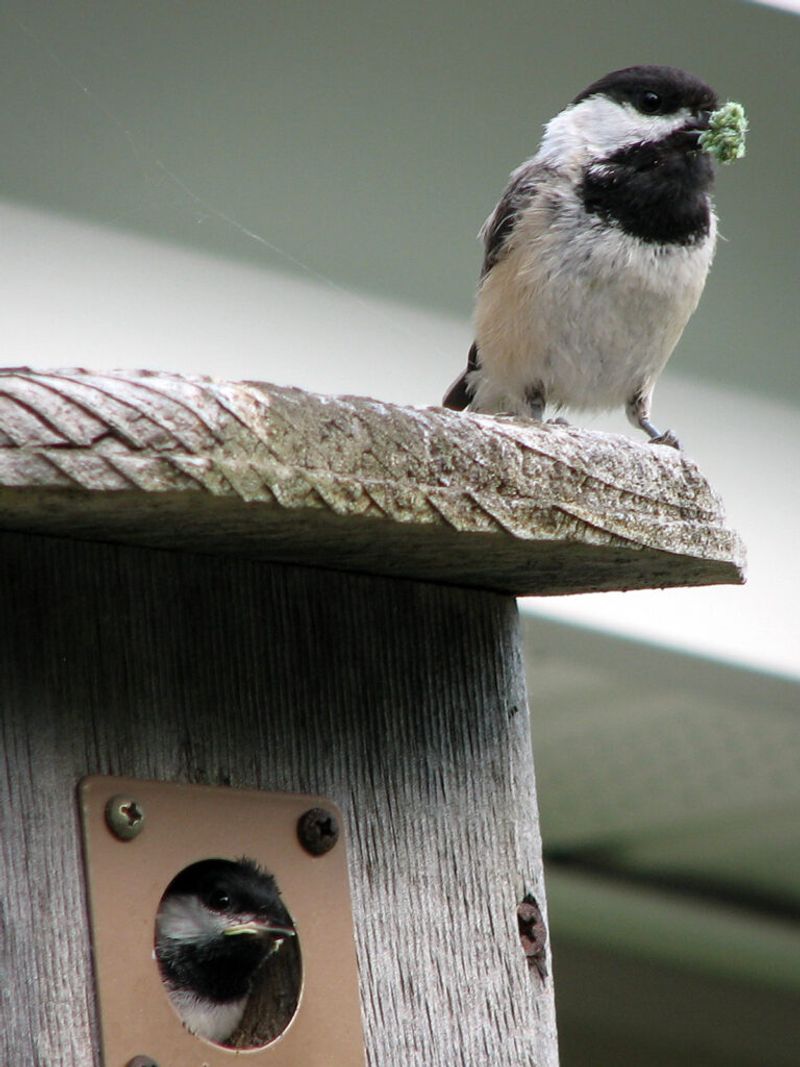
Small enough to fit in your palm, the Carolina chickadee (Poecile carolinensis) delivers a shocking number of bugs to its nest. Researchers have found a single chickadee pair can bring thousands of insects and spiders to their chicks over a few weeks.
The turn most people miss is scale. Chickadees hunt the trunks, twigs, and leaf undersides where ticks sometimes climb, and they never stop during nesting season.
All that hunting spills over onto your whole yard.
To keep them here, hang a nest box with a 1 1/8 inch entrance hole, small enough to shut out bigger competitors, about 6 feet high in a quiet spot. Native oaks (Quercus species) matter more than any feeder, because those trees host the caterpillars chickadees need most.
Skip the broad insecticide sprays if you want these birds, since you would be erasing their food supply. Feed the caterpillar factory, and the chickadees handle the rest, one tiny beak-full at a time.
6. Layered Native Plants Are What Actually Holds Them
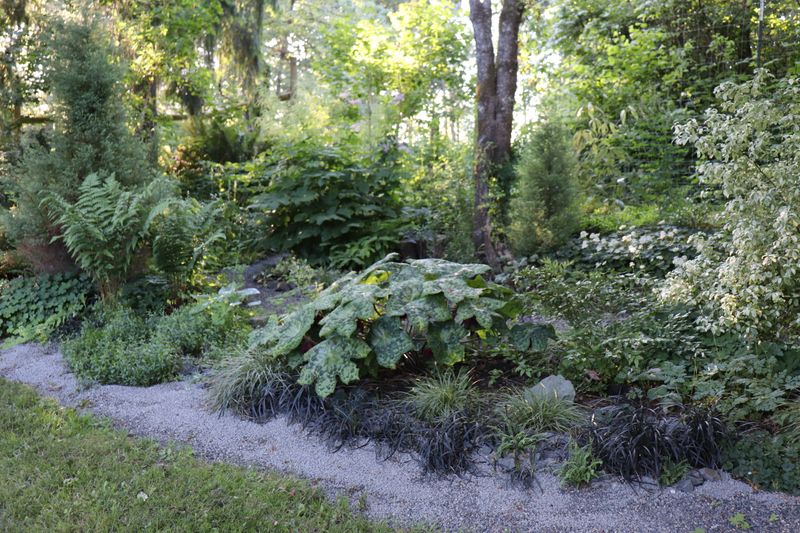
A healthy mountain forest edge is never one flat height. It rises in layers, tall trees over shrubs over groundcover, and that structure is the real secret to holding a crew of tick-eating birds instead of a single visitor.
Different birds hunt at different levels. Wrens work the shrubs, bluebirds the open ground, chickadees the canopy.
Give them all a floor, and they stay.
Build the layers with native trees like oaks or black cherry (Prunus serotina) up top, native azaleas (Rhododendron canescens) or inkberry holly (Ilex glabra) in the middle, and a leaf-litter groundcover below. Space shrubs about 3 to 4 feet apart so they knit into cover without crowding.
Native plants pull double duty here. They host the caterpillars and beetles birds feed on, so more insects genuinely means more birds hunting your yard.
In the Piedmont red clay, work in a few inches of compost at planting so those natives settle in through the first muggy summer.
7. Fresh Water Turns Visitors Into Regulars
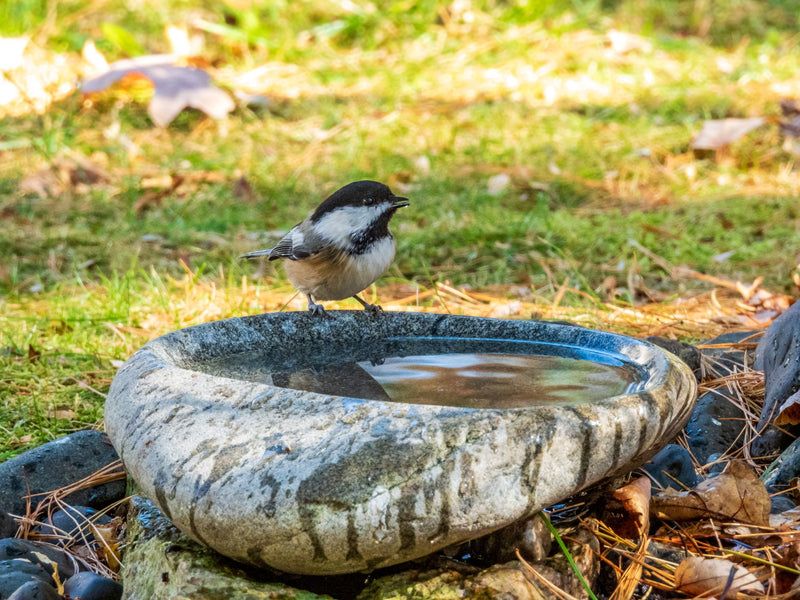
On a muggy Coastal Plain afternoon, nothing pulls a crowd like water. Birds feel that heat too, and a reliable water source can draw insect-eating species that a feeder alone never would.
Keep it shallow, no more than 3 inches deep, and drop a few stones inside so small birds have safe footing. Moving water wins, since the sparkle and sound of a small bubbler catch a bird’s eye from across the yard.
Change the water every day or two through summer, both to keep it clean and to stop mosquitoes from breeding in it. Stagnant water works against everything you are trying to fix, so treat that refill like watering the tomatoes.
Set the bath in light shade near your layered shrubs, about 10 feet from cover, close enough that birds feel safe from a swooping hawk but open enough to spot a cat. Water is a small effort that keeps the whole hunting crew coming back day after day.
8. Nest Boxes And Cover Make Them Move In
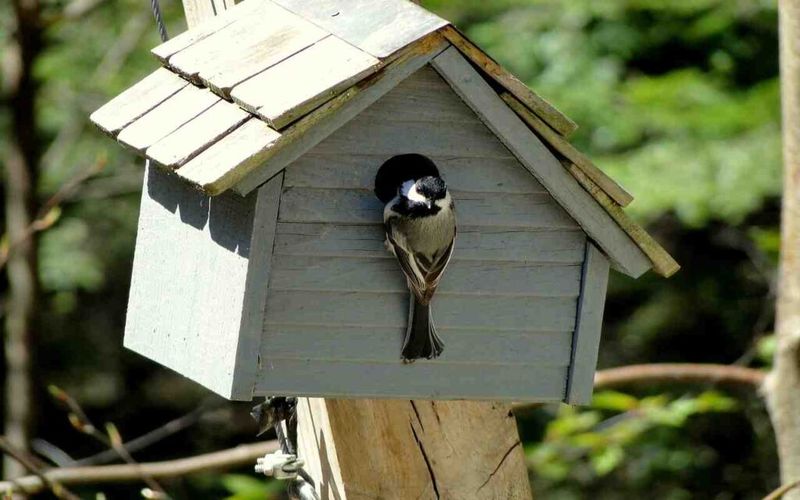
A yard that welcomes birds gives them more than a snack. It gives them a place to raise a family, and resident nesting birds hunt far harder than passing visitors ever will.
The math is simple and a little relentless. Every nest full of chicks means two exhausted parents scouring your yard for bugs from dawn to dark, ticks included, for weeks straight.
Put up nest boxes matched to the birds you want, chickadee and titmouse (Baeolophus bicolor) boxes in quiet corners facing away from foot traffic. Let one area go a little wild with thicker shrubs, and leave a dead branch or two standing where it is safe, since cavity nesters love a good snag.
Face box entrances away from prevailing storms, which in North Carolina often blow in from the west and south. Give them shelter from those summer thunderstorms and surprise winter cold snaps, and they stop being guests.
They become the household patrol.
9. What Else Actually Helps Keep Ticks Away
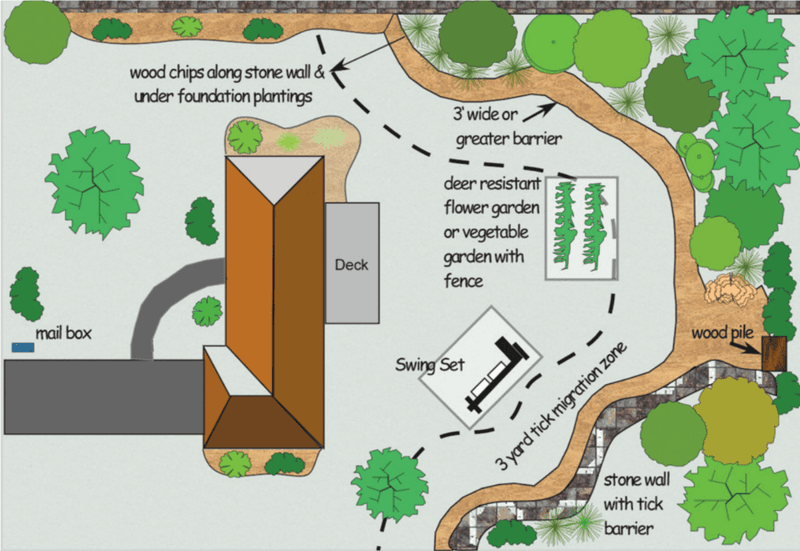
Birds are one layer, not the whole wall. A genuinely tick-reduced North Carolina yard needs a few smart landscaping moves alongside your feathered patrol, and the payoff shows up at the next cookout.
Focus on the edges, that transition where your lawn meets woods or tall grass. Lay a barrier of wood chips or gravel about 3 feet wide between the two, since ticks dislike crossing a hot, dry strip like that.
Keep the grass itself around 2 to 3 inches tall, because ticks love the humid shelter of taller turf. Rake up leaf litter near the house, patio, and play areas where your family actually spends time, and you strip away prime tick hiding spots.
NC State Extension backs this kind of edge management and yard hygiene for reducing tick encounters.
Deer drag ticks in, so plant a few things they tend to skip, like lavender (Lavandula angustifolia) or boxwood (Buxus sempervirens) near entries. Stack the bird habitat on top of these fixes, and your yard finally feels like yours again, safer, more usable, and quietly alive.