
If Your Snake Plant Stays Short And Sparse, These Care Habits Finally Send It Tall
Follow us on Google
Late on a rainy evening, you glance at the snake plant on your side table and feel a small tug of disappointment.
It’s healthy enough, but it just will not reach up the way the ones online do.
Plenty of us have stared at a squat little Dracaena trifasciata and wondered if it is stuck that way forever.
The good news is simple.
A few honest changes to its routine can finally send those stiff leaves climbing.
1. Give It Brighter, Indirect Light For Real Reach
People love to repeat that snake plants live happily in dark corners.
And they do survive there.
But surviving is not the same as stretching upward, and a dim shelf almost always keeps leaves stubby.
Think of light as the plant’s food budget.
A snake plant in shade eats crumbs.
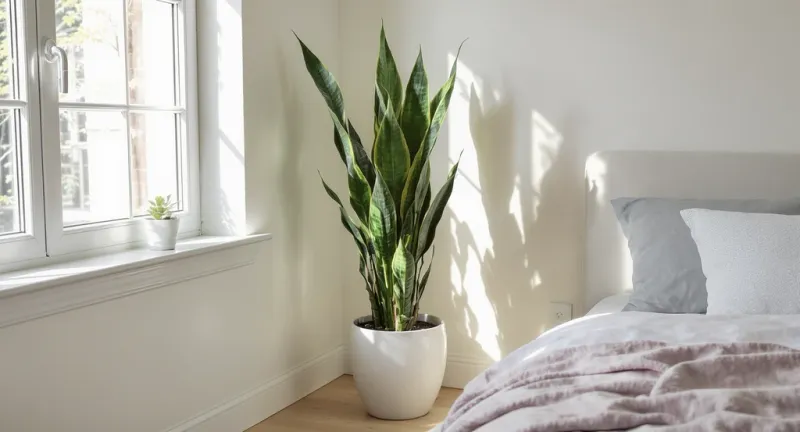
To fund tall growth, it needs several hours of bright, indirect light each day, meaning strong light that never lands as a hot beam on the leaves.
An east-facing window works well, offering soft morning sun without the harsh afternoon punch.
If you only have a south or west window, set the plant 2 to 3 feet back, or hang a sheer curtain to soften the glare.
More light means more energy for photosynthesis, the process plants use to turn light into fuel.
That fuel is what pushes new leaves higher and keeps their color deep instead of pale.
Give it a week or two before you expect visible change, growth here is slow but steady.
2. Resist The Urge To Overwater, Then Water Deeply
The fastest way to keep a snake plant short, and often to kill it, is kindness with the watering can.
Many gardeners drown them because most houseplants beg for frequent drinks.
But this plant is a succulent.
It stores water in those thick, waxy leaves and wants its soil to dry out completely between waterings.
Too much moisture invites root rot, a quiet killer that stalls growth and turns leaves yellow or mushy.
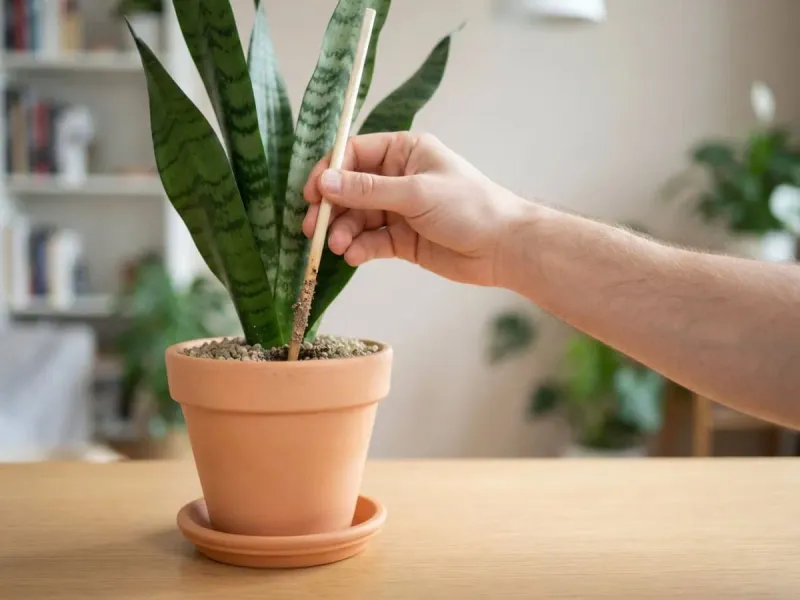
Before you water, push a finger or a wooden chopstick about 2 inches into the soil.
Feel any dampness, walk away.
In warm months you might water every 7 to 10 days, while in cooler seasons that can stretch to every 2 to 3 weeks, sometimes once a month.
When it is time, water deeply until it drains from the bottom, then empty the saucer so roots never sit in a puddle.
That deep-then-dry rhythm builds a strong root system, and strong roots are what hold up tall leaves.
3. Provide A Fast-Draining Soil Mix For Strong Roots
Picture running a race in wet sand.
That is how a snake plant feels when its roots are packed in heavy, soggy soil.
The right mix is genuinely the foundation for height, because it stops rot and lets the underground stems spread freely.
These plants come from dry, gritty ground, so they want a loose blend that drains in seconds.
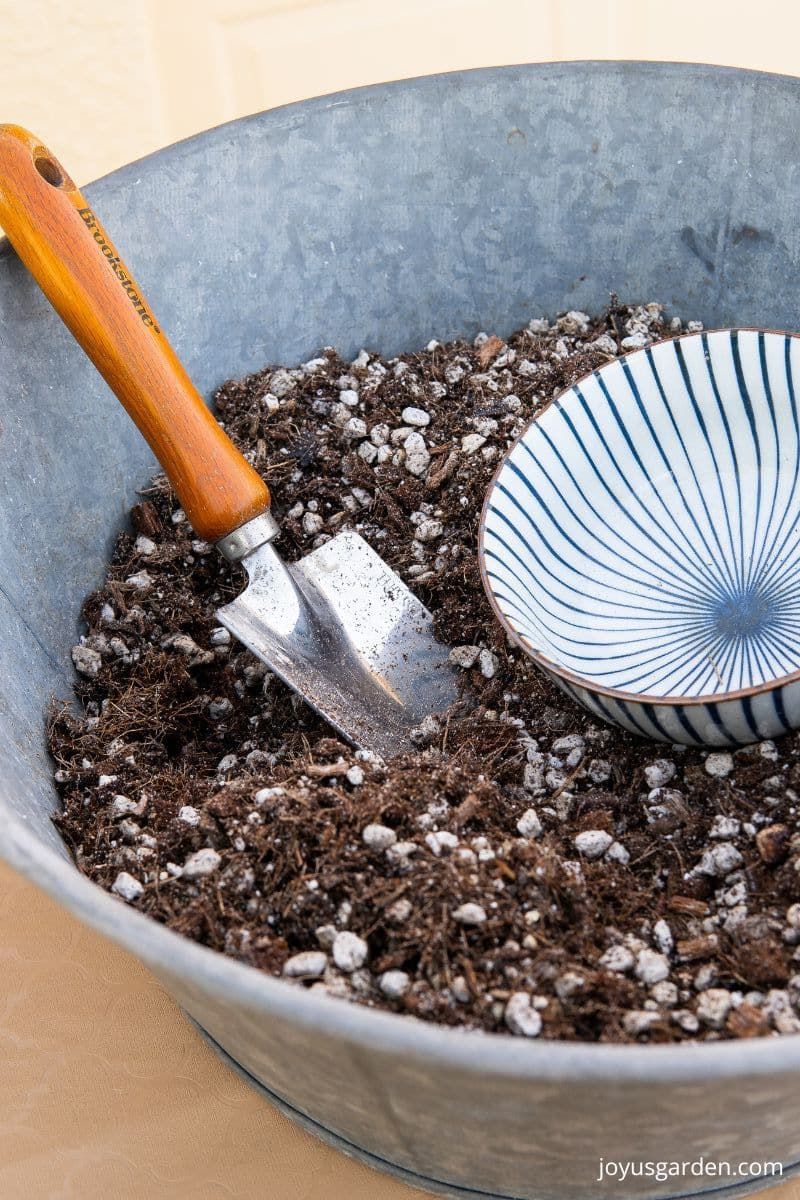
A cactus or succulent potting mix is a solid starting point straight off the shelf.
Want to build your own?
Blend regular houseplant potting mix with equal parts perlite, pumice, or coarse sand.
That combination lets water rush through instead of lingering around the roots.
Whenever you repot, reach for fresh, clean potting mix rather than scooping old dirt from the yard.
Old or garden soil can carry pests and fungus that quietly stall new growth before it ever starts.
4. Choose The Right Pot Size To Encourage Upward Reach
Bigger pot, bigger plant.
It sounds right, and it is wrong for this species.
A snake plant that suddenly gets a huge container often sulks instead of soaring.
Here is the catch.
A large pot holds a large volume of soil, and all that soil stays wet far too long.
For a plant that hates soggy feet, that means more rot risk and energy wasted sending roots sideways instead of leaves upward.
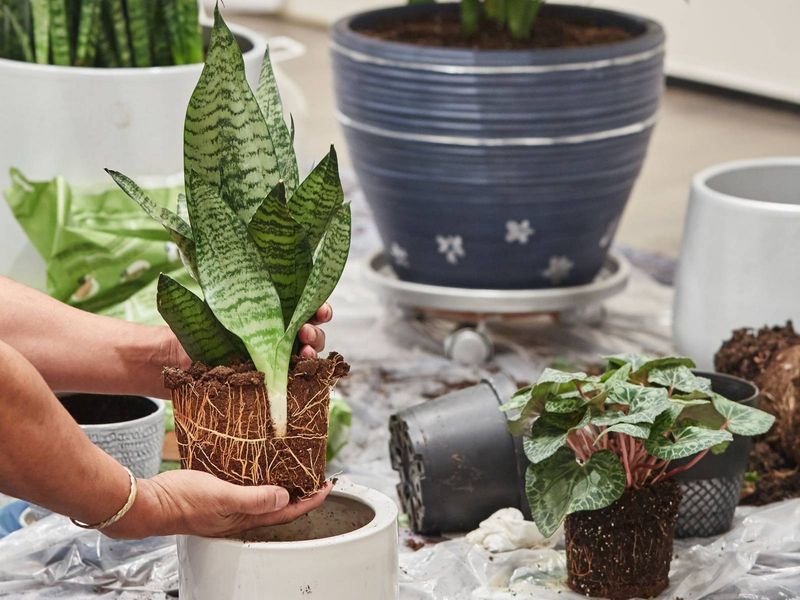
When you do repot, step up only 1 to 2 inches, about 2 to 5 centimeters, wider than the current pot.
That gives roots a little breathing room without swamping them.
Terracotta is a smart pick because the clay is porous and pulls moisture out, drying the soil faster.
Snake plants creep outward through underground rhizomes, thick horizontal stems, so a pot wider than it is deep suits them.
Refreshing them every 2 to 3 years, ideally in spring or early summer, keeps roots fed and ready to push tall.
5. Fertilize Sparingly During Active Growth
Snake plants are not big eaters.
Still, a light meal during the growing season can nudge them toward taller, fuller leaves.
Treat fertilizer as a side dish, never a rescue for weak light or bad watering.
Overdoing it backfires.
Too much feed builds up salts in the soil that scorch roots, yellow the leaves, and shut down growth, the opposite of what you wanted.
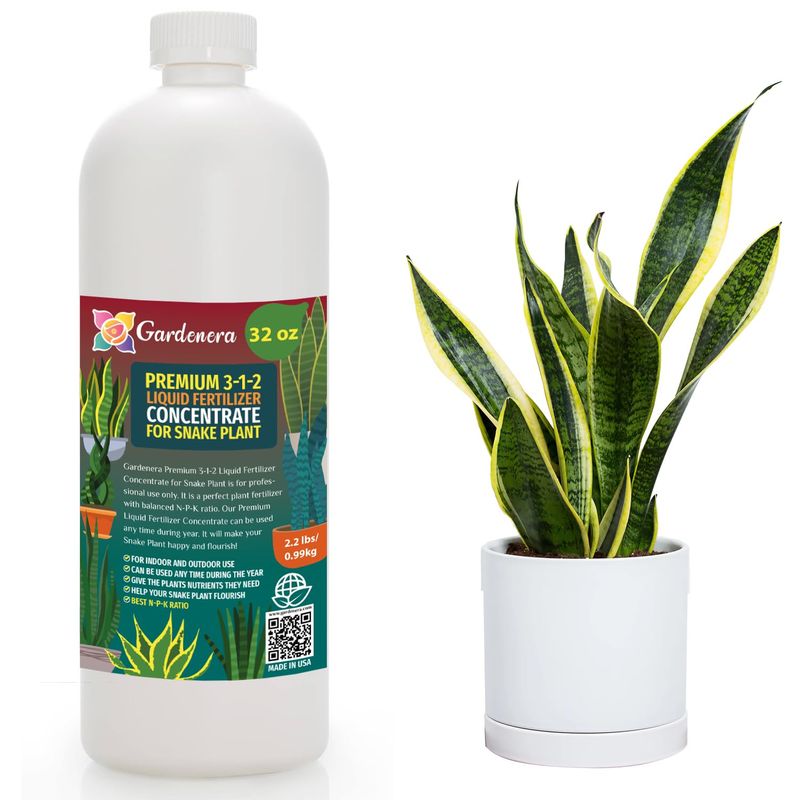
Through spring and summer, when the plant is actively growing, use a balanced liquid houseplant fertilizer diluted to half strength.
Feeding every 4 to 6 weeks is plenty.
Skip it entirely in fall and winter, when growth naturally slows and the plant cannot use the extra.
Look for a balanced formula with equal parts nitrogen, phosphorus, and potassium, listed on the label as N-P-K, to support steady, sturdy leaves over time.
6. Maintain Consistent Warm Temperatures
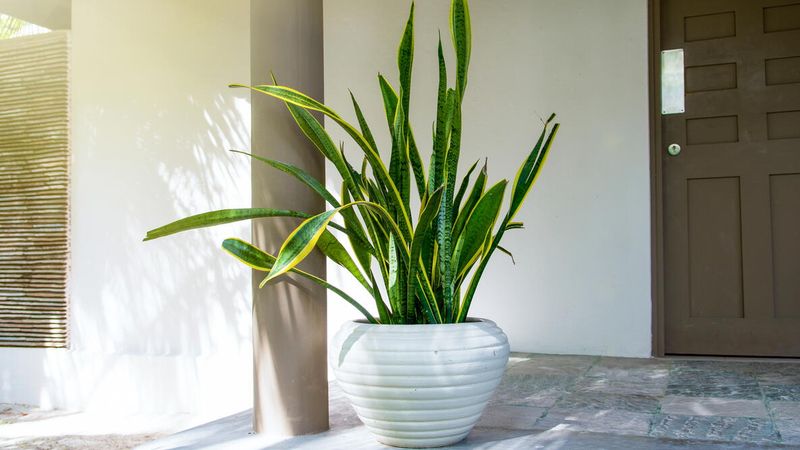
Snake plants trace their roots to tropical West Africa, so warmth feels like home to them.
Cold snaps and swinging temperatures make them tense up and conserve energy instead of building new leaves.
Think of a tomato seedling shivering through a chilly late spring.
It barely grows until things warm up.
Your snake plant reacts the same way to a cold draft.
The sweet spot sits between 60 and 85 degrees Fahrenheit, roughly 16 to 29 Celsius.
Most US homes already live in that range without any effort.
Just keep the plant away from drafty doors, single-pane windows in winter, and the blast of an air conditioning vent.
Prolonged exposure below 50 degrees Fahrenheit, about 10 Celsius, can damage it.
A steady, warm spot lets the plant pour its energy into height rather than survival.
7. Keep The Leaves Clean So Light Gets Through
Run a finger down a snake plant leaf and check your fingertip.
That gray film is dust, and it is quietly stealing light from your plant.
Leaves gather sunlight through their surface, so a coat of dust acts like a dirty window.
Less light in means less fuel for growth, no matter how bright the room.
The fix takes two minutes.
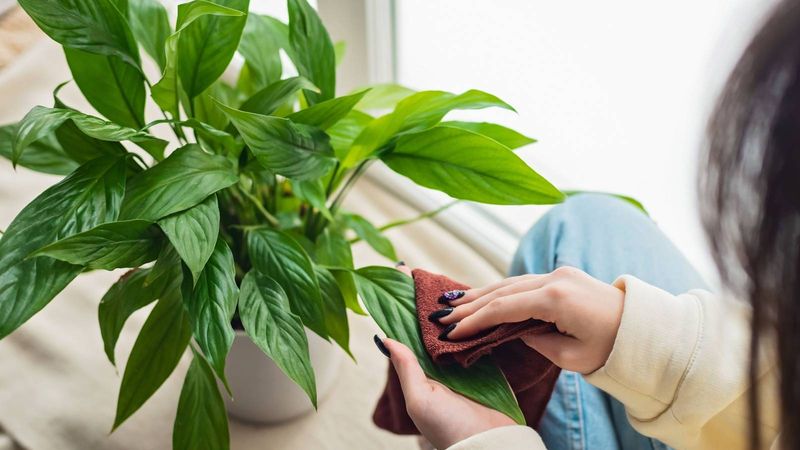
Wipe each leaf gently with a soft, damp cloth every few weeks, top and bottom, holding the leaf steady with your other hand so it does not bend.
Skip leaf-shine sprays.
They can clog the tiny pores leaves breathe through and do more harm than good.
A plain damp cloth is genuinely all the help those leaves need to soak up every ray.
8. Stop Moving It And Let It Settle
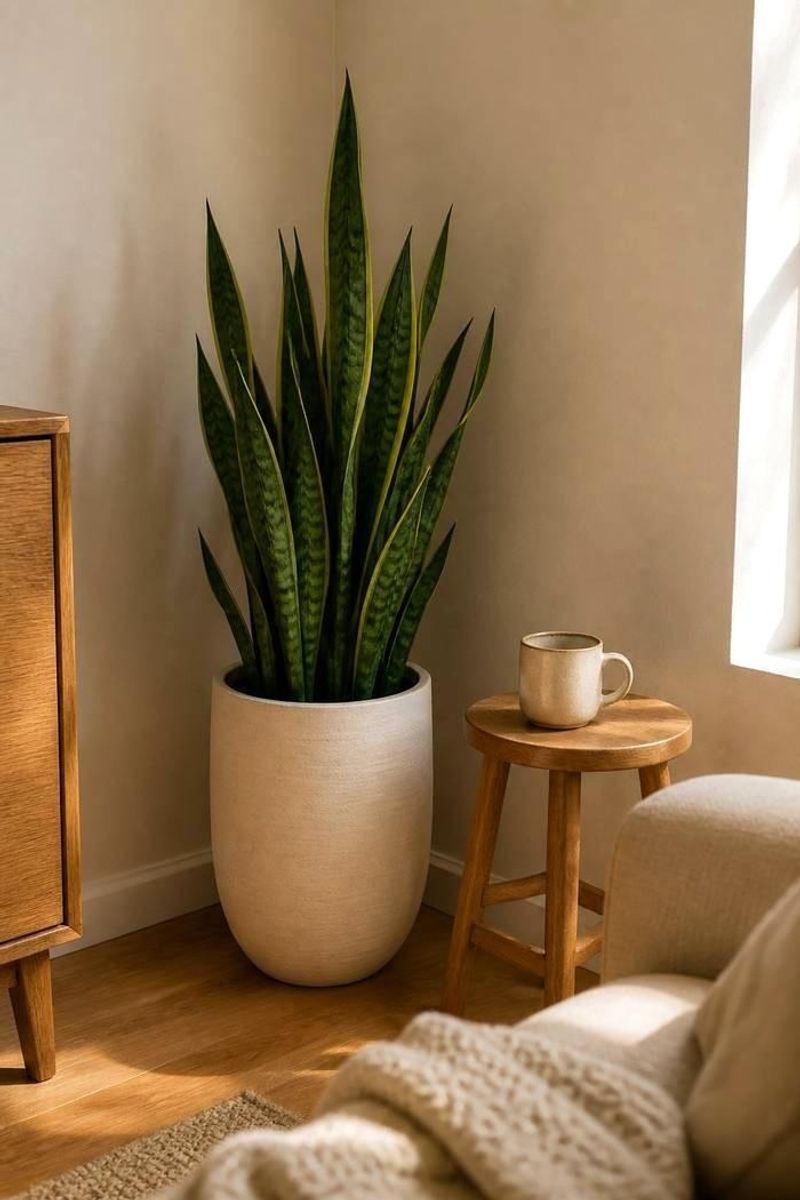
You rearrange the plant every few weeks chasing the best light, and it keeps looking tired.
Snake plants dislike being shuffled around, and constant moves cost them.
Each new spot means new light, new temperature, and new airflow.
The plant spends energy adjusting, called acclimating, instead of pushing out fresh leaves.
So once you find a place with bright, indirect light and steady warmth, leave it there.
Give it a few months before you judge whether the spot is working.
Consistency is the quiet habit that ties all the others together.
A plant that trusts its surroundings settles in and finally starts to climb, one slow leaf at a time.
9. What Else Actually Helps
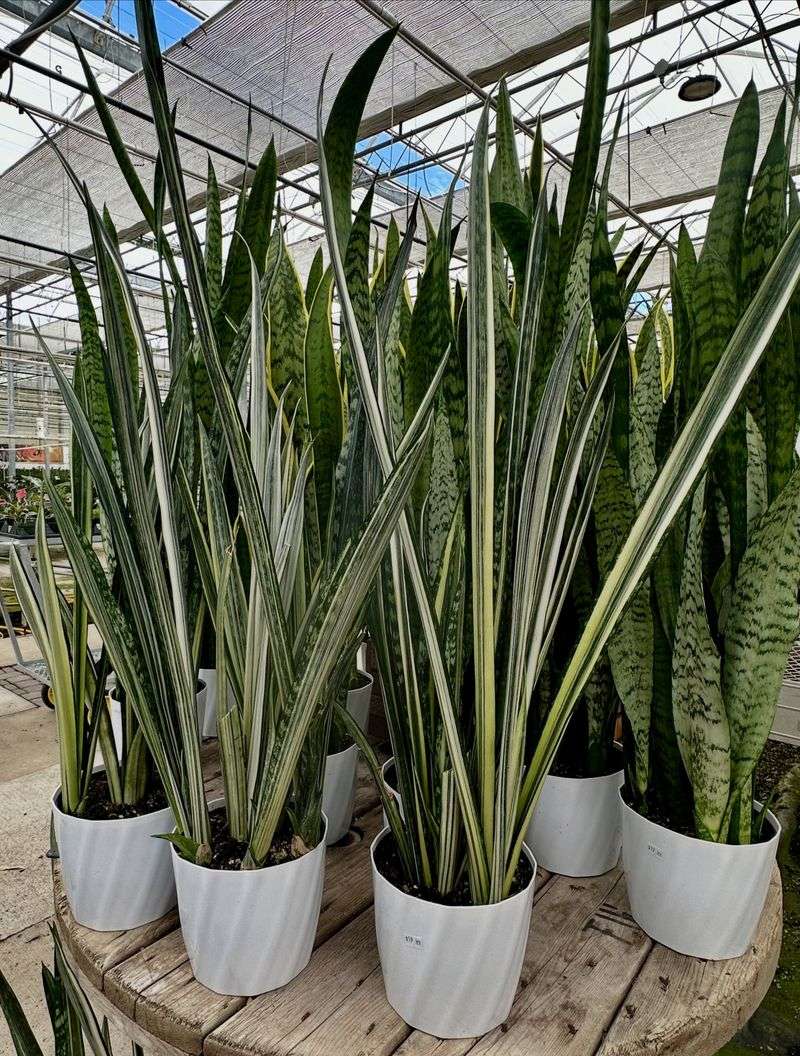
Before you blame your care, check which snake plant you actually own.
Some are simply built short, and no routine changes that.
Dwarf types like Golden Hahnii or plain Hahnii top out around 6 to 8 inches, roughly 15 to 20 centimeters, on purpose.
That is their nature, not a failure on your part.
Many common varieties, though, have real height in them.
Dracaena trifasciata Laurentii can reach 3 to 4 feet indoors, and a tall type like Sansevieria masoniana can climb past 6 feet with steady care.
Height also comes down to patience.
These plants grow slowly, so real change shows over months, not days.
Stack the habits together, bright light, careful watering, gritty soil, a snug pot, and a stable warm spot, and the leaves start reaching.
Give it time, and the short little plant on your table can grow into the standout you pictured.