
Skip The Fussy Hydrangeas And Grow These Pennsylvania Perennials That Bloom All Summer Long
Follow us on Google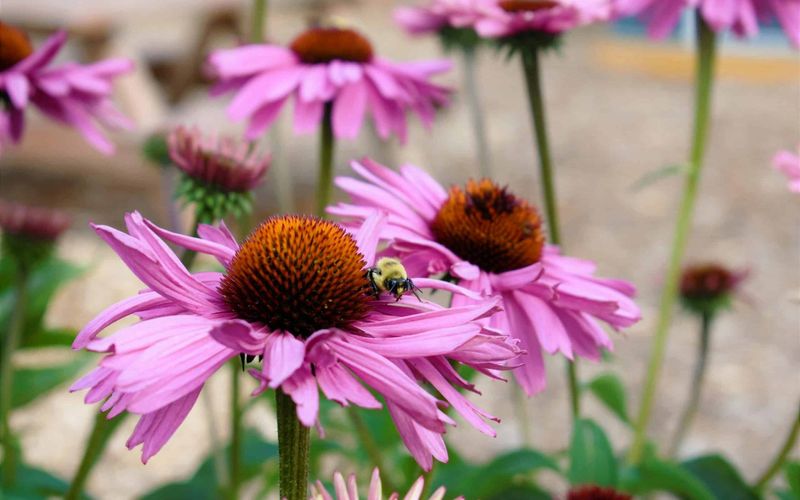
You step into the backyard on a hot July afternoon, the air thick and still, and your hydrangeas look tired.
The big blooms droop, the leaves show brown spots, and you start to wonder if all that fuss was worth it.
You are not alone, because plenty of Pennsylvania gardeners hit this same wall every summer.
But there are genuinely tough perennials at home in our climate that bloom their hearts out from July to frost, asking far less of you than those temperamental cousins.
1. Black-Eyed Susan Will Not Quit On You
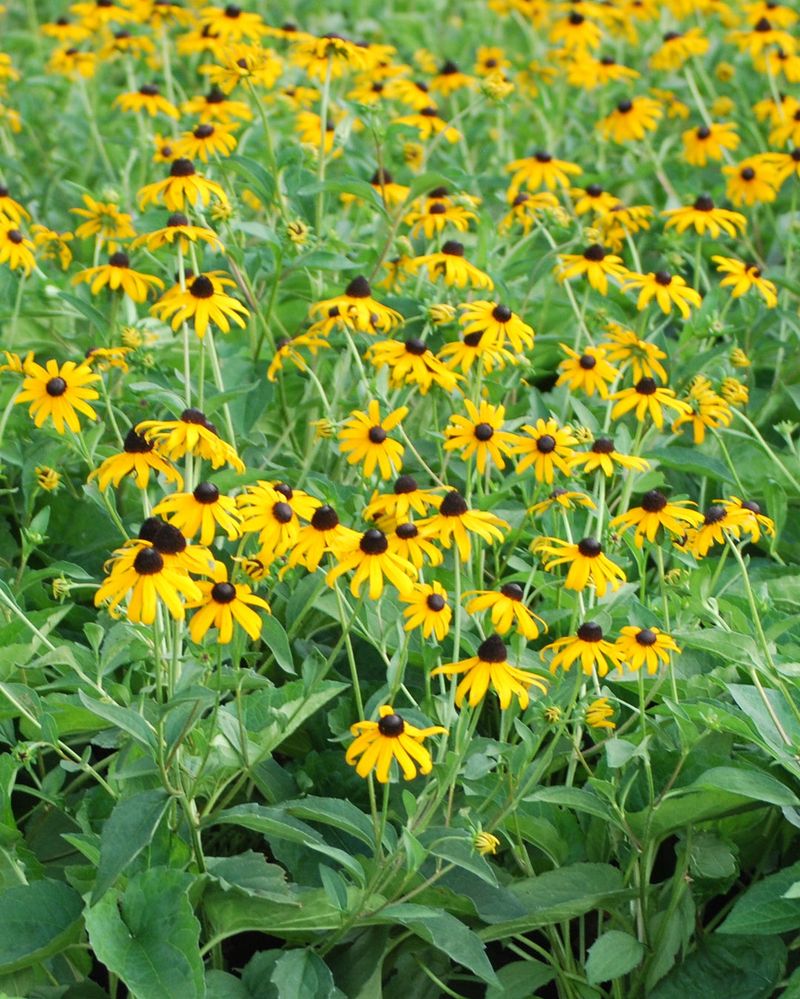
Picture sunshine yellow radiating from dozens of cheerful faces, holding steady from mid-summer straight through the first hard frost.
That is what Black-Eyed Susan gives you, especially the disease-resistant Rudbeckia fulgida ‘Goldsturm’ or ‘American Gold Rush’.
Many gardeners across southeastern Pennsylvania marvel at how these plants keep going while everything else fades.
And here is where hydrangeas lose the race.
Where they demand precise pruning at exactly the right time, Black-Eyed Susan just asks for room to shine.
The plant is about as low-maintenance as it gets, genuinely.
It wants at least six hours of direct sun a day and shrugs off full sun that scorches other flowers.
Whether your soil runs rocky, clay-heavy, or somewhere between, it is not picky, as long as water drains reasonably well.
Space individual plants about 18 inches apart to give them room to spread their cheer.
At planting, mix 2 inches of compost into the top six inches of soil.
During dry spells that first year, give a deep drink of roughly an inch of water weekly, then let them fend for themselves.
Leave the spent seedheads through fall.
Goldfinches and chickadees will pick at them all winter, turning your late-season cleanup into a bird feeder you never had to buy.
2. Bee Balm Brings In The Hummingbirds
Step outside on a warm evening and catch a faint minty scent drifting off the border.
That is the calling card of Bee Balm, or Monarda didyma, a Pennsylvania native that earns its space.
Humid summers here breed fungal leaf spots and powdery mildew, the kind that plague crowded hydrangeas.
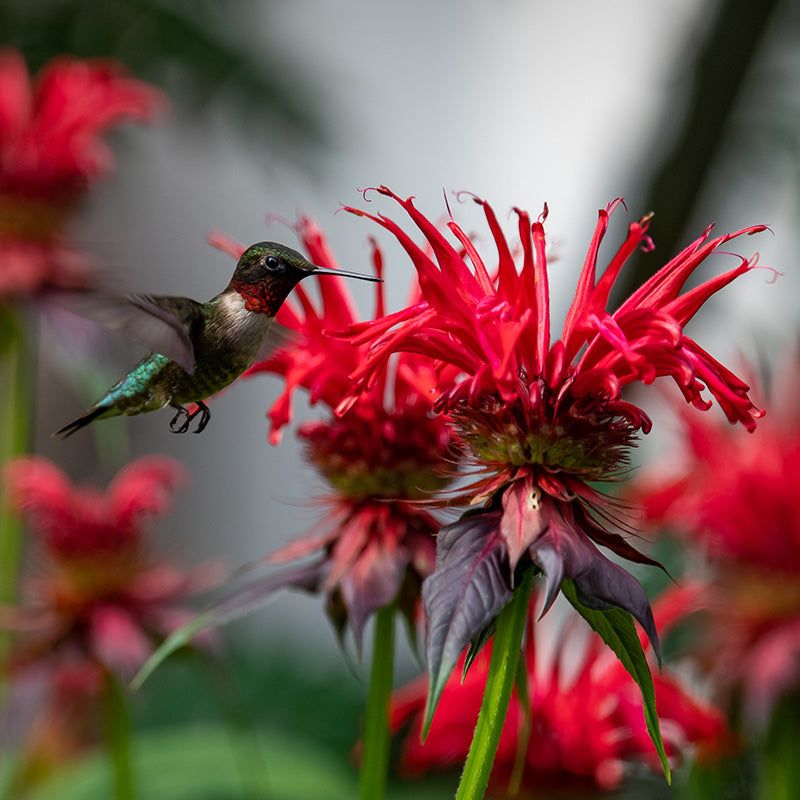
But varieties like ‘Jacob Cline’ show strong mildew resistance, and their tubular crimson or lavender flowers hum with activity all season.
Bee Balm is hardy from USDA Zone 4 through 9, so it thrives from the cooler northern tier down to the warmer Delaware Valley.
It loves consistently moist, rich soil, the kind found along stream banks.
A damp partial-shade spot makes it genuinely happy, though it handles full sun if the roots stay cool.
Give it breathing room.
Space plants 18 to 24 inches apart so air moves freely and mildew struggles to grab hold.
Standing 2.5 to 4 feet tall, it anchors the middle of a border nicely.
Pinch stems back by a third in late spring for a bushier shape, then deadhead through summer to keep new flowers coming.
Watching hummingbirds dart through scarlet blooms all July and August is the kind of moment you tag a friend over.
3. Joe Pye Weed Stands Tall Without Staking
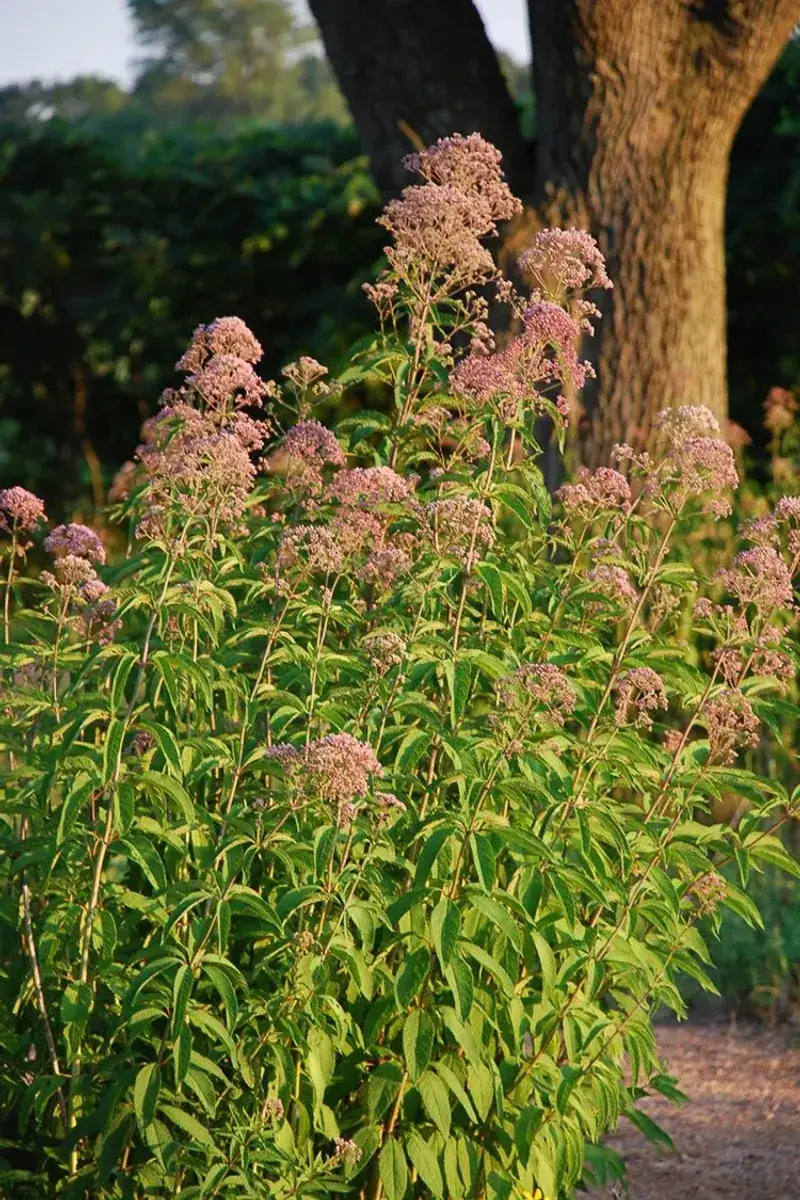
Towering clusters of dusty rose flowers, swarmed by butterflies during a late-summer cookout.
That is Joe Pye Weed (Eutrochium purpureum), a native that laughs in the face of fussy.
Gardeners across the Allegheny Plateau and central Pennsylvania lean on it as a summer backbone, blooming July through September.
Hydrangeas flop after heavy rain and often beg for stakes.
Joe Pye Weed holds its own on remarkably strong stems, even reaching 6 to 10 feet.
The plant is forgiving to a fault, doing well even when somewhat neglected.
It is hardy across all Pennsylvania zones.
Got a soggy corner near a downspout that stays wet after a sudden thunderstorm?
That is exactly where it wants to live.
Plant it in full sun to partial shade.
Most forms stand on their own, though the tallest may need a little support in an open, windy spot.
Water new plants deeply, then mulch the base to hold in moisture.
You cut it back only once, in late winter, to invite fresh spring growth.
As summer winds down, its nectar fuels migrating monarchs and swallowtails, giving your yard a buzzing send-off you will genuinely appreciate.
4. Purple Coneflower Handles A Dry July
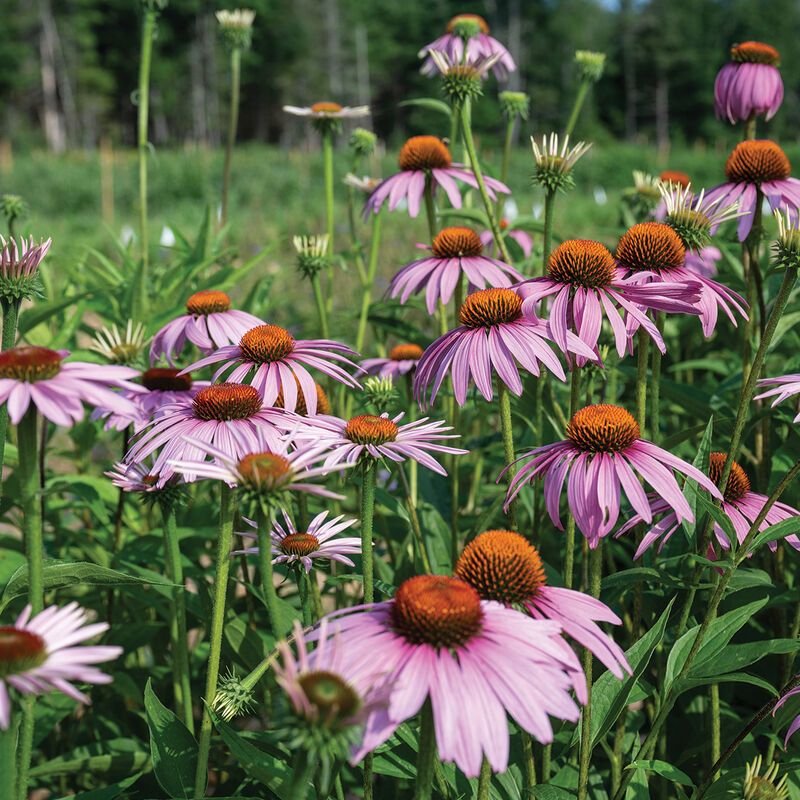
Drought sneaks up on us.
You water everything for weeks, then a two-week dry stretch between downpours leaves half the garden gasping.
Purple Coneflower (Echinacea purpurea) barely notices.
Its taproot dives deep, pulling moisture from soil layers most perennials cannot reach.
That is why gardeners in the central valleys treat it as insurance against a stingy July.
The pinkish-purple daisies with copper cones open in early summer and keep coming into September.
Coneflower wants full sun and average soil, and it genuinely resents pampering.
Rich, soggy ground rots the crown, so lean, well-drained spots suit it best.
It is hardy through Zone 4, so cold winters in the Poconos do not faze it.
Set plants about 18 inches apart.
Water them in well the first season to about 6 inches deep, then step back and let the taproot do its work.
After that, you may go whole weeks without touching the hose.
Skip fall cleanup and leave the seed cones standing.
Goldfinches cling to them through October, and the dried stems catch frost on a cold morning like tiny lanterns.
Beauty and bird food, no watering can required.
5. Threadleaf Coreopsis Never Stops Flowering
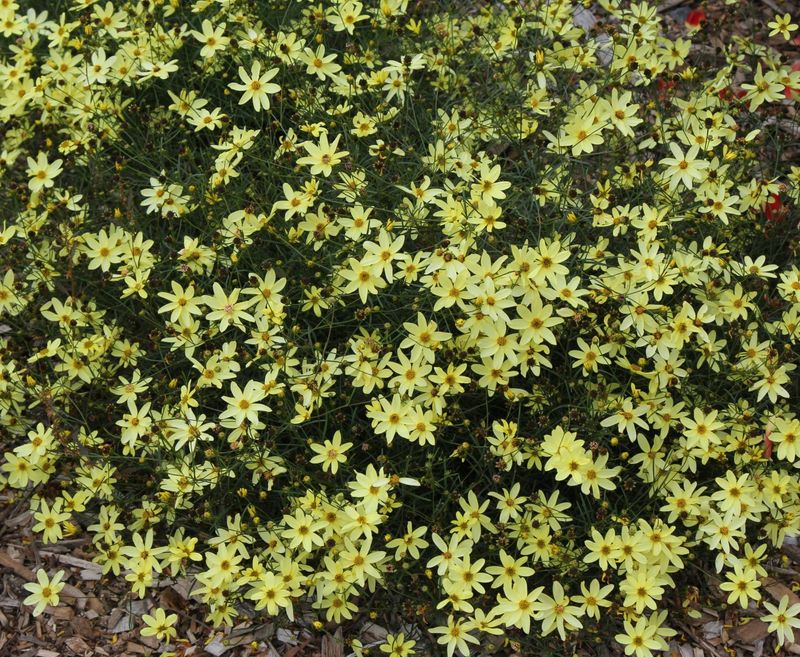
Some plants take a mid-summer break.
Threadleaf Coreopsis (Coreopsis verticillata) does not seem to know how.
From June into October, its airy mound stays smothered in small daisy flowers.
The cultivar ‘Moonbeam’ glows a soft butter yellow that plays well with nearly everything.
Many southeastern Pennsylvania gardeners plant it at a border edge and forget about it, which is exactly the point.
It shrugs off heat, humidity, and the poor rocky soil that stumps fussier flowers.
Full sun keeps it dense and blooming.
Give it lean, well-drained ground, because heavy clay that stays wet invites root rot.
It is hardy through Zone 4, so it rides out cold winters just fine.
Space plants about 18 inches apart to let the ferny foliage knit into a low cloud roughly 18 inches tall.
Around midsummer, if flowering slows, shear the whole plant back by a third.
Within two weeks it rebounds with a fresh wave.
That one quick haircut is the only real chore.
No staking, no deadheading each spent bloom, no anxious pruning calendar.
Just a tidy gold mound that carries color from the first porch evening clear into fall.
6. Daylilies Bounce Back From Anything
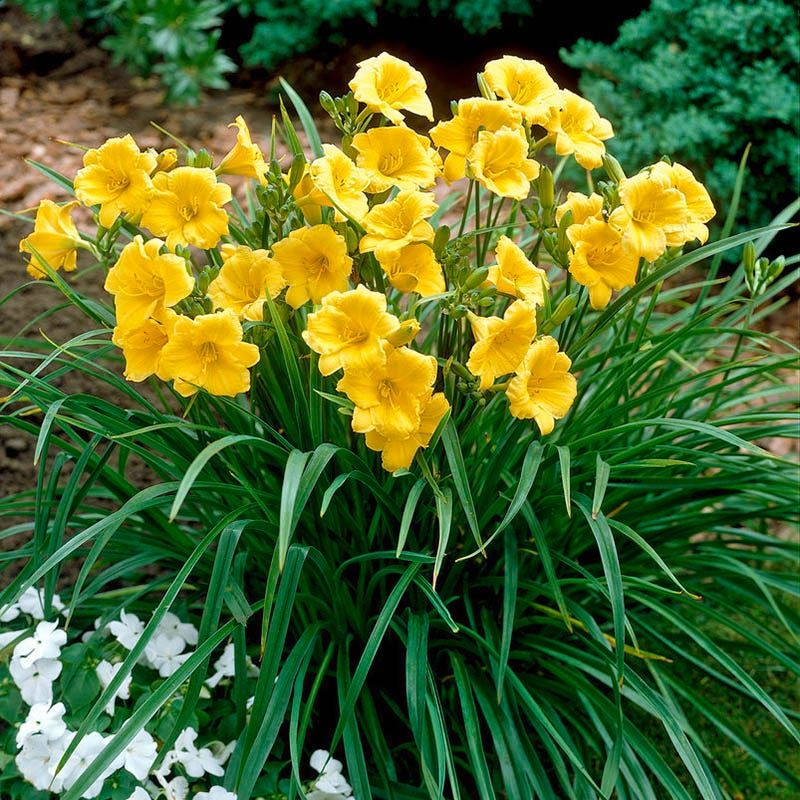
Folks call daylilies the ditch flower, and they mean it as a compliment.
Hemerocallis has survived roadside neglect, deer nibbles, and clay so heavy it cracks, then it blooms anyway.
The reblooming types like ‘Stella de Oro’ flower in flushes from June until frost, sending up trumpet after trumpet.
Each bloom lasts a single day, but a healthy clump opens fresh ones daily for weeks.
Gardeners across the Susquehanna Valley plant them where nothing else will grow.
They take full sun to part shade and tolerate almost any soil, from lean shale to heavy southeastern clay.
Once settled, they handle drought and standing water alike, which is a rare combination.
Set divisions about 18 to 24 inches apart, with the crown right at soil level.
Water them in for the first few weeks, then leave them be.
Snap off spent blooms if you like tidy, but the plant does not require it.
Every three or four years, dig and split crowded clumps in early fall so they keep flowering strong.
Beyond that, daylilies ask nothing.
They are the plant you give a forgetful friend and still get thanked for a year later.
7. Catmint Shrugs Off Deer And Drought
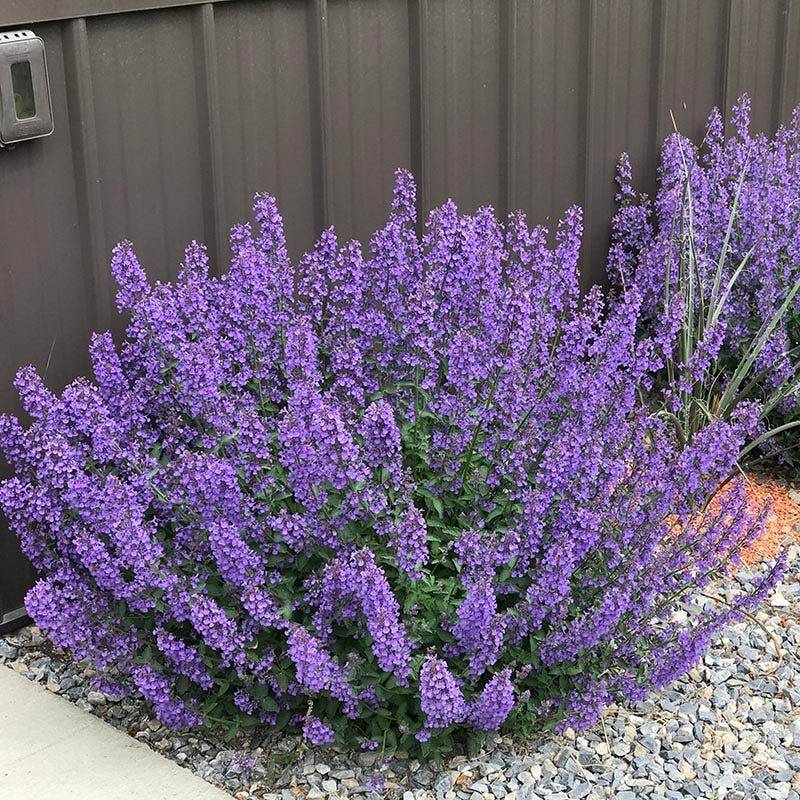
Deer treat many gardens like a salad bar, working the same route every evening.
Catmint (Nepeta faassenii) is one plant they walk right past.
Its aromatic gray-green leaves put deer off, and the cultivar ‘Walker’s Low’ throws up a soft blue-purple haze from late spring into fall.
For gardeners in the Laurel Highlands and other deer-heavy spots, that resistance alone earns it a place.
Catmint craves full sun and sharp drainage, thriving in the lean, rocky soil so common across western Pennsylvania.
Rich or soggy ground makes it flop open in the middle, so resist the urge to feed it.
It is hardy through Zone 4.
Space plants about 18 inches apart to form a low, spilling cushion around 18 to 24 inches tall.
When the first flush fades in early summer, shear it back hard by half.
It rebounds within two weeks with a second bloom that carries into September.
Bees and small pollinators cover it all day long.
Set it along a walkway where you brush past the fragrant foliage on your way to the porch.
That soft blue edge, humming quietly, is the calm reward for a plant you barely touch.
8. What Else Actually Helps
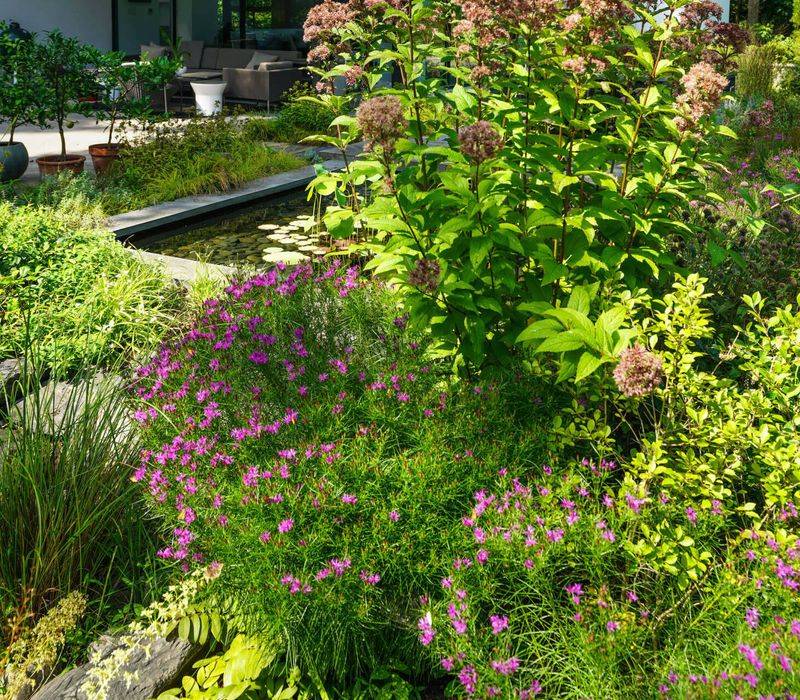
Beyond picking the right plants, a few habits turn a Pennsylvania garden into a source of pride instead of a chore list.
Our weather, with its freeze-and-thaw cycles and late spring frosts, plays antagonist to anything not built for it.
Choosing locally adapted natives gives you a head start, because they are already wired for our conditions.
Penn State Extension consistently recommends native plants for their resilience and their support of local pollinators.
Learn your soil before you plant.
Pennsylvania runs from rocky glacial ground up north to fertile limestone valleys and heavy clay in the southeast.
A simple soil test guides your choices, and many natives actually prefer lean soil and sulk if you overfeed them.
Water deeply and less often.
Aim to soak roots 6 to 8 inches down with each session, which pushes plants to grow deeper and tougher for those dry stretches that sneak between downpours.
And resist over-pruning.
Unlike hydrangeas that lose blooms when cut at the wrong moment, these perennials forgive almost anything.
Deadhead the coneflowers and coreopsis for more flowers, trim Joe Pye Weed once in late winter, and otherwise let them be.
Lean on these easy heroes and your backyard becomes a quiet triumph you built yourself.