
What It Really Means When A Possum Keeps Turning Up In Your North Carolina Yard At Night
Follow us on Google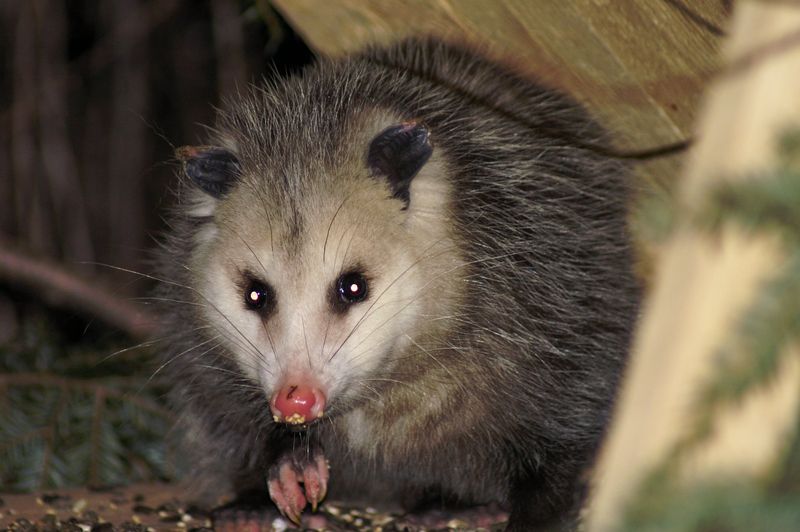
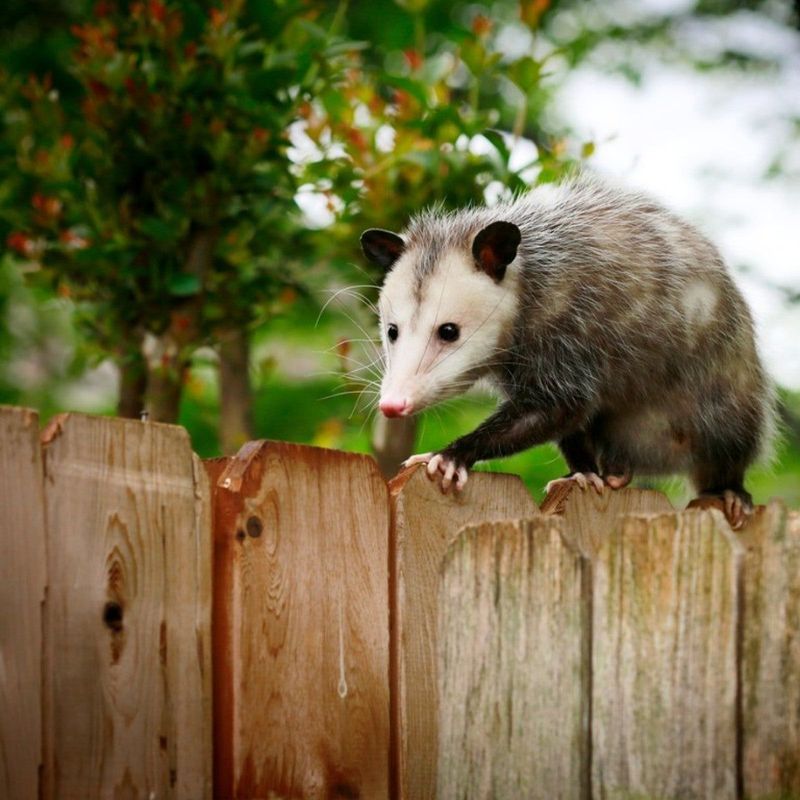
You step outside after dark to let the dog in, and there it is again, a gray shape frozen near the fence, eyes catching the porch light. That slow-moving visitor with the pointed snout is a Virginia opossum, and if it keeps showing up in your North Carolina yard, there is a good reason for it.
Most people assume the animal is hunting ticks, thanks to a claim that spread fast online, but the real story is more complicated and more useful. Understanding what actually draws an opossum to your yard at night gives you the practical tools to decide when to leave it alone and when to act.
The Nighttime Visitor Is Following Opportunity
Most North Carolina homeowners spot the Virginia opossum, Didelphis virginiana, the same way: a slow-moving shape near the fence line, eyes glowing in the flashlight beam, completely unbothered by the commotion on your end. This animal is the state’s only native marsupial, and according to NC Wildlife Resources Commission, it occurs throughout North Carolina from the barrier islands along the coast to the ridgelines in the mountains, making your yard well within its range no matter which region of the state you call home.
Opossums are primarily nocturnal and generally solitary, so a nighttime sighting is simply the animal doing what it does. It is not lost, and it is not sick just because you can see it after dark.
What it is doing is moving through an area where something useful is available, whether that is food, a sheltered resting spot, or a reliable travel corridor between patches of cover.
Here is something worth knowing before you assume the same individual is camped in your yard: University of Florida IFAS Extension guidance on Virginia opossums notes that these animals can travel through overlapping territories while searching for food, so the opossum on your patio Monday and the one near your compost bin Thursday may not be the same animal at all. A dependable food source can make your yard feel like a regular stop on a wider circuit, drawing different individuals through on different nights.
A passing opossum that is simply crossing your yard generally needs no intervention. Watch it move through, keep the dog inside for a few minutes, and let it go on its way.
The more useful question is what in your yard keeps making the stop worth its while.
Its Menu Explains The Repeat Visits
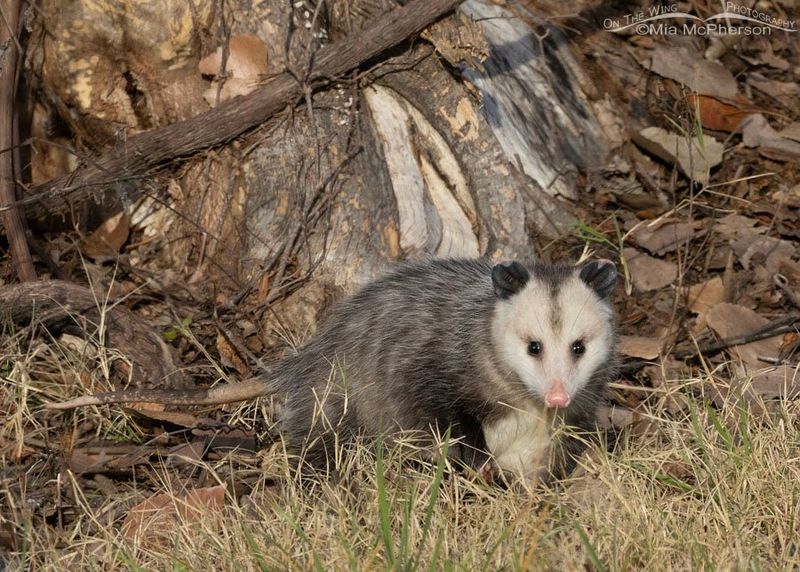
Picture your yard through the opossum’s eyes for a moment. The bird feeder dropped seeds near the fence post.
The outdoor cat bowl still has kibble in it. A few fallen pears are softening in the corner near the garden bed.
From the opossum’s perspective, that is a well-stocked pantry, and it will keep visiting as long as the pantry stays open.
The Virginia opossum’s diet is genuinely broad. The Smithsonian National Zoo’s profile of the species describes a menu that includes insects, worms, slugs, snails, small mammals, eggs, birds, reptiles, amphibians, fruit, vegetation, carrion, garbage, and pet food.
NC Wildlife echoes that range, confirming that the animal is an opportunistic feeder that takes what is available rather than hunting for any particular prey. “Cleanup crew” fits the opossum’s role in a yard far more accurately than “tick-control specialist.”
That wide menu is exactly why repeat visits usually trace back to something ordinary. Unsecured trash cans, a bag of chicken feed left in an open shed, spilled birdseed under a feeder, a compost pile with kitchen scraps near the surface, or a pet bowl left out overnight are all reliable draws.
In muggy North Carolina summers, fallen fruit from a pear or persimmon tree ferments fast and becomes especially attractive. Any one of those sources can keep an opossum returning night after night.
One thing the diet evidence does not support is the popular idea that an opossum is making repeat visits specifically to eat your ticks. Its presence alone cannot tell you anything about tick abundance in your yard.
The next section explains why that claim deserves a closer look at the actual research behind it.
The Tick Claim Does Not Hold Up
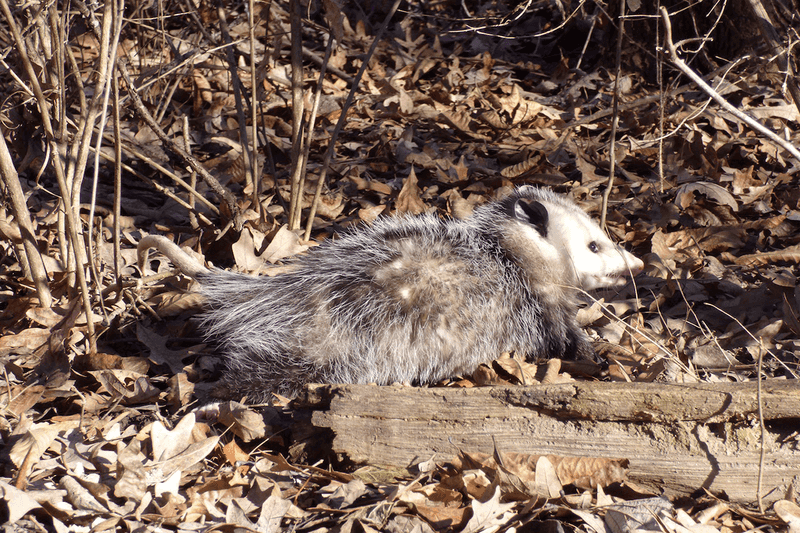
The claim travels fast on Facebook and neighborhood apps: one opossum eats thousands of ticks every week, quietly protecting your yard while you sleep. That number, often stated as 5,500 ticks per week, comes from a real study, but the context behind it matters a lot before you repeat it to your neighbors.
The original 2009 captive-animal research placed opossums in controlled conditions with larval ticks and then estimated how many ticks were consumed by counting the ones that went missing during grooming experiments. That is a laboratory setup, not a measurement of how many ticks a free-ranging opossum removes from a North Carolina yard on a Tuesday night.
The animals in that study were exposed to ticks in a way that does not reflect normal suburban foraging conditions.
Here is where it gets tricky. A 2021 study that examined stomach contents from 32 wild Virginia opossums found no ticks or tick parts in any of the samples.
The same researchers reviewed 23 earlier diet studies covering opossum stomach contents, digestive tract material, and scat analyses, and found no documented ticks across all of them. That is not proof that an individual opossum can never swallow a tick during grooming, but it does mean ticks are not a demonstrated food item for wild opossums in the way the popular claim suggests.
The practical gap between “eating insects” and “controlling ticks in a residential yard” is significant. A review of wildlife hosts and tick ecology found that even the broader idea of using wildlife as ecological traps to reduce Lyme disease risk remains uncertain.
No good evidence shows that wild opossums reduce the tick population around homes, lower human tick exposure, or cut tickborne disease risk across a yard. The opossum is a useful generalist scavenger and a real part of your yard’s living system, but it is not your tick strategy.
Do Not Feed The Wildlife You Want To Understand
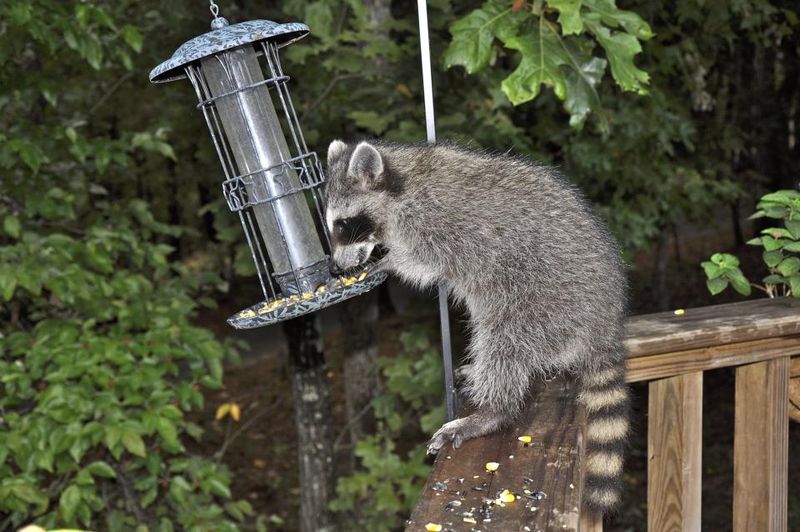
Now that the tick myth is out of the way, the corrected version of the advice is actually simpler: do not feed the opossum, even if you like having it around. Leaving food out on purpose, whether a pile of fruit, a dish of dog food, or scraps near the compost, does not benefit the animal in any meaningful way and creates a chain of problems you did not sign up for.
NC Wildlife’s general guidance on handling wildlife explains that feeding wild animals can habituate them to people, increase the chances of conflict, and draw in other species you would rather not see up close, including raccoons, rats, and feral cats. One opossum at the food bowl tends to become several animals at the food bowl over time.
The better path is to remove what is already drawing the animal in. Feed pets indoors whenever possible.
If your dog or cat eats outside, supervise the meal and bring the bowl inside as soon as it is finished. Secure trash in sturdy containers with tight-fitting lids, because a flimsy lid on a plastic can is not a barrier for a determined opossum.
Collect fallen fruit from your yard every couple of days, especially during warm months when fruit ferments quickly in the North Carolina heat. Clean spilled birdseed from beneath feeders, and keep compost in a secured bin rather than an open pile.
According to NC Wildlife coexistence guidance, an opossum or raccoon that has been visiting a trash source regularly will often move on within a few days once access is blocked. The animal is following opportunity, and when the opportunity closes, so does the reason to keep stopping.
That is genuinely the cleanest resolution available, and it works without trapping, relocating, or harming anything.
Protect The Places Opossums Can Reach
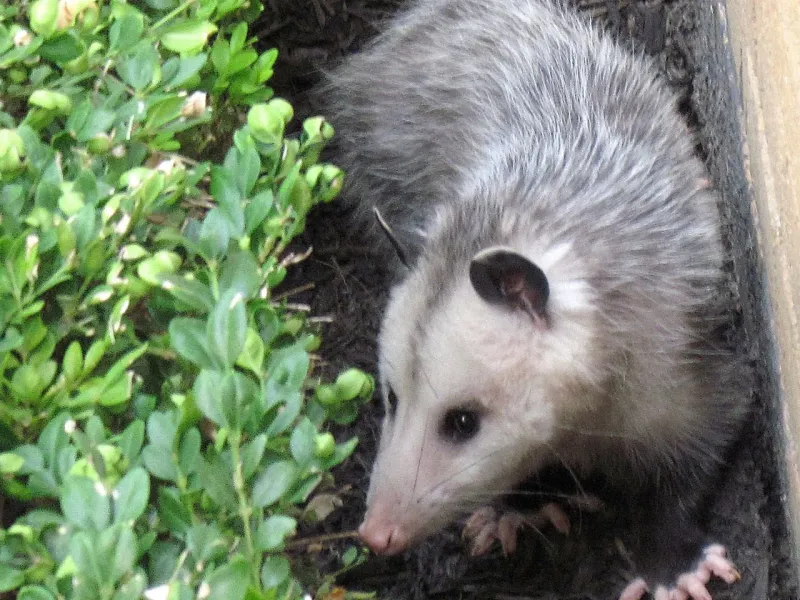
Food attractants explain most opossum visits, but some situations call for a physical boundary rather than just tidier habits. If you keep chickens, that is the most important place to start.
NC Wildlife’s opossum management guidance identifies eggs and young chicks as occasional targets and recommends predator-proof housing as the practical solution. A completely enclosed coop and run, with hardware cloth rather than standard chicken wire covering all openings, keeps opossums and other predators out reliably.
Store chicken feed in hard plastic or metal containers with tight-fitting lids, because feed left in a bag or an open bucket is an invitation on its own.
Garages, crawl spaces, sheds, and the space beneath a deck or porch present a different kind of problem. An opossum that has found a dry, sheltered spot beneath your back steps is not going to leave voluntarily as long as the space stays accessible.
Virginia Cooperative Extension’s guidance on wildlife exclusion recommends inspecting structures carefully for openings, reducing brush piles and dense cover immediately beside buildings, and sealing access points only after you have confirmed that no animal or young remain inside. Sealing an entrance with an animal still in there creates a different problem entirely.
A one-way exclusion door, which lets an animal exit but not re-enter, can be a useful step before permanently closing an opening. Give it several days, then check that the space is empty before sealing.
If the situation is more complicated than a single entry point or involves young animals, a professional is the right call. NC Wildlife’s licensed wildlife control agent locator lets you find a certified professional in your county who can handle exclusion work properly without harming the animal or violating state wildlife regulations.
Most Opossum Drama Is Defensive
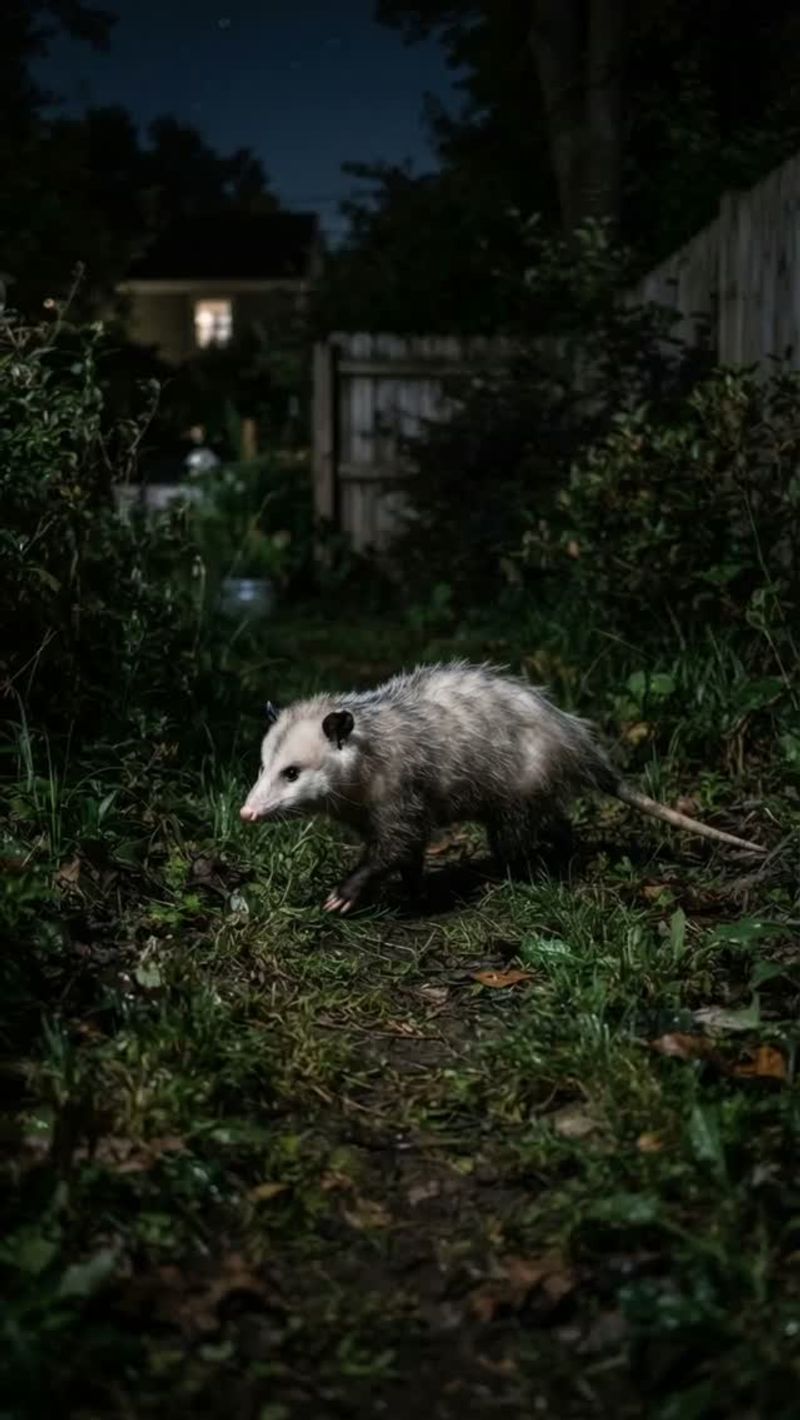
The first time you corner an opossum near the fence and it opens its mouth wide, hisses, and starts drooling, every instinct says “rabid animal.” That reaction is understandable, but it is almost always wrong. NC Wildlife describes those behaviors as defensive displays, the animal’s way of making itself look dangerous when it feels trapped.
The more famous response, going limp and “playing dead,” is an involuntary physiological reaction to extreme stress, not a performance the animal chooses to give.
The right response when you see this is to back off, give the animal space, keep children and pets indoors, and let it move on when it is ready. Do not corner it, and do not attempt to handle it.
NC Wildlife’s wildlife handling guidance is clear that wild animals should not be handled by the public, even species that carry a low rabies risk. The Virginia opossum is not considered a rabies-vector species, but “low risk” is not the same as “no risk.” Any bite or scratch from a wild mammal should be reported to your local health department or animal control office for guidance, and CDC’s rabies information confirms that prompt medical evaluation after any wild animal bite is always the right call.
Daytime activity is also not automatically a red flag. NC Wildlife notes that seeing an opossum during daylight hours is not by itself a reason for concern.
What does warrant a call to a professional is an animal that stays exposed for an unusually long time, walks in tight circles, or shows obvious injury. Those are the situations that may need a licensed rehabilitator’s involvement.
Young opossums raise their own questions. A lone young animal is not automatically orphaned.
NC Wildlife’s rehabilitator guidance advises that young measuring roughly 7 inches in body length, not counting the tail, are generally weaned and capable of surviving on their own. Young smaller than that, animals found with a dead mother, or visibly injured animals need a licensed wildlife rehabilitator rather than a well-meaning homeowner with a shoebox.
Your Tick Plan Needs Better Tools
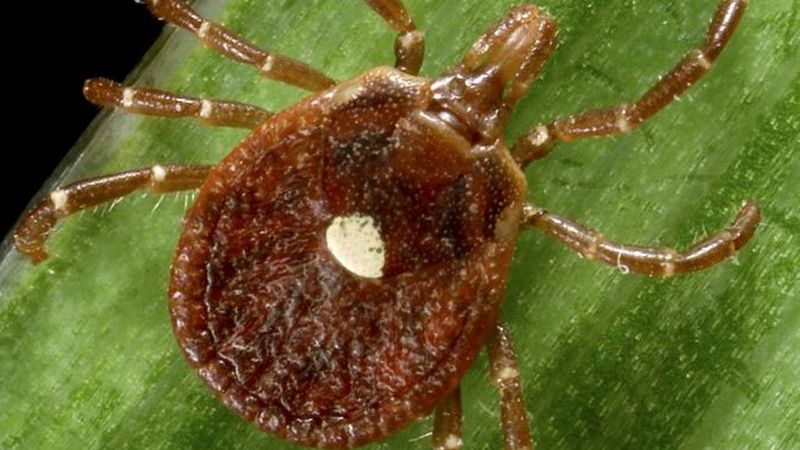
Your yard in the North Carolina Piedmont, the Coastal Plain, or anywhere in between can carry black-legged ticks and lone star ticks through most of the warm season, and the muggy stretch from late spring through early fall is when exposure risk is highest. The opossum passing through your yard at night is not going to change that, and waiting for wildlife to manage the problem means skipping the steps that actually work.
CDC tick prevention guidance recommends keeping grass mowed short, removing leaf litter, and clearing brush near the parts of your yard your family uses most. One of the most effective physical barriers is a 3-foot-wide strip of wood chips or gravel placed between your lawn and any wooded or brushy edge, ticks cross bare ground poorly and tend to stay in the humid vegetation on the other side.
Keep play areas, patios, and decks as far from dense vegetation as your yard allows.
After any time outside, check everyone, including children, pets, clothing, and gear. CDC Lyme prevention guidance recommends removing attached ticks promptly using fine-tipped tweezers, gripping as close to the skin as possible and pulling steadily upward without twisting.
Tumble dry clothes on high heat for 10 minutes to kill any ticks that hitched a ride on fabric.
The North Carolina Department of Health and Human Services advises seeking medical care if fever, rash, headache, fatigue, muscle aches, or joint pain develop in the days or weeks following a tick exposure. Those symptoms can point to Rocky Mountain spotted fever, ehrlichiosis, or Lyme disease, all of which are present in North Carolina and all of which respond well to early treatment.
The Virginia opossum is a real part of a living North Carolina yard, an adaptable scavenger with a wide diet and a genuine role in the local ecosystem. Manage its attractants, respect its space, and let it move through on its own terms.
Just do not hand it your family’s tick plan, that job belongs to a good pair of tweezers and a weekly check.