
Your Garden Being A Little Messy Is Not Neglect, It Is The Sign It Is Actually Alive
Follow us on Google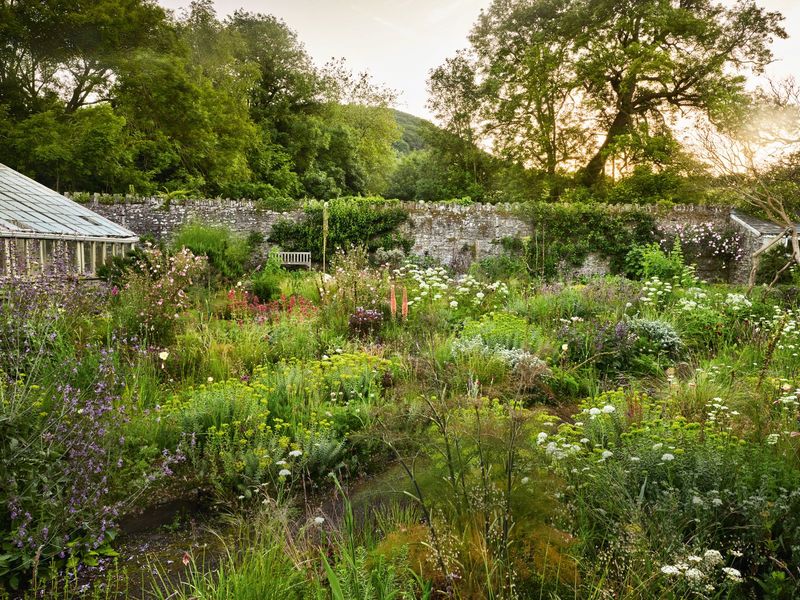
Walk past a neighbor’s yard and you might see dried stems still standing, a pile of leaves tucked near the fence, and a patch of wildflowers where grass used to be.
Your first instinct might be that no one is paying attention over there.
But that yard could be doing more ecological work than the one next door with the freshly blown beds and the spotless lawn edges.
The difference is not how it looks, it is whether the mess has a purpose behind it.
Messiness Is Not the Evidence—Habitat Is
Plenty of yards look rough because someone stopped caring.
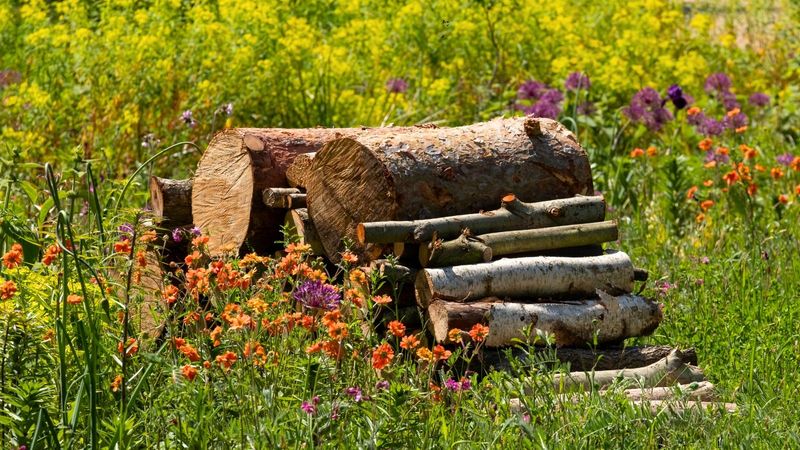
Plenty of others look rough because someone made a deliberate choice to leave the leaves, let the stems stand, and skip the chemical spray.
Those two yards might look similar from the street, but they work very differently for the insects and other organisms that depend on them.
The strongest evidence for keeping things a little wilder comes from a 2025 study of 20 pesticide-free residential yards in Maryland that tracked what happened when autumn leaves were removed.
Researchers found that leaf removal reduced emerging arthropods by 17 percent overall, moths and butterflies by 45 percent, beetles by 24 percent, and spiders by as much as 67 percent.
Species richness for moths and butterflies dropped by about 40 percent.
These are striking numbers, but they come from a specific set of yards under specific conditions, and they do not prove that every untidy yard supports more wildlife everywhere.
The governing idea here is selective care, not abandonment.
Trash, pet waste, stagnant water, invasive plants, and diseased material do not become beneficial habitat just because they look unkempt.
As the USDA Natural Resources Conservation Service makes clear, habitat value comes from food, shelter, nesting places, plant diversity, and reduced pesticide exposure, not from neglect alone.
A yard that genuinely supports life has some features retained on purpose and other areas managed carefully.
The University of Maryland Extension puts it plainly: thoughtful management, not the absence of it, is what makes a suburban yard ecologically useful.
That is the standard this article holds.
Let Healthy Leaves Become Winter Shelter
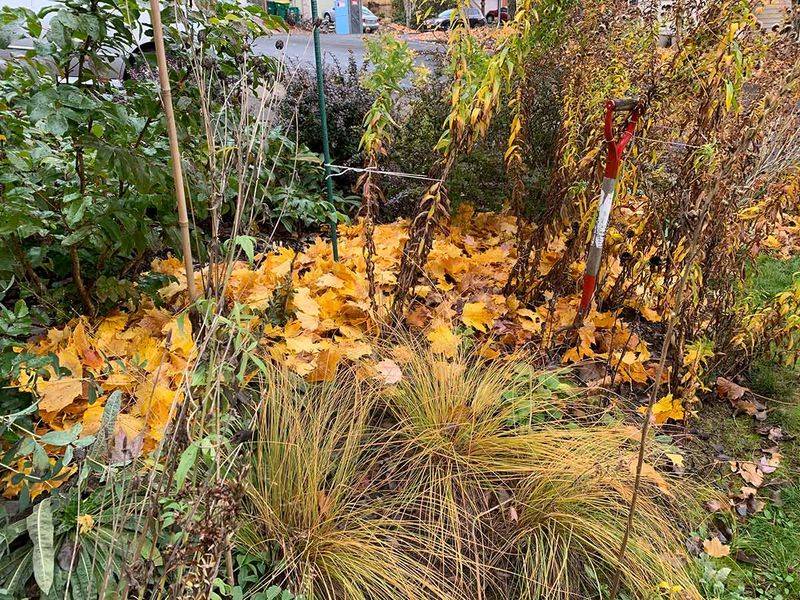
Fallen leaves are not yard waste, they are housing.
Underneath that layer of brown oak and maple, bumble bee queens find a place to spend the winter, moth and butterfly pupae wait out the cold, beetles and spiders settle into the debris, and amphibians like salamanders and toads use the insulation.
As the leaves slowly break down, they return organic matter to the soil, feeding the microbial life that keeps plant roots healthy.
Illinois Extension guidance on fall cleanup and a companion Illinois Extension release on pollinators both recommend keeping leaves in garden beds rather than hauling them away.
The practical compromise most homeowners can manage: clear leaves from roofs, gutters, driveways, sidewalks, steps, and any turf that gets heavy foot traffic, then move those healthy leaves into garden beds, under shrubs, along a woodland edge, or into a contained leaf pile behind the garage.
The National Wildlife Federation recommends roughly 3 to 5 inches of leaves in appropriate garden beds.
Penn State Extension suggests 2 to 3 inches spread over vegetable gardens before spring planting.
For lawn areas, Illinois Extension notes that a leaf layer covering about 10 to 20 percent of turf is unlikely to smother the grass, but heavier coverage should be raked away or run over several times with a mulching mower before the grass goes dormant.
Relocating leaves within the yard is almost always better than bagging them for the curb.
The exception is when local fire safety rules, a tick management plan, confirmed plant disease, or municipal code requires removal.
In those situations, the leaves go, but the habit of moving rather than discarding them is worth building.
Keep Some Stems and Seedheads Standing
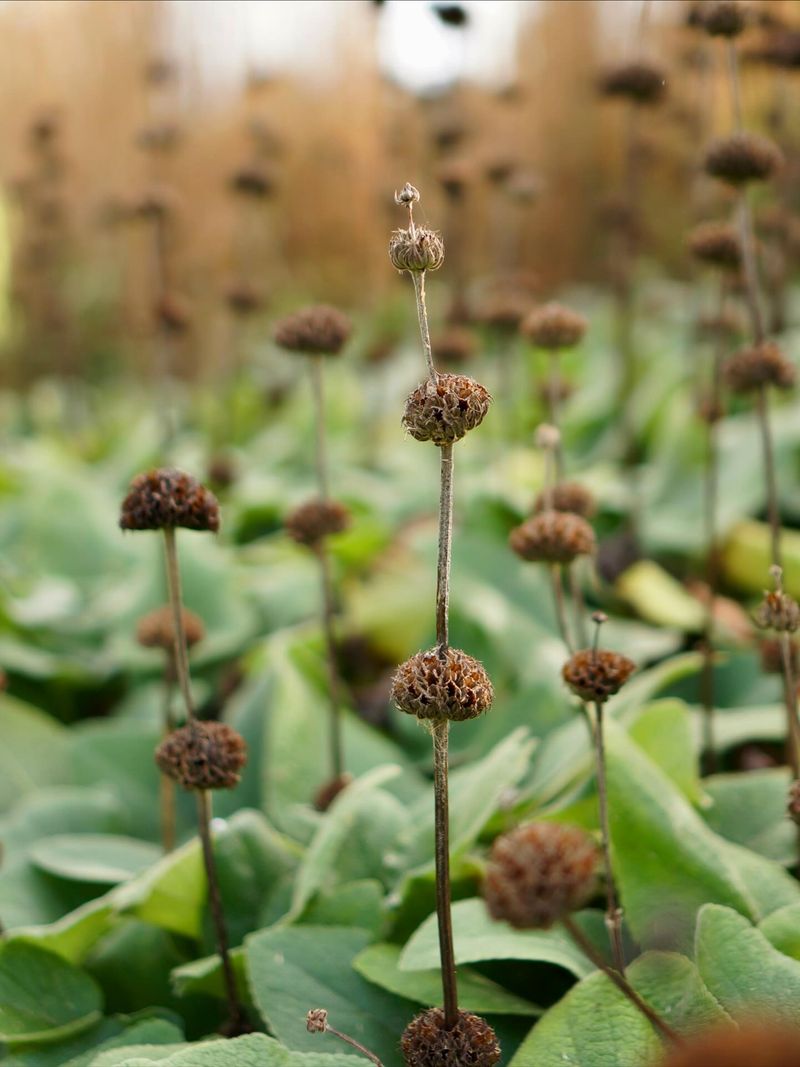
After the last bloom fades, those dry brown stalks might look like something that belongs in a compost bin.
But hollow stems and old seedheads are doing quiet work through fall and winter, and cutting everything to the ground removes that work before it is finished.
About 30 percent of native bee species nest above ground in cavities, including hollow or pithy plant stems, according to Illinois Extension pollinator guidance, which also recommends leaving approximately 12 to 18 inches of flower stems standing through winter.
The same stems can shelter overwintering insects of many kinds, and the seedheads on plants like coneflowers, black-eyed Susans, and ornamental grasses can feed seed-eating birds during months when other food is scarce.
Illinois Extension’s Garden Scoop explains that insects sheltering in old stems and leaf litter can also become food for birds later in the season, making those retained stems part of a longer chain.
That is habitat support, not a promise that any specific bird species will show up in your yard.
The rule here is selective, not absolute.
Diseased or pest-infested stems should come out regardless of the season, because leaving them in place gives problems a place to overwinter too.
And if a stem is blocking a path, leaning against a foundation, or creating a hazard near a walkway, cut it.
The goal is to retain a portion of healthy stems in areas where they can do their job without creating a safety or access problem, not to preserve every dead stalk indefinitely.
Build Living Variety Instead of Letting Weeds Take Over
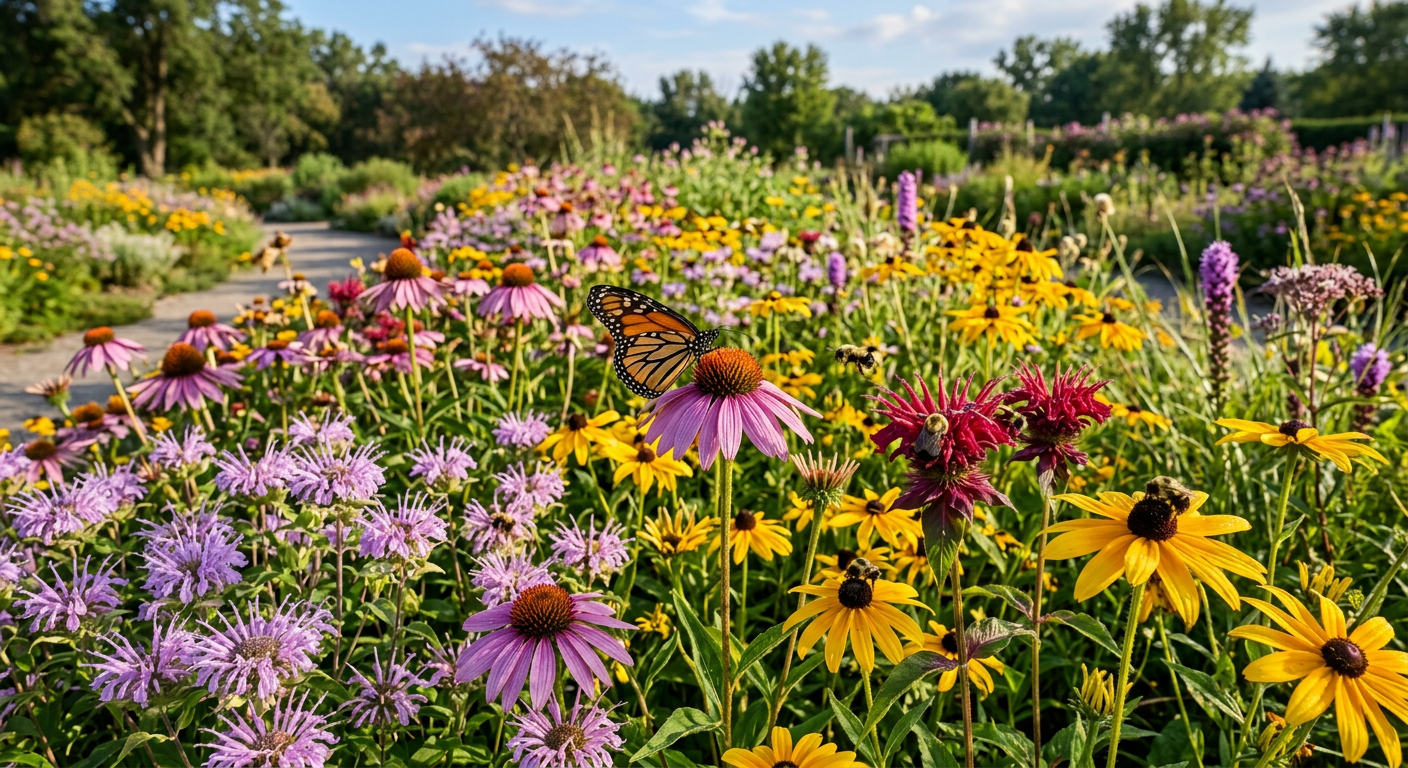
Plant diversity is the foundation that makes everything else in this article actually work.
Retained leaves and standing stems are most valuable when the plants producing them are ones that local insects have evolved alongside.
A yard full of turfgrass and one ornamental shrub does not give those overwintering insects much to work with, no matter how many leaves you leave behind.
The USDA Natural Resources Conservation Service pollinator habitat guide recommends building in regionally appropriate native wildflowers with blooms spread across the season, native bunchgrasses, native shrubs and trees, plants that serve as caterpillar host plants, and small patches of bare ground for the roughly 70 percent of native bee species that nest in the soil.
Each of those elements serves a different part of the food web.
Examples from the NRCS guide include plants in the genera Symphyotrichum (asters), Solidago (goldenrods), Liatris (blazing star), Monarda (bee balm), Asclepias (milkweeds), Viola (violets), and Asimina (pawpaw).
What species within those groups actually belongs in your yard depends on your region, your soil type, your sun exposure, your moisture levels, and the mature size of the plant relative to your available space.
The U.S.
Forest Service guide for attracting pollinators in the eastern US reinforces that native status is not a complete care instruction and that non-native plants may provide some nectar or pollen value, but aggressive or invasive species should be avoided and removed if they begin spreading into natural areas.
Letting weeds take over is not the same as building plant diversity.
An intentional mix of regionally appropriate plants, even a modest one along a fence line or in a single raised bed, offers more ecological return than a yard where nothing was chosen and everything just arrived.
Divide the Yard Into Habitat and Household Zones
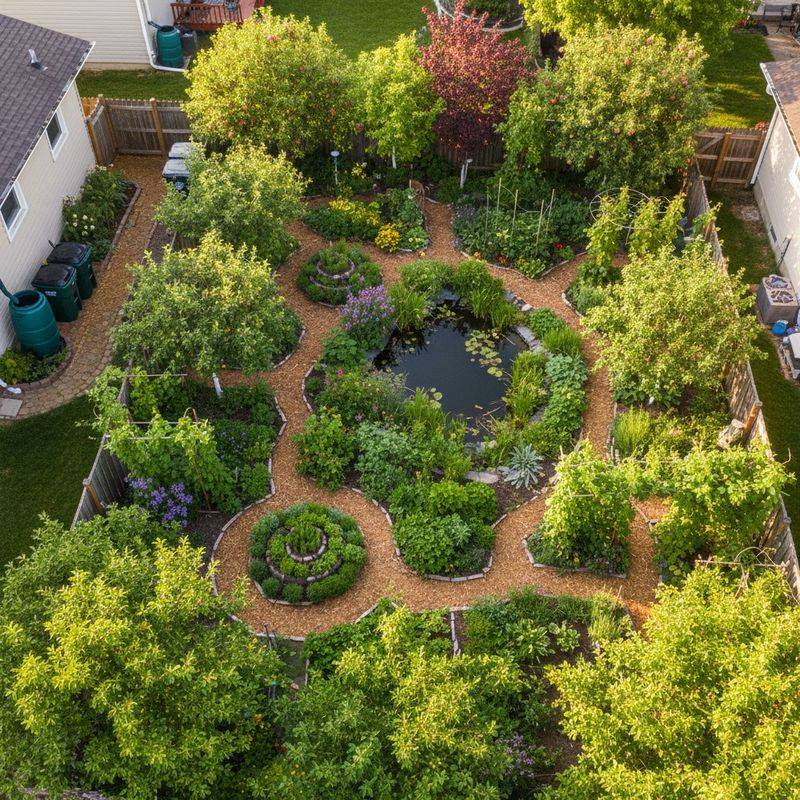
An all-or-nothing approach to yard management tends to fail in both directions.
Either every surface gets blown clean and the habitat disappears, or the whole yard goes unmanaged and the result is a genuine mess that creates slip hazards, tick problems, and drainage issues.
Zoning solves that by putting the right level of management in the right place.
A workable layout for most residential yards looks something like this.
Keep a clearly mowed route from the house to the garage, play area, or gate, wide enough to walk comfortably without brushing against vegetation.
Edge your garden beds so the line between managed and unmanaged is visible and intentional.
Tuck a leaf pile behind a shrub or along the back fence where it is out of the main sightlines.
Group any standing stems in one defined border rather than scattering them.
Allow a low-use strip along a fence, wall, or property edge to hold your wildflower mix or native plantings.
The USDA NRCS habitat guide and the University of Maryland Extension yard management guide both support this kind of spatial thinking, where habitat features are concentrated in areas that do not interfere with daily use, access, or safety.
The homeowner gets to decide where those zones fall.
A yard with young kids and a dog needs different boundaries than one where the back corner never gets foot traffic.
The point is to make the ecological purpose visible and the household function protected, not to choose between them.
Protect Paths, Play Areas, and Tick-Sensitive Edges
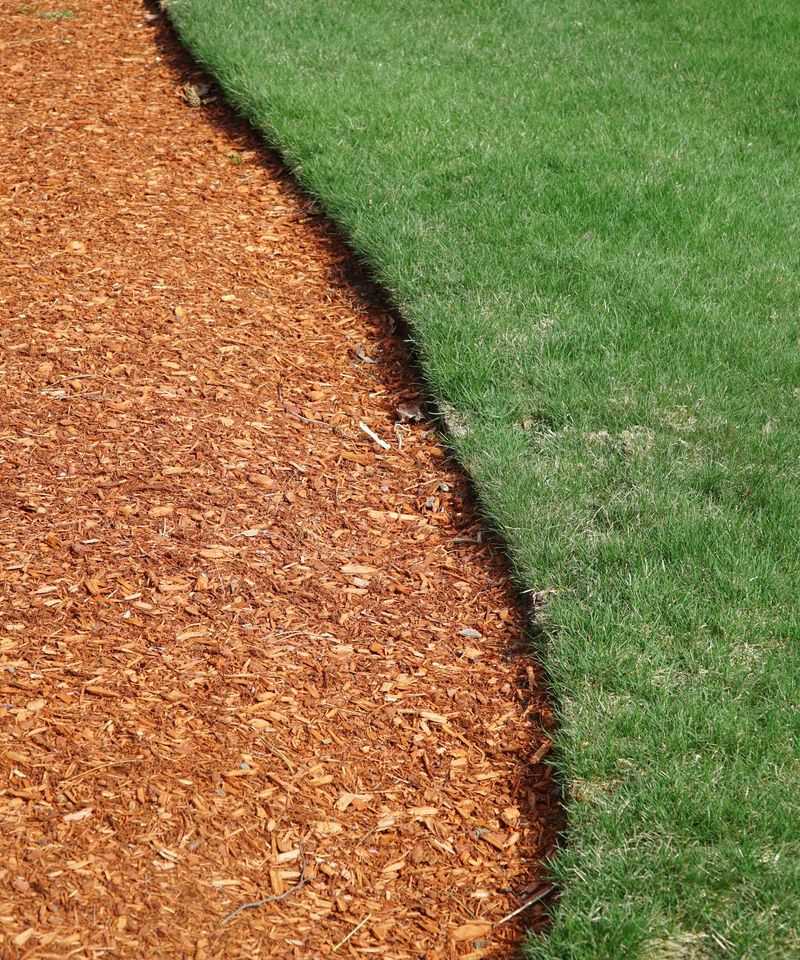
Habitat zones and high-use zones need different rules, and the most consequential reason is ticks.
Leaf litter and brush provide shelter for many organisms worth protecting, but they can also support tick populations near the areas where your family spends the most time.
CDC guidance on preventing tick bites recommends avoiding high grass, brushy areas, and leaf litter, and placing a 3-foot-wide barrier of wood chips or gravel between any lawn area and a wooded edge.
The CDC also advises keeping play equipment, decks, and patios away from trees and woodland borders.
University of Minnesota Extension adds that short grass and reduced leaf litter near homes, paths, and lawn edges lower tick exposure, while well-maintained turf is rarely heavily infested.
None of that means stripping every garden bed.
It means the areas closest to the house, the patio, the play set, and the main walking paths get more active management than the back corner leaf pile or the far fence wildflower strip.
Those zones can coexist, they just need a clear boundary between them.
Wet leaves on steps, walkways, and driveways create a separate hazard entirely.
A wet maple leaf on a concrete step is genuinely slippery, and clearing those surfaces after leaf fall is basic safety maintenance, not ecological damage.
Yard debris also should never be swept toward a storm drain.
EPA stormwater guidance explains that leaves, grass clippings, fertilizers, and other yard materials can enter waterways through runoff and contribute to nutrient pollution, and the EPA stormwater smart lawn care resource reinforces keeping all yard waste well away from drains and waterways.
Remove Disease, Invasives, and Genuine Hazards
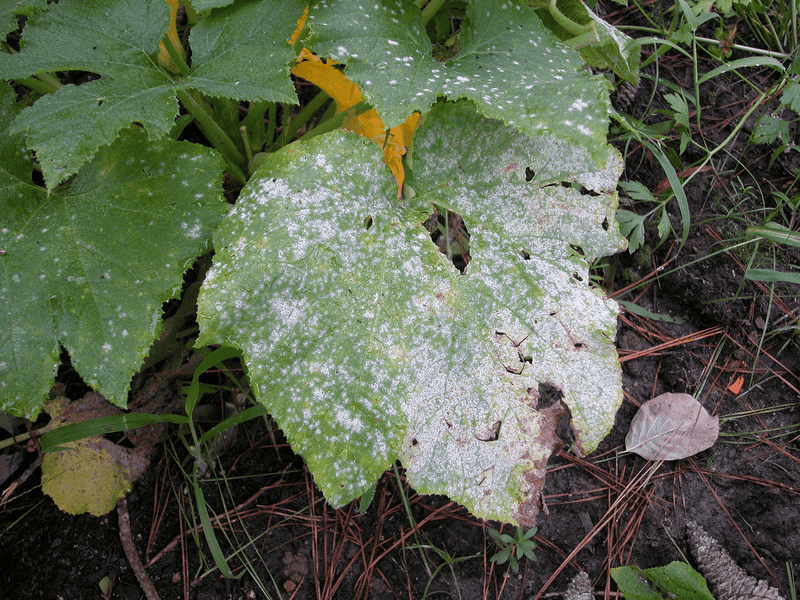
Habitat guidance has a firm outer boundary, and that boundary is disease, invasive plants, and genuine hazards.
None of those belong in the category of beneficial mess, and treating them as acceptable because you are trying to garden more naturally is a mistake that tends to spread.
Infected leaves, branches, flowers, and fruit should be removed as soon as you spot the problem.
Penn State Extension guidance on downy and powdery mildew advises against composting diseased plant material in a typical home compost system, because home piles often do not reach the temperatures needed to kill plant pathogens.
That material should go in yard waste bags for municipal collection or be disposed of separately, not buried in a bed or left in a pile near healthy plants.
Invasive plants are a different problem but an equally firm one.
The USDA NRCS habitat guide and the University of Maryland Extension both emphasize removing non-native plants that spread aggressively into natural areas.
Letting an invasive spread because it looks like a wildflower is not habitat creation, it is habitat replacement.
Trash, pet waste, and stagnant water round out the list of things that do not belong in any habitat zone.
Standing water breeds mosquitoes, pet waste introduces pathogens near food-growing areas, and trash creates rodent problems that undermine the ecological goals you are trying to support.
Wildflowers and brush also need visibility and access considerations: a dense planting that blocks a driveway sightline or crowds a vegetable bed is a practical problem regardless of its ecological intent.
Reduce Pesticide Exposure With Deliberate Management
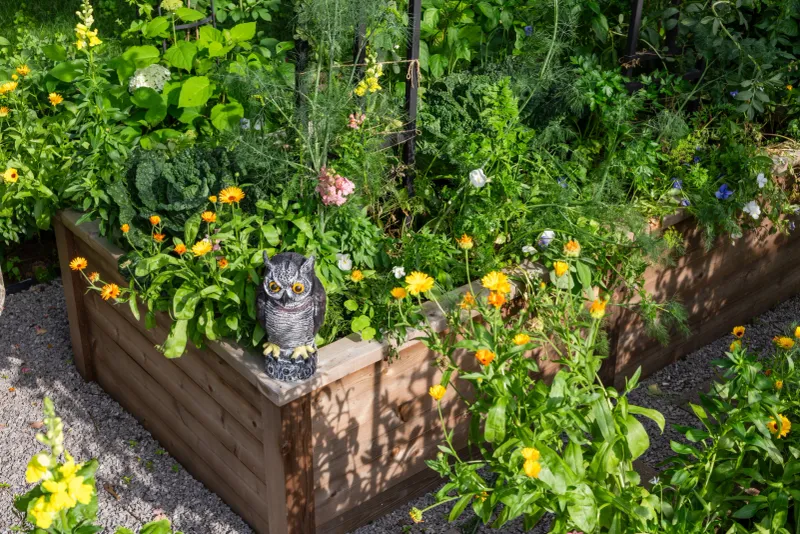
A yard with retained leaves, standing stems, diverse plants, and defined habitat zones still needs a pest management approach, it just needs one that is more targeted than a blanket spray schedule.
The goal is not to eliminate all pesticide use on principle, it is to use products when they are actually necessary and in ways that do not undermine the habitat work you are doing everywhere else.
EPA guidance on reducing pesticide impacts on wildlife recommends treating only the affected areas rather than the whole yard, using products only when a pest problem has been confirmed, following the label exactly, and applying outdoor insecticides when bees are not actively foraging.
The EPA pollinator protection tools page notes that many pesticide products carry specific restrictions related to bloom time, wind speed, spray drift, buffer distances, and time of day, and that those restrictions exist because pollinators are most at risk when foraging on open flowers.
Drift is a real concern in a yard with habitat plantings.
A product applied to a vegetable bed can reach a nearby wildflower strip if conditions are wrong.
Checking wind speed before spraying and keeping a buffer between treated areas and blooming plants are practical steps that most homeowners can manage without much extra effort.
The USDA NRCS pollinator habitat guide frames this well: ecological management means making informed choices about when and where to intervene, not assuming that a diverse yard will handle every pest problem on its own.
Native and diverse plantings may reduce some pest pressure and support some beneficial organisms, but they do not guarantee pest control, and targeted treatment remains part of responsible yard management.
Make the Yard Look Purposefully Alive
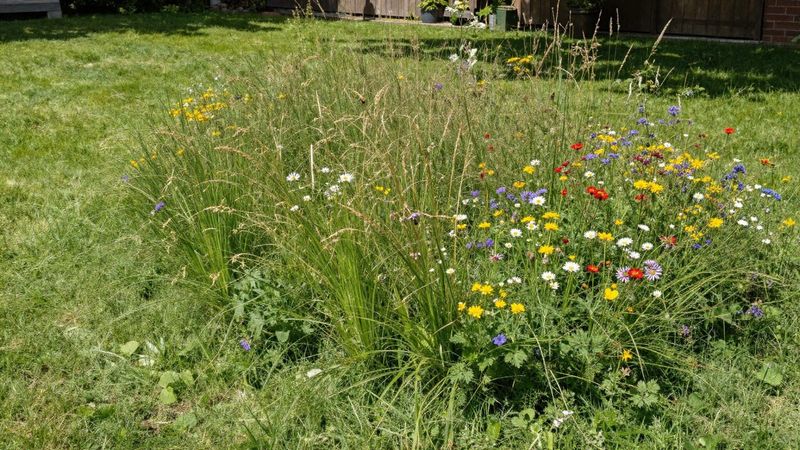
A yard that is genuinely doing ecological work does not look abandoned.
It looks like someone made choices.
The difference between a habitat-rich yard and a neglected one is usually visible in the details: a mowed path that shows the grass is being managed, edged beds that show the plantings are intentional, a leaf pile that is tucked rather than scattered, stems that are grouped rather than randomly left wherever they fell.
Here is a repeatable checklist for pulling this together.
Retain healthy leaves in suitable garden beds at roughly 3 to 5 inches deep, and use 2 to 3 inches over vegetable gardens before spring.
Leave selected stems at approximately 12 to 18 inches where they are not blocking access or creating hazards.
Plant diverse, regionally appropriate species that include something blooming in early spring, midsummer, and fall.
Create at least one defined habitat area, a back border, a side strip, or a contained bed, where the relaxed management is clearly bounded.
Clear leaves from all walking surfaces, gutters, roofs, and drains.
Keep lawn coverage light enough that turf is not smothered, and mow or rake when it exceeds about 20 percent coverage.
Protect sightlines near roads and driveways.
Remove diseased material promptly and keep it out of the home compost bin.
Follow CDC tick prevention recommendations near high-use areas, and consult the USDA NRCS habitat guide and the University of Maryland Extension yard management resource for region-specific plant and management detail.
The ecological value in your yard comes from the purpose behind each retained feature, not from the disorder itself.
A yard that looks a little rough because someone thought it through is a very different thing from one that looks rough because no one did.