
The Only Roses Pennsylvania Gardeners End Up Trusting After A Brutal Winter
Follow us on Google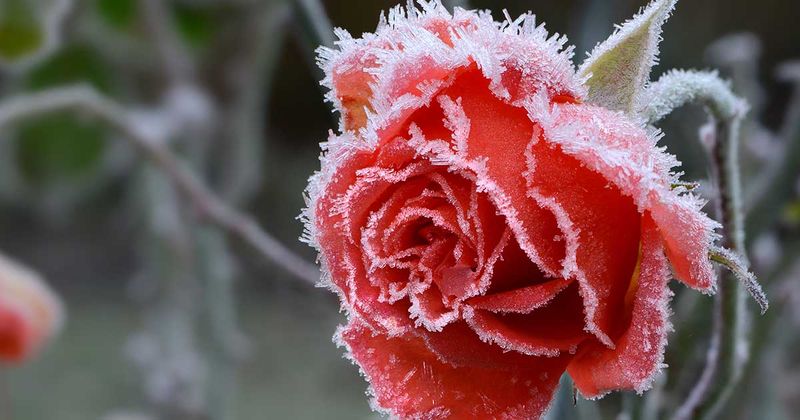
You step into the yard on a late April morning and find frost clinging stubbornly to the tender new leaves.
Another surprise cold snap in Pennsylvania, and you sigh, wondering if your roses will ever bounce back this year.
Every brutal winter seems to leave your rose bushes looking sad and leggy, and you feel like you are starting over again.
But what if you could grow roses that genuinely laugh off the deep freezes and ice storms?
There is a whole group of roses built to survive our toughest winters, coming back strong year after year with almost nothing from you.
1. The One Group That Keeps Coming Back Free
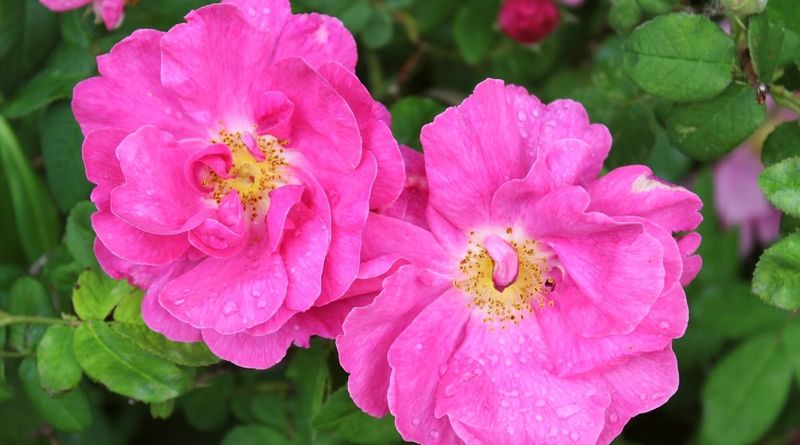
Own-root roses are the quiet heroes here, and once you understand why, you will never look at a grafted rose the same way.
Most traditional roses are grafted, meaning a pretty variety gets joined onto a tougher root system at a spot called the graft union.
That union sits low near the soil, and it is the first thing a Pennsylvania winter goes after.
Here is where it gets tricky.
If that graft union freezes and dies during one of our freeze-and-thaw stretches, the whole top of the plant dies with it.
Own-root roses skip the gamble entirely.
They grow on their own roots, so even if brutal cold in the northern tier or the Allegheny Plateau knocks the canes back, the plant regrows true to type from below.
The tough families worth trusting are the Canadian Explorer and Parkland series, bred in Manitoba to survive down to roughly -40 degrees Fahrenheit, plus Rugosa roses (Rosa rugosa) that shrug off temperatures near -50 and rarely catch black spot.
Kordes roses from Germany bring the same disease resistance for our humid summers, many hardy to Zone 4.
In late fall, after a few hard frosts but before the ground freezes solid, mound about 12 inches of compost around the crown.
Stop fertilizing by late August so new growth hardens off.
Penn State Extension recommends deep, infrequent watering that soaks the root zone.
Plant one of these, and you get roses that come back free every spring, ready to bloom.