
If These Birds Keep Landing In Your Yard, Your Soil And Bug Balance Are Already Right
Follow us on Google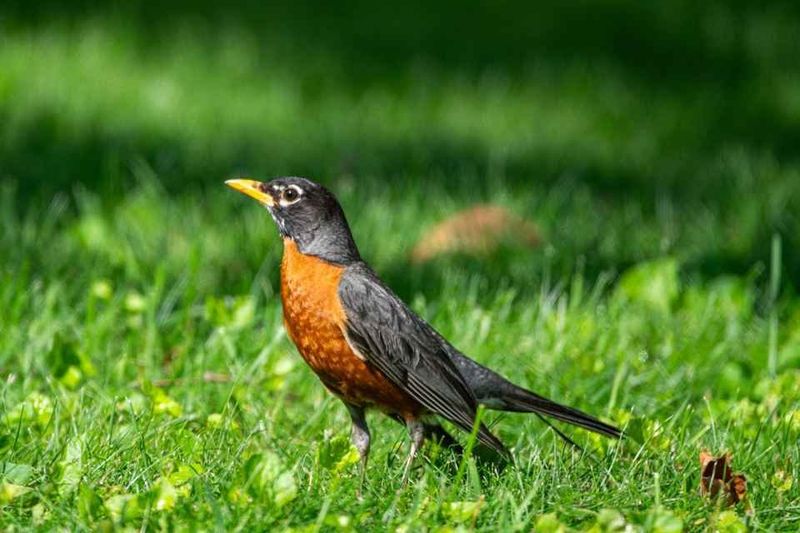
It’s 6:30 AM on a crisp autumn morning in your Ohio backyard, and steam rises off your coffee while the dew still clings to the grass. A rustle near the old oak turns into a plump robin yanking a worm free from the soil.
If you see busy birds like this working your lawn most mornings, take it as quiet praise. Their presence means your dirt is alive and your bug numbers sit in a healthy balance.
You are already doing something right, and these feathered visitors are here to prove it.
1. American Robins Are Your Yard’s Soil Aerators
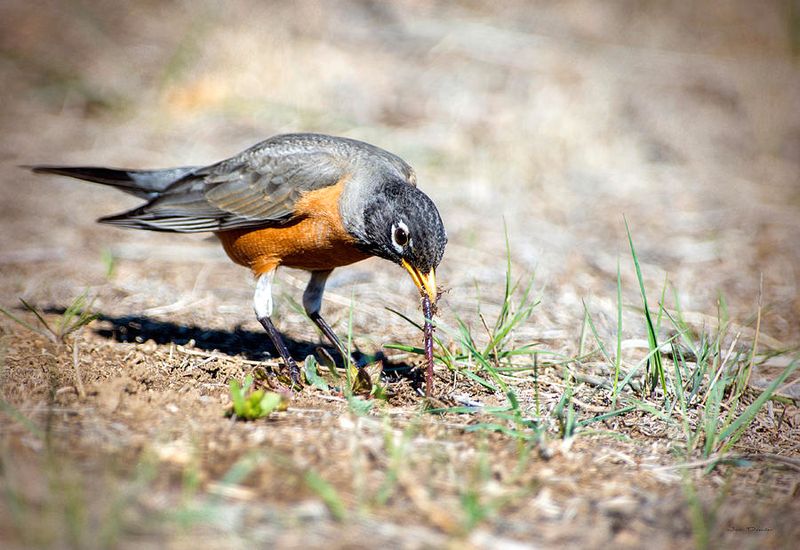
That rusty-breasted bird hopping across your grass this morning is doing more than hunting breakfast. American Robins (Turdus migratorius) run a hop-and-stop routine, listening for movement below, then jabbing their beaks into the earth.
Many Midwest gardeners notice robins show up in numbers right after rain, when earthworms slide closer to the surface. A single robin can eat roughly 14 feet of earthworms in a day, which is about 4 meters.
That is a lot of probing, and every jab loosens the top inch of soil so air and water reach plant roots.
So when a loose flock works your lawn methodically, they are not just feeding. They are handing you free, natural tillage, and their steady presence points to a thick population of worms and grubs underfoot.
A yard full of soil invertebrates usually means you have skipped the heavy pesticides, which is exactly what keeps the food web humming.
Robins are only one layer of the picture, of course. But if they keep coming back, your ground is doing its quiet work.
Leave a patch of lawn unsprayed near your beds and watch how quickly they claim it as their favorite hunting strip.
2. Northern Flickers Reveal Your Ant Control Is Working
Here is a myth worth breaking. Not every woodpecker sticks to tree trunks.
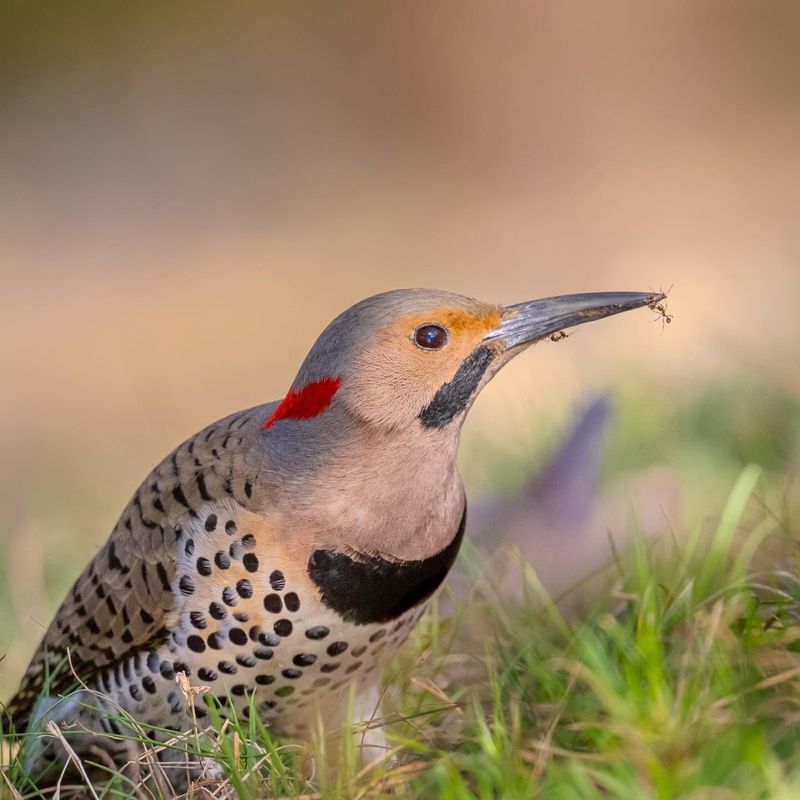
The Northern Flicker (Colaptes auratus) spends a surprising amount of time on the ground, poking around lawns and open dirt like it lost its keys.
You will know one by its brown back and the flash of yellow or red under its wings when it lifts off. Flickers carry slightly curved bills built for digging into soil and anthills.
Ants alone can make up as much as 45 percent of their diet, and one flicker stomach was recorded holding over 5,000 ants.
They chase grubs too, hammering the ground to break open underground colonies. In regions like the Pacific Northwest or the Southeast, where flickers are common visitors, a regular one in your yard means a steady buffet of ants and soil bugs.
But there is a payoff for you. A yard that supports flickers is a yard where ant colonies stay in check without a bag of chemical dust.
Their visits suggest a balanced ground-level ecosystem, the kind that keeps small pest outbreaks from turning into big ones near your patio.
3. Eastern Bluebirds Prove Your Bug Buffet Is Open
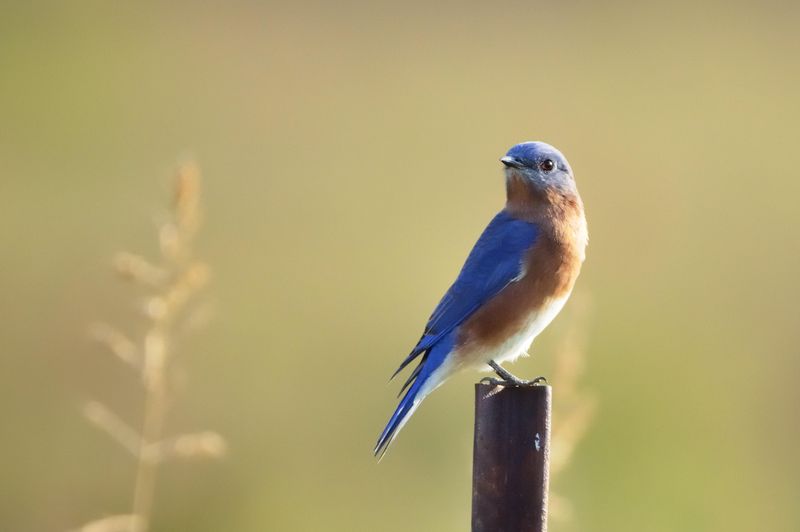
Few sights stop you mid-chore like a bluebird dropping onto a fence post. Eastern Bluebirds (Sialia sialis) live across eastern North America and lean heavily on insects, especially during the breeding months.
They favor semi-open ground, the kind of lawn dotted with a few perching trees or garden stakes. Watch one for a minute and you will see the pattern.
It sits, scans the grass, then swoops down to snatch a beetle, grasshopper, caterpillar, or spider.
Insects account for about 68 percent of a bluebird’s diet, so their steady presence tells you the bugs are there in numbers. If bluebirds are regulars in the rural corners of Pennsylvania or the Carolinas, your yard is running a diverse insect supply.
That matters more than it looks. A hunting bluebird is quiet, chemical-free pest control working your garden edges all day.
Adding a nest box on a pole, mounted about 5 feet off the ground and facing away from prevailing wind, can turn a passing visitor into a nesting pair that stays the season.
4. Killdeer Announce Open, Living Ground
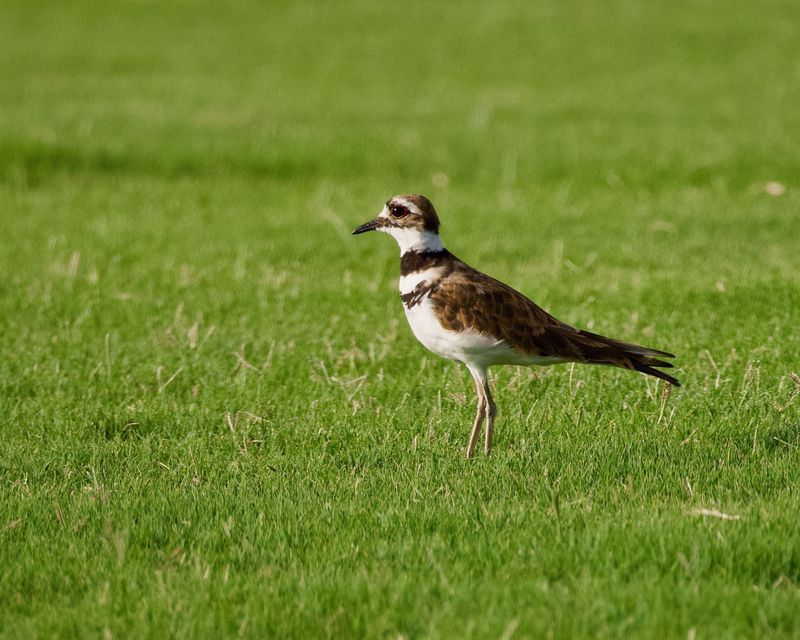
A sharp, ringing kill-deer call rolls across your yard, and you look up to find a slim shorebird standing far from any water. The Killdeer (Charadrius vociferus) breaks the rules, nesting in dry open spaces like lawns, ballfields, and farm edges all across North America.
If one keeps landing on your ground, it has judged the hunting good. Killdeer feed on earthworms, grasshoppers, beetles, grubs, and snails, all pulled from open soil.
Their foraging is almost comic. They run a few quick steps, freeze, bob the whole body, then dash again, a move that seems to spook hidden insects into moving.
In farm country they follow plows, grabbing worms and grubs the tilling turns up.
In wide-open states like Kansas or Nebraska, a resident killdeer signals living soil untouched by treatments that would wipe out its food. So do not rush to tidy every bare patch.
A little open, undisturbed ground gives these bobbing hunters exactly the stage they need, and it keeps ground bugs from stacking up unchecked.
5. Carolina Wrens Find Riches In Your Leaf Litter
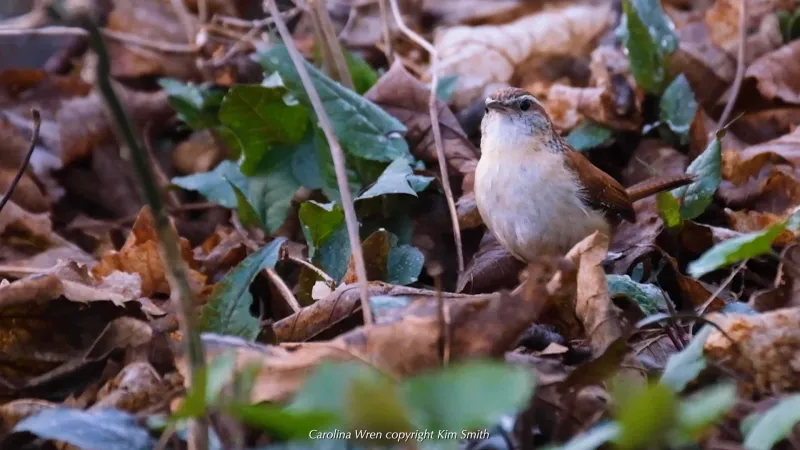
A loud, rolling tea-kettle, tea-kettle bursts from your shrubs, far too big a sound for so small a bird. That is a Carolina Wren (Thryothorus ludovicianus), a year-round resident across the Southeast that loves a yard with dense cover and a brush pile or two.
Its steady presence means you offer both shelter and a full pantry. Wrens are insect hunters, working on or near the ground with slender, slightly curved bills.
They flip leaves, poke into bark crevices, and rummage through litter for beetles, caterpillars, spiders, ants, and grasshoppers. All that busy digging in hidden corners shows your yard holds the layered habitat small insects need to thrive.
Here is the neighborly part. Letting one section of your yard stay a little untidy, with fallen leaves left in place or a low shrub tangle, builds the exact environment these diligent bug-eaters want.
You lose nothing but rake time, and you gain a resident that patrols the shadows most other birds ignore. A wren working your leaf litter is a sign the small stuff is balanced.
6. Regular Flocks Signal A Pesticide-Free System
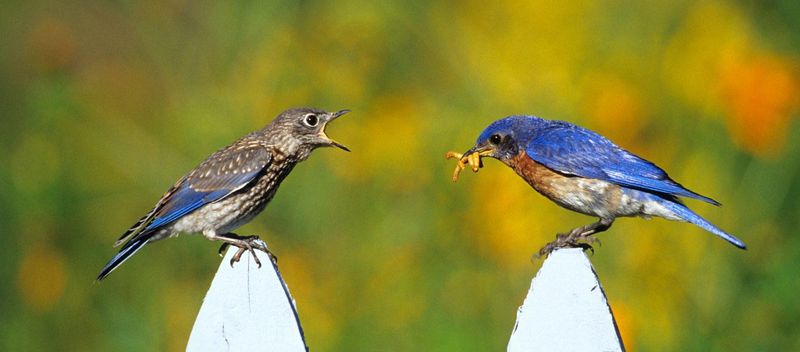
Picture a spring evening on the porch, the light going gold, and three or four kinds of birds working your grass at once. That mix is not luck.
It is the clearest read you can get on a chemical-free yard.
Birds gather where insects gather, and insects vanish fast under synthetic sprays. According to guidance from Cooperative Extension programs, broad-spectrum pesticides do not sort good bugs from bad.
They knock down the whole population, including the beetles, caterpillars, and worms birds depend on.
So a busy, varied crowd tells you the food web below is intact. A single nesting pair can feed their young over 500 insects in a day during peak season, which is real pest suppression happening for free.
You will not fix everything by watching, of course. But cutting or dropping synthetic pesticides and herbicides is the single change that protects this whole chain.
Spot-treat problems by hand where you can, and let the birds handle the rest. When the flocks keep returning, the balance is holding, and your tomatoes and porch evenings both benefit.
7. What Else Actually Helps
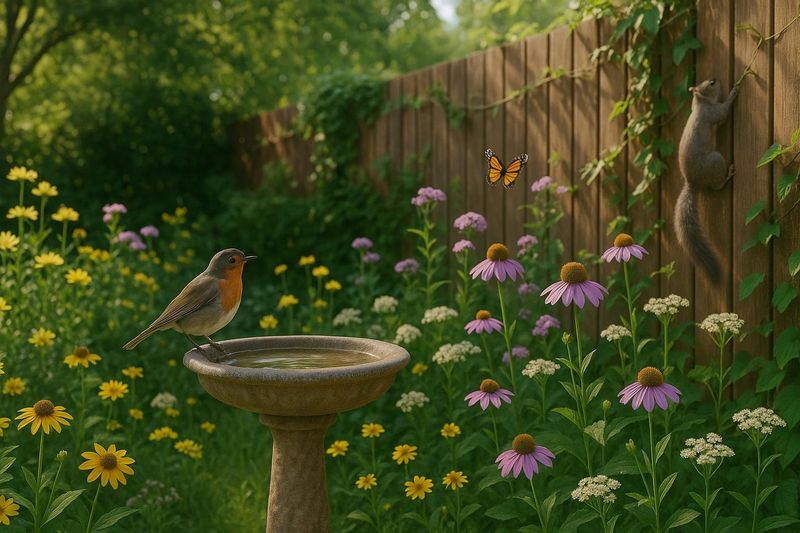
Seeing these birds is a strong report card, but you can push the balance further with a few calm moves. Start with plants that pull double duty.
Flowering dogwood (Cornus florida), native to the eastern United States, and serviceberry (Amelanchier canadensis), also native across much of the East and Midwest, feed insects in spring and offer berries later. Both give birds food and cover through the seasons.
Leave one corner slightly wild. A loose brush pile or a bed of fallen leaves gives ground foragers like wrens a place to hunt and hide.
Water seals the deal. A shallow bird bath, kept clean and topped with fresh water about 2 inches deep, draws and holds visitors even in dry stretches.
Scrub it out every few days so it stays healthy.
None of this works overnight, and no single step carries the whole load. But layer them together, skip the sprays, plant for your region, add water, and leave a little mess, and you build a yard that keeps feeding itself.
The birds will keep landing, and that steady traffic is your sign the ground beneath your feet is genuinely alive.