
What To Do With Your Florida Bougainvillea Now So It Blooms Nonstop Through Storm Season
Follow us on Google
You step onto the patio after breakfast and the air already feels heavy, and your bougainvillea is all green leaves with barely a bract in sight.
August in Florida is peak storm season, and most gardeners are wondering whether to prune hard, fertilize aggressively, or just hope for the best.
The honest answer is that a few careful moves right now can protect future flowers and reduce storm hazards, but no single weekend of work guarantees nonstop blooms.
Here is what actually helps, and what to skip.
Choose Light Cleanup Over a Hard Cut
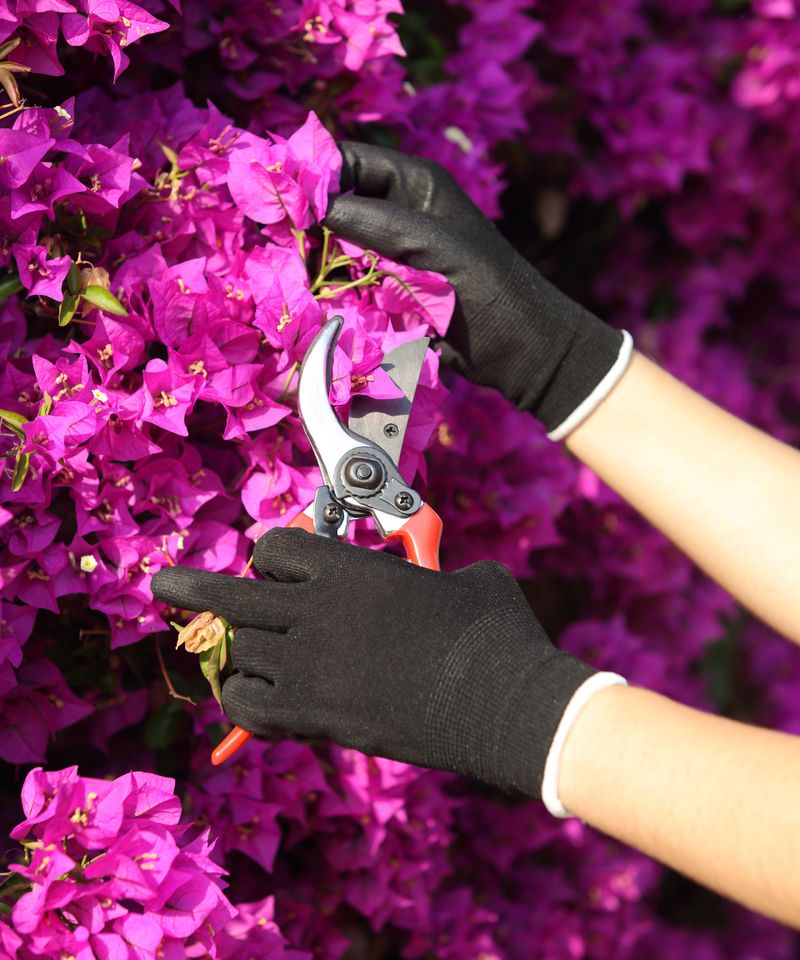
Grab your hand pruners and your heaviest gloves before you touch a bougainvillea, because the UF/IFAS bougainvillea fact sheet specifically warns that those thorns, often an inch or two long, can cause real injury.
Eye protection is not optional either.
Get both on before you make a single cut.
Now here is where many Florida gardeners go wrong in August: they grab the hedge shears and cut the whole plant back, thinking a hard reset will trigger a flower show.
Bougainvillea (Bougainvillea spp.) forms its colorful bracts on new growth, which sounds like a reason to prune aggressively.
But UF/IFAS guidance on bougainvillea warns that late-summer or early-fall pruning can remove developing flowering wood and reduce the blooms you would otherwise see later in the year, particularly the plentiful winter flowering that UF/IFAS describes as especially characteristic of this plant.
Mid-August is not the moment for a bloom-reset prune.
What the plant genuinely needs right now is selective cleanup: remove dead stems, broken canes, and any growth that is dangerously loose or rubbing against a window, roofline, or gutter.
Use hand pruners, not shears, and make clean cuts just above a healthy node or junction.
There is also an important distinction between routine maintenance and emergency storm work.
Miami-Dade UF/IFAS guidance recommends leaving bougainvillea largely alone after late August.
And UF/IFAS hurricane landscape guidance is clear that last-minute landscape work when a storm is imminent creates additional safety risks.
Do your selective cleanup now, before a watch or warning is posted, not the morning a storm is bearing down.
Check Direct Sun Before Changing Anything Else
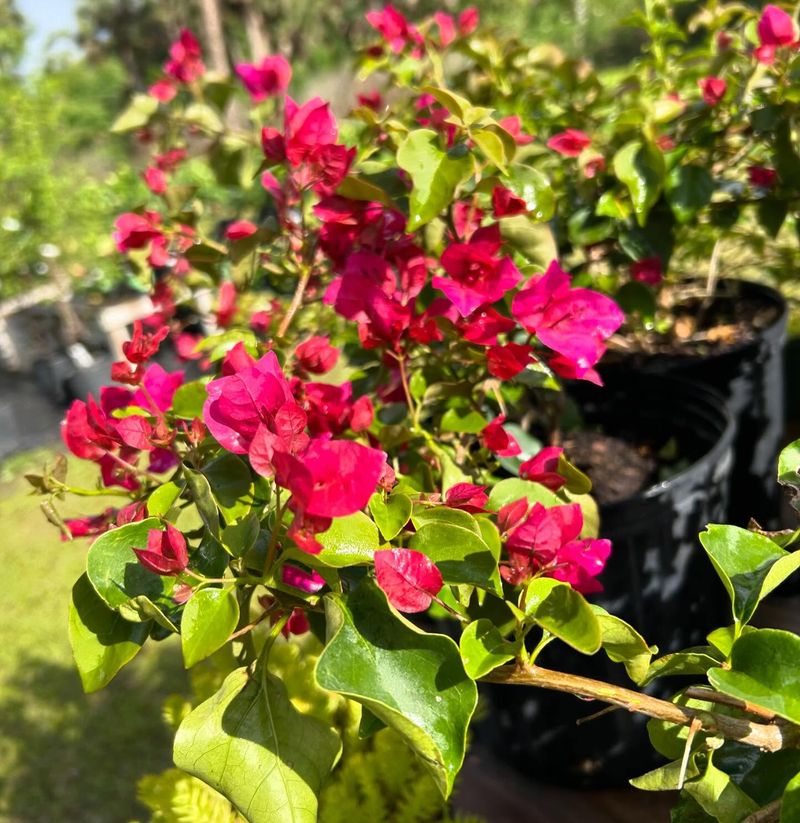
Before you adjust watering, fertilizer, or pruning, walk around your bougainvillea at midday and count how many hours of direct sun it actually receives.
Many Central Florida gardeners are surprised to discover that a tree they planted three years ago has quietly grown into the bougainvillea’s light.
Shade is often the real reason a plant is producing leaves instead of bracts.
UF/IFAS confirms that bougainvillea needs full sun and that more direct sun generally supports more blooms.
In Florida landscapes, full sun means approximately 6 hours of direct sunlight per day, and bougainvillea performs best when it gets that or more.
A plant receiving 3 or 4 hours of dappled light will reliably choose leaves over bracts, no matter how carefully you manage water or fertilizer.
Look for new shade sources: live oaks that have filled in, sabal palms with expanding canopies, a neighbor’s fence or addition, seasonal growth from nearby shrubs, or a roofline that now blocks afternoon sun.
Sometimes the fix is as simple as removing one low limb from an adjacent tree.
One honest caveat: intense Florida afternoon sun does increase water stress, especially on the Gulf Coast and Atlantic Coast where heat builds through August.
A sunny location is the right goal, but it still calls for sensible moisture monitoring rather than intentional drought.
UF/IFAS plant problem diagnosis guidance recommends checking light as a first step before assuming a cultural problem has a more complicated cause.
Start there, and you may solve the whole puzzle without changing anything else.
Avoid Constantly Wet Roots Without Creating Drought Stress
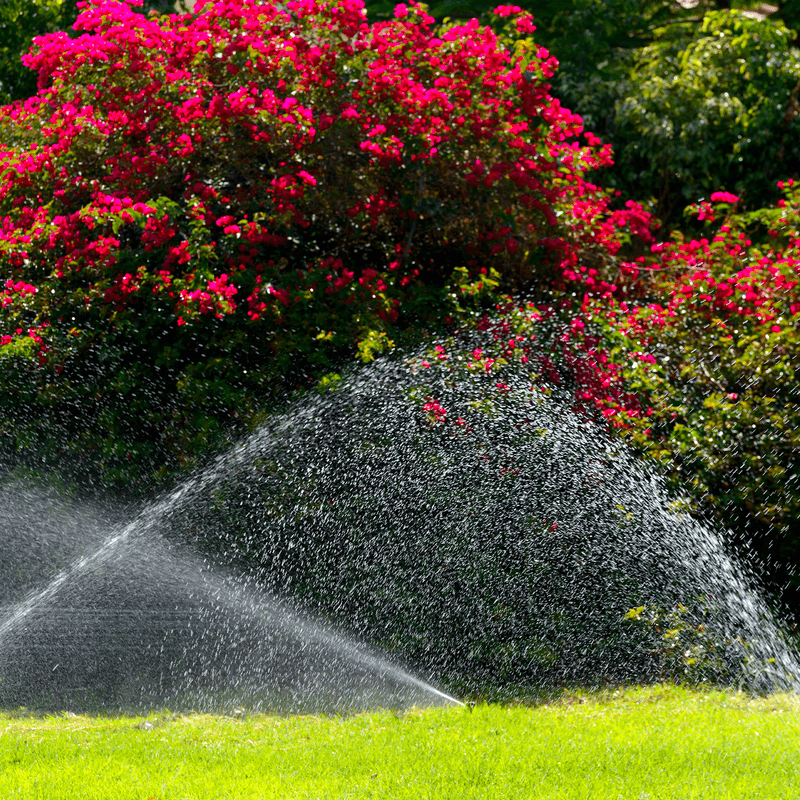
Bougainvillea is adapted to relatively dry conditions, and roots sitting in constantly wet soil are one of the most reliable ways to suppress flowering.
The plant prefers well-drained soil, and in Florida’s August rainy season, many established landscape plants are already receiving more moisture than they need from daily afternoon downpours alone.
A good rule of thumb: do not run irrigation within 24 hours of receiving at least one-quarter inch of rain, when the plant has otherwise received adequate moisture.
UF/IFAS guidance on establishing shrubs in Florida landscapes notes that newly planted 3-gallon shrubs in well-drained soil may need about 1 gallon every 2 to 4 days in North and Central Florida during establishment, and every 2 days in South Florida, but those figures apply specifically to newly planted shrubs going through establishment.
They should not be transferred automatically to a mature bougainvillea growing in a different soil condition or receiving regular rainfall.
For established plants, water mainly when prolonged dry conditions produce visible signs of stress: mild wilting in the morning, leaf drop, or soil that is dry several inches down.
Avoid saturated soil and standing water around the root zone.
UF/IFAS fertilization and irrigation guidance confirms that established landscape shrubs often need little or no supplemental irrigation once their roots have extended to the edge of the canopy.
A controlled study of potted ‘Taipei Red’ bougainvillea, published in the Philippine Agricultural Scientist, found that a water-stress treatment produced earlier and more numerous flower buds but also reduced shoot growth and leaf retention.
That result comes from a controlled potted-plant study, not a Florida landscape prescription.
Moderate drying may support flowering in some conditions, but severe drought can cause wilt, leaf loss, and plant injury, especially in shallow limestone soils common in parts of South Florida and the Keys.
Container plants and newly planted shrubs need closer monitoring than established landscape plants, because their root zones dry out faster and buffer less water.
Use Fertilizer Sparingly
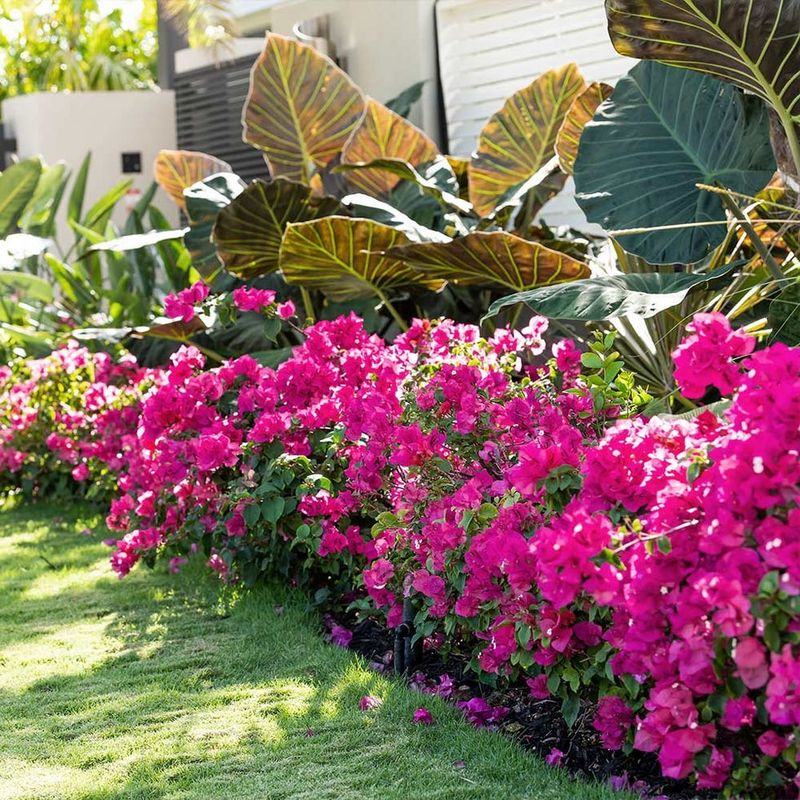
More fertilizer does not mean more flowers on a bougainvillea.
That is one of the most common mistakes Florida gardeners make, and it reliably produces the opposite of what they want: thick green leaves and almost no bracts.
UF/IFAS bougainvillea guidance is direct about this: excess nitrogen encourages leafy growth instead of colorful bracts.
And the UF/IFAS basics of fertilizer adds that overfertilizing can burn plants, stimulate excessive and weak growth, aggravate pest problems, and increase nutrient losses into the surrounding environment.
In August, when a healthy bougainvillea is already growing vigorously in the rainy-season warmth, nitrogen-heavy feeding is the last thing it needs.
If your plant shows genuine signs of nutrient deficiency, yellowing older leaves being the most common signal, choose a slow- or controlled-release product labeled for landscape ornamentals and follow the label rate precisely.
UF/IFAS guidance on fertilizer types explains that in Florida, a fertilizer labeled slow-release or controlled-release must contain at least 15 percent slow- or controlled-release nitrogen by state labeling standards.
That is a label standard, not a recommended dose for your specific plant.
UF/IFAS nitrogen guidance and UF/IFAS landscape fertilization guidance both caution against applying general landscape nitrogen limits as per-plant doses.
High-phosphorus bloom boosters marketed as flowering cures are not a universal solution either.
Florida fertilizer guidance generally limits landscape phosphorus to 2 percent or less unless a soil test shows a specific need.
Read the label, apply only what the plant’s condition actually calls for, and skip the mid-August feeding entirely if the plant looks healthy and green.
Prepare the Support Before the Storm
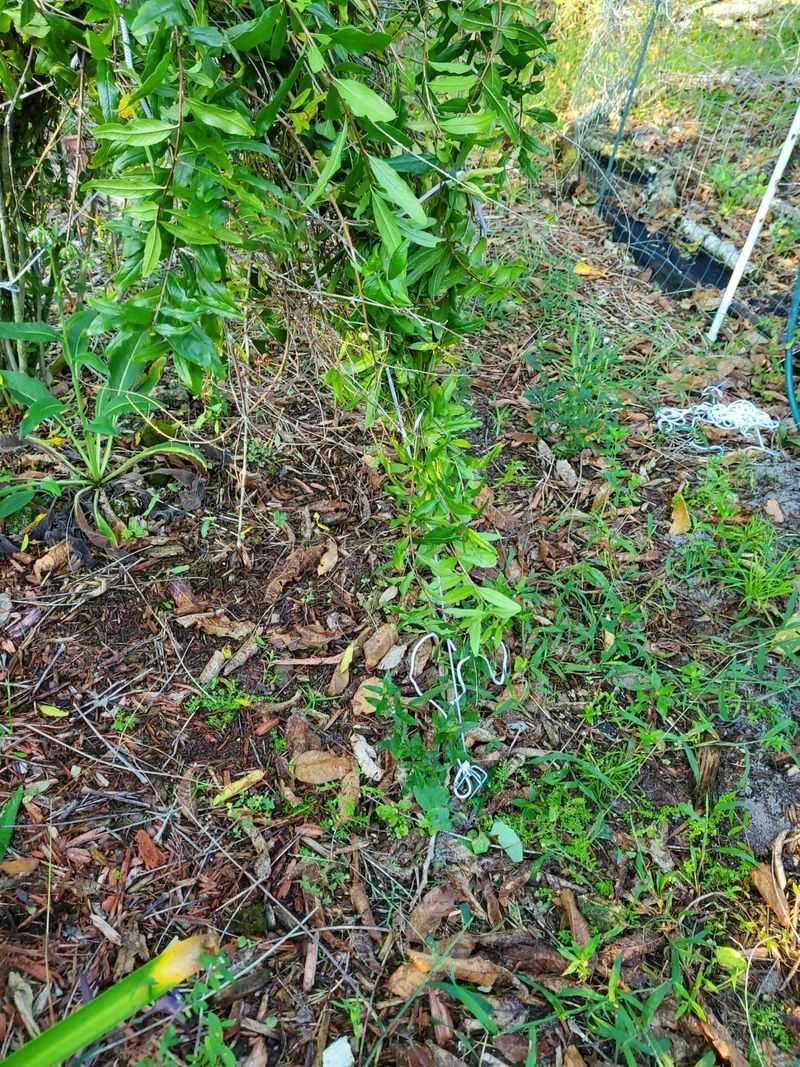
Storm preparation for a bougainvillea is a property-protection task, not a pruning opportunity.
The goal is to make sure the vine cannot become a projectile or peel away from a wall when wind arrives, and that job starts with the support structure, not the plant itself.
Walk the entire length of the trellis, wall anchors, ties, and nearby fence sections.
Look for rusted fasteners, loose anchors, ties that have cut into canes, or sections where the vine has grown away from its support and is hanging free.
Secure loose growth back to sound support using soft garden ties, and replace any anchor that moves when you pull it.
Then check for contact points: canes rubbing against window frames, roof edges, gutters, or electrical equipment should be redirected or removed with hand pruners.
UF/IFAS hurricane season landscape guidance recommends completing this kind of preparation well before a storm watch or warning is issued.
UF/IFAS Extension hurricane landscape advice specifically recommends using pruners rather than hedge shears for any necessary cuts, and warns that last-minute landscape work when a storm is imminent creates real safety risks for the gardener.
The NOAA Climate Prediction Center defines the official Atlantic hurricane season as June 1 through November 30, with the peak period generally running from August through October.
That means right now, in mid-August, is exactly when support inspection matters most.
UF/IFAS guidance on minimizing wind damage and UF/IFAS hurricane preparation guidance both make the same point: routine maintenance can reduce hazards, but no support system or pruning method makes a bougainvillea hurricane-proof.
Pruning Timing Influences the Next Flowering Flush
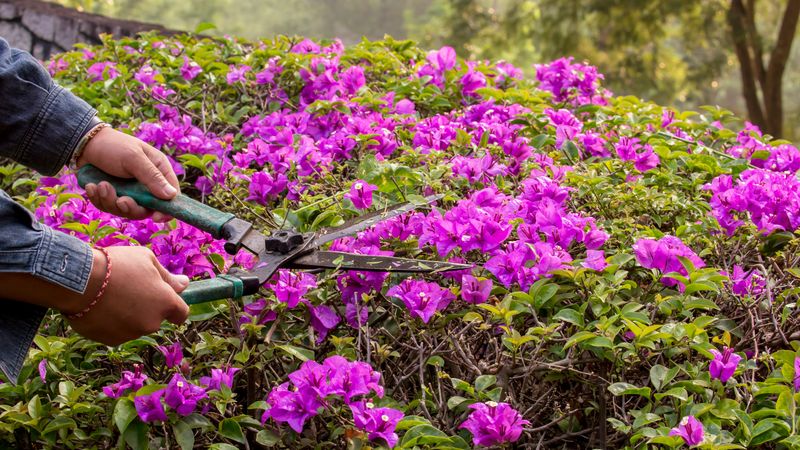
Here is something that surprises many gardeners: the colorful display on a bougainvillea is not actually petals.
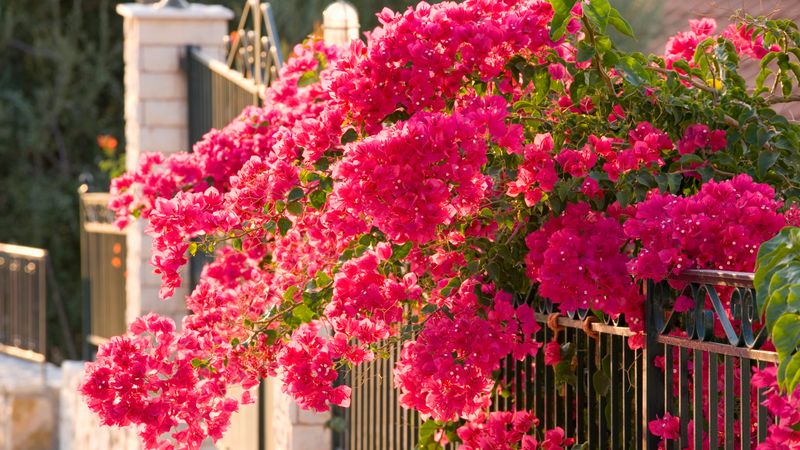
Those vivid pink, orange, red, or white structures are bracts, modified leaves that surround the plant’s small, generally white or yellow true flowers.
Bracts form on new growth, which is exactly why pruning timing matters so much.
Cut at the right moment and you encourage a flush of new flowering shoots.
Cut at the wrong moment and you remove the wood that was about to carry the next round of color.
UF/IFAS recommends major pruning in late winter or early spring after flowering, or around the beginning of the rainy season, and warns that pruning in late summer or early fall may reduce winter flowering.
UC IPM bougainvillea guidance and University of California Agriculture and Natural Resources bougainvillea notes both caution against major pruning immediately before a desired bloom period.
So the seasonal plan for mid-August is straightforward: use this time for light cleanup and support checks, as described in the earlier sections, and reserve major shaping for late winter or early spring after the next flowering flush.
Miami-Dade UF/IFAS guidance recommends needed cutbacks in late spring or early summer, followed by minimal intervention after late August.
The UF/IFAS bougainvillea fact sheet notes that flowering is also shaped by light, water, temperature, cultivar, plant age, and prior pruning history.
Pruning timing influences the next flowering flush, but it is one factor among several.
A plant that lacks sun or sits in wet soil will not reward good pruning timing with a strong bract display.
Florida’s Regions Set Different Flowering Expectations
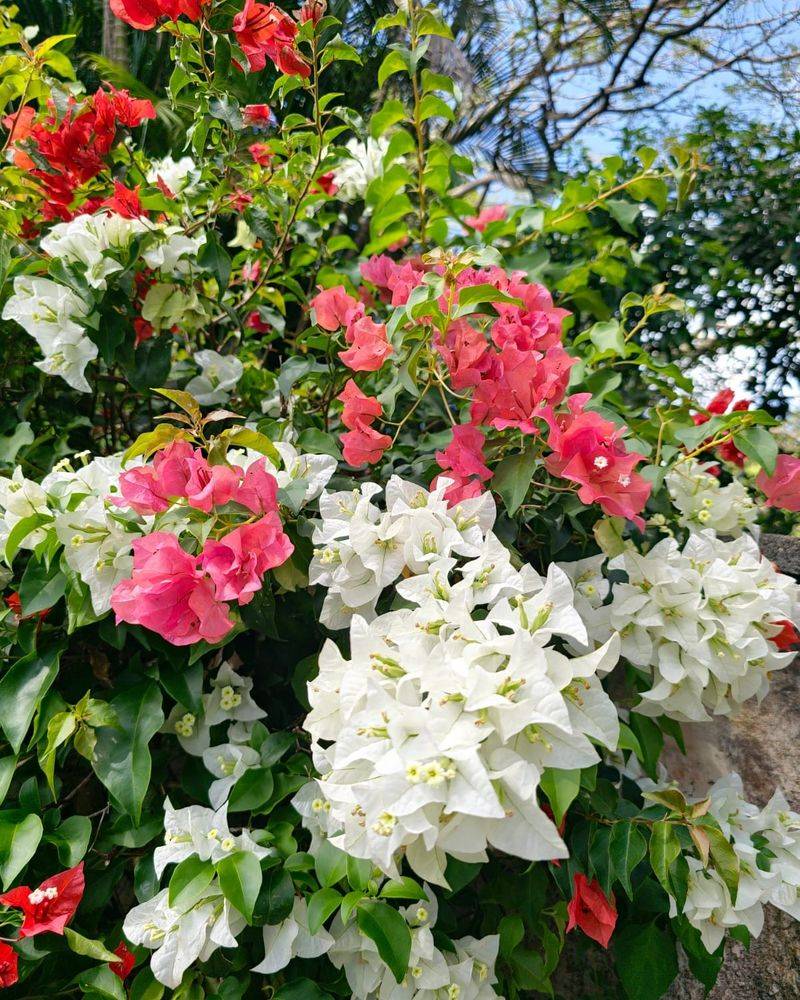
Florida is not one climate, and bougainvillea does not behave the same way from Pensacola to Key West.
Treating the whole state as a single growing zone leads to advice that works beautifully for one gardener and fails completely for another a few counties away.
In South Florida and the Keys, where year-round warmth and USDA zones 10b through 11b prevail, bougainvillea can flower through much of the year.
Miami-Dade UF/IFAS guidance describes flowering patterns in South Florida that are linked to shorter days and the dry season, with especially plentiful flowering in winter when day length shortens and rainfall drops.
Gardeners there may see repeated color through much of the year if light, water, and fertilizer are managed well.
Move north to Central Florida and the picture changes.
Brief cold snaps can interrupt flowering, and a plant that bloomed freely through January in Miami may go dormant or look ragged after a 35-degree night in Orlando.
UF/IFAS lists bougainvillea as frost- and freeze-sensitive, and in North Florida, where hard freezes can push into USDA zone 8b in parts of the Panhandle, the plant may die back to the ground in a cold winter and spend much of the following summer recovering rather than flowering.
Extension specialists confirm that flowering patterns also vary by cultivar, with some types responding more strongly to day length or dry-season cues than others.
Strong light, sensible moisture, restrained fertilizer, appropriate pruning, and solid storm preparation may help a healthy plant flower repeatedly, but cultivar and local weather still set the final schedule, not the gardener alone.
Finish With a Practical August Checklist
Pull this together into a routine you can actually do on a Saturday morning before the heat peaks.
Start by walking the plant in full sun and checking how many hours of direct light it receives.
If a tree or structure has grown into its light, that is your first fix, not fertilizer.
Next, check soil moisture and think back over the past week of rainfall.
If the ground is already moist from afternoon storms, skip irrigation entirely.
UF/IFAS establishment guidance reminds gardeners not to irrigate immediately after at least one-quarter inch of rain when the plant has received adequate moisture.
Container plants and newly planted shrubs dry out faster than established landscape plants, so check those separately and water if the top inch of their mix is dry.
Pause any nitrogen fertilizer if the plant is growing vigorously or if you cannot point to a clear deficiency.
Remove only dead, broken, or hazardous growth with hand pruners, wearing heavy gloves and eye protection.
Then inspect the trellis, ties, and wall anchors and secure anything loose before the next storm system develops.
After heat spells or heavy rain, monitor the plant for wilt that does not recover by morning, unusual leaf drop, sticky residue on leaves, or visible spots or lesions.
UC IPM bougainvillea guidance and the UF/IFAS Florida plant disease and pest scouting guide both recommend identifying the specific problem before reaching for any pesticide.
Scale insects, aphids, whiteflies, and fungal leaf spots each call for different responses.
You cannot command nonstop flowers, but you can clear the obstacles that stand between your plant and its next good flush.