
10 Perennials That Get Bigger And More Loaded With Blooms Every Year You Leave Them Alone
Follow us on Google
You planted something three springs ago, forgot about it, and now it is the fullest thing in the yard. That is not luck.
Some perennials genuinely reward you for stepping back, growing wider and heavier with flowers the less you fuss over them. The plants below fit that promise, whether you garden in dry Western soil, humid Southern heat, or a cold Midwest yard.
Each one earns its keep on a busy weekend when you would rather be on the porch than pulling weeds.
1. Daylily
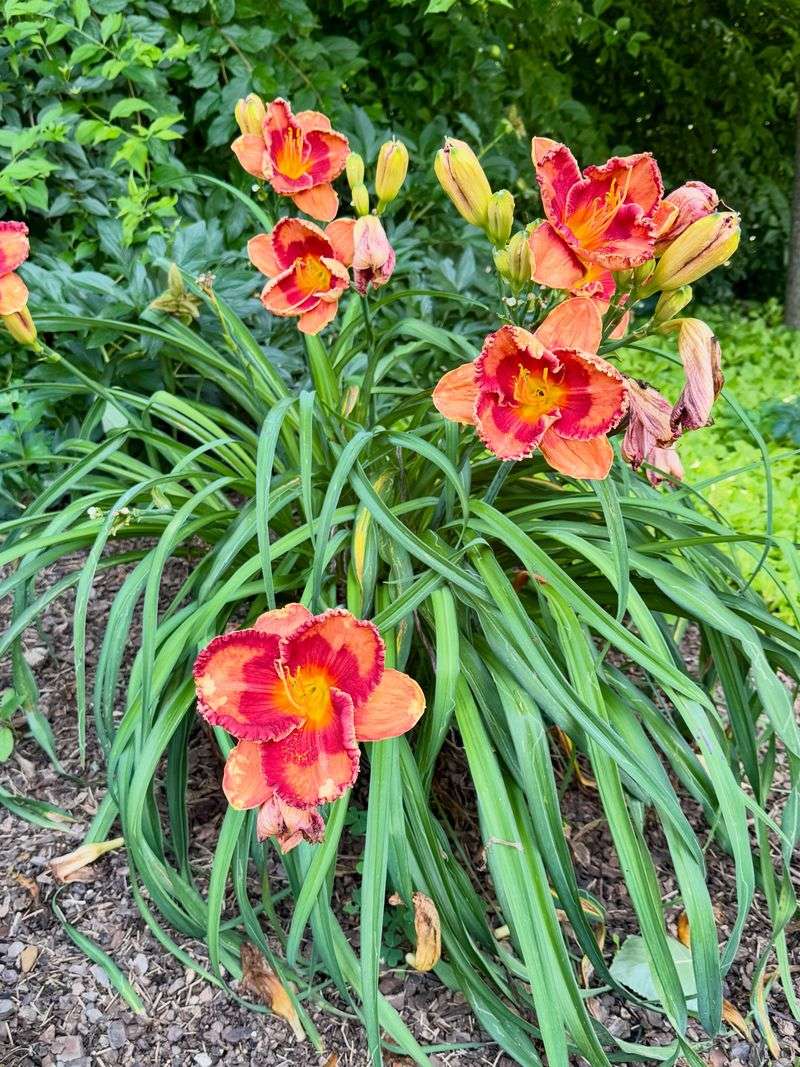
Picture a July afternoon, the driveway edge baking, and one plant shrugging off the heat while everything else wilts. That is the daylily, often called nearly indestructible for good reason.
Hemerocallis forms tight clumps that widen a little more each season, throwing up fresh flower scapes loaded with buds. Reblooming types keep the show going from spring past summer.
Each bloom lasts a single day, but a mature clump opens dozens in a row, so you barely notice the turnover.
Give them at least 6 hours of sun and roughly 1 inch of water a week during dry spells. Space plants 12 to 24 inches apart and set the crown about 1 inch below the soil.
They handle clay, sand, or loam without complaint.
You do not have to divide them to get more flowers. But every 3 to 5 years, splitting an overcrowded clump keeps it vigorous.
The University of Minnesota Extension notes daylilies tolerate drought and poor soil once established, which is why they anchor so many low-effort beds. Skip the heavy nitrogen, or you will get lush leaves and fewer blooms.
2. Russian Sage
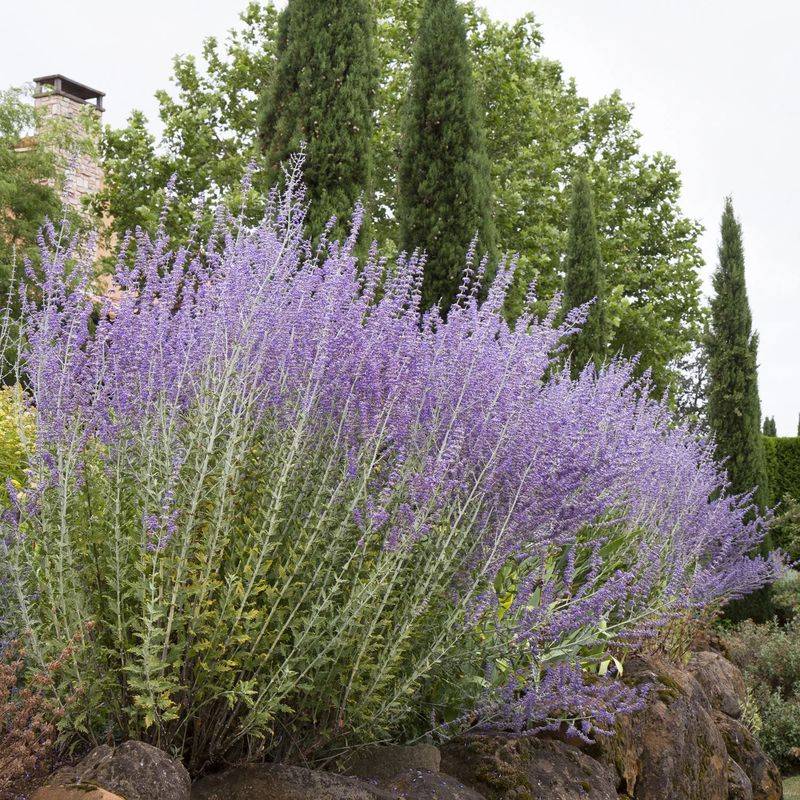
Some plants get stronger and more expansive the drier and hotter it gets. Russian sage is one of them, a hazy cloud of lavender-blue that hums with bees from midsummer into fall.
Salvia yangii, once called Perovskia atriplicifolia, is a woody subshrub that spreads wider each year with almost no help from you. The silvery stems even hold interest through winter after the flowers fade.
Plant it in full sun, 6 to 8 hours daily, or it flops and grows leggy. It wants lean, well-drained soil and hates wet feet, so heavy clay is a gamble.
Once rooted, it laughs at drought and rarely needs watering. Space plants 2 to 3 feet apart for airflow.
The only real chore comes in late winter or early spring. Cut old stems back to a few inches, and fresh growth erupts bushier and heavier with bloom.
It tolerates cold down to about -20 degrees Fahrenheit in Zones 4 through 9. Deer and rabbits walk past the aromatic foliage, which is a quiet win near a nibbled flower bed.
3. Catmint
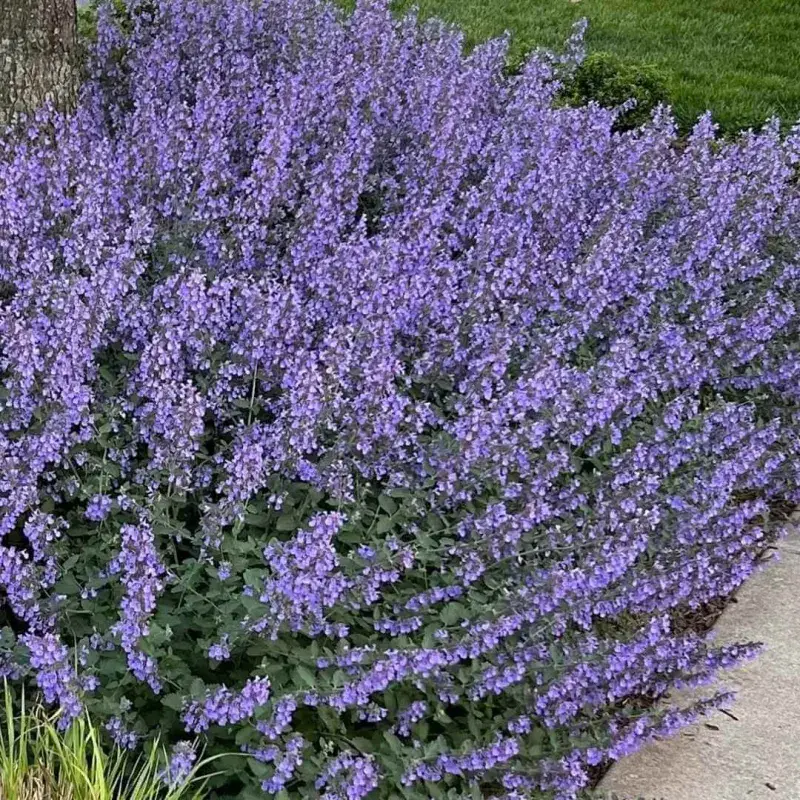
Thrives on neglect. That phrase gets thrown around, but catmint actually earns it.
Leave the plant alone in lean soil and full sun, and it rewards you with waves of lavender-blue spikes from late spring into fall.
Nepeta forms neat, expanding mounds that get fuller each year. The trick to a second big flush is one quick move.
Shear the whole plant back by a third to a half after the first bloom fades in midsummer, and it re-flowers with fresh foliage.
It needs 6 hours of sun and good drainage above all else. Overly rich soil makes it leggy and shy on flowers, so skip the fertilizer in most yards.
Once established, it barely needs water. Space plants 12 to 36 inches apart depending on the variety.
Bees, butterflies, and hummingbirds crowd the blooms all season. The aromatic leaves keep deer and rabbits away, and it stays virtually pest and disease free.
Divide only every 2 to 4 years if a clump thins in the middle. Hardy in Zones 3 through 9, it fills the messy gap between the tidy edge and the wild patch beyond.
4. Coneflower
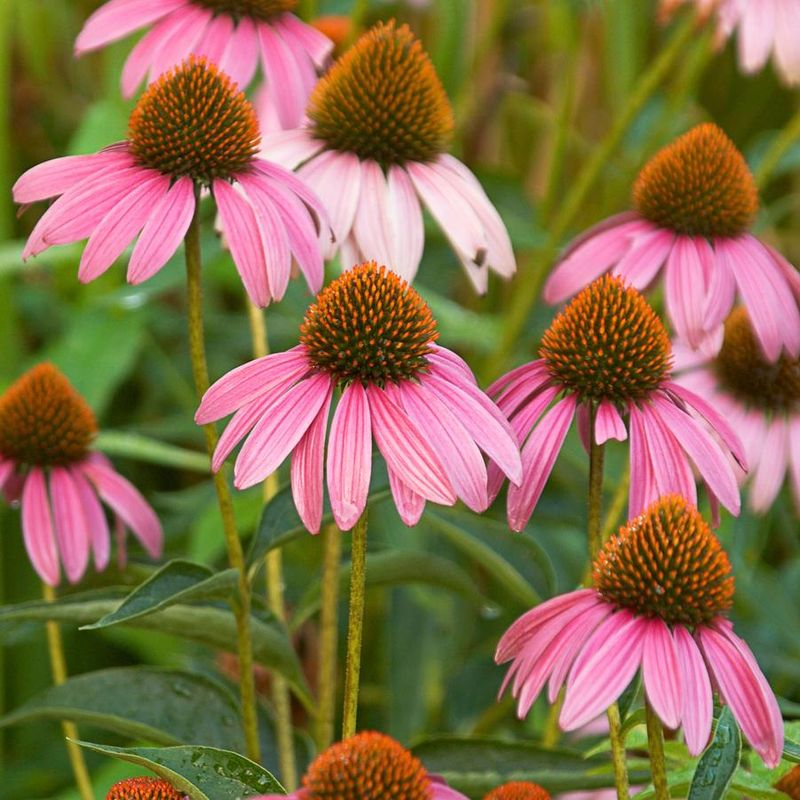
Late summer, the meadow edge buzzing, a goldfinch clinging sideways to a spent flower head picking out seeds. That scene runs on coneflowers, and it repeats every year with almost no effort from you.
Echinacea forms sturdy clumps that come back reliably and bloom heavier as they settle in. Deadhead through summer for more flowers, then leave the last round standing.
Those dried cones feed songbirds and add architecture through winter.
Full sun, 6 to 8 hours, brings the most bloom, though a little afternoon shade helps in the hot South and keeps petals from scorching. They shrug off drought once rooted and prefer well-drained soil.
Space plants 12 to 36 inches apart, and go easy on fertilizer so stems stay strong.
Every 3 to 5 years you can divide a crowded clump, but it is optional. Watch for aster yellows, a leafhopper-spread disease that distorts blooms.
Pull and destroy any infected plant. Hardy in Zones 3 through 9, coneflowers pull in bees, butterflies, and hummingbirds, turning a forgotten corner into working habitat.
5. Black-Eyed Susan
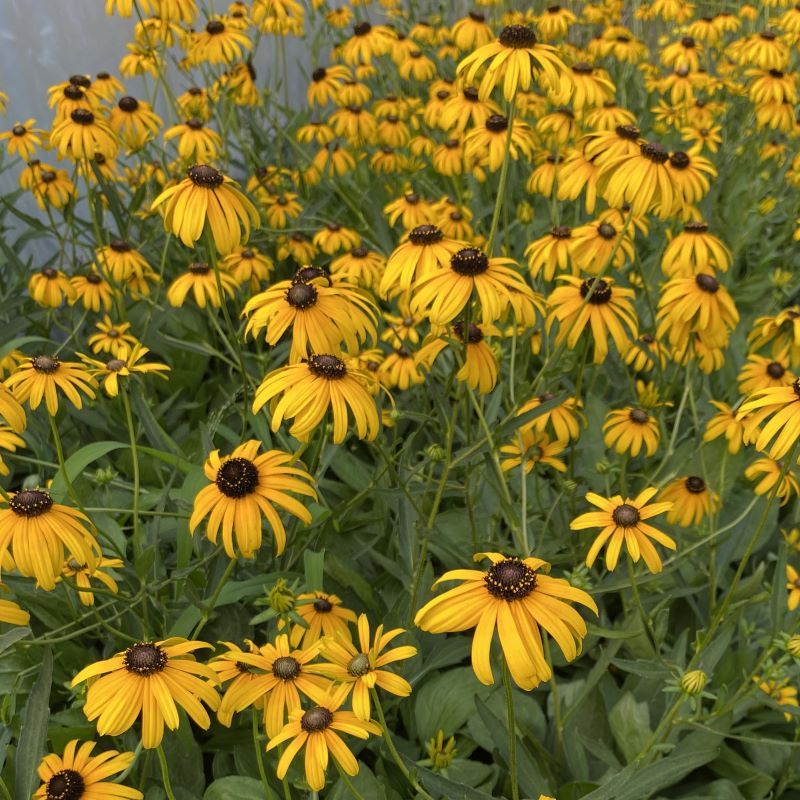
Golden flowers spreading a little farther each summer, filling gaps you never planted. That is Rudbeckia fulgida doing what it does best, quietly expanding by underground runners into a bigger, brighter patch.
Unlike some short-lived cousins, this is a true perennial that gets denser and more loaded with bloom year after year. The cheerful daisies run from midsummer well into fall, and deadheading stretches the show even longer.
It wants 6 or more hours of sun and adapts to clay, sand, or gravel, though it prefers steady moisture and dislikes soggy ground. Water at the base to keep leaves dry and dodge leaf spots.
Space plants 12 to 24 inches apart, and add a 2 to 3 inch mulch layer to hold moisture.
Leave seed heads standing into late fall for the birds, then cut back in early spring. Powdery mildew can show up in crowded, humid spots, so give plants room to breathe.
Deer generally leave them alone. Hardy across Zones 3 through 9, black-eyed Susans are the plant that makes a tired border look intentional again.
6. Shasta Daisy
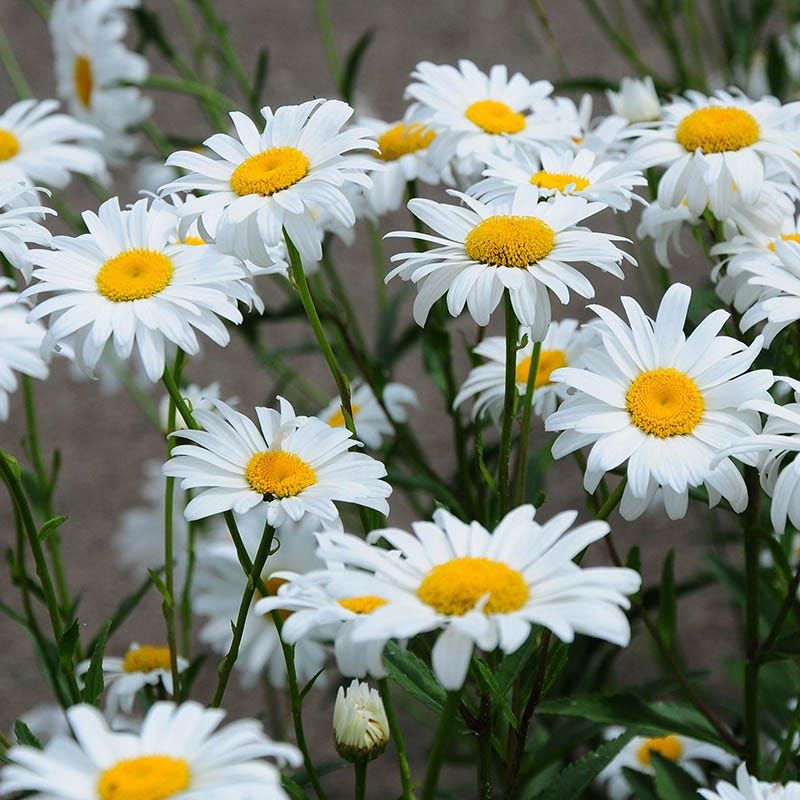
Named for the snowy slopes of Mount Shasta, this daisy brings that same clean white to the summer border. Crisp petals, sunny yellow centers, and a clump that grows fuller and cheerier over time.
Leucanthemum x superbum blooms hard from June into September, and regular deadheading keeps new flowers coming. It is honest to say these lean short-lived compared to a peony, so here is the one catch.
Divide every 2 to 5 years to keep the center from thinning, and the plant rewards you with years more of thick, generous bloom.
Full sun, at least 6 hours, gives the best flowering, with light afternoon shade welcome in brutal heat. Drainage matters most.
Wet winter soil rots the crown fast. Space plants 12 to 18 inches apart and water about 1 inch a week during dry stretches.
Cut foliage back to about 2 inches after a hard frost. Watch for slugs at the crown of low varieties.
Butterflies and bees love the flat landing pads, and the stems make excellent cut flowers for the kitchen table. Hardy in Zones 5 through 9.
7. Sedum
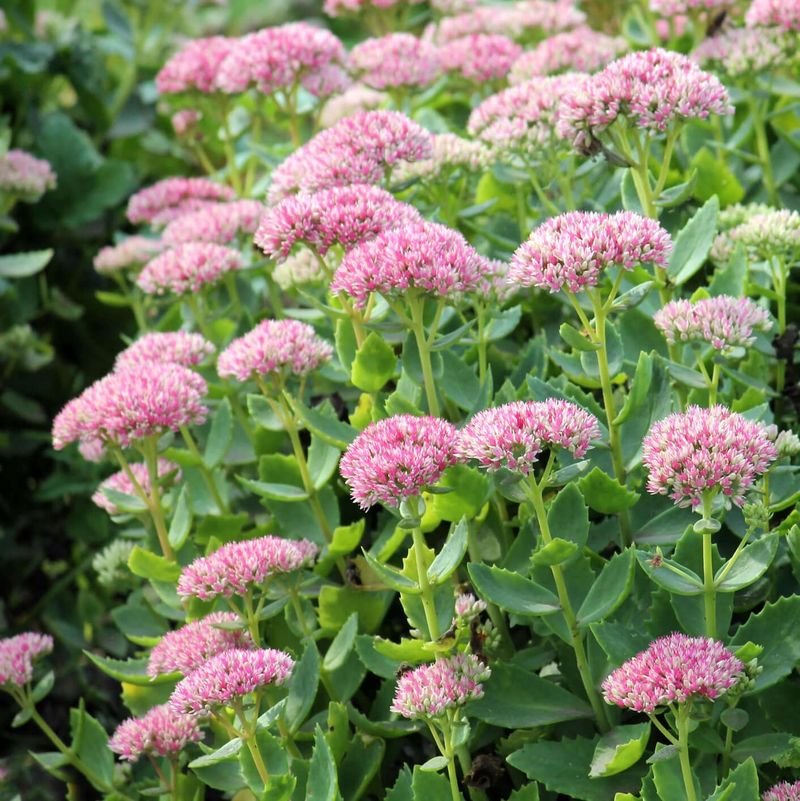
When most of the garden is winding down, a fat pink flower head cracks open and the bees come back for one last feast. Upright sedum saves its best act for late summer and fall.
Hylotelephium, the tall type gardeners still call Autumn Joy, is a succulent that stores water in its leaves and expands into a more substantial clump each season. The blooms shift from green buds to pink to rusty red, then dry into seed heads that hold snow beautifully through winter.
Give it 6 hours of sun and, above everything, sharp drainage. Gritty or sandy soil is ideal.
Overwatering and rich soil make it flop, so water sparingly, roughly every 7 to 14 days in summer, and skip the fertilizer. Space plants 18 to 24 inches apart.
For a shorter, sturdier plant, pinch stems back in late spring. Otherwise, leave it be and divide only every 2 to 4 years.
Slugs like the fleshy leaves, but disease is rare. Deer and rabbit resistant and hardy from Zones 3 through 9, sedum is the tough late-season anchor for a water-wise bed.
8. Yarrow
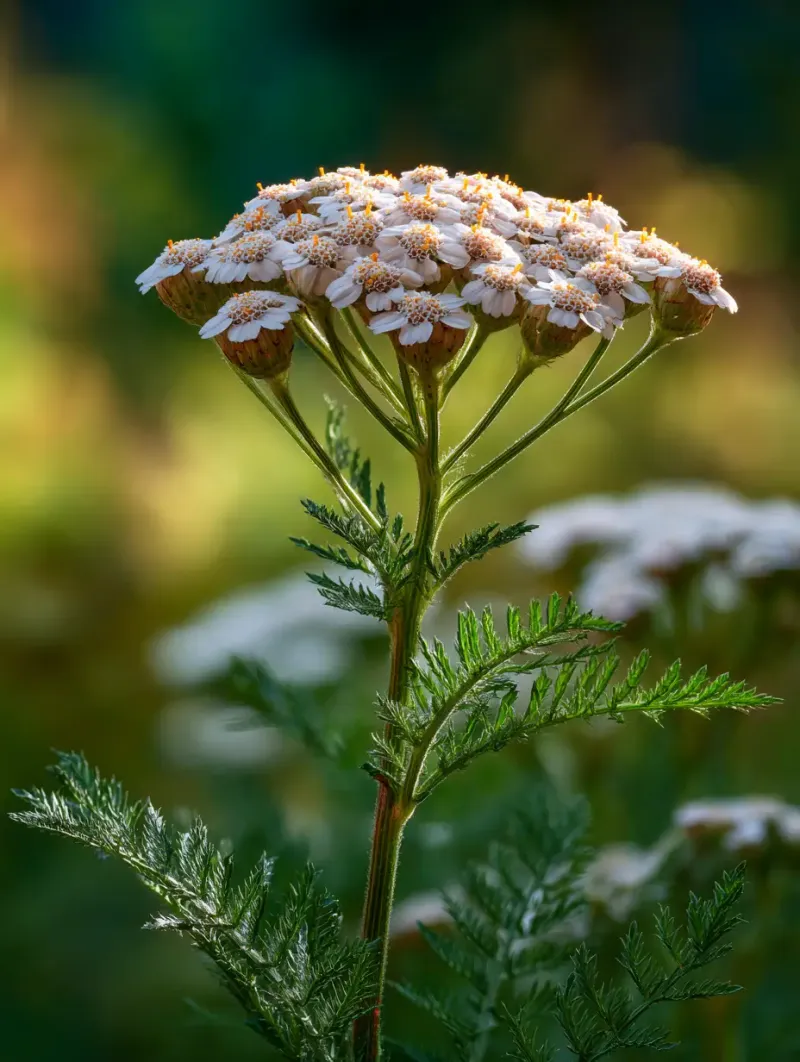
Ancient soldiers packed yarrow leaves on wounds, which is how it earned the name soldier’s woundwort. Today it earns its spot by practically growing itself in the worst corner of the yard.
Achillea millefolium is a tough spreader that colonizes through rhizomes and self-seeding, forming wide swaths of flat-topped flower clusters from late spring into early fall. Deadhead to keep the bloom going and to keep the self-seeding in check, because in rich soil it can travel farther than you want.
Full sun and lean, well-drained soil suit it best. Rich ground makes it flop and spread aggressively, so hold the fertilizer.
It needs only about a half inch of water weekly once established. Space plants 12 to 24 inches apart for airflow.
The University of Florida IFAS Extension lists yarrow among the most useful pollinator plants, and for good reason. Ladybugs, lacewings, hoverflies, bees, and butterflies all work the blooms.
Aromatic foliage keeps deer and rabbits off. Divide every 3 to 5 years to manage the spread.
Hardy through Zones 3 to 9, it is the reliable choice for a dry, sunny slope nothing else likes.
9. Hosta
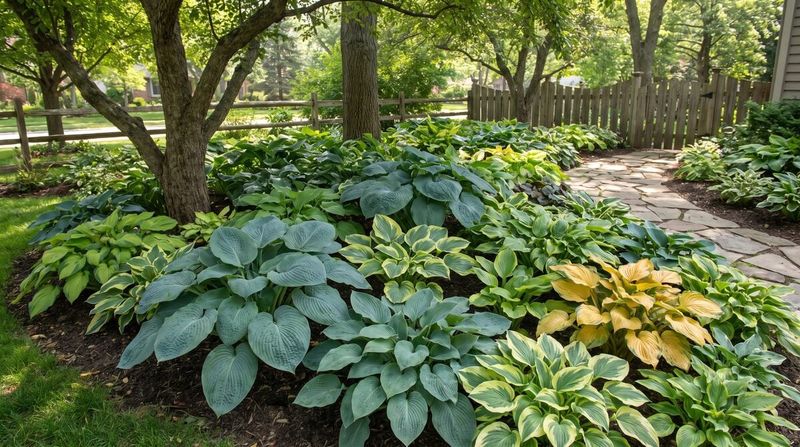
Not every reliable spreader wants the sun. Under the maple where grass gives up and the afternoon stays cool, hostas take over and get bigger and better with each passing season.
Grown mostly for their layered foliage, hostas form dense mounds that widen yearly and smother weeds under broad leaves. In summer they send up scapes of bell-shaped flowers, some fragrant, that hummingbirds and bees visit.
They thrive in filtered or partial shade, generally under 4 hours of direct sun. Gold types take a bit of morning sun for richer color, while blue types need deeper shade to keep their waxy coating.
Give them rich, well-drained soil and about 1 inch of water a week. Spacing runs anywhere from 12 to 72 inches depending on how large the variety gets.
Here is the good news for busy gardeners. Many hostas go 5 to 10 years without needing division.
Slugs are the main headache, chewing ragged holes, so thicker-leaved varieties resist them better. Deer browse them too.
Hardy in Zones 3 through 9, hostas turn a bare, shady patch into a full, layered bed.
10. Peony
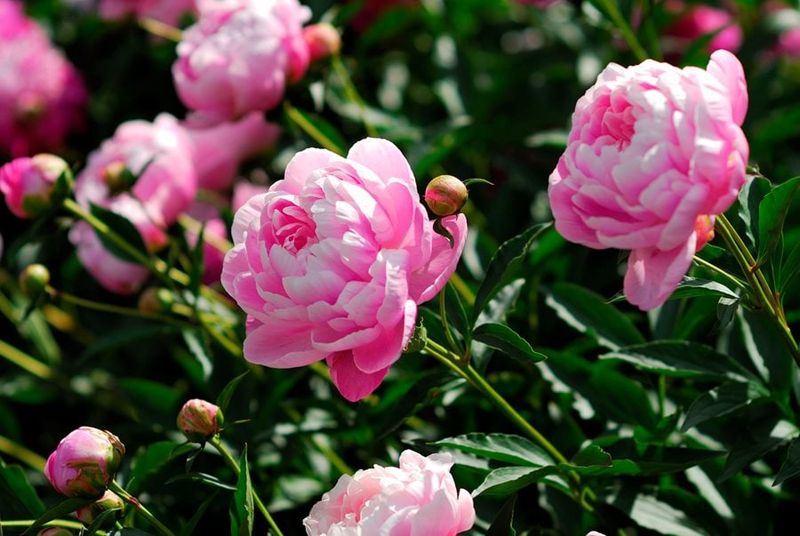
There are peonies still blooming on old farmsteads where the house is long gone. Plant one right, and it may outlive you, getting more sumptuous every single year while you do almost nothing.
Paeonia lactiflora can thrive 50 to 100 years in one spot. Gardeners describe the pattern as first year sleep, second year creep, third year leap, with full glory by about year eight or nine.
And peonies genuinely dislike being moved, so leaving them alone is the whole strategy.
Give them 6 to 8 hours of sun and deep, well-drained, fertile soil. The single most important detail is planting depth.
Set the buds, called eyes, no more than 1 to 2 inches below the surface. Bury them deeper and you get leaves but no flowers.
Space plants 2 to 3 feet apart.
They need real winter cold, at least 6 weeks below 40 degrees, which is why they shine in Zones 3 through 8. The University of Missouri Extension recommends fall cutback and good airflow to head off botrytis blight.
Those famous ants on the buds are harmless, just after the nectar. Skip the division, cut back after frost, and let a peony become the heirloom your yard grows into.