
Guinea Fowl and Tick Control: What Pennsylvania Homeowners Should Actually Know
Follow us on Google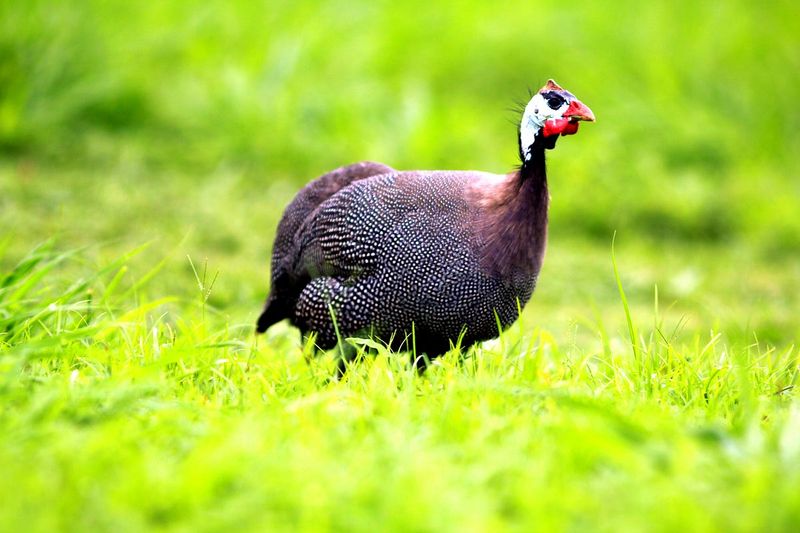
Walk through a Pennsylvania backyard in late spring and you might not see the ticks, but they are out there, waiting in the tall grass and leaf litter.
A popular story spreading on social media promises that one specific backyard bird can eat hundreds of ticks a day and solve the whole problem for you.
That bird is the helmeted guinea fowl, and the good news is that it genuinely does eat insects and ticks.
The fuller story is more complicated, and knowing it before you buy a flock could save you a lot of headaches.
The Bird Behind the Popular Claim
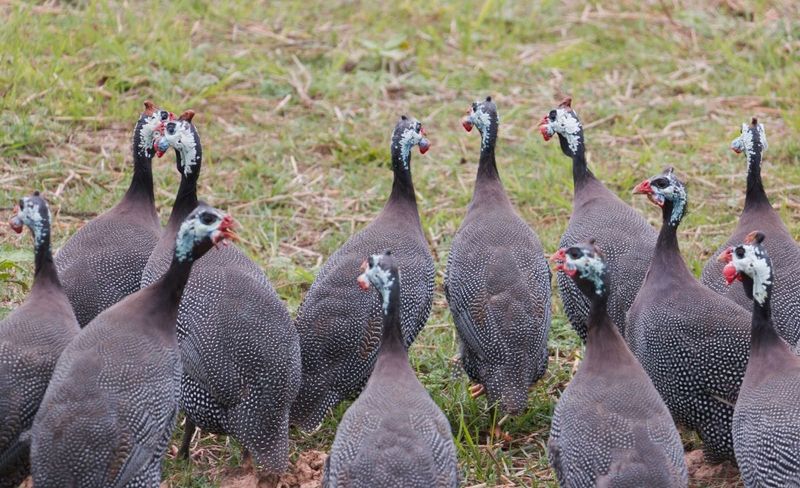
Spotted feathers, a bony helmet, and a loud voice that carries three yards over: the helmeted guinea fowl, Numida meleagris, is hard to miss once you know what you are looking at.
These birds did not originate in Pennsylvania or anywhere close to it.
They are domesticated poultry that came from sub-Saharan Africa, and some Pennsylvania homeowners keep small flocks the same way others keep chickens.
Guinea fowl are natural foragers.
Extension guidance on raising guinea fowl in backyard flocks describes birds that roam actively and eat insects, beetles, slugs, weed seeds, and yes, some ticks.
The University of Maine Cooperative Extension notes that guinea fowl have a reputation for reducing insect pest populations on small properties, which is where a lot of the excitement comes from.
But the claim that one bird clears hundreds of ticks from your yard every single day is not backed by any reliable measurement.
No peer-reviewed study and no extension source puts a dependable daily number on what one guinea fowl consumes.
That figure circulates online as if it were a proven fact, and this article exists to separate what the research actually supports from what makes a good social media headline.
The honest answer is that guinea fowl can eat some ticks and may offer a small supplemental benefit.
They are not a replacement for the tick-prevention habits that genuinely protect your family and pets.
Treat them as an optional extra layer, not a standalone solution, and you will have a realistic picture before you spend money on birds or a coop.
What the Tick Research Actually Shows
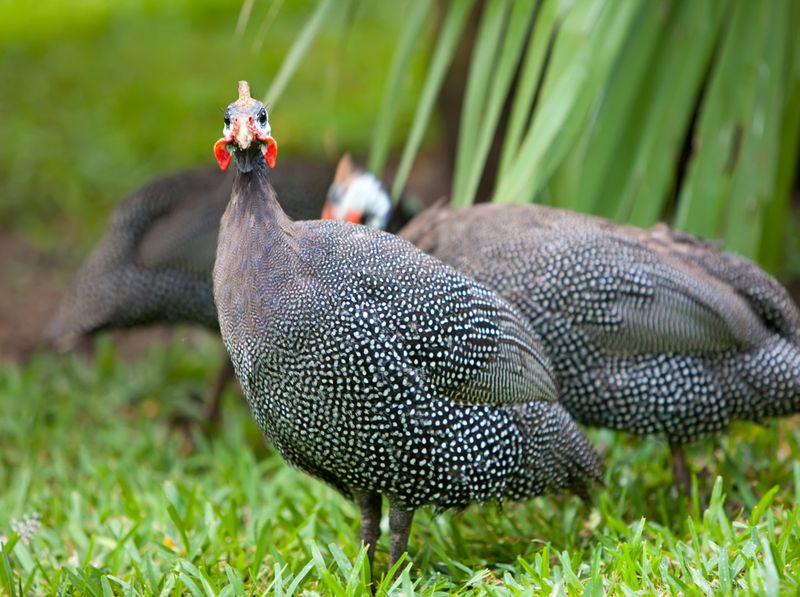
Three North American studies have observed guinea fowl consuming adult ticks, and two of those reported reductions in adult tick numbers under their specific study conditions.
That sounds promising until you look at how Penn State Extension reviews that same body of evidence and concludes that guinea fowl, chickens, and opossums do not eat enough ticks to reliably reduce tick populations in North American yards.
The conditions in those studies were controlled and limited, not the open, wildlife-trafficked backyards most Pennsylvania homeowners actually have.
A 2024 peer-reviewed study pushed the question further by looking specifically at lone star ticks, Amblyomma americanum.
That study found no evidence that guinea fowl reduced lone star tick populations or lowered tick-borne pathogen risk in the research setting.
It also turned up something that complicates the simple story: engorged lone star nymphs that had taken a blood meal from the guinea fowl themselves.
The birds were serving as tick hosts, not just tick predators.
Here is where it gets tricky.
The 2024 study focused on lone star ticks, which are expanding their range into parts of Pennsylvania but are not the state’s most common species.
Its findings cannot be automatically applied to blacklegged ticks, Ixodes scapularis, which are the primary Lyme disease vector across most of the state, or to American dog ticks.
Each species behaves differently, prefers different hosts, and hides in different parts of your landscape.
What the research adds up to is this: guinea fowl eat some ticks, the evidence for meaningful yard-wide control is genuinely weak, and at least one careful study found the birds playing both sides of the equation.
That is a long way from hundreds of ticks cleared every day.
Why Eating Ticks Does Not Empty a Yard
Eating a tick and emptying a yard of ticks are two very different things.
A guinea fowl walking through your grass in the Susquehanna Valley can only reach ticks that are out in the open and accessible.
That turns out to be a small fraction of what is actually living in your landscape at any given moment.
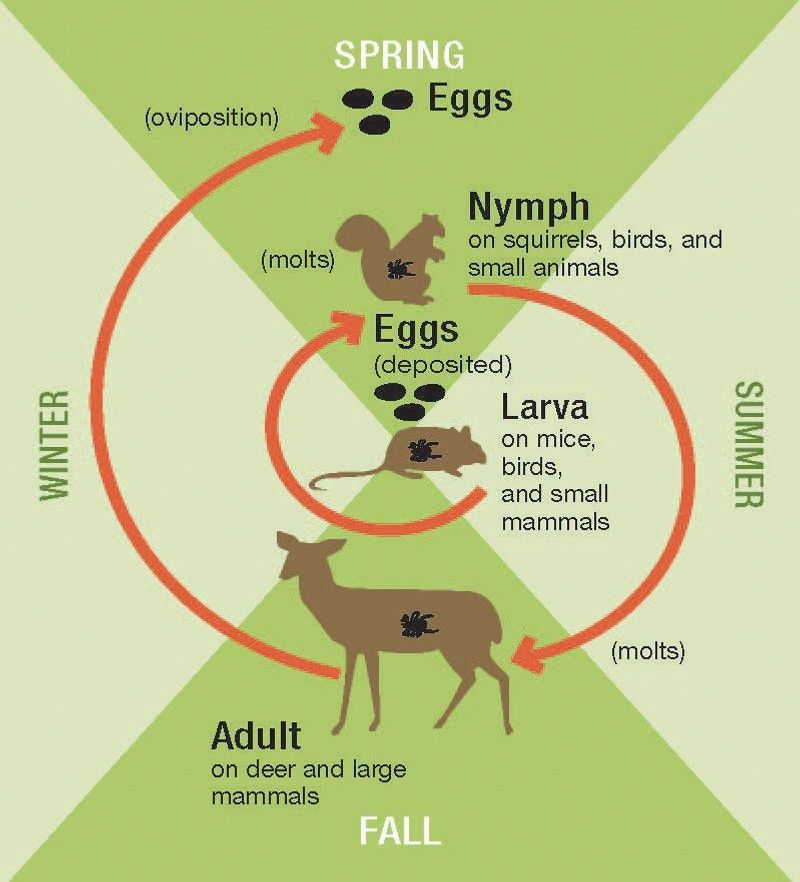
Ticks cycle through four life stages: egg, larva, nymph, and adult.
The Pennsylvania Game Commission’s Lyme disease overview explains that adult blacklegged ticks often feed on deer, while immature stages, the larvae and nymphs, feed on small mammals, birds, and other hosts.
Those immature stages spend most of their time buried in leaf litter, waiting.
A foraging bird walking across the surface of a lawn is not reaching the hidden nymphs tucked under last fall’s leaves near your wood line.
Ticks also arrive continuously.
Deer, mice, chipmunks, and squirrels carry them in from neighboring properties and wooded edges every single day.
Even if a guinea fowl ate every tick it encountered on a Tuesday, fresh ones would ride in on a deer Wednesday night.
Penn State Extension makes this point clearly when it notes that the birds likely play only a limited role in overall tick management.
Pennsylvania homeowners also face more than one species.
Blacklegged ticks dominate most of the state and are the Lyme disease concern.
American dog ticks are widespread and can transmit Rocky Mountain spotted fever.
Lone star ticks are moving into southeastern and south-central counties.
The 2024 guinea fowl study addressed only lone star ticks, so it tells us nothing definitive about how guinea fowl interact with the blacklegged tick populations that most Pennsylvania families are actually worried about.
A bird can take a bite out of the visible adult population.
It cannot touch the eggs, the hidden nymphs, or the ticks your neighbor’s dog walked in this morning.
Keeping Guinea Fowl Requires Real Husbandry
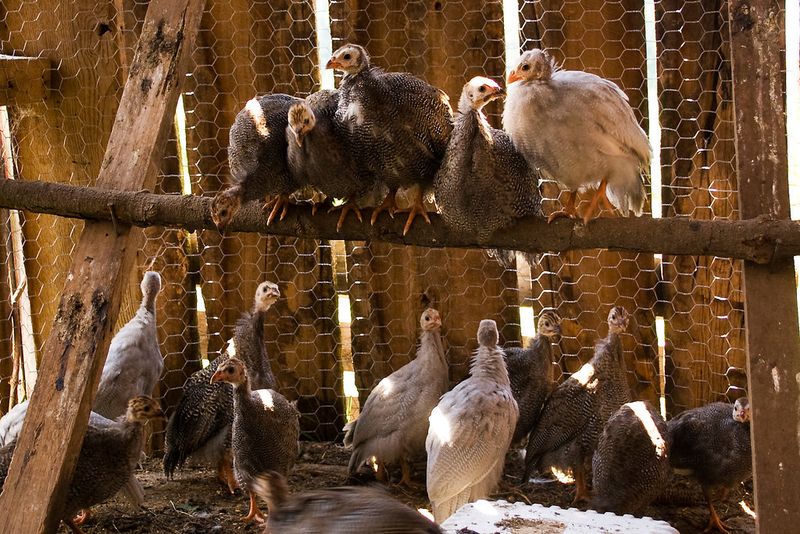
Guinea fowl are not low-maintenance yard decorations.
Before you picture them roaming your Poconos property eating ticks all day, picture what they need from you every single day of the year, including January in a freeze-thaw cycle.
Feed and water come first.
Backyard poultry extension guidance is clear that guinea fowl need clean water at all times, access to grit for digestion, and appropriate poultry feed whenever forage is not enough to meet their nutritional needs.
That means most of the year in Pennsylvania, where cold winters, frozen ground, and snow cover eliminate outdoor foraging for weeks at a time.
Restricting their feed to make them hunt harder is not a safe or recommended practice.
The birds need adequate nutrition regardless of how many ticks you want them to eat.
Shelter matters just as much.
Guinea fowl need a dry coop with perches, clean bedding, and protection from severe weather.
University of Maine Cooperative Extension recommends secure nighttime housing because the birds are vulnerable after dark.
Property conditions in northern Pennsylvania, where temperatures can drop below 0 degrees Fahrenheit and lake-effect snow affects Erie-area flocks, call for more robust shelter than a mild southeastern Pennsylvania winter might demand.
There is no single statewide schedule for when birds can safely free-range.
Local extension offices and veterinarians are better guides than any general article.
Predators are a constant pressure.
UC ANR’s small-acreage poultry guidance and Virginia Tech’s publication on predators of free-ranging poultry both list foxes, coyotes, bobcats, dogs, raptors, raccoons, and opossums as real threats.
A covered run or a hardware-cloth-secured pen offers meaningfully better protection than letting birds roam without any enclosure.
Pennsylvania’s Department of Agriculture takes avian biosecurity seriously.
Highly pathogenic avian influenza can affect domestic guinea fowl, and the Pennsylvania Department of Agriculture biosecurity program recommends limiting contact between your flock and wild birds, keeping feed and water covered, cleaning footwear and equipment between areas, and reporting any sick or dead poultry promptly.
These are not optional steps.
Noise and Wandering Can Outweigh the Benefit
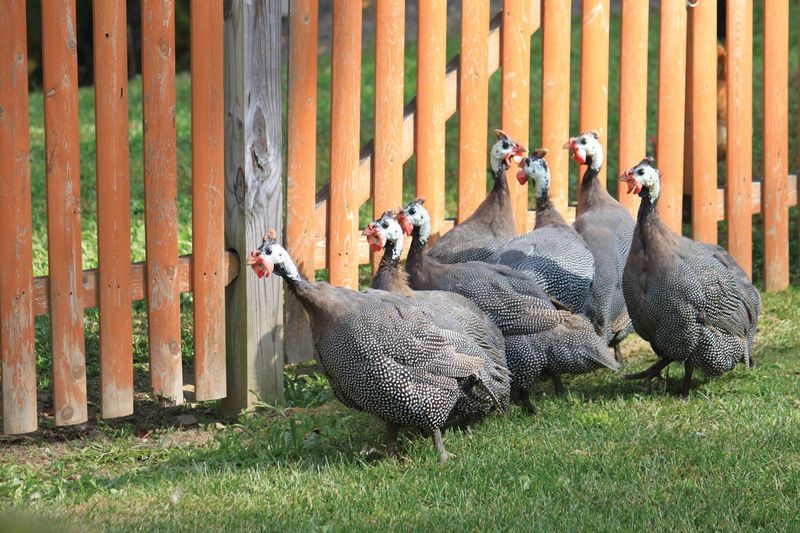
Most people shopping for a tick solution are not shopping for a noise complaint from their neighbor.
Guinea fowl produce loud, repetitive alarm calls that carry well beyond your property line, and they produce them often.
Many people find the sound genuinely grating after the novelty wears off.
Wandering is the other issue that surprises new owners.
University of Maine Cooperative Extension warns that guinea fowl do not reliably respect property boundaries.
They roost in trees or on rooftops, cross roads, and show up in neighboring yards.
Backyard flock extension guidance notes that training birds to return to their coop at night takes consistent effort and still does not guarantee the birds stay on your land during the day.
A bird foraging three yards over is not eating ticks in yours.
Local rules add another layer of complexity.
Pennsylvania municipalities handle backyard poultry very differently from one another.
Willistown Township has addressed poultry-keeping questions directly, and North Huntingdon Township’s ordinance covers chicken-keeping with specific requirements.
Those two examples show that local treatment of backyard poultry varies, and guinea fowl may be regulated differently than chickens in your specific municipality.
Before you buy a single bird, check your municipal zoning code, any noise or nuisance ordinances, setback requirements, limits on the number of animals, HOA rules if they apply, and any animal-health reporting requirements.
A phone call to your township office costs nothing and could save you a real headache.
Use Proven Tick Protections Around People and Pets
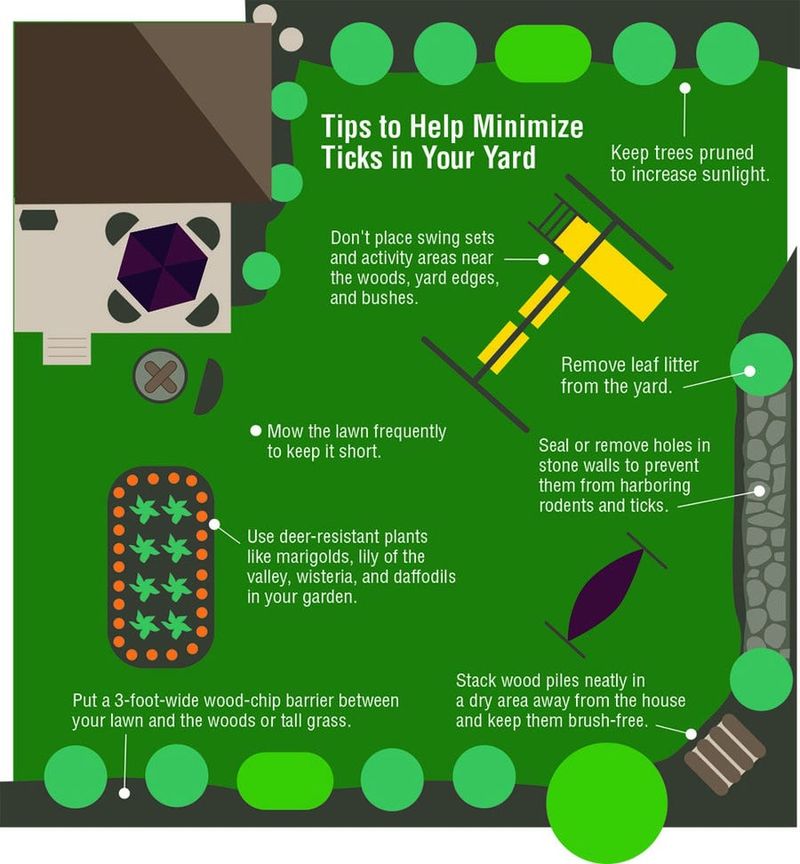
Guinea fowl or no guinea fowl, the protections that actually lower your family’s tick exposure start with the yard itself.
The Pennsylvania Department of Health tick prevention guidance for yard owners recommends keeping grass in frequently used areas shorter than 2 inches, cleaning up clippings and leaf litter, limiting brush, and moving woodpiles at least 3 feet away from play areas and structures.
These steps shrink the habitat where ticks wait for a host.
CDC guidance on Lyme disease prevention adds a 3-foot-wide barrier of wood chips or gravel between your lawn and any wooded or brushy edge.
That barrier is simple to install and gives ticks a dry, exposed gap they prefer not to cross.
Trim shrubs to let more sunlight reach the ground, and keep patios and play equipment at least 9 feet from wooded edges when you can.
Personal protection matters every time you go outside during tick season, which in Pennsylvania can run from March through November depending on the year and the elevation.
Wear long pants tucked into socks, long sleeves, and clothing treated with 0.5% permethrin when you are working near wooded or brushy areas.
Use an EPA-registered repellent according to the label directions.
After you come inside, check your skin and clothing carefully, shower within 2 hours, and toss clothes in the dryer on high heat for 10 minutes to kill any hitchhikers.
Pets need protection too.
Penn State Extension recommends separating pollinator habitat from high-traffic lawn areas and keeping those active zones shorter and tidier.
Ask your veterinarian about a tick-prevention product appropriate for each pet, and do a daily tick check on dogs and cats that go outdoors.
Pets carry ticks indoors, and a tick on your dog is a tick that can end up on you.
None of these steps require a flock of birds.
They require about 10 minutes of attention and a consistent habit.
That is the foundation your tick prevention should rest on, regardless of what else you add.
Decide Whether the Birds Fit Your Property
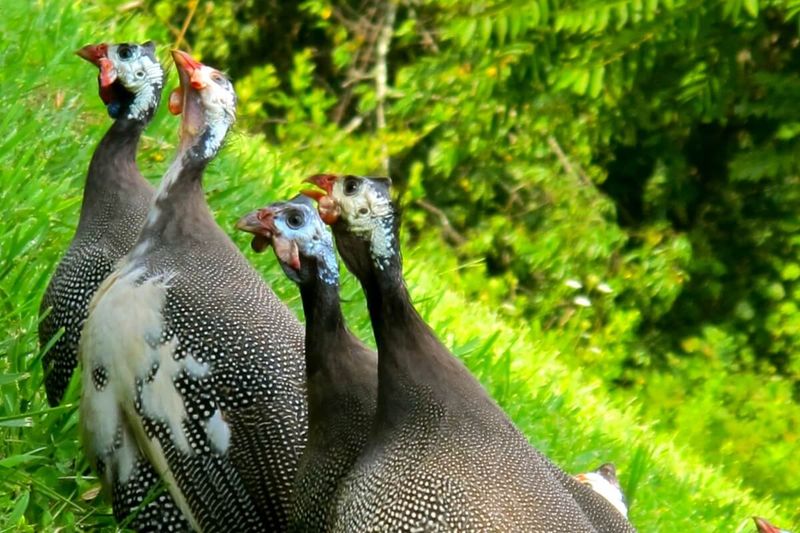
Guinea fowl are genuinely interesting birds with real insect-foraging instincts, and some Pennsylvania homeowners enjoy keeping them.
The question is whether they fit your specific property, your neighbors, your local ordinances, and your willingness to provide real daily care.
Add guinea fowl to your yard only if you actually want domestic poultry.
That means you are prepared to provide secure housing, clean water and feed every day, predator protection, biosecurity practices, and a plan for the noise and wandering that come with the territory.
If you are buying them solely because you read that they eat hundreds of ticks a day, the research reviewed by Penn State Extension does not support that expectation, and you may end up with a difficult situation on your hands and no meaningful reduction in tick pressure.
If you do keep guinea fowl, treat them as one optional supplemental layer on top of the habitat management and personal protection habits described in the previous section.
CDC prevention guidance and the Pennsylvania Department of Health’s yard-owner tick prevention sheet give you the dependable foundation.
Birds can walk around on top of it.
Focus your energy first on the spaces where your family actually spends time: the lawn where kids play, the patio, the garden beds along the house, and the edges where mowed grass meets brush or woods.
Those are the areas where habitat changes and personal protection make the most measurable difference.
For site-specific poultry decisions, backyard flock extension resources and your local cooperative extension office or veterinarian are the right sources to consult, because a Poconos property and a Delaware Valley suburb are not the same situation.
A bird that eats a few ticks is a nice bonus, not a plan.