
More Gray Foxes Patrolling Your Texas Property Means Fewer Rats Around The Barn
Follow us on Google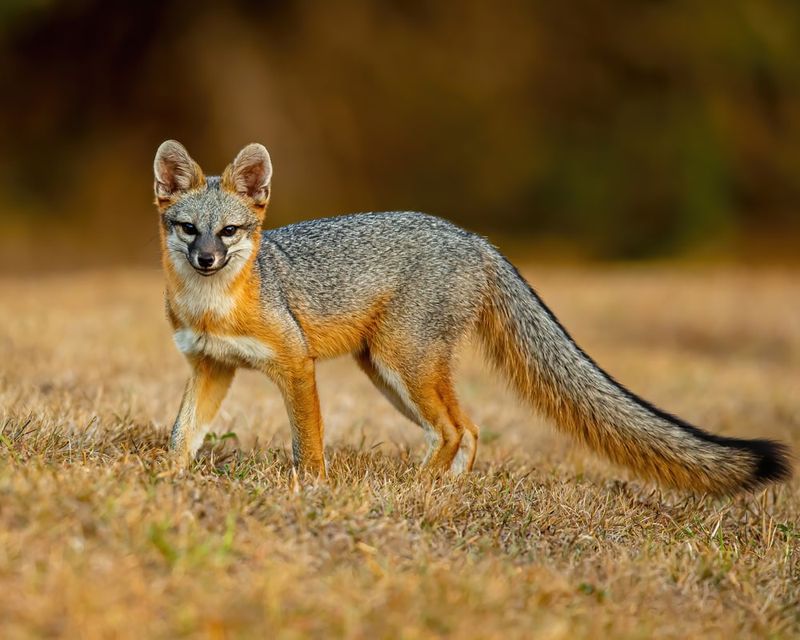
Step outside at dusk on a Texas property and you might catch a flash of rust and silver slipping along the fence line, a gray fox moving through like it owns the place.
That sight has a lot of homeowners wondering whether the fox is quietly cleaning up the rat problem near the feed room.
The honest answer is more complicated than the headline suggests, and knowing the difference could save you a chewed wire, a sick hen, or a wasted afternoon chasing a solution that was never guaranteed to work.
Here is what the evidence actually shows, and what you can do about rodents whether a fox shows up or not.
A Gray Fox May Be Patrolling the Property
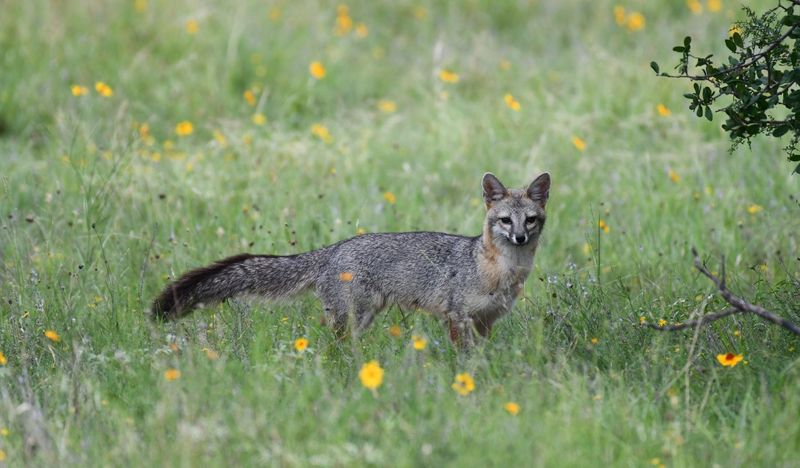
Catching a glimpse of a gray fox near your barn feels like a small miracle, and it is not as rare across Texas as people assume.
The North American gray fox, Urocyon cinereoargenteus, lives statewide, from the piney woods of East Texas to the rocky draws of the Hill Country and the brushy pastures of South Texas.
Texas Tech’s Mammals of Texas account places it across the full state, with especially strong presence in the Post Oak Savannah, Cross Timbers and Prairies, and Edwards Plateau regions.
Gray foxes favor woodland edges, brush thickets, rocky hillsides, and dense cover near open areas.
They use hollow trees, old structures, and rocky cavities for shelter.
One detail that surprises most people: gray foxes are the only canid in North America that routinely climbs trees, using curved claws to scramble up trunks when threatened or hunting.
Adults typically weigh between 6.6 and 11 pounds, with occasional individuals reaching close to 20 pounds.
They are mostly active after dark, though you may spot one moving at first light or in the late afternoon, particularly during the spring denning season when a pair is raising a litter of two to six pups after a gestation period of roughly 53 days.
Seeing one near your barn is normal Texas wildlife behavior.
It does not mean a resident den is quietly eliminating your rodent population, and it does not mean anything is wrong.
It means a wild predator is moving through habitat it has always used.
The Small Mammals a Gray Fox Actually Hunts
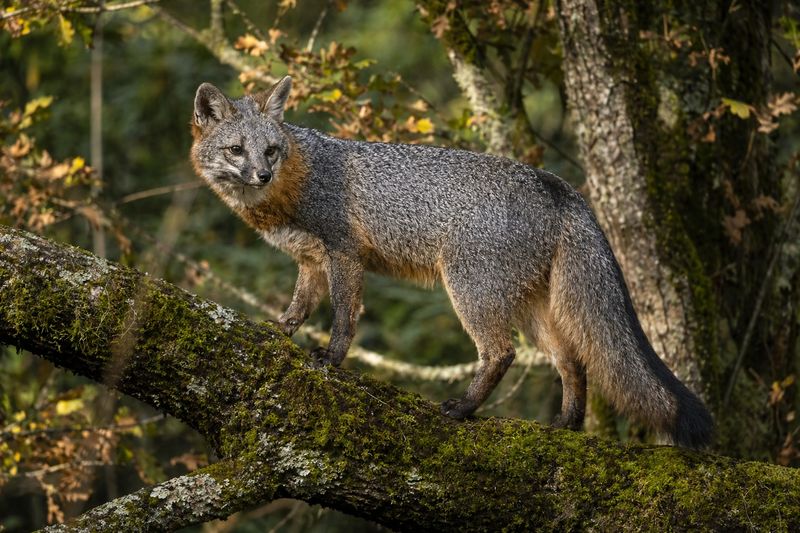
Rodents genuinely are a major part of a gray fox’s diet, and that is the real ecological value hiding behind the barn-rat headline.
Small mammals rank as the most important food category in the gray fox’s seasonal menu.
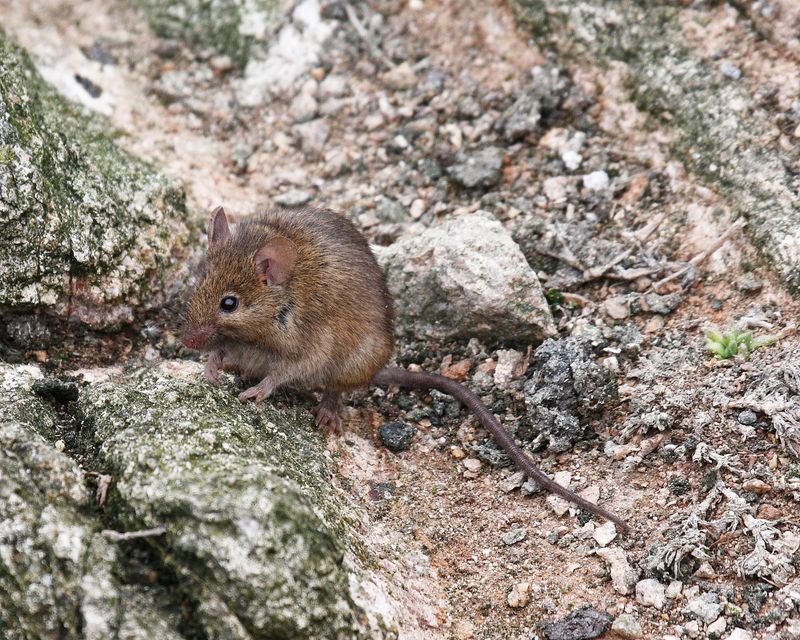
The Texas Tech species account names white-footed mice, woodrats, cotton rats, pocket mice, and harvest mice as documented prey, along with cottontail rabbits, which are an especially significant item.
A peer-reviewed observation study of a gray fox den in California, published with the full study available via DOI, found that rodents and rabbits made up the majority of recorded prey items at the den site.
That supports the general picture of a fox that hunts small mammals consistently, not opportunistically.
Here is where the story gets more complicated.
The rodents Texas Tech documents in the gray fox’s diet, cotton rats, woodrats, pocket mice, harvest mice, and white-footed mice, are not automatically the same animals raiding your feed room.
Norway rats and roof rats are the commensal species most likely to nest inside a barn, chew wiring, and contaminate stored grain.
No reviewed Texas source establishes that gray foxes reliably hunt those two species at a level that controls a building-scale infestation.
A fox moving near your barn may be chasing a cotton rat in the grass, following a woodrat trail in the brush pile, snapping at insects, or eating fallen fruit from a nearby tree.
Seeing the fox does not identify what it caught, and catching one mouse does not mean the population behind the wall has dropped.
Why a Fox Sighting Cannot Prove Rat Control
Watching a fox trot past the barn feels like evidence.
It is not, at least not the kind that tells you the rodent count inside your walls went down.
Rodent populations are shaped by a whole web of pressures: food availability, shelter quality, how fast the animals reproduce, how many competing predators are present, disease cycles, immigration from neighboring properties, and whatever control measures you are already using.
One predator is one thread in that web.
The most useful piece of research on this question comes from a 1975 study published by the Southeastern Association of Fish and Wildlife Agencies.
Hensley and Fisher’s gray fox-control study found that removing foxes from an area changed several rodent population characteristics, including age structure, sex ratio, and reproductive rates.
But it did not reduce overall woodmouse density.
A weasel moved in and partly filled the predatory role the fox had left behind.
That finding matters.
It tells you that predators do influence rodent population dynamics in measurable ways, but the relationship is not a simple dial you can turn by adding foxes.
Rodents adjust.
Other predators step in.
The barn itself, with its stored feed, leaking waterer, and stack of old lumber, may be a stronger driver of local rodent numbers than any wild predator patrolling the fence line.
Texas Parks and Wildlife describes foxes and other furbearing mammals as part of predator-prey systems that can help prevent small-mammal overpopulation.
That is sound ecological framing.
It is not a guarantee that the rats under your feed-room floor will disappear because a fox walked by last Tuesday.
Protect Foxes Without Creating Livestock Conflicts
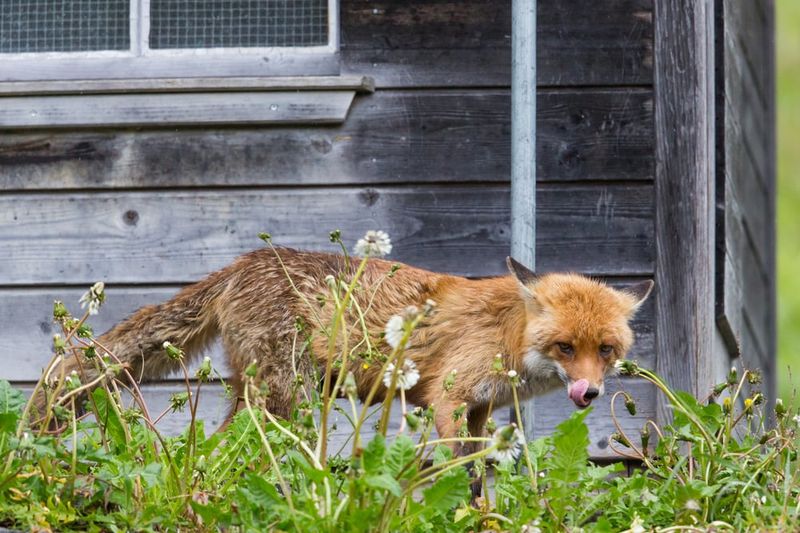
Tolerating a gray fox on your property is a reasonable choice, and in most cases it costs you nothing if your setup is solid.
The key is keeping the fox doing what it does naturally, hunting in the brush and grass, without accidentally pulling it toward your chickens, your feed room, or your back porch.
Texas Parks and Wildlife recognizes gray foxes as part of the predator-prey relationships that keep small-mammal populations in check.
Supporting that role means protecting existing habitat at a distance from your livestock enclosures: connected brush, woodland edges, rocky cover, and the kind of travel corridors a fox uses to move between hunting areas at night.
Do not feed gray foxes.
Do not leave food scraps, pet food, or spilled grain outside where a fox might learn to associate your property with easy meals.
A fox that starts visiting for food rather than hunting is no longer functioning as a helpful wild predator, and it is more likely to discover your hens.
Do not attempt to build a den, release a fox, or trap and relocate one yourself.
On the safety side, Texas DSHS confirms that foxes are among the wild animals in Texas that commonly test positive for rabies.
That does not make every sighting a crisis.
Gray foxes can occasionally move in early morning or late afternoon, so daytime activity alone is not a red flag.
Concerning signs include unusual tameness, staggering, apparent paralysis, or a fox that allows you to approach closely.
Any bite or contact with saliva requires immediate wound washing and prompt medical attention.
Contact your local health authority or Texas DSHS for guidance.
If a fox is denning under a building, threatening livestock, or behaving abnormally, do not attempt to handle or relocate it yourself.
Texas Parks and Wildlife rules on nuisance furbearers state that relocation requires department authorization and permission from the release-site owner.
Call Texas Parks and Wildlife, local animal control, or a qualified wildlife professional.
Seal the Barn Against Rodent Entry
Before you count on any predator to solve a rodent problem, walk the perimeter of your barn with a flashlight and a critical eye.
Exclusion is the first direct action you can take, and it works whether or not a fox ever sets foot on your property.
CDC guidance on sealing to prevent rodents makes the benchmark clear: mice can fit through an opening about one-quarter inch wide, roughly 6 millimeters.
That is about the diameter of a pencil eraser.
Barns in Texas take a beating from heat expansion, freeze-thaw cycles in the Panhandle and North Texas, and Gulf Coast humidity that warps wood and rusts hardware, so gaps appear faster than most people expect.
Work your way around the entire structure.
Check the bottom of every exterior door, the base of walls where siding meets the foundation, feed-room corners where two walls join, any utility penetration where pipes or wiring enter the building, roof edges and ridge gaps, damaged or missing siding, and the soffits above the loft if you have one.
Rodents travel along walls and enter at the lowest available point, so the base of the structure deserves the most careful attention.
Use chew-resistant materials for any repair.
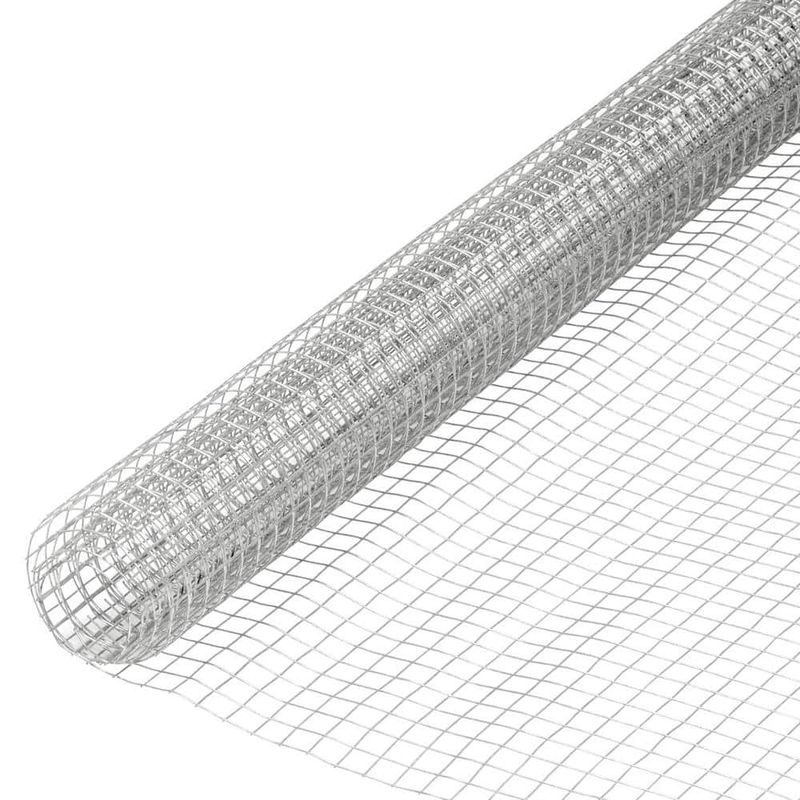
Hardware cloth with a fine mesh, sheet metal, cement patching compound, or metal flashing work well for larger openings.
For small gaps in appropriate locations, steel wool packed firmly and backed with caulk can close a hole temporarily, though metal patching is more durable in a Texas barn environment.
The goal is to make every wall, door, and penetration a dead end for a mouse moving along the outside of the building at midnight.
Remove the Food, Water, and Shelter Rodents Need
Rats and mice do not move into a barn because predators are scarce.
They move in because the barn offers three things they need every single day: food, water, and a safe place to nest.
Take those away, and even a property with no foxes at all becomes a harder place for rodents to survive.
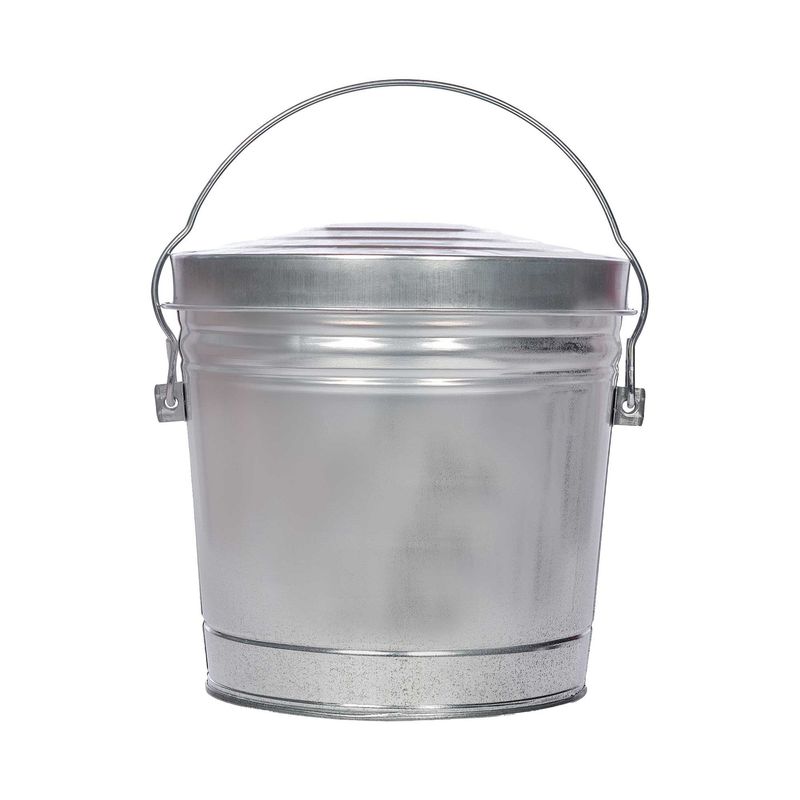
Store all animal feed in tightly closed metal containers or heavy-duty bins with secure lids.
Plastic bags and cardboard boxes are not barriers.
Clean up spilled grain the same day it hits the floor, because a handful of cracked corn left overnight is enough to bring rodents back to the same spot reliably.
Repair any leaking waterers or drip lines, since a slow drip in a corner is exactly the kind of dependable water source a rat colony needs.
Remove unused equipment, old lumber, scrap metal, and junk piles from inside and immediately around the barn.
CDC rodent-control guidance recommends keeping woodpiles and debris at least 100 feet from the home.
For a working barn that may not always be practical, but the principle holds: the closer a pile of cover sits to the building, the shorter the commute for a rodent moving between a nest and your feed room.
Bird feeders deserve a mention.
A hanging feeder near the barn can drop a surprising amount of seed, and spilled seed is just another grain pile to a rat.
Manage feeders away from outbuildings and clean up spilled seed regularly.
After a major storm along the Gulf Coast, a long dry stretch in West Texas, or any weather disruption that moves animals around your specific property, recheck the barn for fresh signs of entry or new activity.
That is a practical precaution worth building into your routine.
Use Traps as a Direct Control and Monitoring Step

When you have sealed the openings and cleaned up the attractants but signs of activity remain, traps give you something a visiting fox cannot: a direct, observable result you can check every morning.
Spring-loaded snap traps are the standard recommendation for outbuildings, and they work best when placed correctly.
Start by identifying where rodents are actually moving.
Look for droppings, which are dark, pellet-shaped, and concentrated along travel routes.
Look for smear marks along walls where oily fur leaves a dark streak.
Look for gnawed edges on feed bags, wood, or wiring.
Rodents hug walls and rarely cross open floor space, so place traps perpendicular to the wall with the trigger end facing the baseboard, along the active runways you find.
CDC rodent-control guidance recommends placing traps in sheltered locations that children, pets, livestock, and non-target animals cannot reach.
A simple wooden box or a commercial bait station with a rodent-sized entry hole keeps a snap trap accessible to rats and mice but protected from a curious dog or a barn cat’s paw.
Check traps at least once a day and reset them promptly.
Do not declare victory after one quiet night.
Rats can avoid unfamiliar objects for several days before investigating them, and a barn may have multiple active zones in different corners or levels.
Continue monitoring for at least two weeks after activity appears to drop.
When you clean up droppings or nesting material, follow CDC updated hantavirus risk-reduction recommendations: air out the space for at least 30 minutes before entering, wear gloves, thoroughly wet contaminated material with a disinfectant solution before picking it up, and avoid sweeping or vacuuming dry droppings, which can put particles into the air you breathe.
If someone suggests rodenticide, know the risk first.
EPA rodenticide safety guidance warns that predators and scavengers, including gray foxes, hawks, and owls, can be poisoned when they eat rodents that have consumed bait.
Second-generation anticoagulants are especially persistent.
Exclusion, sanitation, and trapping are safer starting points.
If a qualified pest professional determines that rodenticide is necessary, the label must be followed exactly, and dead rodents must be collected and disposed of as the label directs.
Treat a Gray Fox as One Part of the Solution
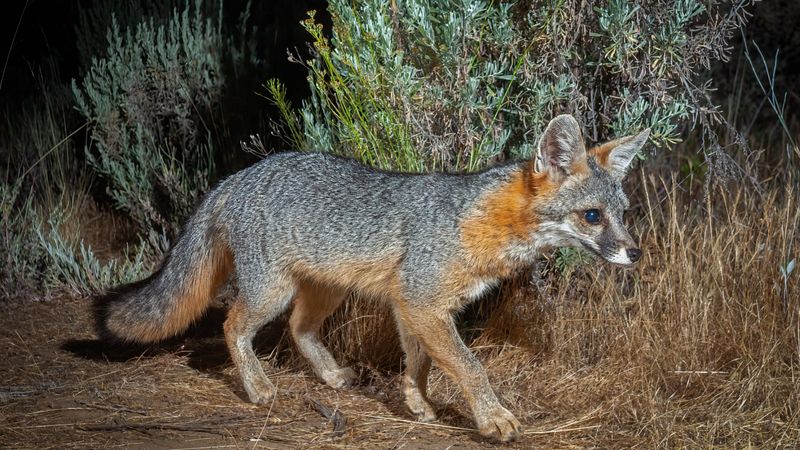
A gray fox moving through your property at dusk is worth appreciating.
It is a genuinely wild animal doing what it evolved to do, and the rodents it catches in the grass and brush are rodents that are not building nests somewhere closer to your feed room.
That ecological contribution is real, even if it is not a guarantee printed on a label.
What the evidence does not support is treating the fox as a pest-control service you can rely on instead of doing the other work.
Texas Parks and Wildlife frames gray foxes and other furbearers as part of predator-prey systems that can help prevent small-mammal overpopulation.
That is the right framing: one part of a larger system, not the whole answer.
The practical sequence that actually protects your barn starts with preserving existing habitat thoughtfully, keeping brush and cover at a distance from poultry and livestock rather than immediately beside them.
It continues with securing every feed bin, sealing every gap a mouse could use, pulling the clutter that gives rodents a place to hide, and placing traps where droppings tell you animals are active.
CDC rodent-control guidance and EPA rodenticide safety guidance both point toward exclusion and sanitation as the foundation, with traps as a direct follow-up and poison as a last resort handled by professionals.
If a rodent problem is stubborn or a fox is creating a conflict with your livestock, call in qualified help rather than guessing.
A barn that is sealed, clean, and actively monitored is a barn that a fox patrol genuinely complements, and that combination is the closest thing to a real solution Texas homeowners have.