
North Carolina Plants That Bring Dragonflies In And Make Evenings Less Mosquito-Heavy
Follow us on Google
You drag your patio chair into the evening shade, hoping for a moment of quiet, and then you hear it.
That thin, high whine near your ear, followed by a slap at your ankle.
Mosquitoes can genuinely wreck a good North Carolina evening.
But there is a tiny, iridescent hunter that will patrol your yard for you, and the trick to inviting it in comes down to the plants you choose.
1. Your Backyard Is A Buffet For Dragonflies
Here is the part that surprises most folks.
Dragonflies do not eat plants at all.
So you are not planting a snack for them, you are building a hunting ground.
What you are really doing is setting two things in motion at once.
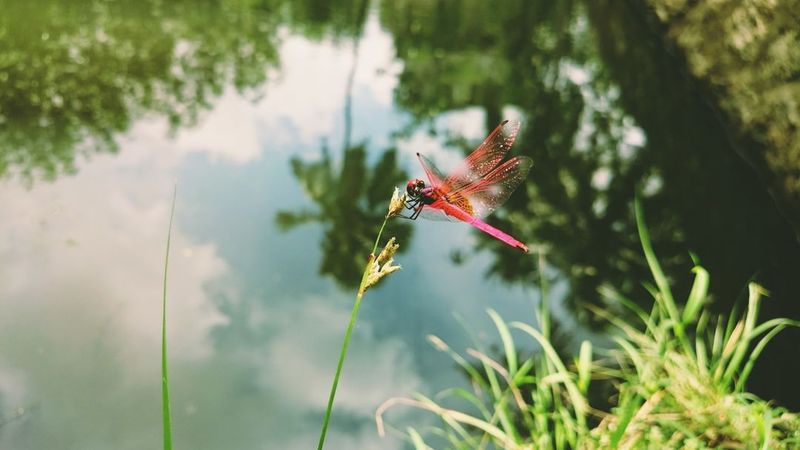
Adult dragonflies need sturdy perches to survey their turf, and their young need still water nearby to grow up in.
These insects are aerial assassins, catching prey mid-air with a success rate researchers put around 90 to 95 percent, which is far better than a lion on a hunt.
Think of a tall, upright stem as an observation tower for a winged sentinel.
Plants with rigid stalks and broad flower heads give a dragonfly a stable landing pad to rest and scan from.
And the menu spread out below?
Small flying insects, including the mosquitoes chewing on your ankles.
By drawing in those smaller bugs with flowers, you are essentially stocking the buffet your dragonfly guests came for.
A single adult can eat hundreds of mosquitoes a day.
Imagine that kind of dedicated pest patrol working your North Carolina yard for free, no spray can required.
It is a quiet trade, one nuisance kept in check by one welcome hunter, and you barely have to lift a finger.
2. Water Features Are Dragonfly Nursery Schools
The real secret to a steady dragonfly crew starts underwater.
Dragonflies spend the first stretch of life as aquatic nymphs, sometimes for months, sometimes for a couple of years, tucked into calm water.
And here is where it gets good for you.
Those nymphs, also called naiads, are hungry little predators of mosquito larvae.
A single nymph can eat hundreds of mosquito larvae as it grows, wiping out the pests before they ever sprout wings and find your neck.
So if you genuinely want dragonflies, give them water.
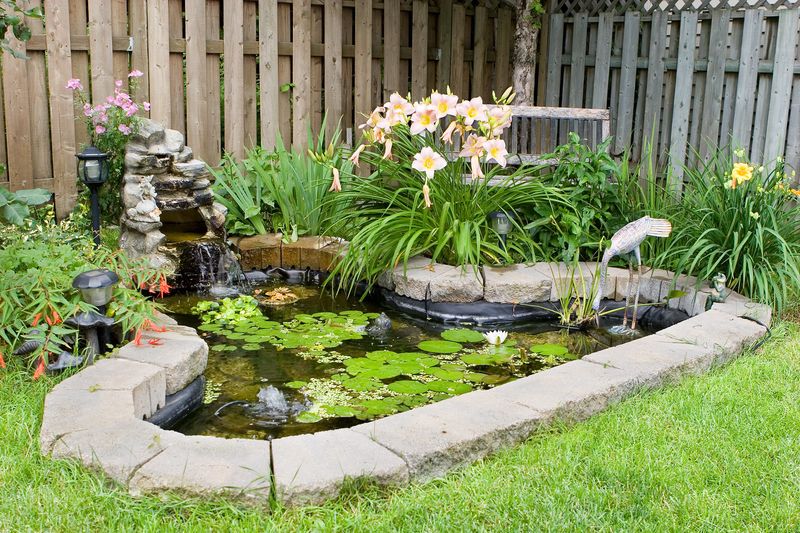
It does not need to be a grand pond.
A small water garden, a shallow basin, or a rain barrel treated with a mosquito dunk can do the job.
The key is still water where the life cycle can finish.
In North Carolina, with muggy summers and near-daily afternoon storms, standing water turns into a mosquito factory fast, so pairing it with dragonfly support is smart insurance.
When a nymph is ready, it climbs out on an emergent stem and transforms into its adult, winged self.
That moment is fragile, and open water offers no handhold.
Provide vertical plant stems at the water’s edge and more of your dragonflies survive to join the evening patrol.
It is one layer of the fix, not the whole thing, but it pays back in fewer bites.
3. Swamp Milkweed Provides Nymph Habitat And Nectar
Got a low spot in the yard that stays damp after every storm?
Most gardeners fight it.
Swamp Milkweed (Asclepias incarnata) turns it into an asset.
This native perennial genuinely loves wet feet, which makes it a natural fit for the damp soils of the Coastal Plain and low-lying Piedmont ground.
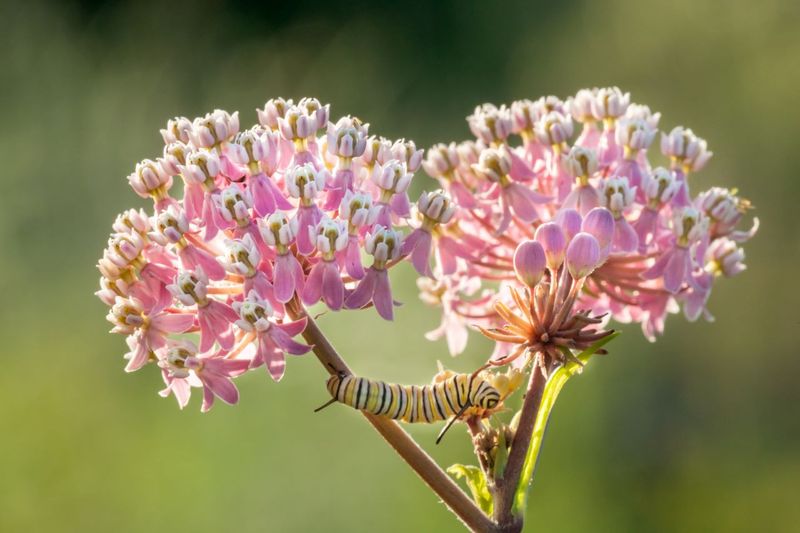
It throws out clusters of soft pink flowers that pull in bees and butterflies, and those smaller visitors become dinner for adult dragonflies cruising overhead.
The payoff runs deeper than the blooms.
Swamp Milkweed’s tall, slender stalks, which can reach up to 5 feet, make fine perches for adults scouting for prey.
Planted close to a water feature, its submerged stems and roots shelter developing nymphs.
Expect flowers from mid-summer into fall, so the support keeps rolling for weeks.
There is a bonus your kids will love.
Swamp Milkweed is a host plant for monarch caterpillars, so you are feeding North Carolina’s fall monarch migration while you build your mosquito patrol.
One easygoing plant, doing three jobs at once.
Space plants about 18 to 24 inches apart in full sun, keep the soil moist, and it mostly takes care of itself.
That is habitat and household benefit shaking hands in the same garden bed.
4. Joe Pye Weed Offers Tall Perches For Hunting
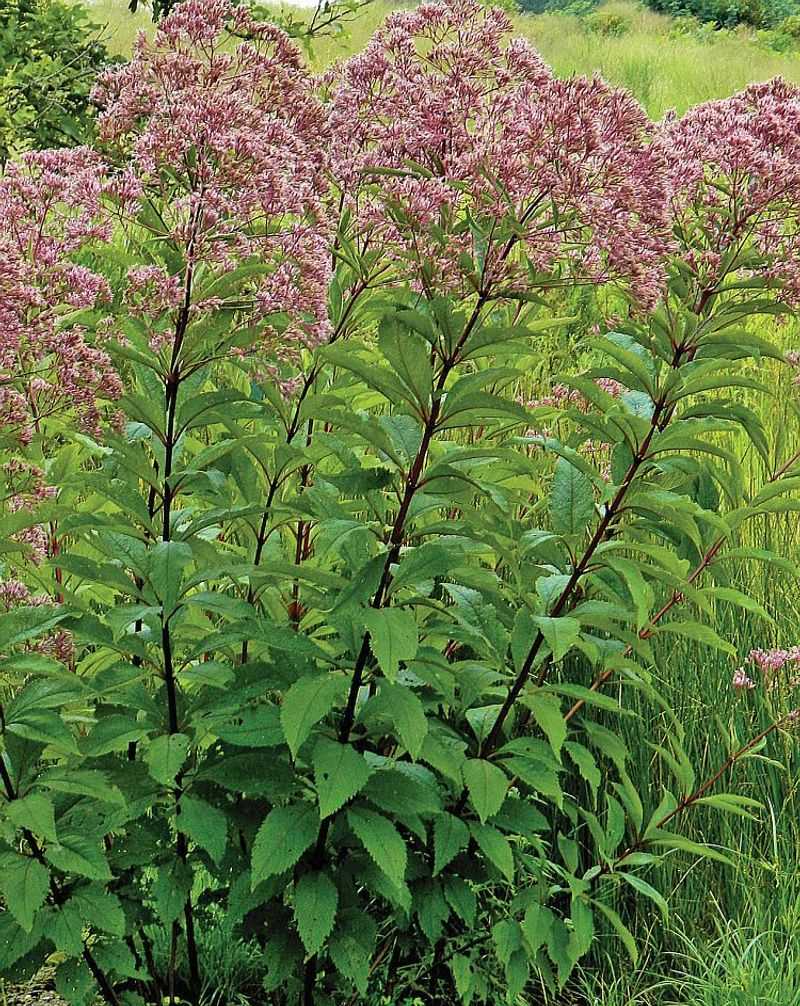
Few native plants own a garden corner quite like Joe Pye Weed (Eutrochium fistulosum).
Give it room and it will earn every inch.
These stately perennials commonly stand 5 to 7 feet tall, with some stretching toward 12 feet under the right conditions.
Their fat, dusty-pink flower heads act like a landing strip for pollinators, and all that busy insect traffic is exactly what pulls a hunting dragonfly close.
The stems are the real gift, though.
Rigid and tall, they give an adult dragonfly the elevated launchpad it needs to hover, watch, and drop on a passing mosquito.
Joe Pye Weed prefers moist soil and full to partial sun, so it settles right in across many Piedmont and mountain gardens where summers run hot but the ground holds water.
Brush the leaves and you get a faint vanilla scent as a thank-you.
Set a clump near your patio or porch and you gain two things.
You get a dramatic backdrop, tall enough to feel like a green wall, and you build a natural blind for the hunters keeping your seating area cleaner.
Its late blooms also fuel migrating monarchs in fall.
According to NC State Extension, native perennials like this one anchor the food web that keeps a yard genuinely alive.
5. Water Lilies Shelter Growing Nymphs

If your yard already has a pond or a roomy container water feature, Water Lilies (Nymphaea) belong in it.
They do more than look serene.
Dragonflies are drawn to the calm, still water that lilies thrive in, treating it as prime real estate for laying eggs.
The broad, flat pads floating on top pull double duty.
Underneath, they throw shade and cover that protect developing nymphs from bigger predators.
Up top, they give adults a warm, dry pad to pause on between mosquito runs.
Water Lilies want at least 18 inches of water and grow best rooted in pots set on the pond floor, sending leaves up to the surface.
Once they settle, they ask very little of you.
You get quiet beauty and a working nursery in the same square foot of water.
Here is the catch worth naming.
Dragonflies are sensitive to pollution, so a lily pond only works if you keep it clean and skip the chemicals.
Tend the water, and you are cultivating both a still-life postcard and a functioning ecosystem.
It is a small, calm corner of the yard that quietly earns its keep, night after buggy North Carolina night.
6. Cattails Provide Excellent Cover And Launchpads

Common Cattails (Typha latifolia) are the plant everybody recognizes, those tall reeds topped with brown sausage heads along ditches and pond edges all over North Carolina.
For dragonflies, they are a full-service resort.
Down in the water, the dense growth hides nymphs from predators while they fatten up on mosquito larvae.
When it is time to transform, those sturdy vertical stems give nymphs the perfect ladder to climb out of the water and unfold their wings.
And once they dry off, adults claim the same stalks as elevated launchpads for hunting.
Female dragonflies also use cattails as egg-laying sites, which makes them a cornerstone of any dragonfly-friendly water edge.
Cattails want wet, sunny ground, so pond margins and marshy strips on a larger Coastal Plain or Piedmont property suit them well.
Now, a word of caution, because cattails do not know when to stop.
They spread aggressively and can choke a small pond in a season or two.
Keep them corralled in a submerged pot or a defined edge, and thin them each spring so they do not take the whole show.
Sourced responsibly from a nursery, or transplanted only with permission, they give your hunters cover, cradle, and perch in one hardy, unstoppable plant.
7. Black-Eyed Susan Invites Dragonfly Prey

Those cheerful yellow flowers you spot along North Carolina roadsides all summer?
Black-Eyed Susans (Rudbeckia hirta) are quietly doing more work than they let on.
Their sunny, daisy-like blooms act like a magnet for butterflies, small bees, and a swirl of other little pollinators.
That buzzing crowd of visitors is the whole point, because those smaller insects are the food supply that convinces adult dragonflies to hang around your yard instead of the neighbor’s.
What makes them genuinely easy is how little they complain.
Black-Eyed Susans shrug off North Carolina summer heat and go fairly drought-tolerant once rooted.
They will grow in Piedmont red clay or sandy coastal soil alike, as long as they catch full sun.
Their firm stems and flat flower centers even double as comfortable landing spots for a resting dragonfly.
Plant them about 12 to 18 inches apart in a perennial bed or a naturalized strip, and they will reseed themselves year after year, keeping the food web humming with almost no effort from you.
So you get a reliable splash of color, a busy insect scene, and one more reason for the mosquito hunters to move in close.
Familiar, tough, and quietly effective, that is a hard combination to beat.
8. Layering These Plants Makes The Yard Work Harder
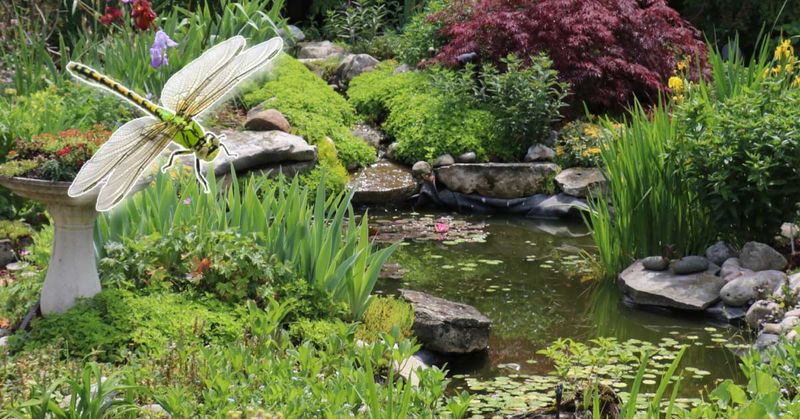
One plant on its own is a nice gesture.
A layered planting is a working system, and that difference is where the real relief lives.
Picture it in tiers.
Water Lilies and Cattails handle the wet zone, giving nymphs cover and adults a place to hatch out.
Swamp Milkweed and Joe Pye Weed rise up as the tall perches at the water’s edge.
Black-Eyed Susans fill the sunny bed nearby, running the insect buffet that keeps adults fed.
Stack those roles and a dragonfly can complete its whole life without ever leaving your property.
That matters because dragonflies are homebodies once they find good habitat.
Many Piedmont gardeners notice that a yard with water plus tall stems plus flowering natives holds a steady population, while a bare lawn with a birdbath does not.
Try to keep a wet element within roughly 20 to 30 feet of your seating area so the patrol stays close to where you actually sit.
Group plants in clusters of three to five rather than dotting single specimens around, which reads as one big habitat instead of scattered snacks.
Build it in layers and the yard starts defending itself.
You did not just plant flowers, you assembled a crew, and they clock in every evening.
9. The Reality Of Natural Mosquito Reduction
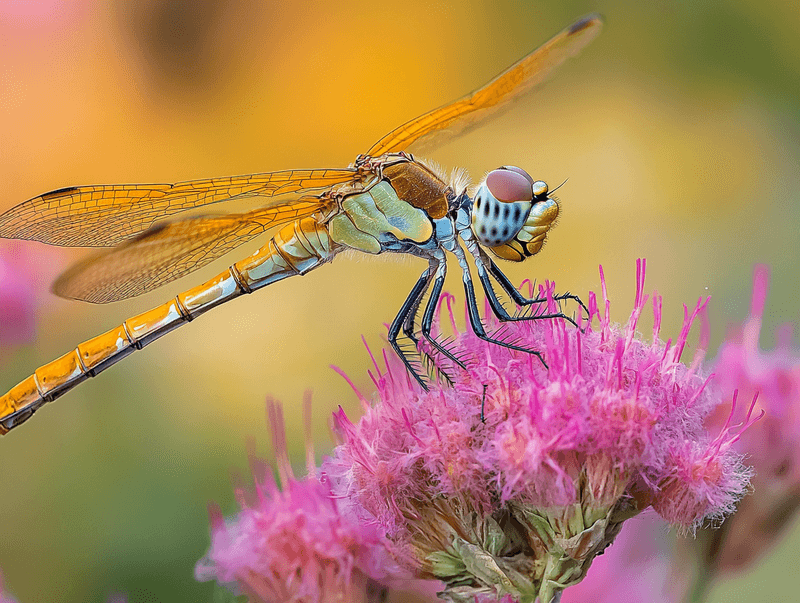
Time for the honest part.
Dragonflies are genuinely superb hunters, but they are not a magic switch that empties your yard of every mosquito.
Treat them as one strong layer in a broader plan, not the whole plan.
The single biggest move you can make is killing off standing water.
A female mosquito lays up to 200 eggs at a time in as little as half an inch of water, and those can hatch into biting adults in about 48 hours.
So empty birdbaths, pet bowls, buckets, plant saucers, and sagging tarps every five to seven days.
Clear your gutters and fill tree holes, because those are the breeding spots people always miss.
For water you cannot drain, like an ornamental pond, drop in a product with Bacillus thuringiensis israelensis, the mosquito dunks sold at most garden stores.
They kill larvae and stay safe for fish, birds, and your dragonfly nymphs.
A few more layers help.
Keep debris cleaned up and dense overgrowth thinned, since adult mosquitoes rest in cool, damp shade during the day.
And a simple patio fan disrupts their weak flight, buying instant relief right where you sit.
Combine those habits with Swamp Milkweed, Joe Pye Weed, Water Lilies, Cattails, and Black-Eyed Susans, and you are building something resilient.
A yard that feels safer, gets used more, and hums with welcome life.
You can actually reclaim those North Carolina evenings, and feel a little proud of the balance you struck to do it.