
The Underrated Texas Natives That Keep Ticks Out Of The Grass Where Kids Play
Follow us on Google
You step outside before breakfast, and the patio already feels warm, that familiar Texas hug that arrives before the coffee does.
The cicadas are tuning up along the fence line, and the grass is still cool with dew.
Then you spot the kids’ soccer ball sitting in the tall stuff by the tree line, and your stomach tightens.
Ticks live in that shady, weedy edge, and they wait for a small ankle to brush past.
Here is the good news your grandmother probably already knew.
A handful of tough Texas native plants carry natural oils that ticks genuinely dislike, and they grow like they own the place.
You do not have to spray the whole yard to give your kids a little more room to run.
Sometimes the quiet fix grows straight out of our own dirt, from blackland clay to Hill Country caliche.
1. American Beautyberry Carries A Proven Bug Shield
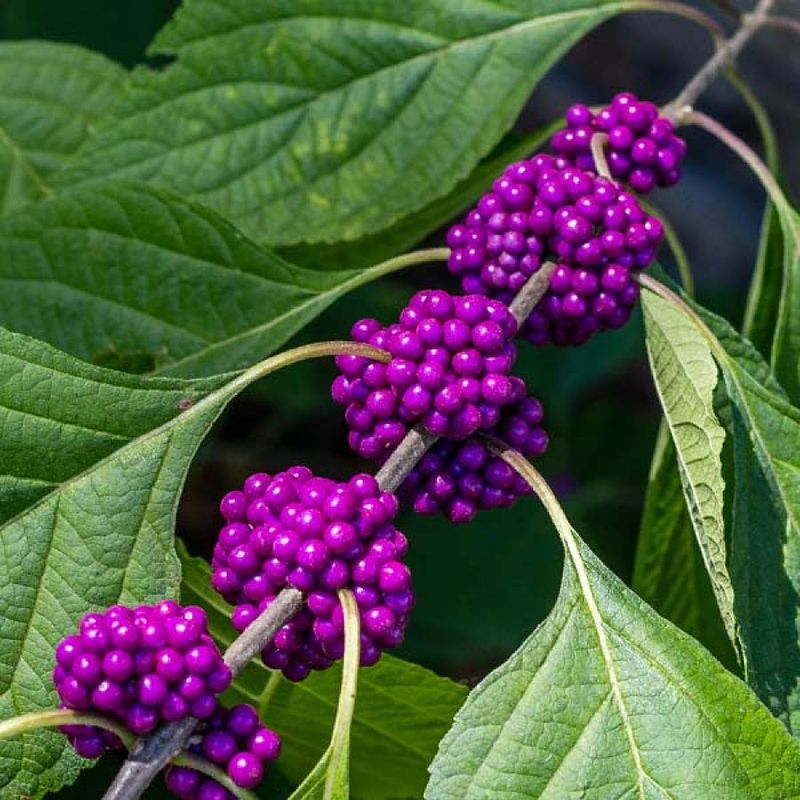
Most folks plant American beautyberry (Callicarpa americana) for those loud magenta berries that show up in fall and pull in mockingbirds by the dozen.
What they do not realize is that the leaves have been a Texas bug remedy for generations.
Native peoples and early farmers crushed them and rubbed them on skin and livestock long before anyone read a label.
Turns out the old timers were onto something real.
Scientists pulled compounds out of those leaves, including callicarpenal, that push back against mosquitoes and can help deter ticks that crawl the brushy edges.
It is not a force field, so do not toss the tick checks.
But a few shrubs near the play zone add one genuine layer.
This one is not fussy about where it lives.
It grows from the humid Gulf Coast to the rocky Hill Country, shrugging off sandy loam and heavy clay alike, in full sun or part shade.
Expect it to reach 4 to 8 feet wide, so give each plant about 5 feet of elbow room.
Once its roots settle in, it laughs at our long dry stretches, though it welcomes a deep drink in triple-digit weeks.
Cut it back to 12 inches in late winter, and it comes roaring back thicker every spring.
2. Wild Bergamot Hides Thymol In Every Leaf
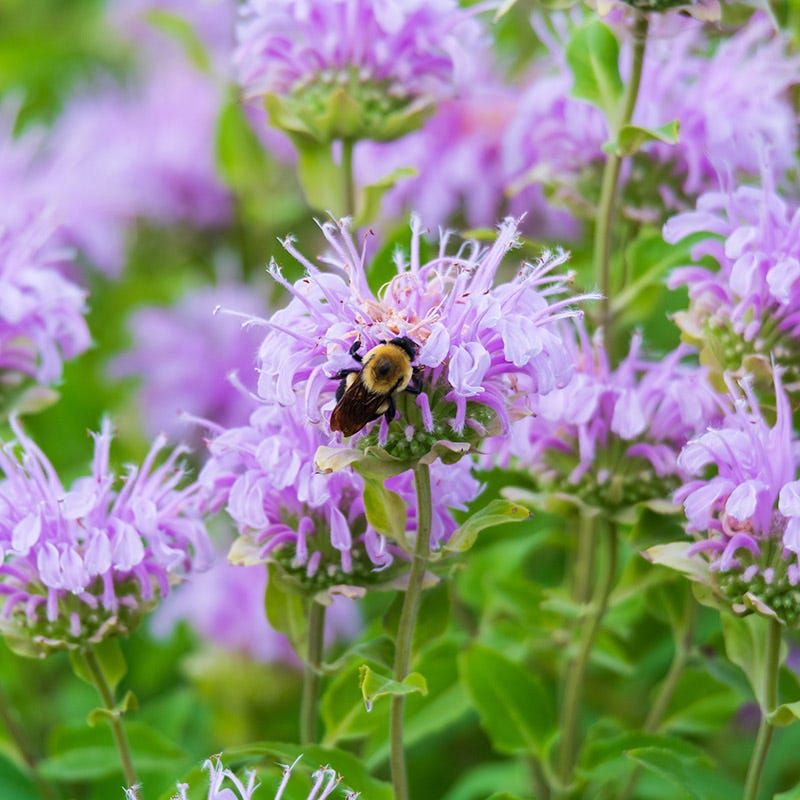
Picture a drift of ragged lavender-pink blooms humming so loud with bees you can hear it from the porch.
That is wild bergamot (Monarda fistulosa), and butterflies treat it like a roadside diner.
Beneath the pretty show, though, sits a quiet defender.
The fragrance you smell when you brush the leaves comes largely from thymol, the same compound found in some kitchen thyme, and ticks do not care for it one bit.
A close cousin, lemon beebalm (Monarda citriodora), packs a similar punch and shows up wild across much of Texas every spring.
Country folks used to rub the leaves on their arms before walking the pasture.
Wild bergamot grows statewide, from North Texas prairies to the drier edges out west.
It wants at least 6 hours of sun, though a little afternoon shade helps it ride out August.
Well-drained loamy or sandy ground suits it best, and it turns up its nose only at soggy compacted clay.
Space plants about 18 inches apart and let them knit into a fragrant band 2 to 4 feet tall.
Give it good airflow, because crowded Monarda tends to catch powdery mildew.
Snip the spent flowers, and it keeps blooming, keeping that scent working all season.
3. Mountain Mint Builds A Wall Of Scent
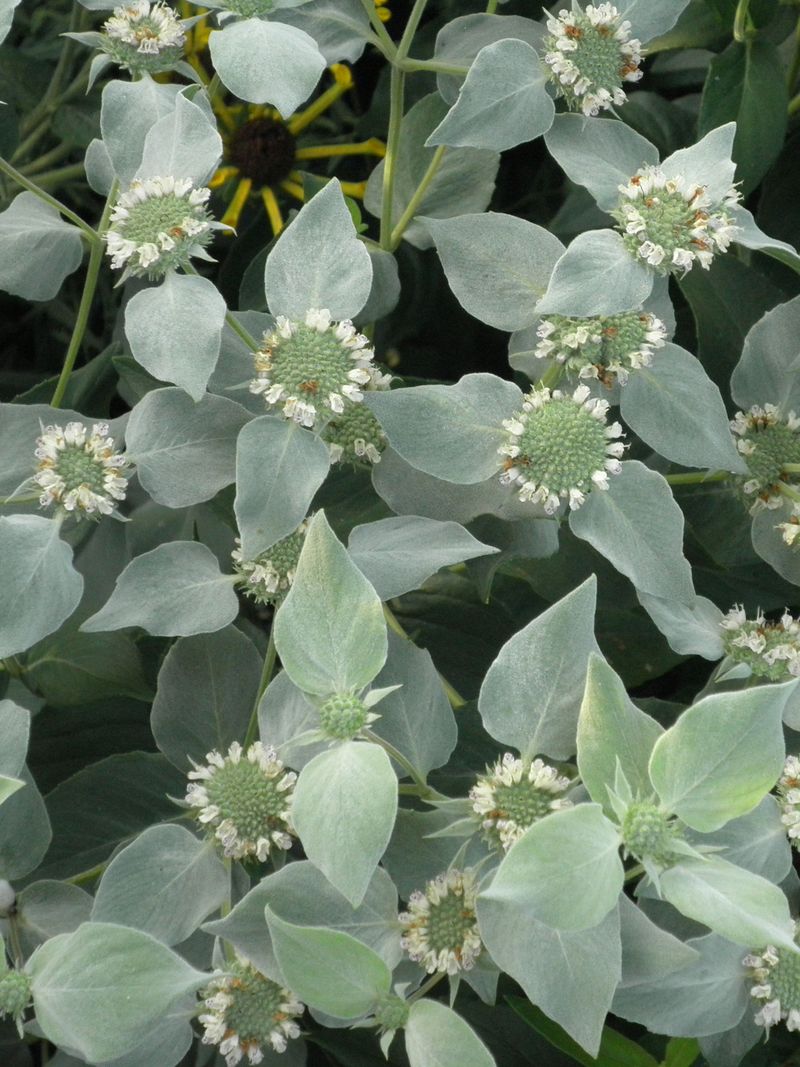
Blunt as it sounds, mountain mint might be the hardest-working plant on this whole list.
Pycnanthemum muticum and its skinny-leaved cousin Pycnanthemum tenuifolium do not bother with showy petals.
Their power lives in the leaves.
Crush one and you get a sharp, cool blast of pulegone, a natural mint oil that insects genuinely avoid.
Ticks hunt by smell and touch as you brush past, so a thick stand of this stuff reads to them like a locked door.
It is one of the reasons pollinator gardeners plant it near seating areas, because it also happens to be a nectar magnet for tiny beneficial wasps that eat pest eggs.
Native to parts of East and Central Texas, mountain mint takes full sun to part shade and blooms more where the light is strong.
In South Texas or the Panhandle heat, a little afternoon shade keeps it from wilting.
It handles clay and sandy soil, wants steady water while young, then tolerates dry spells once rooted.
Here is the tricky part.
It spreads by underground runners, so plant it 2 feet apart where you want a border 1 to 3 feet tall, or sink it in a buried pot to keep it polite.
Give it the room, and it guards a whole play edge.
4. Frostweed Anchors The Shady Tick Zone
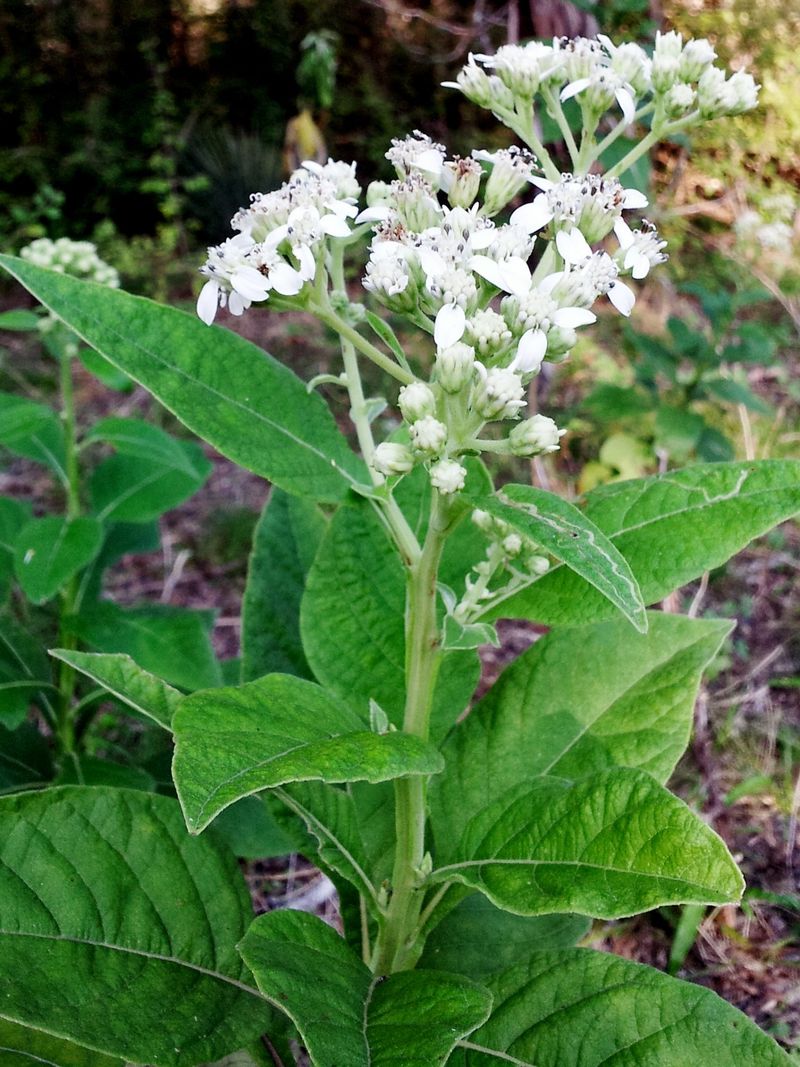
Ticks love the cool, damp shade under trees, which is exactly where most repelling plants sulk.
Frostweed (Verbesina virginica) walks right into that awkward corner and thrives.
You will spot it by tall stalks topped with flat white flower clusters that monarchs mob during the fall migration.
The name comes from a winter magic trick.
On the first hard freeze, usually when temperatures dip below 32 degrees, the stems split and squeeze out curling ribbons of ice that look like spun sugar.
That same dense, aromatic growth shades out weedy tick habitat and keeps the soil surface drier along the edges where kids cut through.
Central Texas and East Texas gardeners lean on frostweed because it fills the deep shade under live oaks where turfgrass gives up.
It reaches 3 to 6 feet tall, spacing about 2 feet apart, and asks for very little once established.
Give it part to full shade and average water, and it holds its ground through summer.
It reseeds gently, so pull a few volunteers each spring if you want it tidy.
For a wooded property line, it is a genuine workhorse that pulls double duty for the fall butterflies.
5. Texas Lantana Locks Down The Sunny Border
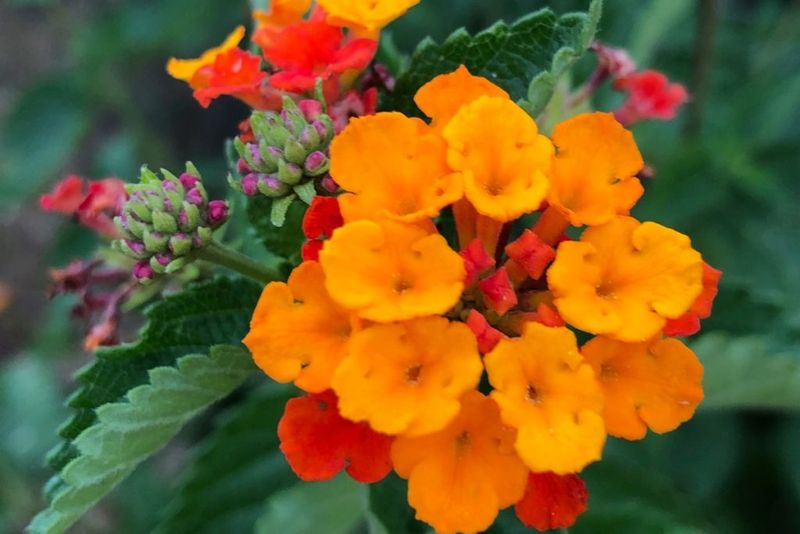
Some plants sulk in the brutal open sun of a South Texas afternoon.
Texas lantana (Lantana urticoides) practically dances in it.
Those orange-and-yellow flower clusters glow through July while everything around them wilts.
Brush the foliage and you get a strong, spicy scent that many people find sharp, and that same pungent oil is why deer walk past it and why it may help push biting insects toward friendlier ground.
It will not zap a tick on contact, so treat it as scent cover along the hot, exposed strip where lawn meets fence, the kind of dry edge kids sprint across chasing a ball.
Native lantana handles the worst our state throws at it, thriving in Zones 8 through 10 from the Gulf Coast down to the Rio Grande Valley.
Set plants 3 feet apart in full sun, and expect a rounded mound 2 to 4 feet tall.
It wants sharp drainage, so it loves caliche and sandy ground that drowns other flowers.
Once established, it may go weeks on rainfall alone.
A hard freeze knocks it back, but it returns from the roots across most of Texas.
Just note the native urticoides, since some hybrid lantanas behave differently.
6. Autumn Sage Keeps The Patio Edge Working
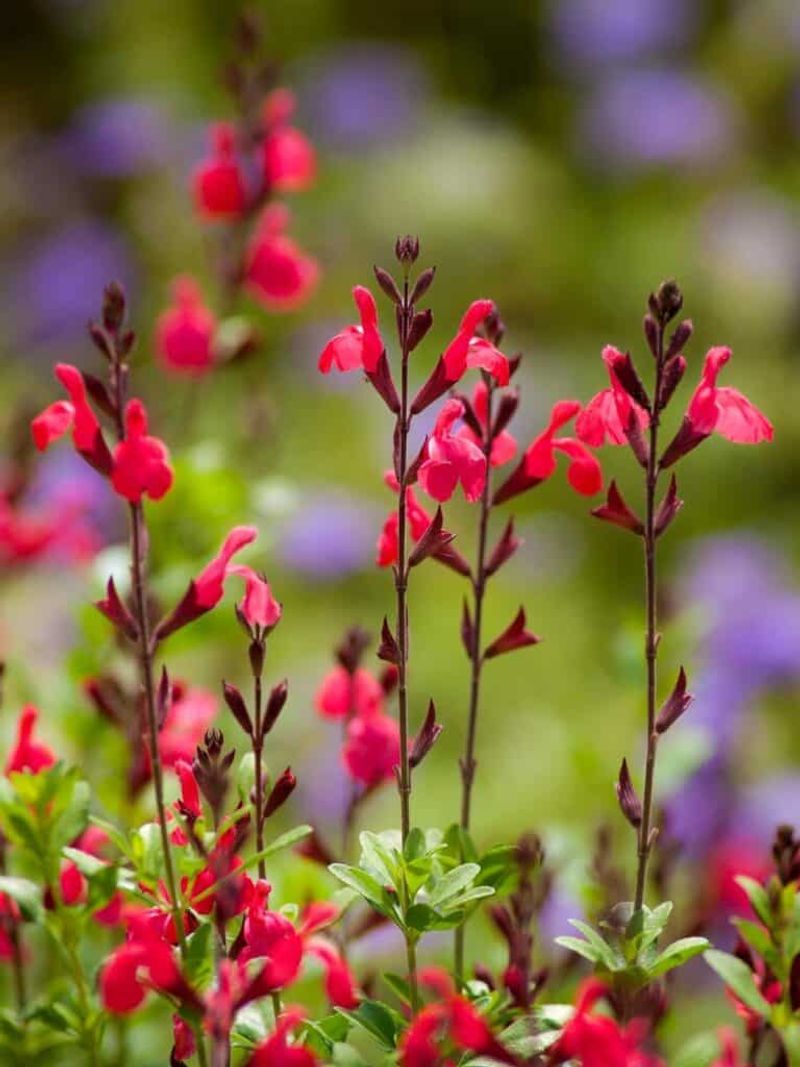
Right where the patio meets the grass, you want something that smells strong, looks good, and never begs for water.
Autumn sage (Salvia greggii) checks every box and then some.
Its little leaves release a resinous, herbal scent the second you touch them.
That aromatic oil, common across the salvia family, is the reason this plant reads as unwelcoming to a lot of crawling and biting pests.
It is a supporting player, not the star, but planted in a tidy row it scents the very seam where children step off the concrete into the yard.
Hummingbirds work the red and pink blooms from spring clear through fall, so you get a show for the trouble.
Hill Country and West Texas gardeners treasure autumn sage because it was practically built for shallow alkaline soil and caliche.
Give it full sun to a touch of afternoon shade and space plants about 2 feet apart to form a low hedge 2 to 3 feet high.
Water deeply once a week the first summer, then back off, because soggy roots are the one thing it cannot forgive.
A quick shear after each bloom flush keeps it dense and full.
It shrugs off heat above 100 degrees like it was born to it, which it was.
7. Beebalm And Its Kin Guard The Path Edges
Ticks do not fly, and they do not jump.
They climb a grass blade, stick out their front legs, and wait to grab whatever brushes by, a move biologists call questing.
That single fact tells you exactly where to aim your defenses, right along the paths.
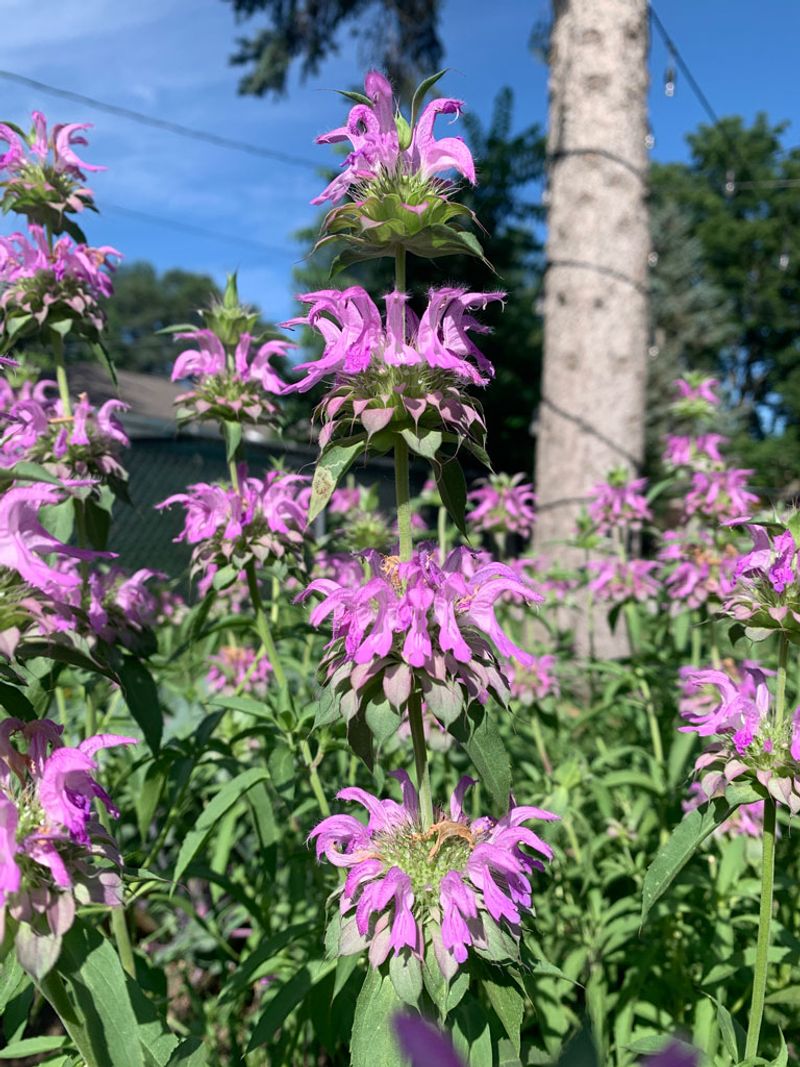
Lemon beebalm (Monarda citriodora) shines here because it pops up fast, self-sows, and lines a walkway with fragrant leaves that release citrusy thymol at the lightest touch.
A kid running the path drags a hand or a shin through it and carries that scent right where a tick would try to latch on.
It grows wild across Central and North Texas, often blanketing spring fields in purple whorls.
Sow seed in fall or set transplants 12 to 15 inches apart in full sun to light shade, and it will form a soft aromatic corridor 1 to 3 feet tall.
Ordinary garden soil suits it, and it needs almost no coddling once the rains do their thing.
Because it reseeds, you may find it wandering, which is a fine problem when the wanderer works this hard.
Let it hem your busiest trails, and every trip through the yard brushes on a little protection.
8. A Three-Foot Mulch Break Stops The Crawl

Plants are only half the story, and honestly the geometry of your yard matters just as much.
Ticks migrate from the wild, shady, leafy edge toward the lawn, but they hate crossing dry, open ground where they dry out fast.
Here is the move that costs almost nothing.
Lay a strip of wood chips, cedar mulch, or gravel 3 feet wide right where your mowed grass meets the tree line or the neighbor’s untamed fence row.
Texas A&M AgriLife Extension has long pointed to this simple dry barrier as one of the most reliable ways to cut how many ticks wander into the space your family actually uses.
Set your beautyberry, mountain mint, or lantana on the yard side of that break, and you stack a scent layer on top of a physical one.
Keep the strip clear of fallen leaves, because wet leaf litter is a tick nursery.
Refresh the mulch each spring so it stays a few inches deep and genuinely dry.
It is not glamorous, and it will not win a garden tour, but that plain brown ribbon does quiet, dependable work every single day.
9. Smart Mowing Steals The Ticks’ Hideout
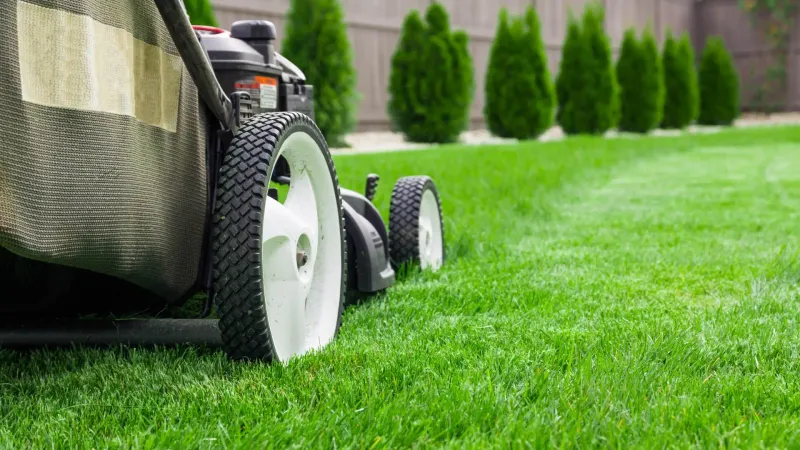
No plant on earth outperforms a lawn kept out of a tick’s comfort zone.
Ticks want tall grass, damp shade, and clutter to hide in during the heat of a Texas afternoon.
Take those away, and half the battle is already won.
Keep your play-area grass around 3 inches tall, high enough for healthy roots that survive summer, low enough that ticks lose their cover.
Trim the shrubs and low branches where the lawn meets the wild edge, because more sunlight means drier ground and fewer ticks.
Rake up fallen leaves and haul off brush piles fast, since a rotting pile is a five-star tick and rodent hotel.
Firewood deserves a word too.
Stack it off the ground and covered, at least 20 feet from where kids play, so mice do not nest against it and ferry ticks in.
These chores sound obvious, but done together they change the whole feel of a yard.
Many Central Texas families notice fewer hitchhikers within a season of tightening up the edges.
It is steady, unglamorous work, and it pays you back every time the grandkids roll in the grass without a single tick to pick off afterward.
10. The Habits That Finish The Job
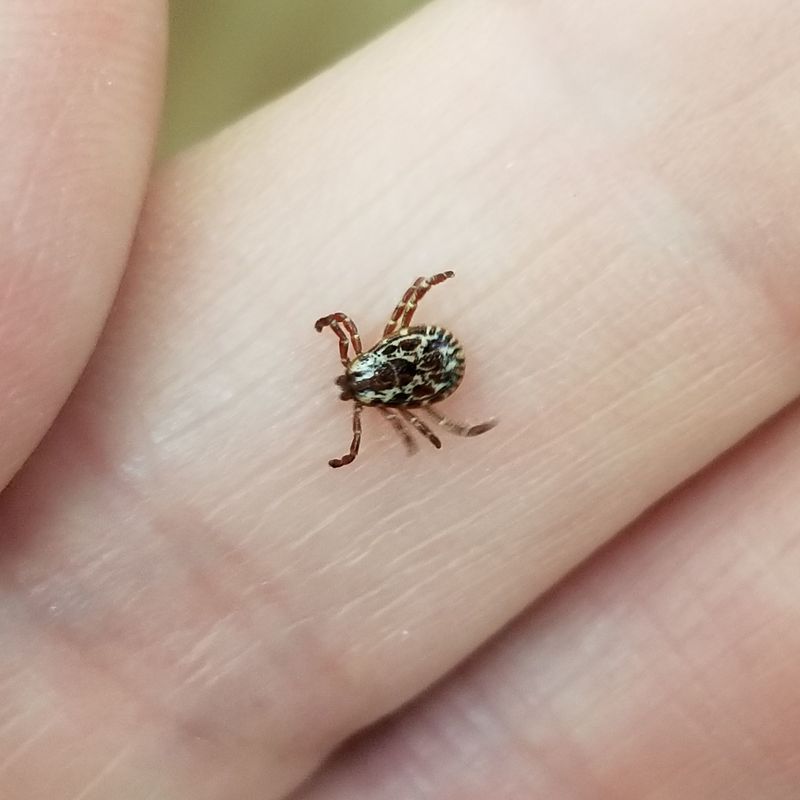
Plants and mowing set the stage, and a few personal habits close the gap the rest of the way.
Ticks are patient, so your family gets to be a little smarter than they are.
Dress for the walk through the yard’s wild edges.
Light-colored pants make a dark tick easy to spot, and tucking cuffs into socks forces the bug to crawl up the outside where you can see it.
After outdoor play, run a real tick check on the kids, yourself, and the dog, paying close attention to hairlines, behind the ears, armpits, and the backs of knees.
Ticks often wander 20 minutes or more before they bite, so a quick check right after coming inside catches many before they attach.
Texas A&M AgriLife Extension offers a free Tick App for Texas and the Southern Region that helps you identify what you find and learn which ones carry disease here.
Lean on it when you are unsure.
None of these steps alone is a magic solution, and that is fine, because layered together, native plants, a dry mulch break, sharp mowing, and steady habits, they hand you back the yard.
Picture the cookout winding down, the light going gold, the kids sprawled in cool grass, and not one tick check turning up a thing.
That calm is the whole point.