
The Overlooked Pennsylvania Native That Brings Fireflies Back To A Dark Backyard
Follow us on Google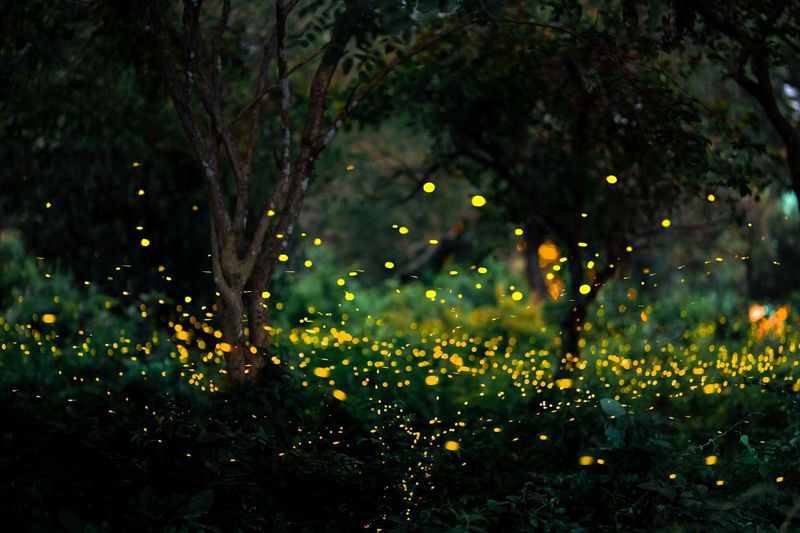
Firefly numbers have quietly dropped in many Pennsylvania backyards over the past few decades, and most homeowners never get a clear answer about why.
The culprits are a tangle of things: too much outdoor lighting, fewer damp and leafy corners, and soil that gets disturbed or sprayed more than firefly larvae can handle.
One native shrub called northern spicebush keeps coming up in conversations about fixing this, and for good reason, though the story is more layered than a single plant fix.
Understanding what spicebush actually does, and what it cannot do alone, is where the real answer lives.
Meet The Native Behind The Better Habitat
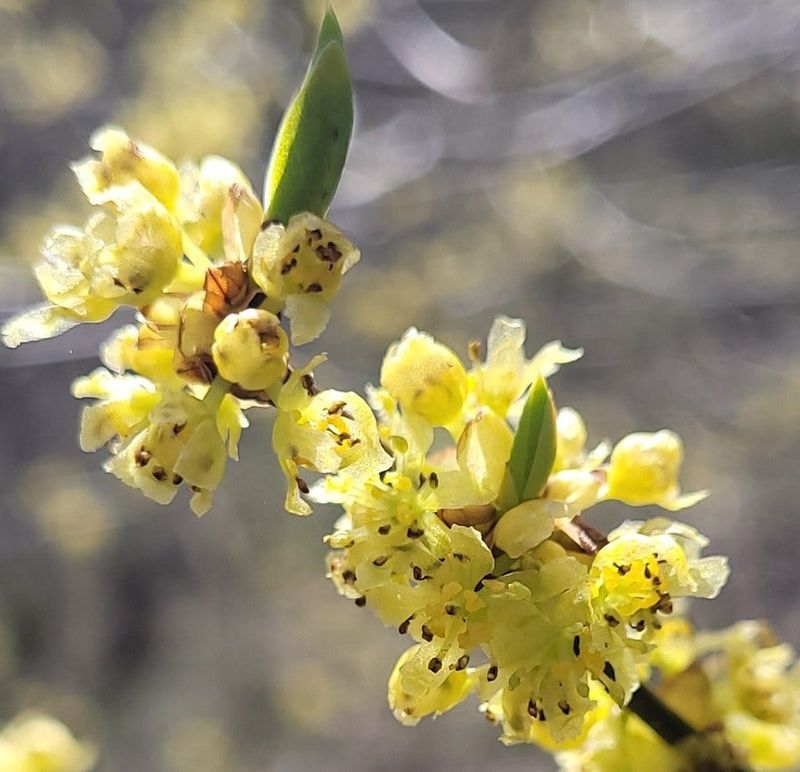
Northern spicebush, Lindera benzoin, is a shrub that most Pennsylvania gardeners walk right past at the native plant nursery.
That is a mistake worth correcting.
Penn State Extension recommends it specifically for shady, moist sites, and the Pennsylvania conservation planting guide lists it as suitable statewide, which covers a lot of ground from the Lake Erie shoreline down to the Delaware Valley.
The shrub typically grows 6 to 15 feet tall and fits USDA hardiness zones 5 to 9.
That range covers most of Pennsylvania, though your specific elevation, soil, and frost dates matter more than a zone number on a tag.
Penn State’s shade and moist-soil plant guide places it among a short list of natives that genuinely thrive in the kind of damp, low-light corner most gardeners consider a problem spot.
Here is the honest part: spicebush does not lure fireflies the way a porch light pulls moths.
It does not serve as a larval host plant for firefly young, and there is no strong evidence that fireflies prefer it as an adult nectar source or breeding site.
What it can do is add one useful layer of structure to a habitat that already has the right bones, shade, organic matter, moisture, and room for the small soil creatures firefly larvae depend on.
The shrub has plenty going for it beyond fireflies.
It blooms in early spring with small yellow flowers before most other plants wake up, and female plants produce glossy red berries in late summer.
It also serves as a host plant for spicebush swallowtail caterpillars, so the wildlife value stacks up even if the firefly effect takes time to show.
Build The Ground Fireflies Actually Use
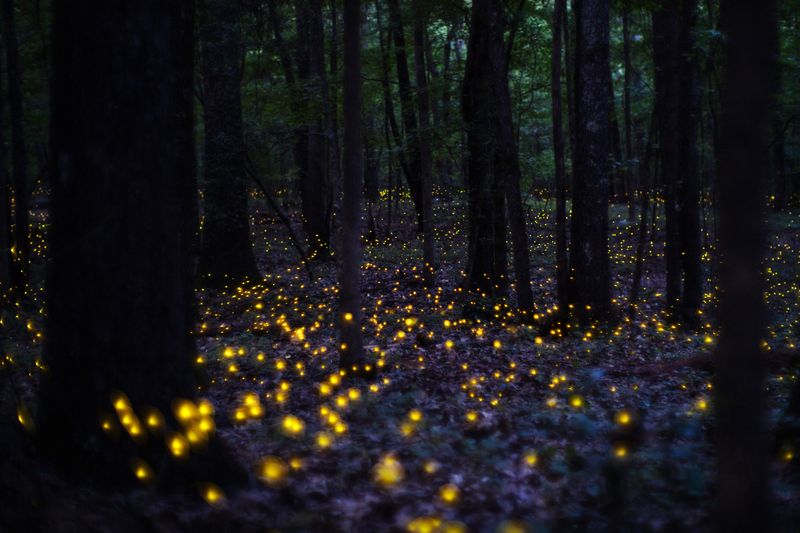
Firefly larvae are not waiting in the air for a good shrub to appear.
They live underground, or tucked into leaf litter and rotting wood, for one to two years before they ever flash a light.
During that time, Penn State Extension reports they feed on soft-bodied prey like slugs, snails, and earthworms, creatures that thrive in the same damp, undisturbed ground conditions that spicebush helps create.
Adults, by contrast, live for roughly one month.
That short window is what most people see from the porch on a June evening, but the real work of supporting fireflies happens in the soil long before a single light blinks on.
A yard that loses its leaf layer every fall, gets tilled each spring, and stays dry through July is not going to sustain larvae even if the adult show looks fine for a season or two.
Spicebush earns its place in this system indirectly.
Its canopy shades the soil, slowing moisture loss on hot summer afternoons.
Fallen leaves from the shrub add to the organic layer where larvae shelter and hunt.
The plant cover also supports a broader community of small invertebrates, which keeps the larval food web intact.
Research on North American firefly ecology makes clear that Pennsylvania alone has at least 16 firefly species, each with its own habitat preferences, so no single plant suits every yard or every species.
Larvae do not eat spicebush leaves.
That distinction matters.
The shrub is a structural contributor, one layer of a ground-level system, not a firefly host plant in the direct sense that it hosts swallowtail caterpillars.
Treat it as one piece of the puzzle, not the whole picture.
Match Spicebush To The Right Corner
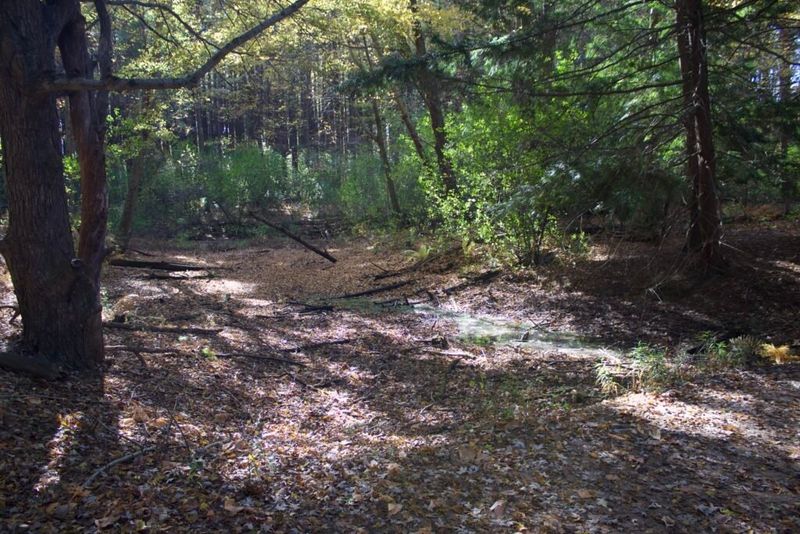
Before buying a spicebush, walk your yard after a good rain and notice where the water lingers.
A spot that stays damp for several hours but drains before the next morning is close to ideal.
A quiet woodland edge, a low area near a downspout, or the shoulder of a rain garden can all work well.
What you want to avoid is a site that either stays soggy for days or dries out hard and cracks by mid-July.
Spicebush tolerates clay soil, which is good news for many homeowners in the central valleys, the Susquehanna Valley, and parts of southeastern Pennsylvania where heavy soils dominate.
What it does not tolerate is prolonged drought or sustained heat.
Penn State’s native plant spotlight is direct on this point: the shrub is not drought tolerant, so an exposed lawn edge that bakes in afternoon sun is the wrong address for it.
Shade or part shade is the other non-negotiable.
A spot that gets morning sun and afternoon shade, or filtered light through a tree canopy, suits the plant far better than a south-facing open bed.
In warmer urban pockets around Philadelphia or Pittsburgh, afternoon shade becomes even more important during a stretch of 90-degree days.
Penn State’s shade and moist-soil planting guide can help you cross-check your site conditions before you commit.
Local frost dates, elevation, and existing soil moisture all vary enough across Pennsylvania that checking with your county extension office is a smarter move than relying on a single statewide recommendation.
Get the site right first, and the shrub will do its part.
Establish The Shrub Without Inventing A Formula
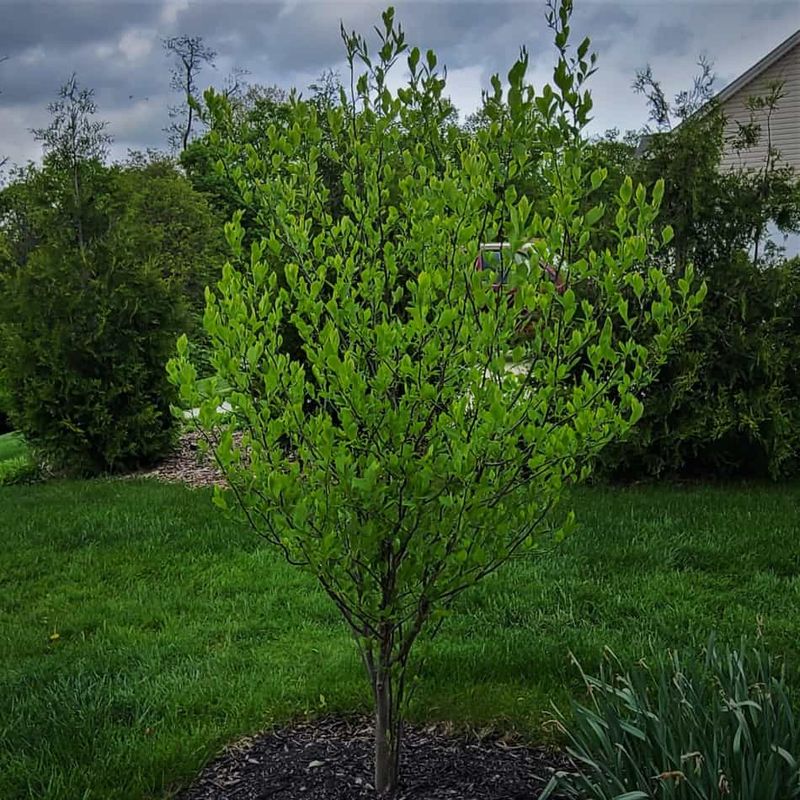
Planting spicebush is not complicated, but a few details separate a shrub that settles in quickly from one that sulks for two seasons.
Start by checking your local Penn State Extension office for the frost-free window in your area.
Pennsylvania’s last frost dates range from late March in some southeastern lowlands to mid-May at higher elevations in the northern tier and the Poconos, so a single statewide planting date does not exist.
Spring planting after the ground has thawed and drained works well, and fall planting before the soil freezes is another solid option in most parts of the state.
Work only in soil that is neither frozen nor waterlogged.
Roots pushed into saturated ground have a hard time establishing, and compacted wet clay gives them nowhere to go.
Dig a hole roughly as deep as the root ball and two to three times as wide, backfill with the native soil, and water thoroughly at planting.
After that, dependable moisture during the first growing season matters more than any special fertilizer or amendment.
One detail that surprises many gardeners: spicebush is dioecious, meaning male and female flowers grow on separate plants.
Penn State’s native plant guide and University of Maryland Extension both note that you generally need access to both sexes to get berries on the female plant.
Nursery stock is not always labeled by sex, so ask before you buy if the red berries matter to you.
Avoid planting in exposed spots that dry out fast.
A site that matches the shade and moisture requirements will need far less intervention than one where you are fighting the conditions every week.
Get the location right, and establishment tends to take care of itself.
Protect Leaves, Soil, And Nighttime Signals
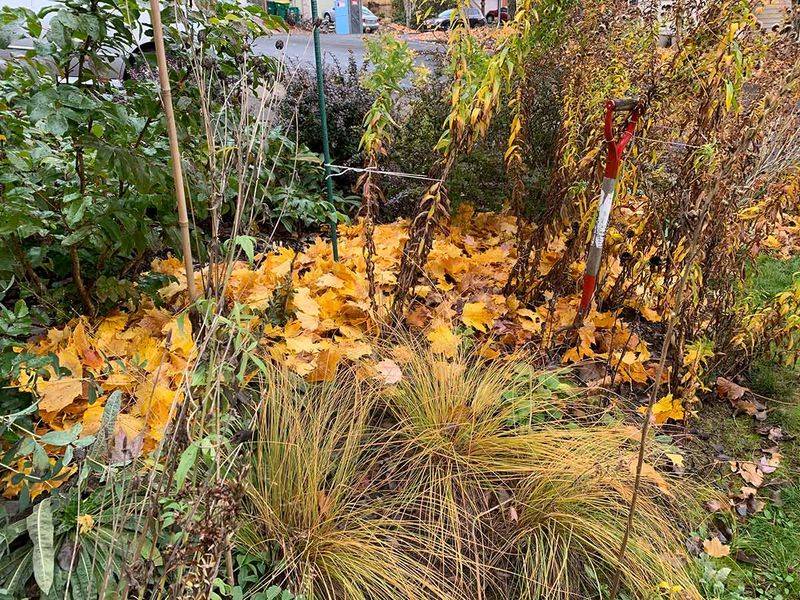
Planting the shrub is only the beginning.
What happens to the ground around it, and the sky above it, matters just as much.
Start with the leaves.
When spicebush and nearby trees drop their foliage in fall, leave some of it in place beneath and around the shrub.
Penn State Extension recommends leaving leaf litter and soil undisturbed to protect firefly larvae, which use that layer for shelter, moisture, and hunting ground through the long months before they emerge as adults.
Natural fallen leaves are not the same as a thick layer of shredded bark mulch.
Loose, airy leaf litter lets moisture and air move through it.
Dense, compacted ornamental mulch can actually seal the surface and reduce the habitat value for soil-dwelling insects.
Firefly conservation guidance and the Pennsylvania Firefly Festival’s habitat tips both point toward preserving natural litter rather than replacing it with tidy mulch beds.
Outdoor lighting is the next thing to look at.
Research on artificial light and North American fireflies has found effects on adult courtship signals and on larval behavior and movement.
Turning off decorative string lights and landscape spotlights during June and July is a reasonable first step.
For security lights you cannot eliminate, try shielding fixtures to direct light downward, switching to motion-activated controls, or using warmer, lower-intensity bulbs.
Pesticides deserve a hard look too.
Firefly larvae depend on a healthy community of soil invertebrates, and research on pesticide threats to fireflies identifies both direct exposure and prey reduction as possible harms.
Routine broad-spectrum insecticide applications in or near the firefly area can quietly undercut everything else you are doing.
Spot treatment for a specific problem is a very different thing from blanket spraying on a schedule.
Replace The One-Season Promise With Patience
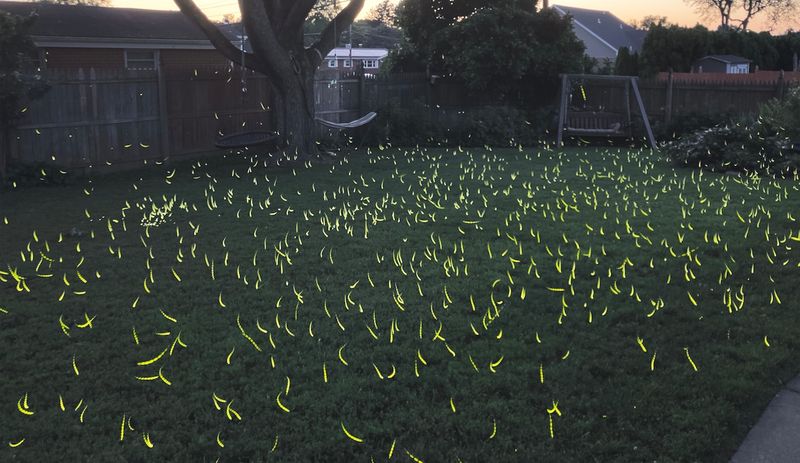
A newly planted spicebush cannot produce fireflies from scratch.
If the soil under your shrub has no established larval population, the habitat improvements you make this year are building toward a future season, not guaranteeing a light show by next July.
Firefly larvae spend one to two years in the ground before emerging as adults, so the timeline for any habitat change is measured in seasons, not weeks.
Pennsylvania’s firefly picture is also more varied than most people realize.
Penn State Extension notes that the state has at least 16 firefly species, each with its own preferences for habitat, moisture, and vegetation.
The Pennsylvania firefly, Photuris pensylvanica, has been the official state insect since 1974, a small fact that tends to surprise people.
Adult activity generally peaks in June and July, with some species continuing into August, but the timing shifts depending on elevation, temperature, and local conditions.
Weather adds another layer of uncertainty.
Penn State’s firefly guidance notes that moisture and weather conditions affect adult numbers from year to year.
Research on firefly population dynamics links adult abundance to weather conditions experienced during the earlier larval stage, meaning a dry stretch the previous summer or an unusually harsh winter can quietly reduce the number of adults you see this June even when your yard management is solid.
Meanwhile, the North American firefly conservation assessment found significant data gaps across species, so a quiet yard is not always evidence of a measured regional decline.
Some years are just quieter than others.
Observe across multiple seasons before drawing conclusions, and resist the urge to intervene more aggressively after one slow summer.
Give Fireflies More Than One Reason To Stay
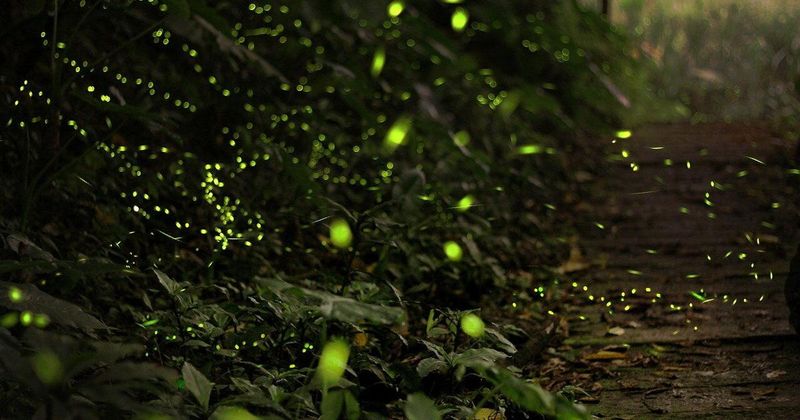
The action sequence here is not complicated, but it does require more than one move.
Keep spicebush in a site that genuinely matches its needs: shade or part shade, reliably moist soil that drains well, and protection from the kind of summer drying that shuts the plant down.
A stressed shrub in the wrong spot adds little to the habitat picture.
Around the shrub, let the leaf layer accumulate naturally.
Resist the cleanup instinct in that corner.
Leave some rotting wood if any is present.
Keep soil disturbance minimal through the growing season.
These habits cost nothing and protect the larval habitat that takes years to establish.
Pennsylvania Firefly Festival habitat guidance and Firefly.org’s conservation recommendations both point toward the same unglamorous answer: leave more alone.
Reduce the light load in that part of the yard during June and July.
Scale back the insecticide routine near the firefly area and give the soil invertebrate community room to recover.
Preserve whatever surrounding vegetation and shrub cover already exists, because community-science research on firefly abundance found associations between greater parcel vegetation and more fireflies, though that evidence does not prove that spicebush alone drives the result or that vegetation reliably outweighs every other factor.
Penn State Extension frames this honestly: fireflies need a combination of conditions, and no single plant delivers all of them.
What spicebush genuinely offers is one structural layer that can support the rest of the system when the site is right and the management habits hold.
Watch the yard across several seasons with that in mind, and you will actually start to read what it is telling you.