
7 North Carolina Native Plants That Bring Bats In To Cut Backyard Mosquitoes Down Fast
Follow us on Google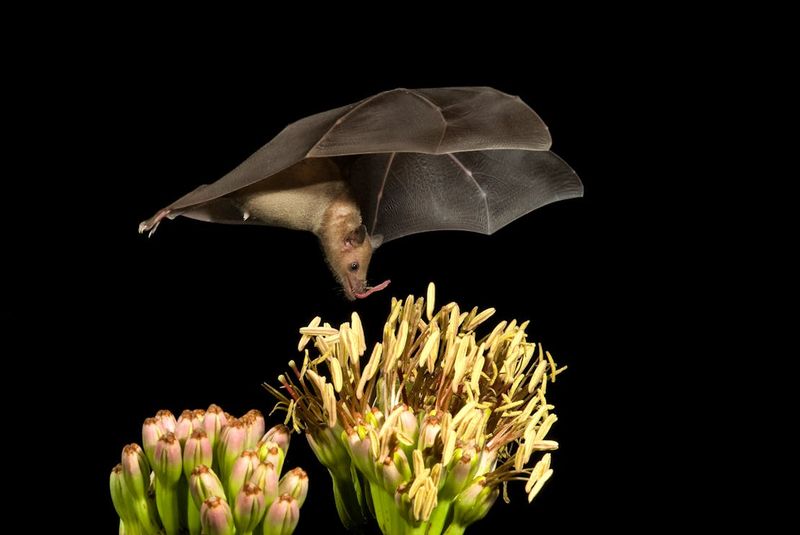
You drag your patio chair into the shade, settling in for a quiet North Carolina evening, when a tiny whine cuts through the humid air. That buzz means a mosquito found you, ready to turn your peaceful moment into an itchy skirmish.
But what if your backyard could bring in some genuine, night-flying help? It is not a magic wand, of course, yet the right plants can actually draw in the insect-eating bats that call our state home.
1. Evening Primrose Blooms A Moonlight Meal

Picture your garden coming alive as dusk settles, pale flowers unfurling just as the first stars appear. That is the charm of Common Evening Primrose (Oenothera biennis), a real beauty for a North Carolina yard.
Many gardeners are surprised that some of the most useful wildlife plants do their best work after dark.
The secret lives in the flowers. They open at dusk and release a soft fragrance that guides night-flying moths straight in.
Those fuzzy moths are a major food source for our native bats. A single big brown bat, one of the roughly 17 bat species found across our state, can eat thousands of insects in one night.
Plant Evening Primrose in full sun to partial shade. It tolerates many soils as long as drainage is good.
This biennial, meaning it lives two years, readily self-seeds, so new plants keep popping up. It reaches about three to four feet tall, glowing softly in a moon garden.
Not a cure-all, but a genuine start.
2. Wild Bergamot Delivers Fragrant Flying Feast
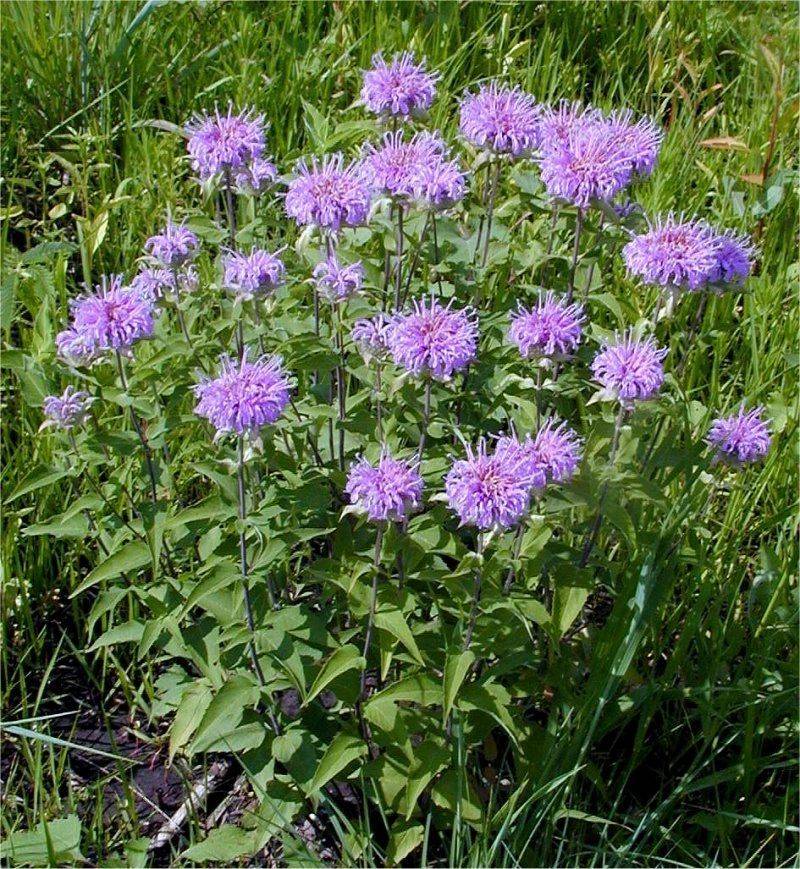
Strolling past a patch of Wild Bergamot (Monarda fistulosa) on a warm afternoon, you catch a pleasant, minty scent. This hardy native, sometimes called Bee Balm, wins over daytime pollinators too.
But here is where it gets interesting. The fragrance that delights you also signals a feast for moths long after sunset.
It might seem backward to invite more insects in just to lose fewer mosquitoes. Bats are broad insect predators, though, not just mosquito specialists.
By supporting a healthy mix of insects, you give bats a reliable reason to patrol your yard. And while they hunt moths, they snap up other flying nuisances too.
Wild Bergamot thrives in full sun to partial shade and prefers well-drained soil, but it adapts to Piedmont red clay and the sandy soils of the Coastal Plain alike. It grows between two and five feet tall in loose clumps.
Blooms run from mid-summer into fall, feeding moths right when bats are most active. That is a long stretch of quiet help.
3. Garden Phlox Illuminates The Night Buffet
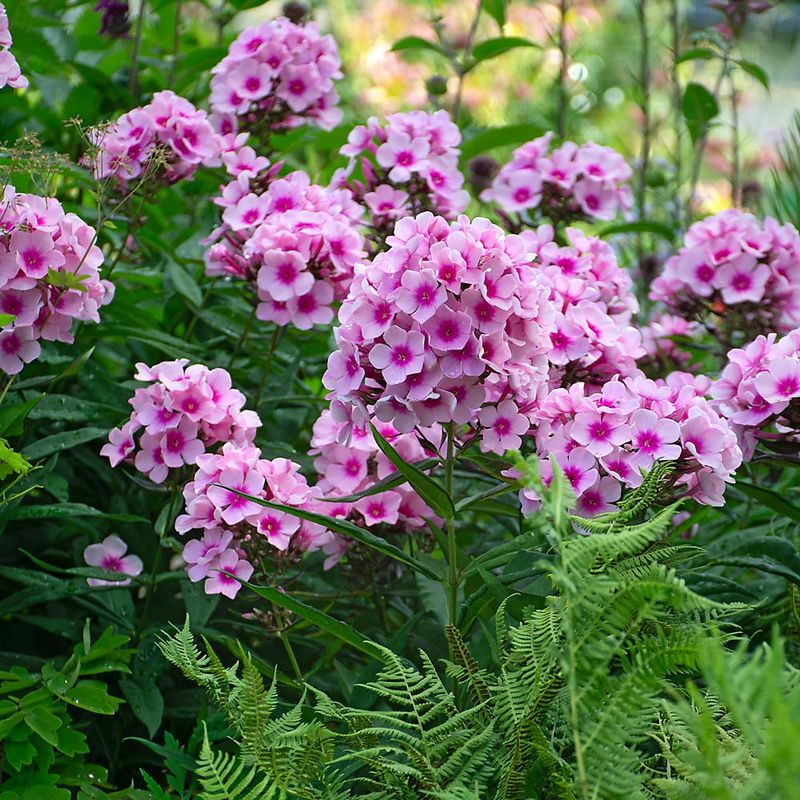
There is a familiar joy in seeing tall, colorful Garden Phlox (Phlox paniculata) blooming in summer. White, pink, or purple, these flowers are a classic sight in North Carolina gardens.
What many do not realize is that the same showy blooms that draw butterflies by day beckon a whole night shift of pollinators.
The sweet fragrance carries well on the evening air, helping moths locate the nectar in the dark. Those moths become a big part of the nightly buffet for hungry bats.
Think of your garden as a 24-hour diner, serving beneficial wildlife around the clock. More moths overhead means more bats swooping through, and that helps keep mosquito numbers in check.
Garden Phlox prefers full sun to partial shade and rich, consistently moist soil with good drainage. Give the plants room to breathe, especially in our muggy summers, or powdery mildew moves in.
Growing two to four feet tall depending on variety, it is hardy across our zones. Plant white varieties for a moon garden that seems to glow at twilight.
4. Purple Coneflower Attracts An Evening Crowd
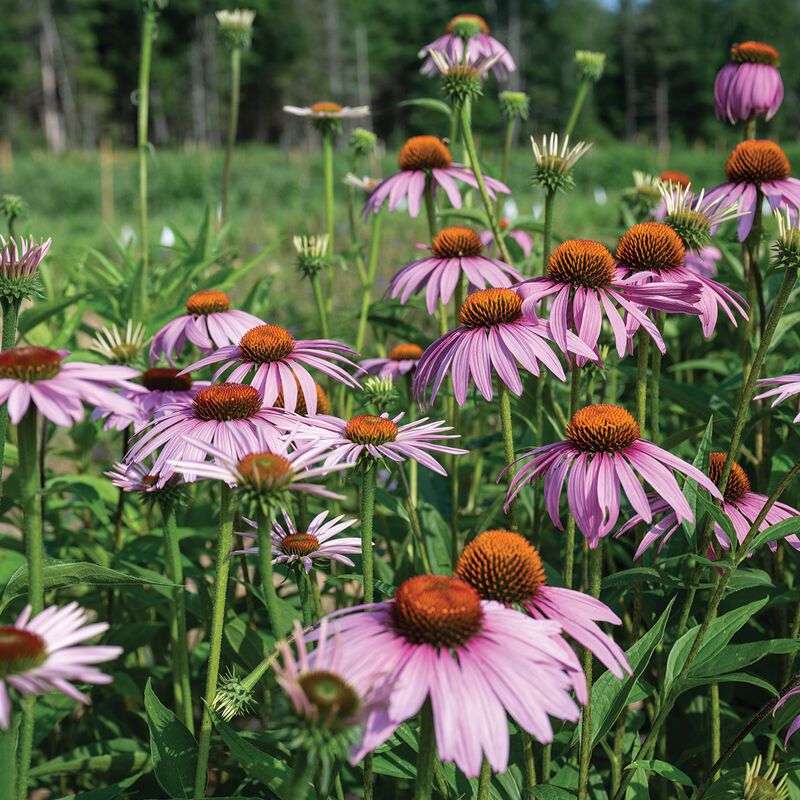
You have probably admired the cheerful, daisy-like blooms of Purple Coneflower (Echinacea purpurea) in sunny beds across North Carolina. This iconic native is famous for pulling in bees and butterflies by day.
But its usefulness does not clock out when the sun goes down.
Many people are genuinely surprised to learn coneflowers keep their blooms open at night. That simple habit makes them attractive to nocturnal insects, including the moths our bats love to eat.
By planting them, you hand bats steady foraging chances all season, giving them a real reason to keep patrolling overhead.
Purple Coneflower thrives in full sun and well-drained soil. Once established it is remarkably drought-tolerant, a robust pick for our hot, dry stretches.
These sturdy plants grow two to five feet tall, with purple petals ringing a spiky central cone. They adapt well from the mountains to the central Piedmont.
Leave the seed heads standing into fall and songbirds will thank you too.
5. Smooth Blue Aster Extends The Feast Into Fall
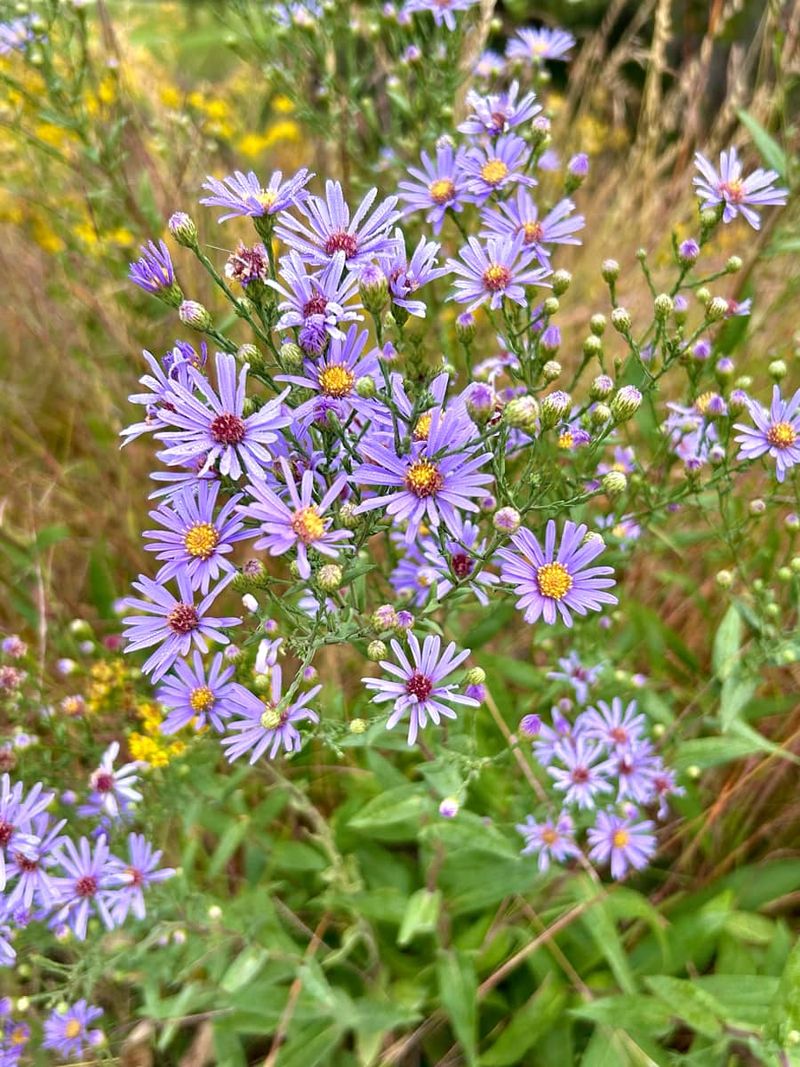
As summer fades and the air hints at autumn, your garden can start to look tired. For bats and other wildlife, though, the show is far from over, especially if you tucked in a late bloomer like Smooth Blue Aster (Symphyotrichum laeve).
This plant hands out a crucial, late-season lifeline.
Fall-blooming plants are easy to overlook, but they matter enormously. Pollinators stock up for winter, and bats need steady food before they hibernate or migrate.
Asters pull in a wide range of insects, including night-active moths, long after other flowers quit. The more varied the insect life, the more appealing your yard becomes to a bat on the hunt.
Smooth Blue Aster likes full sun and handles a range of well-drained soils, from dry to moist. That makes it a flexible pick for many North Carolina landscapes.
Growing two to four feet tall, it throws out masses of blue to violet, daisy-like flowers in fall. It offers a burst of color when everything else is winding down, and a real food bridge for the insects bats chase.
6. Goldenrod Provides A Late-Season Lure
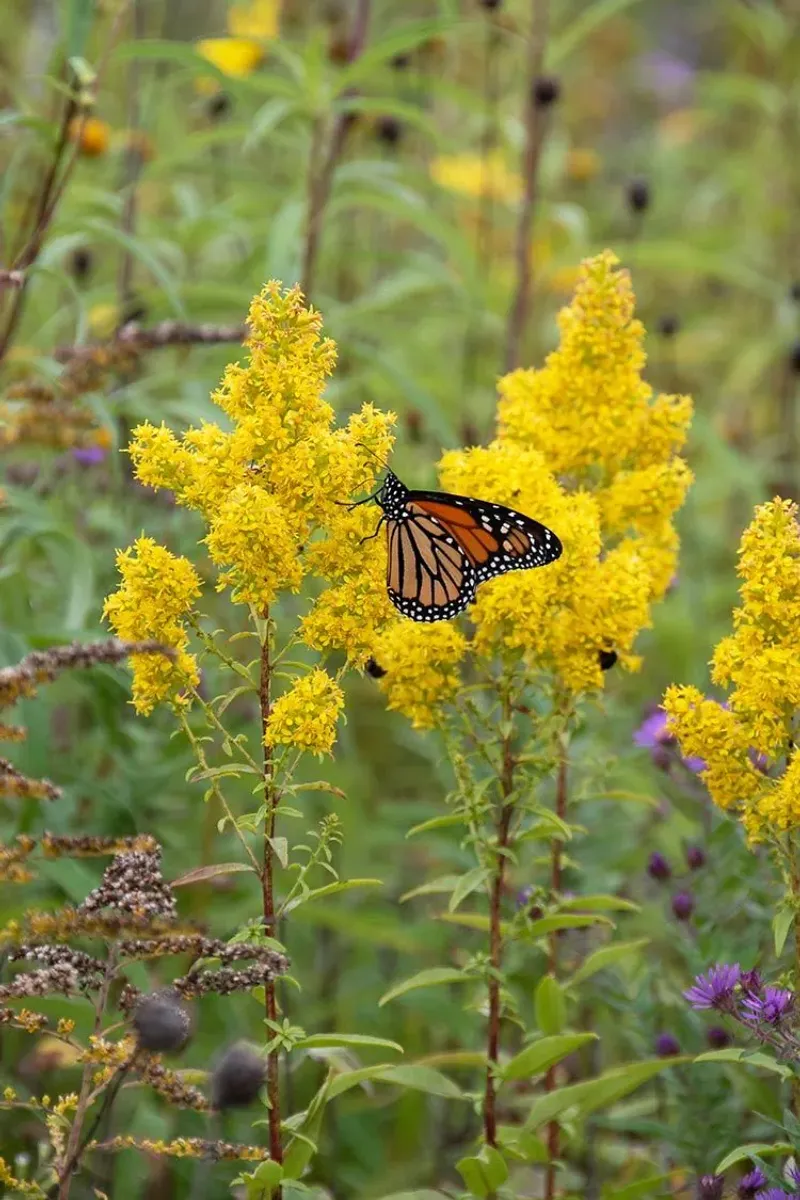
Goldenrod (Solidago species) gets a bad rap, wrongly blamed for seasonal allergies, but this native is genuinely a hero for wildlife. As summer turns to fall, its bright yellow plumes light up roadsides and fields from the Sandhills to the mountains.
Where there are insects, hungry bats are sure to follow.
Most gardeners do not realize how valuable these common roadside plants truly are. Goldenrod supports a huge diversity of insects, including many moth species that emerge in late summer and fall.
Those moths are prime targets for bats fattening up before the cold months. Letting a patch grow in a less manicured corner quietly props up the whole local food web.
There are many native Goldenrod species, and most want full sun and shrug off tough soil. Some tolerate wet ground, others prefer dry spots.
Heights swing widely, from about one foot to seven feet tall depending on the species. Let a patch stand and you serve up a late feast that can carry countless insects, and the bats that eat them, through the season.
7. Buttonbush Offers A Spherical Sanctuary
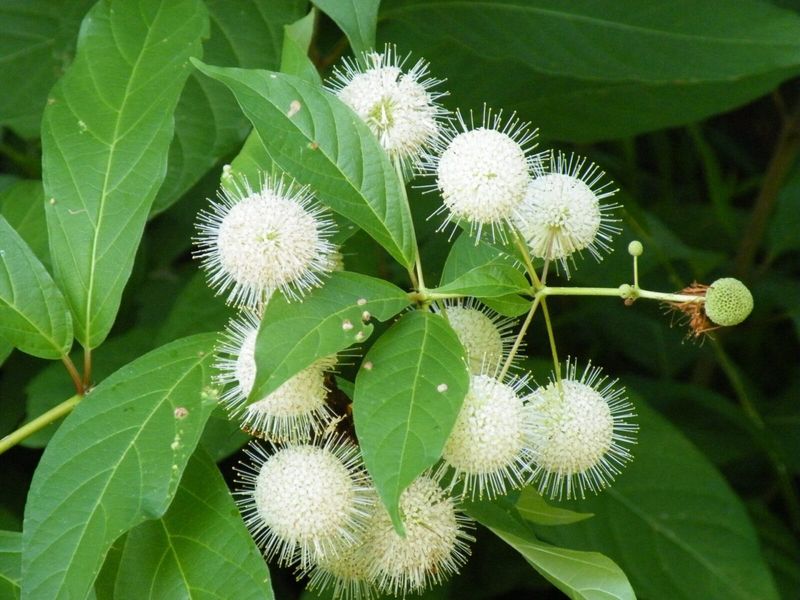
Along the edges of ponds, streams, or soggy low spots in your yard, you might meet the enchanting Buttonbush (Cephalanthus occidentalis). This native shrub carries odd spherical flowers that look like tiny pincushions, and pollinators cannot resist them, moths included.
For bats, Buttonbush means a dependable food source right where mosquitoes tend to breed.
The fragrant, white, globular blooms are a strong draw for nocturnal insects, which in turn bring bats swooping through the evening air. While native bats do eat mosquitoes, they are general insect predators, with moths making up a large share of the diet.
Planting Buttonbush builds rich foraging spots and adds another layer of natural pest control while you sleep.
Buttonbush is a versatile deciduous shrub, growing five to twelve feet tall and wide. It thrives in full sun to partial shade and loves wet soil, tolerating occasional flooding, though it adapts to average garden ground once established.
That makes it a smart choice for a rain garden or a low, wet corner, especially in the Coastal Plain. Let this quiet hero flourish, and you may just save the next cookout from those pesky whiners.