
7 Florida Native Plants That Bring Ladybugs In To Eat The Chinch Bugs Browning Your Lawn
Follow us on Google
You step onto the patio after breakfast, coffee in hand, and spot it again: a straw-colored patch of St. Augustine creeping out from the hot edge by the driveway. That is chinch bug damage, and it can spread across a Florida lawn in a single dry, sunny stretch.
Here is the honest twist: ladybugs do snack on young chinch bugs and their eggs now and then, but the real lawn assassins are their quieter cousins, big-eyed bugs, minute pirate bugs, and tiny wasps, and the same native flowers that pull in ladybugs feed that whole crew. Plant the seven natives below along your lawn’s edges, and you turn your yard into a hiring hall for the bugs that work for you.
1. Blanketflower
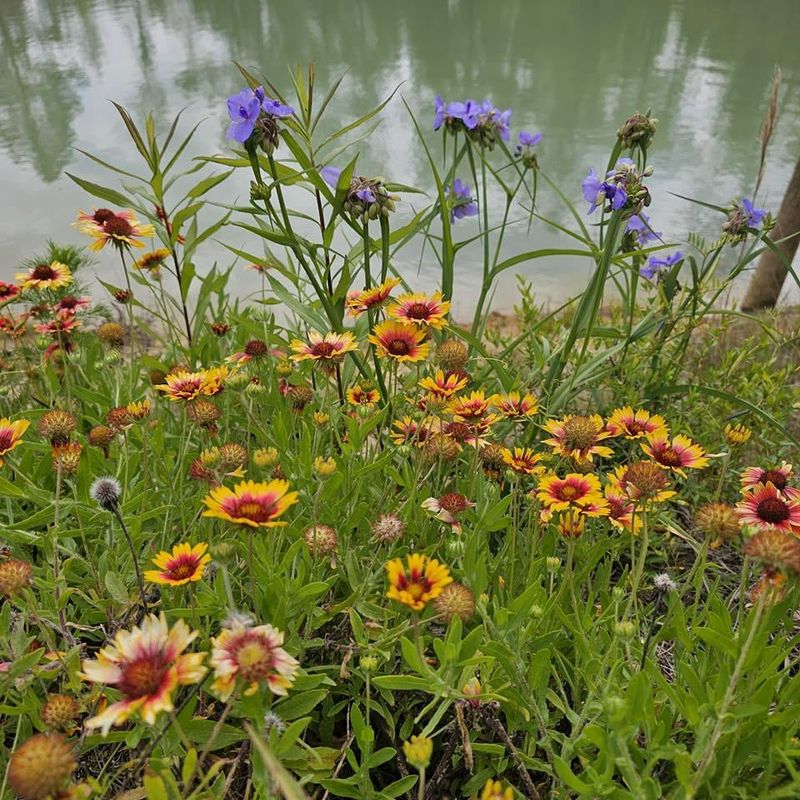
Picture the hottest strip of your yard, the one baking beside the driveway where the grass browns first. That exact spot is where chinch bugs like to start, and it is also where blanketflower (Gaillardia pulchella) is happiest.
This native wildflower shrugs off sand, salt spray, and summer sun from the Panhandle to the Keys. It grows about 1 to 2 feet tall and blooms in red and yellow pinwheels from spring into fall, nearly year-round in South Florida.
The flat flower heads work like open-air diner counters. Ladybugs, big-eyed bugs, and small parasitic wasps all need pollen and nectar between meals of pests, and blanketflower serves both for months on end.
Set plants in a border 12 to 18 inches apart, right where lawn meets pavement. Water every couple of days for the first 2 to 3 weeks, then mostly leave them alone, since soggy soil causes root rot faster than drought ever will.
Do not expect one plant to save a lawn. But a ribbon of color along that hot edge puts the hunters right next to the hot spot, and that placement matters more than most people realize.
2. Leavenworth’s Tickseed
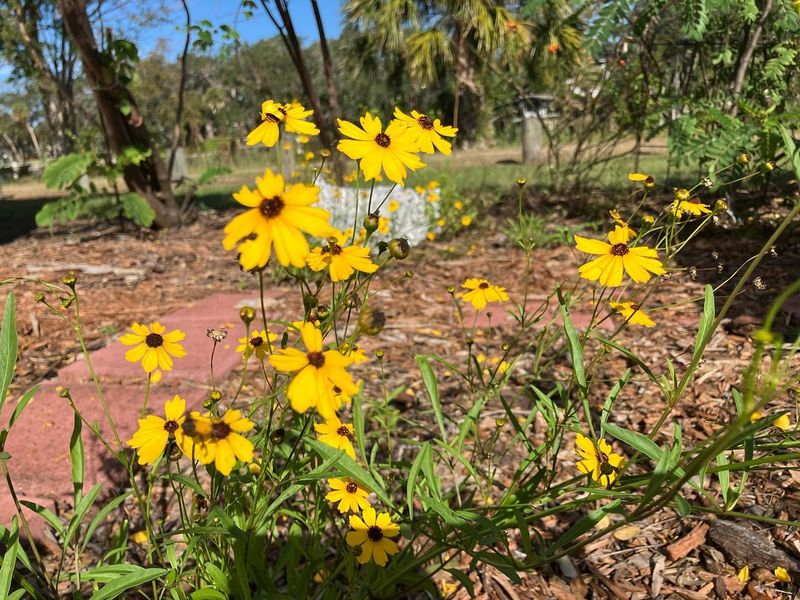
Florida’s state wildflower is coreopsis, and the one born here is Leavenworth’s tickseed (Coreopsis leavenworthii). Plenty of homeowners mow right past it in roadside ditches without realizing it is one of the best bug buffets in the state.
It grows 1 to 3 feet tall, tolerates damp or dry ground, and flowers heavily from late spring through summer. In Central and South Florida it often keeps going much longer.
Small, shallow blooms are the secret. Tiny predators like minute pirate bugs and big-eyed bugs have short mouthparts, so they cannot reach nectar hidden in deep tubes, and coreopsis serves it on an open plate.
Scatter seed in fall or plant seedlings 12 to 18 inches apart along a sunny bed. Let some flowers go to seed, and the patch will quietly replant itself year after year, which is the kind of free labor every gardener appreciates.
3. Spanish Needles
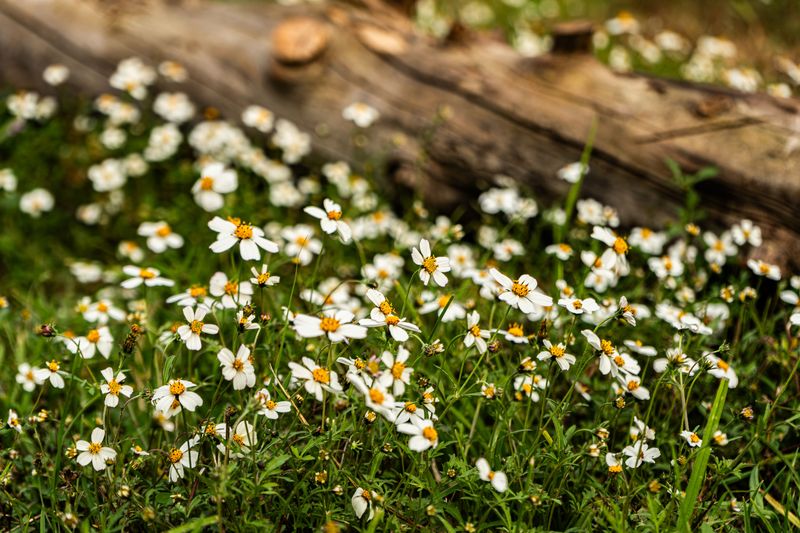
Myth first: Spanish needles (Bidens alba) is just a weed. Many South Florida gardeners pull it on sight, annoyed by the sticky seeds on their socks.
Here is the surprise. UF/IFAS Extension has highlighted this little white daisy as one of the top nectar plants in Florida, and it blooms nearly 12 months a year in frost-free areas.
That nonstop bloom matters for pest control. Predators leave a yard when food runs out, and Spanish needles keeps the snack bar open in January, when chinch bugs in South Florida are still quietly feeding.
You do not need a wild meadow. Keep a tidy 3 by 3 foot patch in a back corner or behind a fence, and cut it back by half whenever it flops or starts seeding heavily.
It is a tough little plant with a messy reputation. Give it one corner, and it genuinely pays rent.
4. Dotted Horsemint
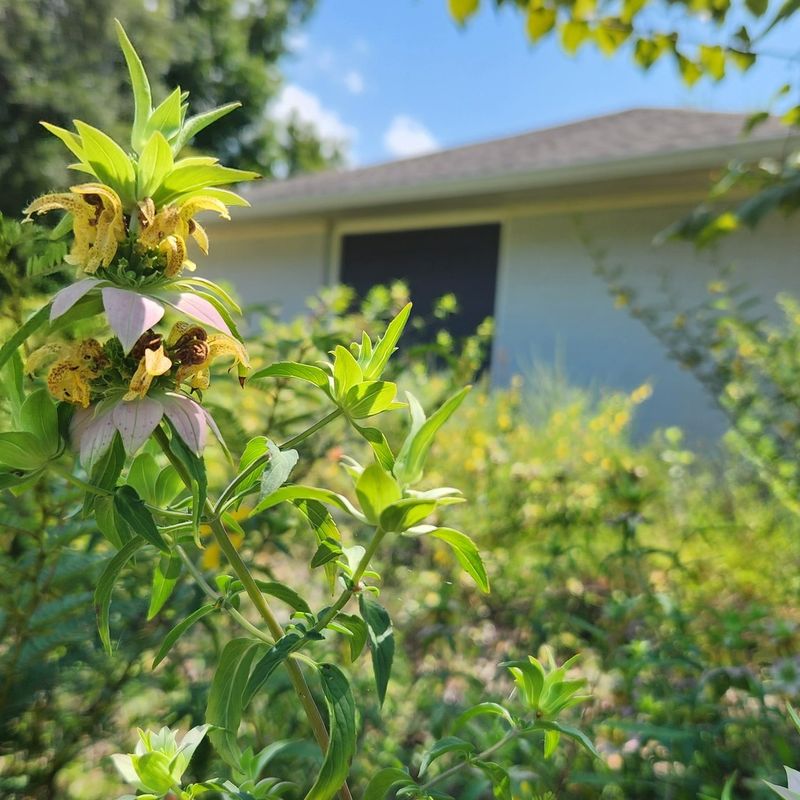
Brush against dotted horsemint (Monarda punctata) and you get a blast of oregano-like scent. Look closer and the plant is usually crawling with wasps, flies, bees, and beetles.
That crowd is the point. The tall pink bracts, what gardeners mistake for petals, draw in a huge range of beneficial insects, including parasitic wasps so tiny you would never notice them laying eggs inside pests.
Horsemint loves the dry, sandy soil common in North and Central Florida and grows 1 to 3 feet tall. It blooms from late summer into fall, right when chinch bug populations are often at their peak after months of heat.
Plant it 12 inches apart in a sunny drift, ideally within 10 to 20 feet of your lawn. Skip the fertilizer, because rich soil makes it floppy and short-lived.
Think of it as a lighthouse. The smell and color call the helpers in, and your grass is right next door.
5. Swamp Milkweed
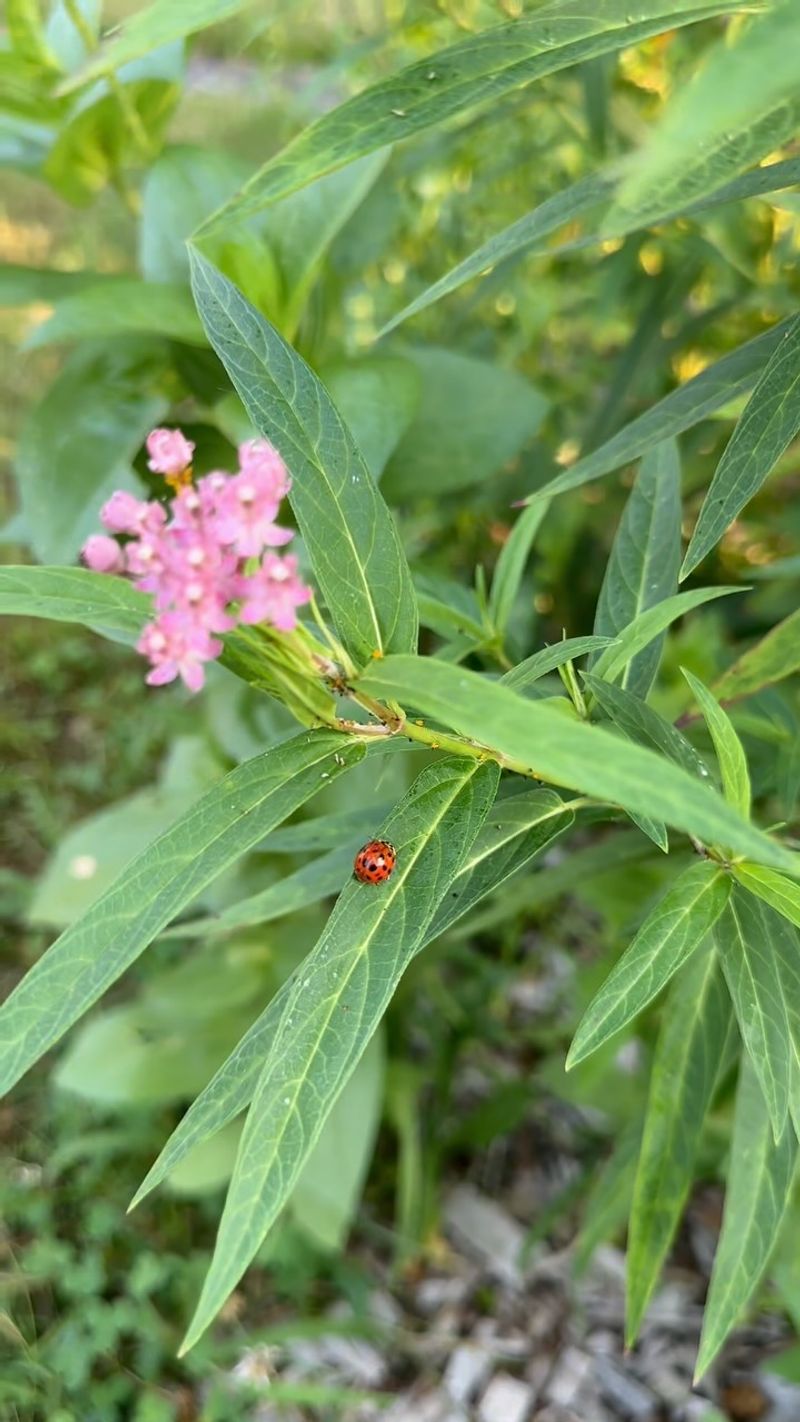
Aphids have a trick: they pile onto milkweed stems in bright orange clusters that look like trouble. Many Florida gardeners panic and spray, and that is the exact wrong move.
Those aphids are ladybug bait. Adult ladybugs lay eggs right beside the colonies, and the spiky larvae that hatch can eat hundreds of aphids before they mature, building a resident ladybug population in your yard.
Pink swamp milkweed (Asclepias incarnata) handles wet, low spots that many plants hate, and it doubles as a host plant for monarchs. If your yard is dry and sandy, the native butterfly milkweed (Asclepias tuberosa) is a better fit.
Plant in groups of three, 18 to 24 inches apart, in full sun. Leave the aphids alone unless they truly smother the plant, then knock them back with a quick blast of water.
It feels backward to protect bugs on purpose. But this is how you raise your own security team.
6. Seaside Goldenrod
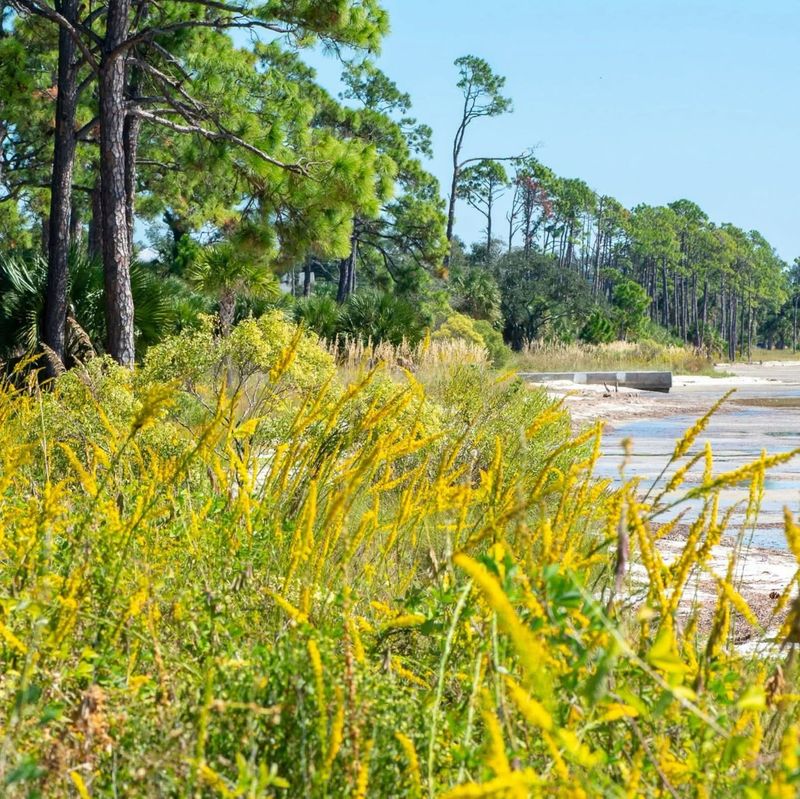
Goldenrod gets blamed for fall allergies, and it does not deserve it. Its pollen is heavy and sticky, carried by insects instead of wind, so ragweed is the usual culprit.
Seaside goldenrod (Solidago sempervirens) handles salt spray and sandy soil along the Atlantic and Gulf Coasts, reaching 3 to 6 feet when it blooms. Those golden plumes appear in fall, when many other flowers are fading.
Timing is everything here. Ladybugs, soldier beetles, and predatory bugs need a big fall meal to survive winter nearby, and goldenrod is one of the richest late-season stops in Florida.
Give it a spot at the back of a bed, about 2 feet from neighbors, because it spreads by underground runners. Cut stalks to 6 inches after blooming finishes.
Predators that overwinter in your yard are ready to work the moment spring heats up. That head start is actually worth a lot.
7. Beach Sunflower
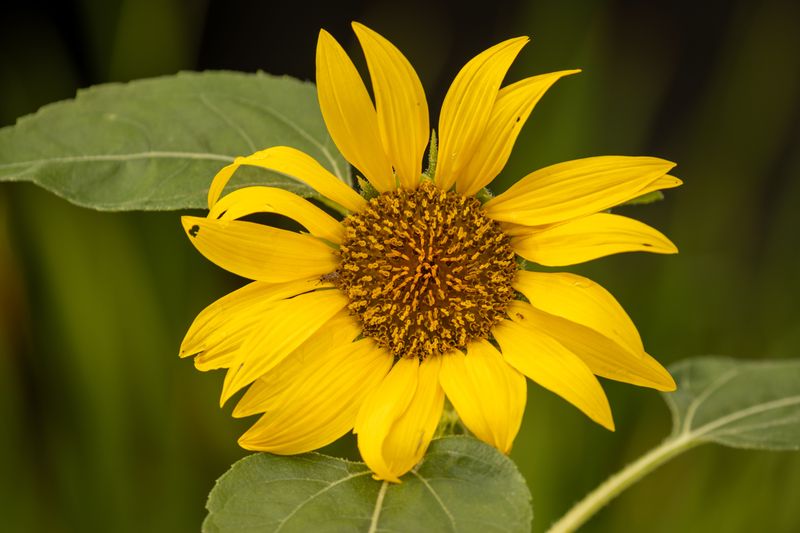
Big-eyed bugs are the true chinch bug killers, and they spend most of their lives near the ground. So a low groundcover beside the grass is like building them a front porch.
Beach sunflower (Helianthus debilis) spreads 2 to 4 feet wide but stays under 2 feet tall, with cheerful yellow blooms most of the year in Central and South Florida. It shrugs off salt, sand, and heat on both coasts.
Plant it 3 feet apart along lawn edges in full sun, and water lightly for the first month. Leaves near the soil give predators shade and humidity, while flowers feed ladybugs and big-eyed bugs between hunts.
Then do your part on the lawn. Mow St. Augustine at 3.5 to 4 inches, water about 3/4 inch only when grass shows stress, and skip broad insecticides that wipe out the helpers, too.
To check for chinch bugs, push an open-ended can 2 to 3 inches into the edge of a yellowing patch, fill it with water, and wait 5 to 10 minutes. If few float up, your new hunting crew is earning its keep, and you built that.
